



Image Credit: Pixabay from Pexels
“Be obedient, get straight A’s, smile politely, dress ‘properly,’ and never talk back.”
These were the silent rules I learned growing up as a South Asian girl. On the outside, I looked like the perfect daughter, high-achieving, respectful, put-together. But no one saw the pressure bubbling underneath: the fear of failure, the weight of comparison, and the quiet battles I fought just to feel enough. This is what it really feels like to carry the invisible expectations, to be everything, all at once.
Let us slide into your dms 🥰
Get notified of top trending articles like this one every week! (we won't spam you)What Will Society Say?
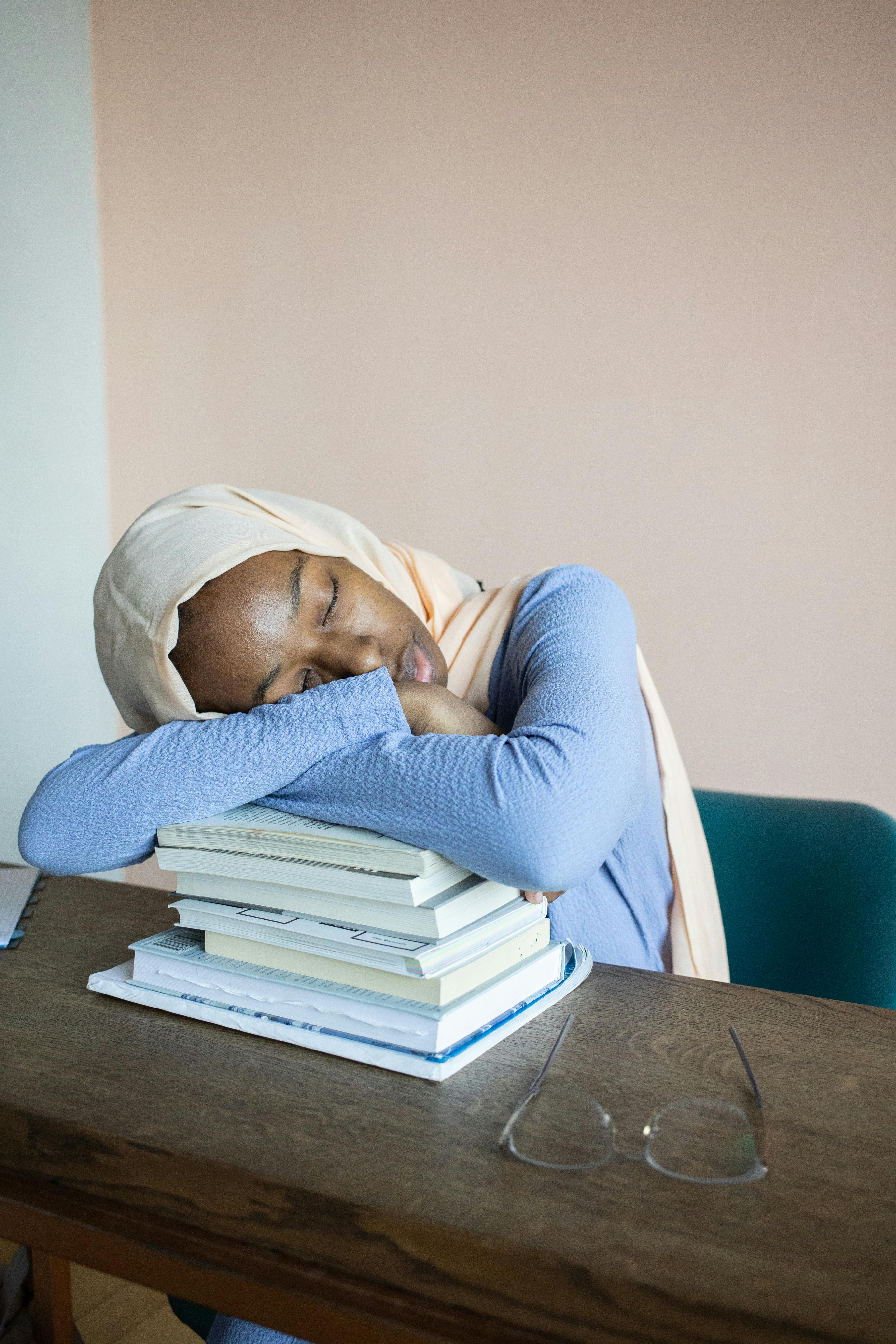
Image Credit: Monstera Production from Pexels
"Always be perfect at everything so society accepts you!” That’s what I heard every day. But I always questioned it. Why do we have to be perfect for society?
Perfect grades, perfect dressing, perfect manners, perfect appearance, perfect cooking… and after all that, they still say: “Your life is easy, you only have to study.” No one ever appreciated how much pressure we were under. They just demanded more. We’re constantly told to do everything while keeping our culture in mind: don’t wear that, don’t say this, don’t act like that. Honestly, I don’t think following cultural values is wrong, but instead of simply saying “do this because it’s tradition,” parents should explain the reasoning behind it. We deserve to understand, not just obey.


Take the Quiz: Religion, Schools, and Equality
Religion in Schools: Teaching Respect, Not Bias.
Academic Pressure
I still remember how, until middle school, I was always tagged as the girl with “low grades.” No one ever considered how much it hurt me, just because my sister got A's and I got A’s, I was seen as someone who didn’t study, who was distracted by “useless” things. And by useless, they meant sports, art, creating things, and extracurricular activities, all the things I genuinely loved. I do believe parents should motivate their children to study, but hearing things like “your sisters are better” or “you never get good grades” slowly made me believe I wasn’t good enough.
It wasn’t until middle school that I realized A’s weren’t bad at all, they just made me feel like they were. I think every student has different ways to show creativity, and even if you still want them to get good grades you shouldn’t force them rather, try to give them some space and make them understand the importance rather than degrading.
My Skin
When I was three years old, I hid behind a couch and covered my face with white cream, because I believed it would make me white too. Imagine making a three-year-old insecure about her skin color. In Pakistan, brown skin is completely normal, yet society treats “pretty” as one thing: fair skin.
Looking back, I’m in disbelief. My skin is beautiful, but I was gaslighted into hating it. First, they expect girls to be pretty at all costs. Then, they define “pretty” as fair, something we can't even control. This obsession with white skin has to stop.
People bleach their faces, apply whitening creams, and follow harsh remedies all in the name of fairness. I constantly heard: “Use whitening cream,” “Try this home remedy.” But why? Why should I?
I love my skin. What’s even more ironic is that while South Asians are trying to become whiter, people in the West are tanning to get the color we’re told to hide. South Asians need to wake up. Your skin is beautiful. Don’t ruin it by trying to become something you were never meant to be.
Meeting Expectations

Image Credit: Pixabay from Pexels
Sometimes, I feel like I’m living two lives, one shaped by who I truly am, and the other by who I’m expected to be. The guilt of not meeting those expectations weighs heavier than anyone realizes. I am expected to give everything but receive nothing in return. And if I question why, I’m told, “You’re a kid; you can’t question, it’s disrespectful.”
But why? Why is asking questions disrespectful? Parents should encourage curiosity and answer questions instead of letting their children sink into depression from the pressure.
Whenever I try something, the pressure creeps in: What if I fail? What if my parents expect more? What will our relatives say? Will people accept me? It’s time to stop expecting our kids to be saints. Many parents still discipline harshly, often because they were raised in the ‘90s when violence was seen as normal.
But that doesn’t mean they should pass that trauma down to their children. And when a child says, “I’m depressed, I need therapy, I have anxiety,” people respond, “At our time, we went through all that and didn’t get depressed or anxious. Stop acting.” Just because parents suffered doesn’t mean their children must too.
And the stigma around therapy is sickening; hearing, “Therapy? Are you crazy? Are you mental?” needs to stop. Therapy is okay. It’s totally fine to seek help.
Mental Health Abuse
Growing up, I never thought any of this was wrong; I believed it was just how things were supposed to be. But now I realize how toxic, stereotypical, and even racist some of these pressures are. I lived a normal life carrying all that weight, thinking it was right. Then, when I was about nine, I visited my cousins in England with my family, and I saw a completely different way parents treated their kids.
For example, my seven-year-old cousin casually told her mom, “I want to get my nails done,” something I would never have dared to ask. I think kids shouldn’t get nails at that age, but my parents wouldn’t have told me in a way to make me understand why they wouldn’t want me to get them. If I had gotten them, I probably would have gotten slapped!
I also noticed how their education system was less stressful, with a focus on mental health and encouraging talents like dance, arts, sports, and other creative pursuits. This kind of environment should be normalized in South Asia, too.
Final Thoughts
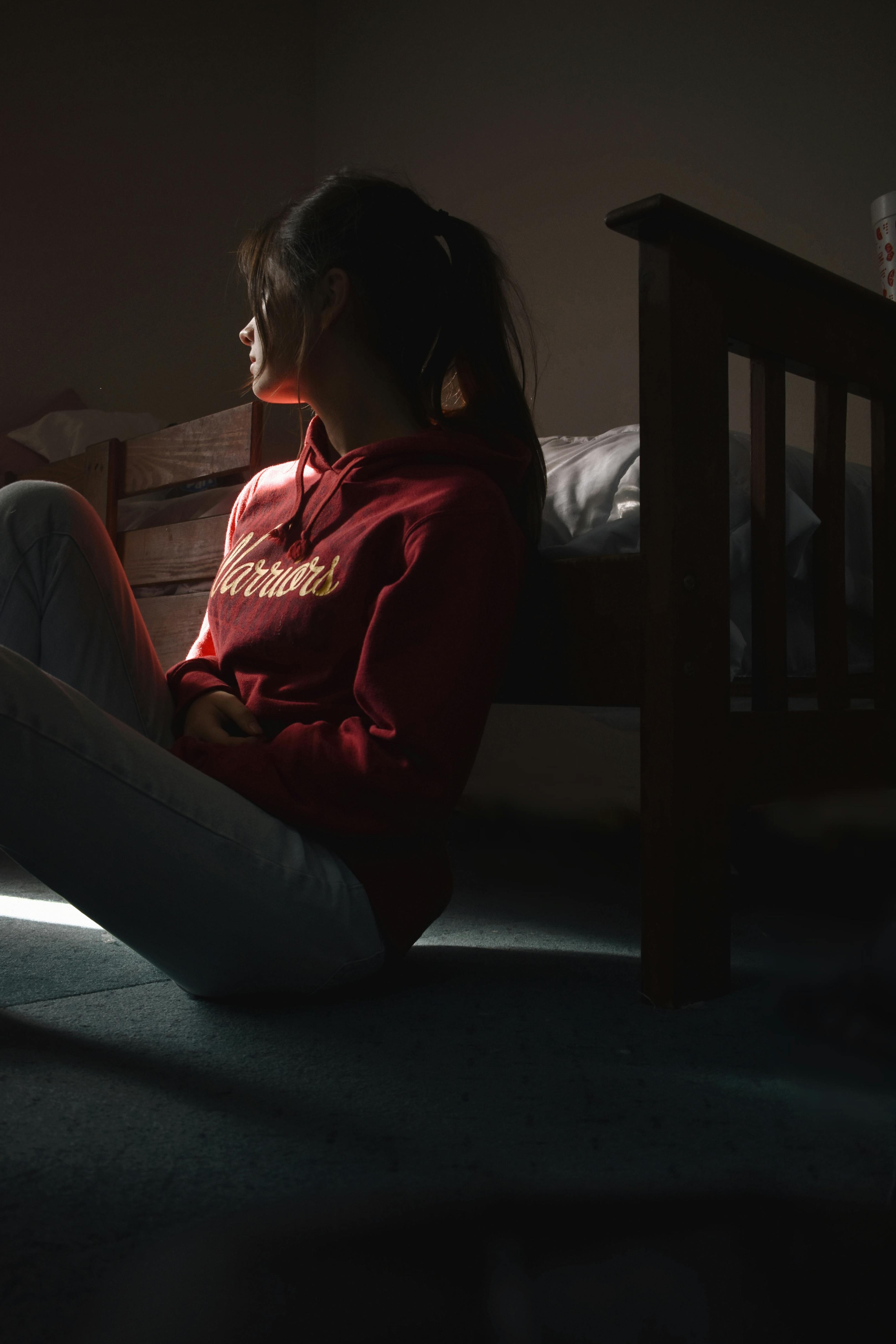
Image Credit: Sofia Alejandra from Pexels.
It's time to break the cycle. As South Asian girls, we deserve to grow up knowing we are enough, not for our grades, our skin tone, or how obedient we are, but simply because we are human. Change won’t happen overnight, but it starts with us questioning, speaking up, and daring to live life on our own terms.
Tradition should be honored, yes, but when society disguises harmful standards as 'tradition,' it’s not culture anymore. It’s control. And that’s not preserving tradition, it’s harassing it.