






This past September has been a crazy month! From the detainment of 300 South Korean workers at a Hyundai Plant in Georgia, to the horrific shooting of Charlie Kirk, life in the United States has become drastically chaotic. With no Kings Protests happening all over America, many feel as though we are in the midst of a revolution.
Amidst this chaos, there has been a significant lack of public awareness on another important revolution on the other side of the globe. More specifically, in South Asia’s Nepal. Today, we will examine why the revolution started, it’s purpose, and the potential political ripples across the Asian continent.
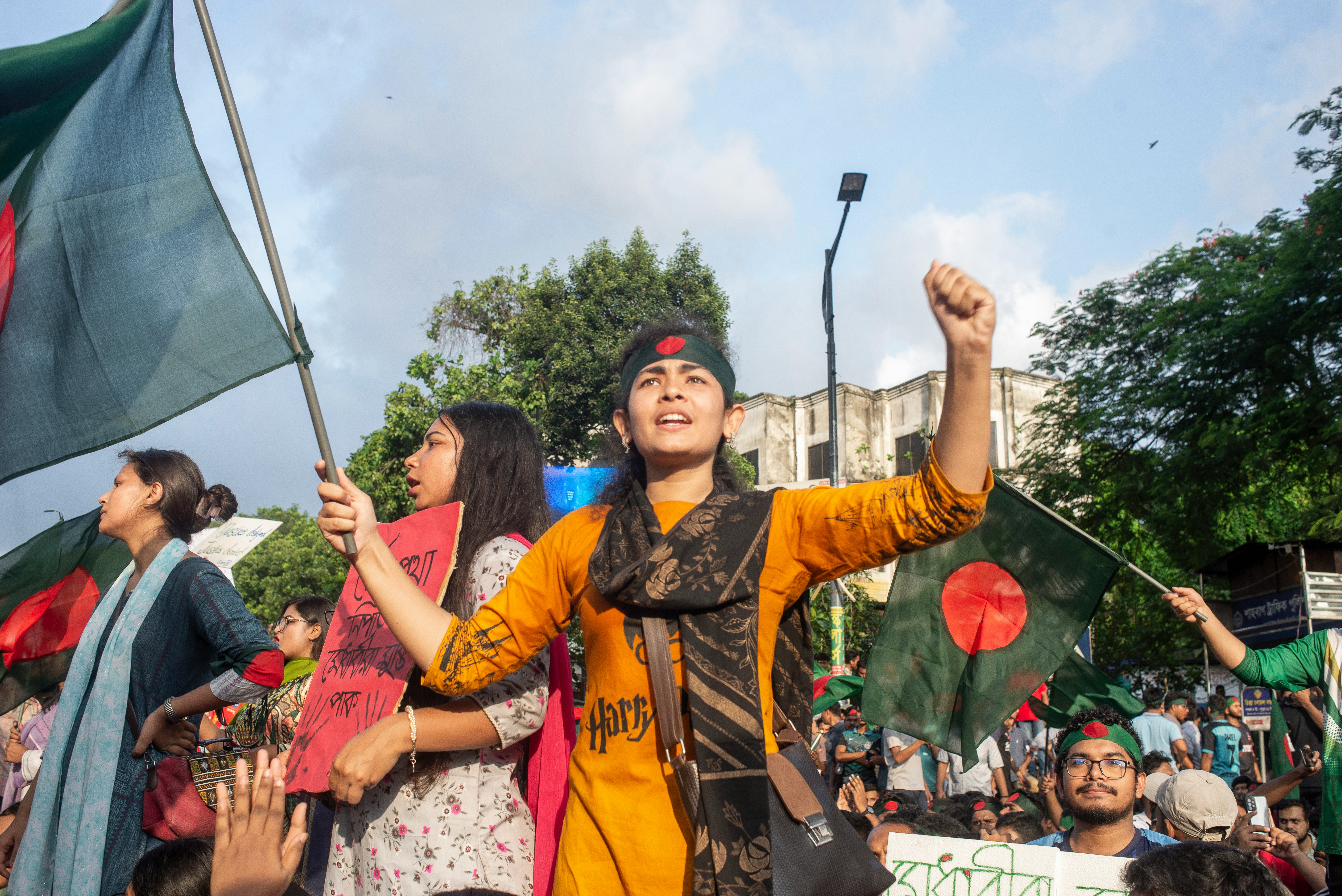
Image Credit: Tanvir Khondokar from Pexels
Let us slide into your dms 🥰
Get notified of top trending articles like this one every week! (we won't spam you)How the Revolution Started
Firstly, according to Britannica and Nepalese youth, the sparks of revolution started when the government began to ban all forms of social media platforms. At the surface, it seems like a silly way to form a revolution; however, Nepalese youth used these platforms to speak their mind and practice free speech. Thus, a ban was widely viewed as an attempt to silence political dissent, leading to the initial sparks.
While many protests began peacefully, they escalated into violent confrontations with police, resulting in 74 deaths and 2,113 injured. Mayhem ran rampant in the streets, and as parliament buildings burned, more civilians came out to join the commotion.
Even further back, the political dissent being discussed on these social media platforms came from an overall lack of support for their government due to rampant corruption and poor economy. Nepal has for the longest time faced extreme economic challenges, with more than 20% of their youth being unemployed. Adding to the struggle, the fact that the country’s limited economic sectors that actually made a successful living were controlled by a small, wealthy elite.
Politically, Nepal’s history has always been fragmented. In 2001, the Royal Massacre led to the killing of 10 royals, including King Birendra. And in the following decades, no administration has been in power for a full five years.
In fact you can watch firsthand the amount of chaos in Nepal from famous blogger, wehatethecold, on Youtube.
Take the Quiz: What Kind of Political Personality Are You?
Ever wondered what role you’d play in the political world? Take this fun quiz to find out!
Global Impacts
Finally, above anything else, what we need to take from this situation is how history begins to echo itself. Similar to how the French overthrew their corrupt nobility after being inspired by America, we can already see the effects of this revolution in other Asian nations. Corruption in developing countries isn’t uncommon, let alone revolutionary. However, when you allow your people to stay in poverty and push them to the brink, one must think about the consequences when another similar nation’s people begin to revolt.
The Nepal revolution was undoubtedly inspired by other south asian youth-led uprisings, especially in Sri Lanka and Bangladesh. If other Asian nations don’t catch on, then it’s only a matter of time until other surrounding regions like Cambodia, the Philippines, and Syria start their own fires.
They say history repeats itself, and through this instance, we can see for ourselves just how accurate that statement is. In order to foster change, and break this historical cycle, real solutions must be made.
Solutions
In response to the crisis, Nepal’s government has attempted a mixed strategy: reopening dialogue with protest leaders while maintaining restrictions on certain online platforms. International organizations, such as Amnesty International and Human Rights Watch, have urged the government to protect the right to peaceful protest and lift communication bans.
Additionally, former chief justice Sushila Karki was appointed as Nepal’s new Prime Minister, and the first female in office.
These are steps in the right direction, but they have been inconsistently enforced. True progress will require not only restoring digital freedoms but also addressing the root causes of discontent. For the international community, the lesson is clear: supporting digital rights and youth empowerment in developing nations is key to maintaining global stability. As Nepal continues to rebuild trust between its people and its government, its struggle reminds us that democracy must be shown through actions, not just diction.