





What's The Deal With Antidepressants?
Teens are one of the largest age groups to suffer from depression. According to the CDC, depression rates have increased by 60% over the past 10 years in adults and teens. This raises the question of how to combat these rising rates.
Many psychiatrists prescribe antidepressants, a drug that supposedly combats depression, which 11.4% of adults reportedly take. However, antidepressants, on average, do not work to prevent depressive symptoms efficiently for the majority of cases. So what effects do antidepressants have?
Let us slide into your dms 🥰
Get notified of top trending articles like this one every week! (we won't spam you)Side Effects
Firstly, even when antidepressants show some psychological benefit, they still come with side effects. These include paradoxical reactions and mania in early treatment during the first six weeks. During long-term treatment, the medication becomes less effective, and emotional blunting can be observed.
Additionally, there are physical side effects such as nausea, dizziness, weight gain, and sexual problems. In fact, the combination of all of these physical effects leads to a notable observation: the overall quality of life of patients taking antidepressants is worse than that of those not taking medication. Additionally, according to a WHO study, people who take antidepressants are more likely to have a depressive episode after one year when compared to diagnosed patients who are unmedicated.
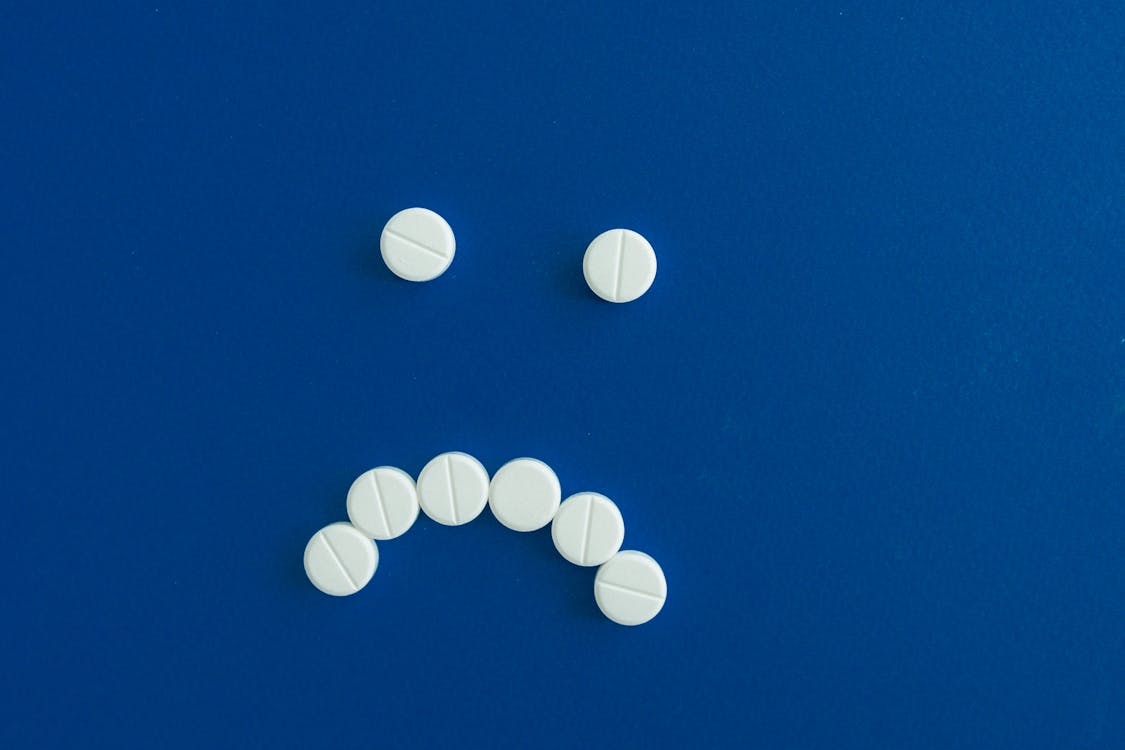
Image Credit: SHVETS production from Pexels

Take the Quiz: Discover Your Ideal Stress-Relieving Hobby
Everyone deals with stress differently, and finding the right hobby can help you relax and unwind. Take this quiz to find out which stress-relievin...
The Struggle with Withdrawal
Aside from side effects, withdrawal is a serious threat to people trying to get off medication. Many patients report trying to get off medication unsuccessfully, some for over a decade! Withdrawal symptoms not only carry a lot of the common side effects of the pill itself, but also a new concern: a relapse that comes stronger than the initial depression. This is because the brain adapts to the drug by compensating in the opposite direction.
This oppositional response is not stopped after the drug is no longer being taken. This is why many patients raise their dosage and struggle with getting off the medication, even when the dosage is slowly lowered over time. Teens, especially, are highly susceptible to addiction.
This makes withdrawal typically more rough. However, there are a few psychological benefits that antidepressants bring when the dosage is controlled.
Are the Side Effects Worth It?
So if psychological health is improved in some cases, can’t one combat the physical side effects with exercise? Research suggests one doesn’t even have to endure side effects to see psychological improvements. In a study that compared the effects of placebos and antidepressants, only about a quarter of the patients taking antidepressants saw an actual improvement in their psychological health.
This suggests that taking a placebo would protect the patient from the harmful side effects without sacrificing the success of the drug. However, these findings are underreported due to bias in pharmaceutical publications.

Image Credit: Medgirl131 from Wikimedia
When Do Antidepressants Actually Work?
There is one group that does benefit from antidepressants, however: people who are severely depressed. Many studies have found that people who suffer from severe or chronic depression benefit the most from antidepressants. Their benefits from the drugs often outweigh the harm, which is opposite for patients with milder depression. The other case that shows the most positive outcome is when people take antidepressants for a short period (under six months).
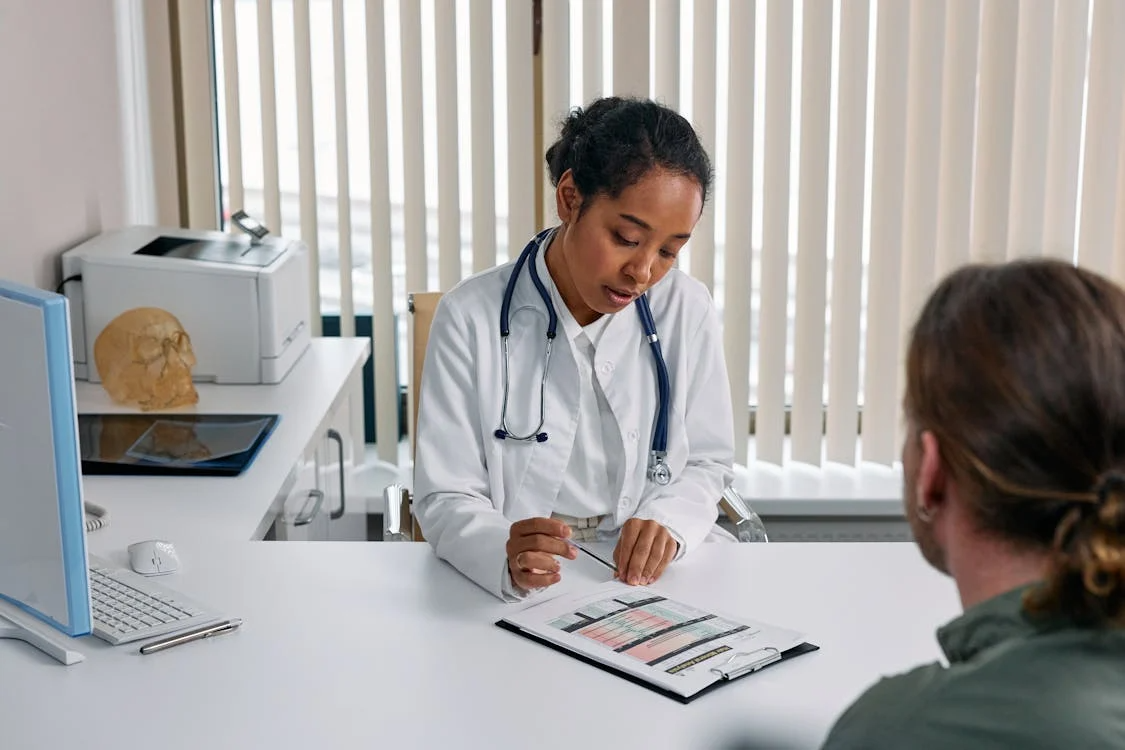
Image Credit: cottonbro studio from Pexels
What Does This Mean?
Instead of automatically prescribing antidepressants to a variety of patients carelessly, I believe that psychiatrists should prescribe medication on a case-by-case basis. Since extensive research shows that medication works best for severe cases, I think antidepressants should only be prescribed as a last resort for patients with severe depression.
As for milder cases of depression, I believe therapy and physical activity are a better approach. There should be close observation of the patient's state, as well as routine meetings with psychotherapists, in combination with the medication, to monitor side effects.
So, although antidepressants do work for some people, it remains true that they shouldn’t be a “one size fits all” solution that psychiatrists commonly prescribe, making antidepressants not a viable option for most patients.
How can you talk to your parents about seeing a doctor for a professional opinion?
Asking for help is tough. Asking for mental health help is often even tougher. As a teenager, it can seem more comfortable to hide your feelings from your parents.
However, that isn't the way to see an improvement in your health. Your mental health is important, and making sure you find the right support is too. If you are struggling with finding a way to approach your parents about seeing a doctor or therapist, open up with a description of how you've been feeling. Then, you can tell them what that means for your mental health (whether that means you think you exhibit a mental illness or that you would benefit from speaking to a therapist). Make sure to be specific about what you need, as this might make the conversation easier to approach for both you and your parents. Mental health is serious, so don't be afraid to reach out to someone about it!
References:
D. Goldberg. “The effects of detection and treatment of major depression in primary care.” British Journal of General Practice (1998), https://www.madinamerica.com/wp-content/uploads/2018/03/who.jpeg.
Fava, Giovanni. "May antidepressant drugs worsen the conditions they are supposed to treat? The clinical foundations of the oppositional model of tolerance." Therapeutic Advances in Psychopharmacology, 2 Nov. 2020, https://journals.sagepub.com/doi/10.1177/2045125320970325.
Freedom of Information Act. “Do antidepressant Drugs Really Work?” YouTube, uploaded by NutritionFacts.org, 17 Feb 2015, https://www.youtube.com/watch?v=IQ3d7isADyc.
Institute for Quality and Efficiency in Health Care. "Depression: Learn More – How effective are antidepressants?" National Center for Biotechnology Information, 15 April 2024, https://www.ncbi.nlm.nih.gov/books/NBK361016/.
Marshall and Berney. "Are Antidepressants Effective?" YouTube, uploaded by The Mental Breakdown, 24 Apr 2022, https://www.youtube.com/watch?v=2FCJL6KHVKk.
"Tablets for depression - Do antidepressants help? | DW Documentary." YouTube, uploaded by DW Documentary, 1 Mar 2023, https://www.youtube.com/watch?v=J66WzcITH9g.









_versus_placebo_in_the_GEMINI_trial.png)
