







Premed isn’t just about memorizing anatomy or getting straight A’s—it’s about developing curiosity, compassion, and resilience. After all, a doctor's role is to heal people, and that is one of the most demanding jobs that requires empathy and human connection.

If you’re a high schooler or college student thinking about medical school, these books will inspire you, challenge your perspective, and give you a real sense of the human side of medicine.
1. When Breath Becomes Air by Paul Kalanithi

In this poignant memoir, Paul Kalanithi, a neurosurgeon at the peak of his career, is diagnosed with terminal lung cancer in his 30s. The book chronicles his transformation from doctor to patient, exploring the fragility of life, the meaning of work, and the search for purpose in the face of death. Kalanithi reflects deeply on what it truly means to live well and why he chose medicine, blending medical insight with existential reflection.
2. The Man Who Mistook His Wife for a Hat by Oliver Sacks
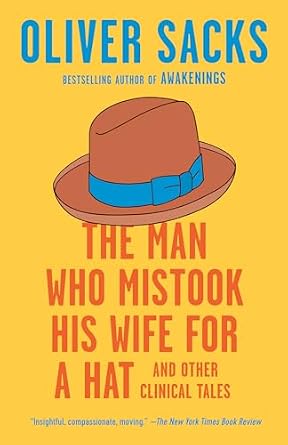
Oliver Sacks presents a collection of neurological case studies that feel like real-life medical mysteries. From a man who cannot recognize faces, to a woman who cannot perceive movement, these stories reveal the strange and fascinating ways the brain can malfunction. More than clinical oddities, Sacks captures the humanity, humor, and dignity of patients navigating extraordinary challenges, showing how medicine is about understanding people, not just anatomy.
3. Do No Harm by Henry Marsh
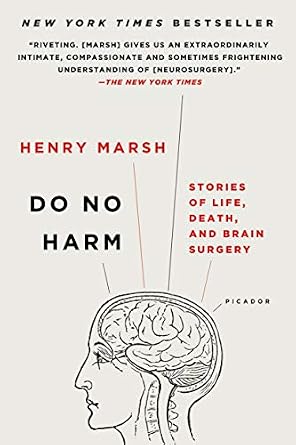
Neurosurgeon Henry Marsh offers a brutally honest memoir detailing the highs and lows of operating on the human brain. He shares moments of triumph, devastating mistakes, and ethical dilemmas, illustrating the weight of responsibility doctors carry. Marsh’s storytelling reveals both the skill and fallibility inherent in medicine, reminding future premeds that courage and humility are just as important as knowledge.
4. The Immortal Life of Henrietta Lacks by Rebecca Skloot
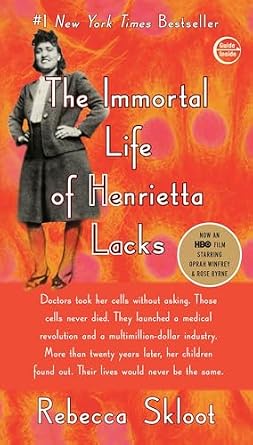
This gripping narrative intertwines the story of Henrietta Lacks, whose cancer cells (HeLa cells) were taken without her consent in the 1950s, with the scientific breakthroughs they enabled. Skloot explores the Lacks family’s struggle, racial injustice in medical research, and the ethics of consent. The book is part biography, part scientific exploration, giving readers insight into the profound impact one life can have on generations of medicine.
5. Complications: A Surgeon’s Notes on an Imperfect Science by Atul Gawande
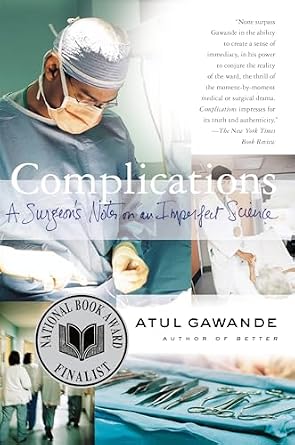
Gawande examines real patient cases to explore the uncertainty and imperfection of modern medicine. He describes surgical mistakes, ethical dilemmas, and unpredictable outcomes, emphasizing that medicine is as much an art as it is a science. The book is both educational and cautionary, showing aspiring doctors that adaptability, judgment, and humility are vital in clinical practice.
6. How Doctors Think by Jerome Groopman

Groopman dives into the thought processes behind medical decision-making, highlighting why doctors sometimes misdiagnose and how they navigate uncertainty. Through compelling patient stories, the book explores cognitive biases, intuition, and reasoning under pressure. For future premeds, it provides a fascinating look at the intellectual rigor and human judgment required in medicine.
7. Stiff: The Curious Lives of Human Cadavers by Mary Roach

Mary Roach takes readers on a witty and sometimes shocking tour of the afterlife of the human body. From medical research to anatomy classes, cadavers play a surprising role in science and education. Roach blends humor with ethical reflection, revealing how understanding death and the human body informs medical practice. Aspiring doctors will gain both anatomical knowledge and appreciation for the sacrifices behind medical discovery.
8. Being Mortal by Atul Gawande
This book confronts one of the hardest aspects of medicine: end-of-life care. Gawande explores how doctors, patients, and families navigate aging, terminal illness, and the tension between prolonging life and maintaining dignity. Through real stories, he challenges future doctors to think about what it truly means to care for patients beyond the purely physical, emphasizing empathy, communication, and compassion.
9. Mountains Beyond Mountains by Tracy Kidder
This biography follows Dr. Paul Farmer, a physician and anthropologist, as he works tirelessly to provide healthcare to impoverished communities in Haiti and around the world. The book portrays Farmer’s unwavering dedication, resourcefulness, and moral courage, offering aspiring doctors a model of global health advocacy and service. It’s both inspiring and a call to action for anyone who dreams of medicine as a force for social change.
10. Cutting for Stone by Abraham Verghese

Set in an Ethiopian mission hospital, this novel follows twin brothers, Shiva and Marion Stone, navigating a world of political turmoil, medical challenges, and family secrets. One twin becomes a skilled surgeon while the other searches for his own identity, both confronting love, loss, and loyalty. Blending medical knowledge with intimate storytelling, the book captures the emotional and ethical complexities of medicine, showing how science, humanity, and family intertwine.