


Victoria’s Secret has long been touted for its hyper-feminine portrayal of beauty, often advertising their clothes and products in ways that appeal to societal expectations of what it means to be a “true woman”.
For years, women have been told what is physically expected of them by companies whose only goal is to make money off of the insecurities of others. Their brand image often involved models with impossible, unrealistic body standards that were only attainable by impossible beauty regimens or those who fit the Eurocentric “blond, blue-eyed” archetype.
Victoria’s Secret has significantly shaped modern beauty standards through these tactics, most obviously seen through their runway shows. The women who walked the stage each year represented a symbol of beauty that Victoria’s Secret claimed could be achieved by products they sold, when it was only an ideal that left no room for inclusivity, diversity, or individuality.
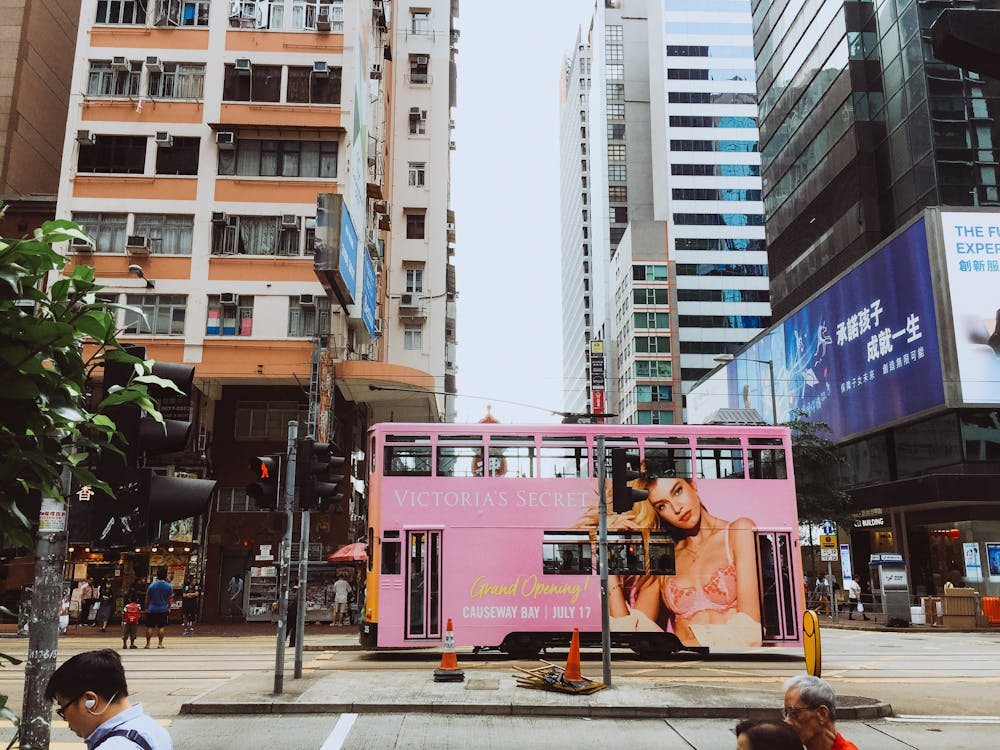
Photo by Aneliya Mukhamedkarimova from Pexels
Let us slide into your dms 🥰
Get notified of top trending articles like this one every week! (we won't spam you)The 2025 VS Runway
This year, however, the show not only made headlines for returning to the stage after a four-year long hiatus, but reimagining the runway with unforeseen diversity within its models. The break from 2019 was called after a decline in viewership and critiques over their lack of diversity, but it’s evident Victoria’s Secret took this into account for their returning runways. Jasmine Tookes, a longtime Victoria’s Secret Angel opened the show whilst nine-months pregnant, breaking away from the notion that women are only as beautiful as they are “thin”.
The show also highlighted an array of athletes, including Angel Reese, an American basketball player, who was the first professional athlete to ever walk the Victoria’s Secret runway. Beyond these individuals, we saw plus-size models, models from the LGBTQ+ community, minority models and more, donning those iconic Angel wings, cementing their place in Victoria’s Secret history.
This change is incredibly important to recognize during a time in which diversity becomes increasingly important. With each group a company excludes in promotional content, their audience and consumer market diminishes. This also calls the question as to whether this change was a marketing tactic to get back to the public’s good graces, or if it was the company’s way of saying that beauty exists not only in one’s external appearance, but the strengths they carry as an individual.
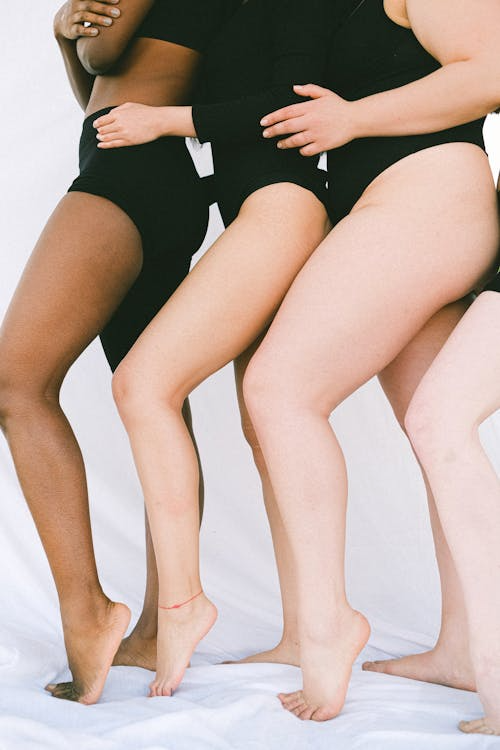
Image Credit: Anna Shvets from Pexels

Take the Quiz: Which Fall Activity Should You Try Next?
Fall is full of exciting activities to match your vibe! This quiz will help you discover the perfect way to enjoy the season.
VS's Fall From Grace
Another reason why this shift feels so monumental is because of Victoria’s Secret’s legacy and how it took them decades to finally accept the critiques people have been shouting for years. From the 1990s to the late 2010s, young girls across the world eagerly waited as models such as Adriana Lima and Tyra Banks walked the runway in bodies so slim and toned, they seemed almost superhuman. For most of its airtime, the show clearly prioritized “[censored]-appeal”, and a marketing strategy that was obviously suited for the male-gaze.
In doing so, they created an unrealistic beauty that excluded most average women, and misshapened others’ perspectives of what a woman is “supposed to look like”. Audiences were never made aware of the efforts that went into creating these bodies, and were led to believe that the women they idolized were simply born with flawless features. In truth, there’s no way for the average woman to achieve these looks because it is not something even the models themselves can do alone. Historically, the modeling industry has pushed absurd diet culture and exercise routines that have led to the development of unhealthy models. Plastic surgery and expensive beauty treatments have also been provided to these models on a daily, all of which are services people were never meant to regularly receive.
All of this meant that exposure to Victoria’s Secret’s secrets was inevitable. In the past few years, society has seen a rise in body positivity and public scrutiny towards brands who make it obviously their last priority. As beauty standards kept changing over time, it was also evident that Victoria Secret would never consistently be able to keep up with what body type or face shape was “trending”, making their brand unsustainable in the long run.
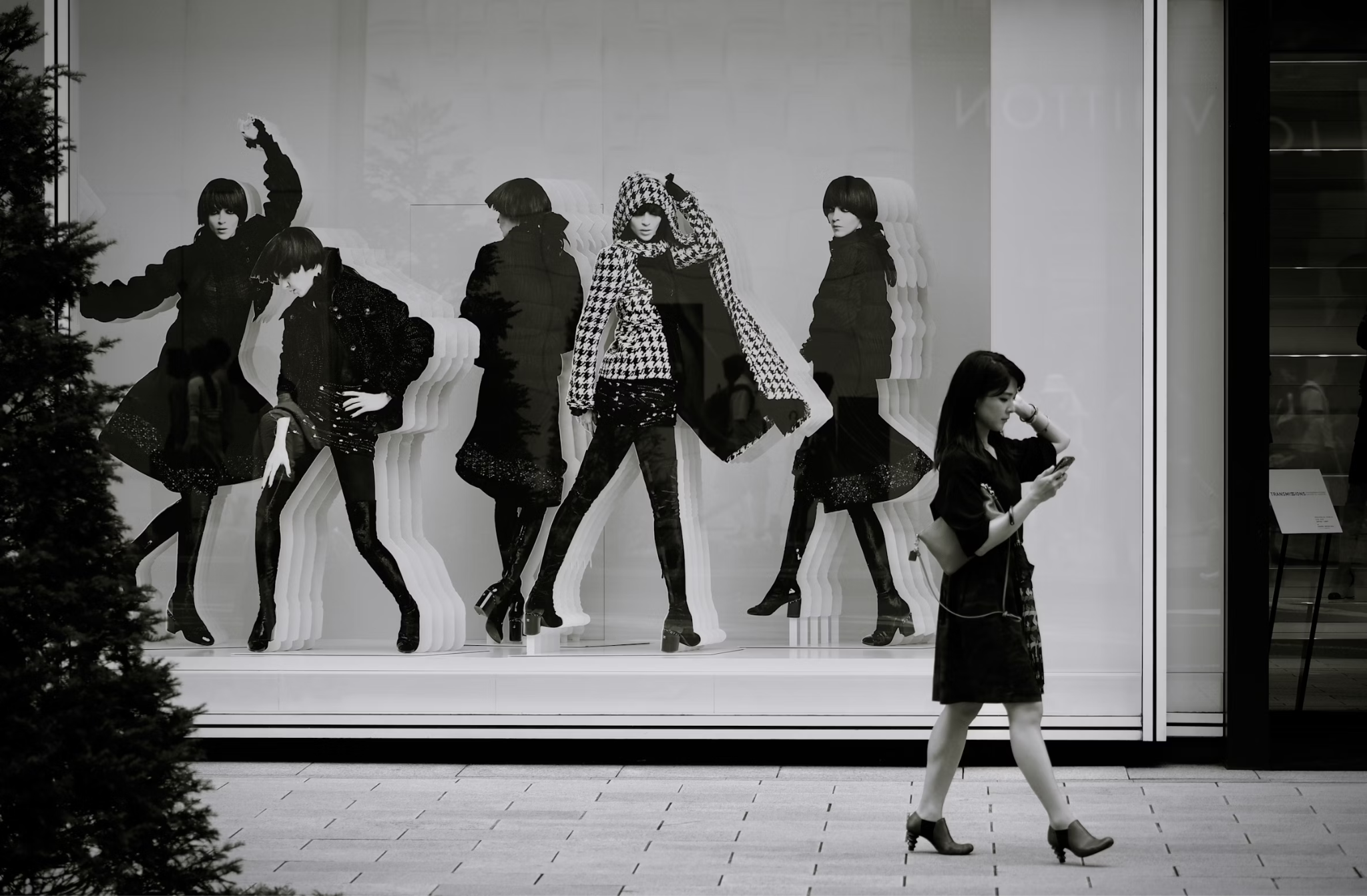
Image Credit: Kazuo ota from Unsplash
Last Thoughts
During the 2025 runway, Victoria Secret received mixed reviews from audiences. While some praised the company for taking time to reflect on their shortcomings and amend them, others critiqued the models, citing “wokeness” as reason for the company’s declining standards. This polarizing conversation reflects a real issue in the conversations about beauty standards today.
Because of companies like Victoria’s Secret, which have changed the definition of beauty so much, many people have been left with a surface-level interpretation of beauty. But as Victoria’s Secret tries to rapidly reverse the standards it established, many consumers are struggling to reconcile with its new definition amid the traits they were taught to idealize.
To me at least, I find the change refreshing. Growing up, I struggled to accept myself and questioned why no matter what I did, I couldn’t look like the pretty girls I saw on TV. However, as I’ve grown older, I’ve realized that true beauty has nothing to do with our appearances but the choices we make as individuals.
Beauty is truly subjective, and we’ll never be able to fit into everyone’s definition of it. At the same time, that’s what makes life so interesting. As imperfect humans ourselves, we learn to look beyond the faults and flaws of others, finding them more reason to believe that something is beautiful. The 2025 Victoria’s Secret model finally felt encompassing these beliefs, reminding us that no matter our size, race, or orientation, we are all worthy of being celebrated.


.jpg)