

.jpg)
.jpg)
Listening to music has never been this easy. With just one free app download, you can access a huge catalog of music with millions of songs available on Spotify. Even though the occasional ad can interrupt your listening experience, and the app often fails to deliver on its promise of "ad-free listening" for 30 minutes, the convenience and accessibility of streaming music is still unrivaled.
But even in this new age of music, where millions of songs are just a tap-and-play away, many young listeners are going old-school with how they play their favorites.
Vinyl records, according to the Recording Industry Association of America (RIAA), are seeing their 16th year of consecutive growth in sales, and vinyl revenue was a record-high (get it?) $1.4 billion in 2024 — the highest since 1984. Gen Z is behind much of that growth, with many teens being avid collectors who frequently purchase and listen to physical formats like vinyl and CDs.
As a huge fan of music myself, I'm all for this rebirth of buying and owning music—and here's why.
Let us slide into your dms 🥰
Get notified of top trending articles like this one every week! (we won't spam you)Music is Art
We often take music for granted, playing it to fill the boring silences of finishing homework assignments or doing chores. But music isn't background noise. It's art, and musicians pour creativity and intention into every album.
Kendrick Lamar's good kid, m.A.A.d city serves as a perfect example that an album can be much more than just a collection of songs. It tells the captivating story of a teenager in Compton trying to find his identity despite facing violence and peer pressure in his environment. Or take channel ORANGE, in which Frank Ocean reveals pieces of his identity as viewers flip through the "channels" in his mind — experiencing immersive fictional storytelling in each track.
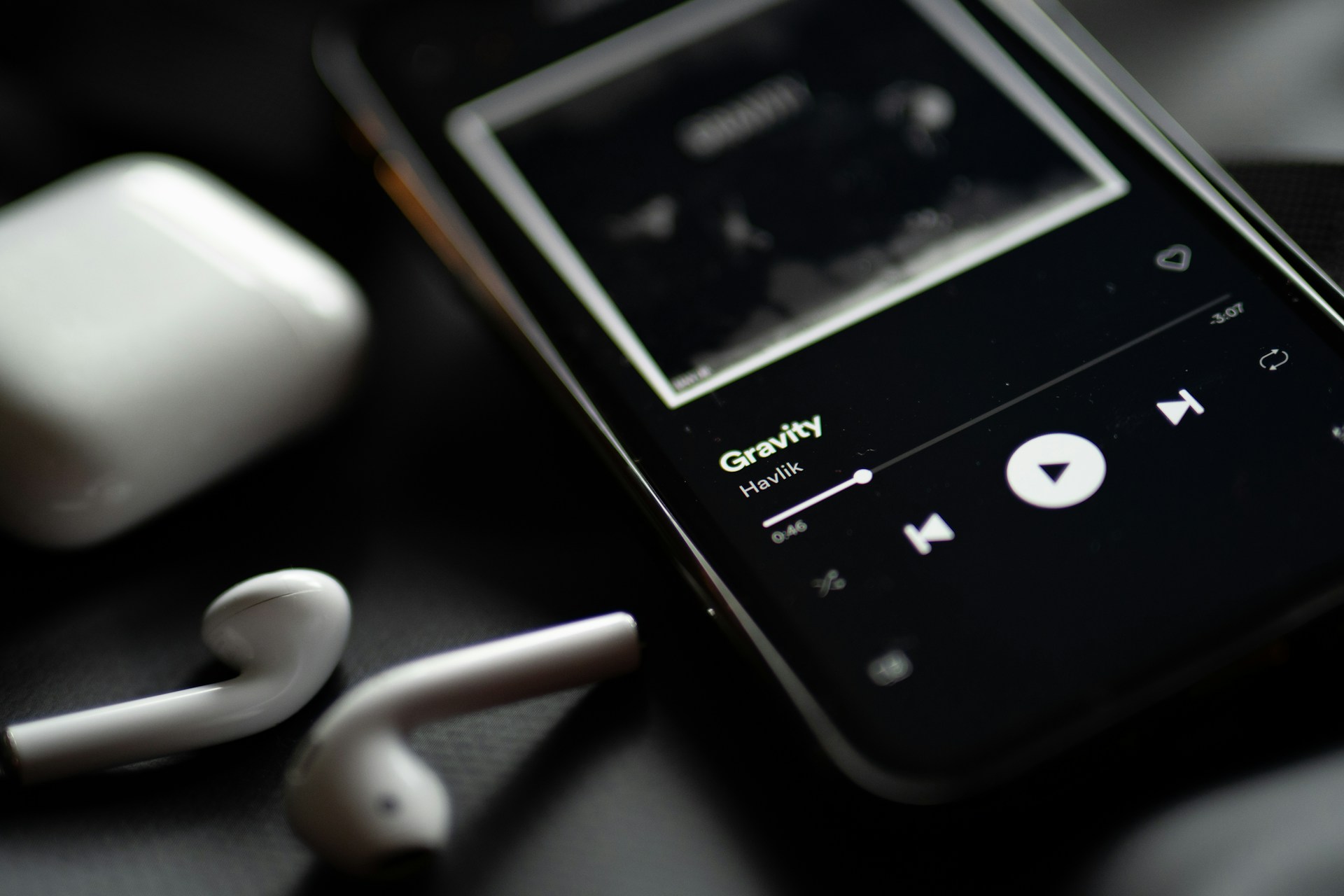
Image Credit: Filip from Unsplash
Yet when streaming music, the artist's full vision is often lost in translation. Algorithms on apps like Spotify typically stick to recommending the hits, which can prevent fans from discovering hidden gems that may not be as popular as the chart-toppers — despite being just as good. When artists make albums, they carefully consider the themes included and the stories they're telling. But when listeners let an algorithm pick what they play, they may never uncover these finer details.
On the other hand, listeners buying vinyl records and CDs are more likely to listen to albums in full. That's why physical formats prompt fans not just to listen to the music — but to truly experience it.
CDs and records also tend to come with extras like posters and booklets that add to the experience. One of the reasons I collect CDs is to flip through the booklets that come with them — the special artwork and lyrics give each album its own unique personality and style, and you just can't get that with streaming.
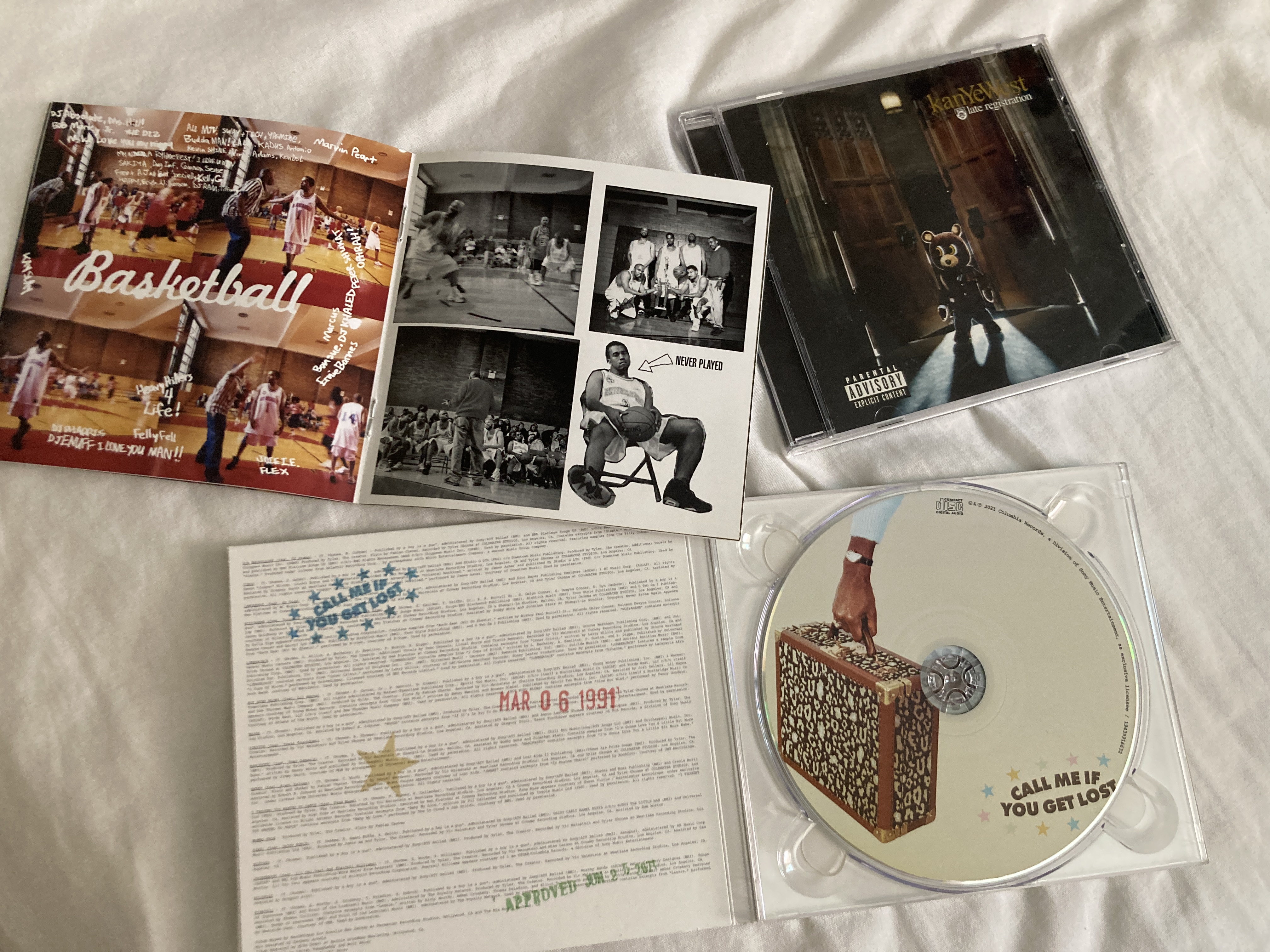
Image Credit: Adam Gregg

Take the Quiz: What’s Your Secret Superpower? This Quiz Will Reveal Which Singer Icon You Resemble
This fun quiz will unveil your unique qualities and reveal which music icon you resemble the most.
Collect and Showcase
As a kid who grew up collecting Pokémon cards, physical media has another great appeal for me — the ability to build a collection of your favorites that you can cherish. While $12 a month for Spotify Premium is a reasonable price, streaming leaves listeners' pockets emptier at the end of every month with nothing tangible to show for it. Music collectors, on the other hand, get to expand their personal libraries with every new purchase.
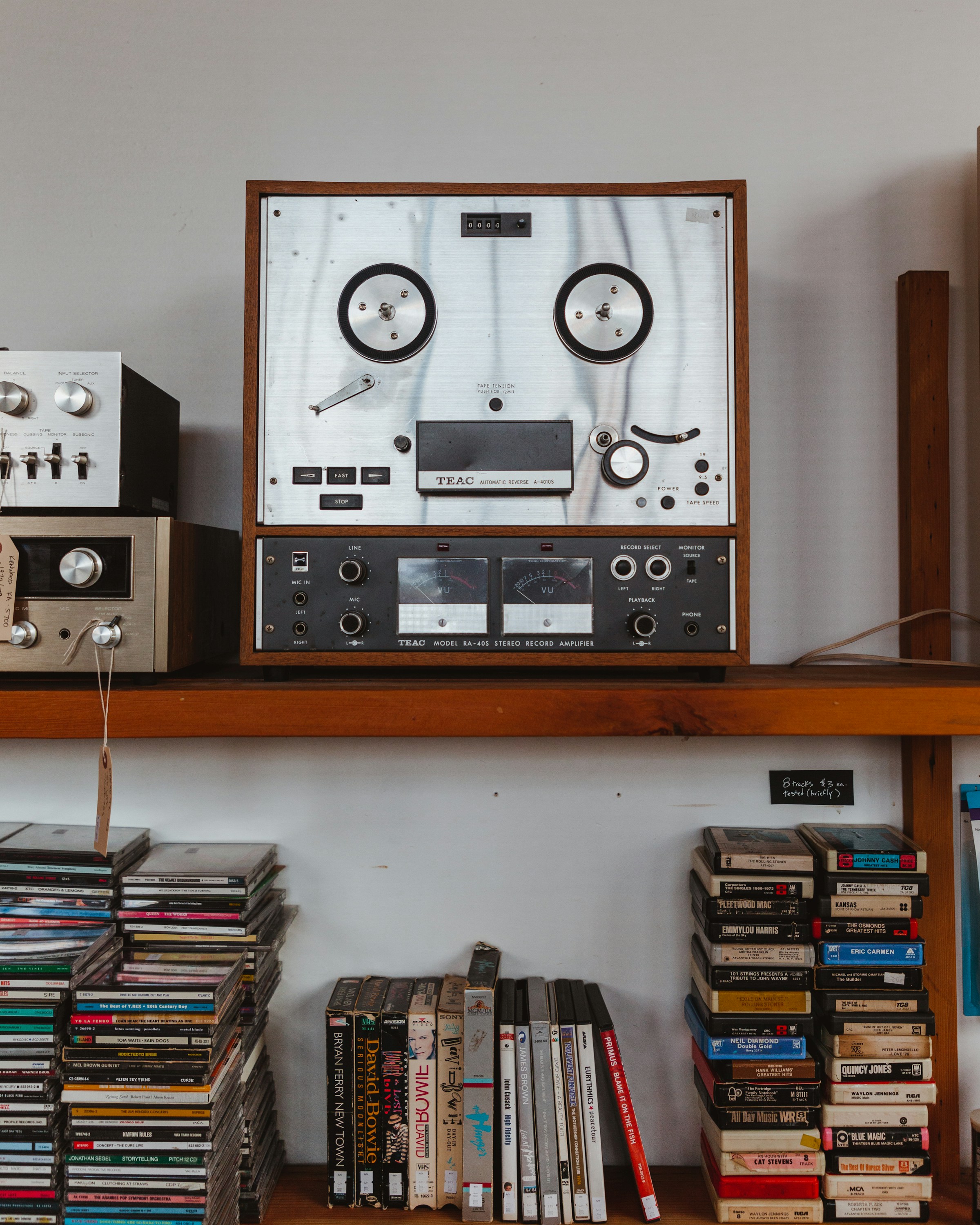
Image Credit: Benesh from Unsplash
Record labels and artists continue to foster this growing collector culture. New releases often come in limited-editions, exclusive vinyl colors, or alternate artwork. Retailers like Target have begun to offer Target Exclusive vinyls, special pressings from Gen Z favorites like Taylor Swift and The Weeknd that come in unique colorways.
Teenage collectors are also increasingly using social media to showcase their music taste. From music collection tours on TikTok to aesthetic shots of records spinning on Instagram, it's enjoyable to see someone share what they love — and certainly refreshing in a time when social media can feel so insincere.
An Effortful Experience
Playing music through physical formats, specifically vinyl records, also feels more rewarding as it requires more effort than simply shuffling a playlist. Sure, streaming music is convenient, but for those who enjoy music as a hobby, that convenience may not be so desirable. It's like how a deeply passionate chef would spend hours making a gourmet meal before ever throwing a TV dinner in the microwave. Why would the chef want the easy way out when he loves to cook?
The same goes for music. Taking a record out of its sleeve, placing it onto the turntable, lowering the stylus onto the spinning record, and then switching between sides every 22 minutes of music may seem like a hassle to a casual, but that process is part of the fun for an avid music listener.
While modern conveniences like Doordash are perfect for getting out of the things you find to be unfun chores, when it comes to hobbies and things you enjoy, you want to put in the effort. Even if keeping a collection of records in good condition requires some care, it's effort that a true fan is more than happy to put in. And when you put time and care into the music you're playing, it makes hearing your favorite tunes all the more rewarding.
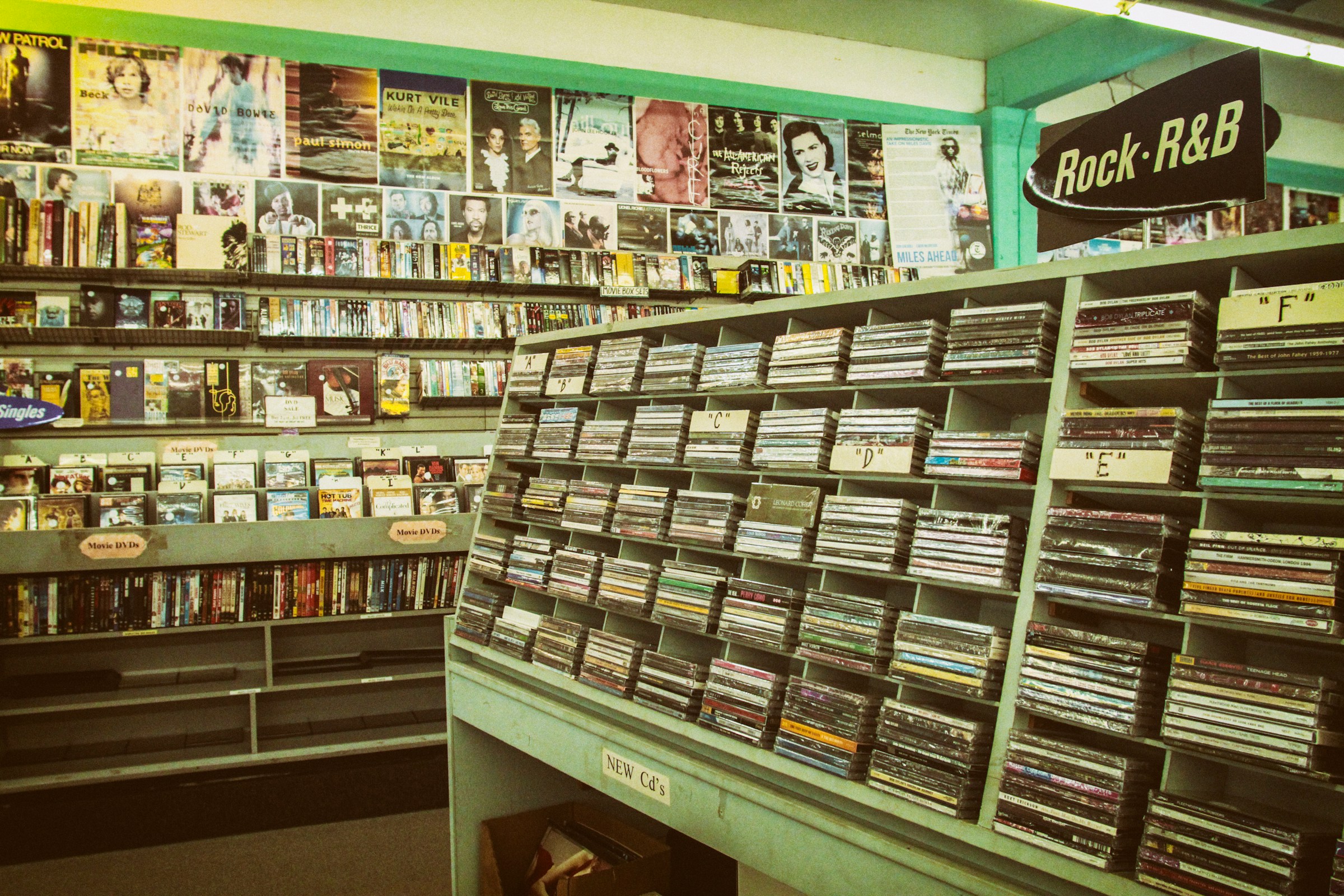
Image Credit: Haupt from Unsplash
Many listeners also prefer to shop for their music in person at local stores rather than online. That extra effort pays off, as record shops can be great places for passionate fans to build friendships and connect over the music they love. And that "shuffle" button on Spotify? I don't think it'll give you that kind of connection.
.jpg)






.jpg)