


France has always been a pioneer in the fashion world. So, it may not come as a surprise that they are the first to introduce a revolutionary bill tackling overconsumption.

Image Credit: amine photographe from Pexels
Creative Fashion at French Landmark, The Louvre
The French Senate quietly set down the terms on June 10th, with 337 votes in favour and just one vote against.
With the legislation affecting multi-national companies, all eyes are on France. But what exactly does this change? Is fast fashion really banned? Here is everything you need to know.
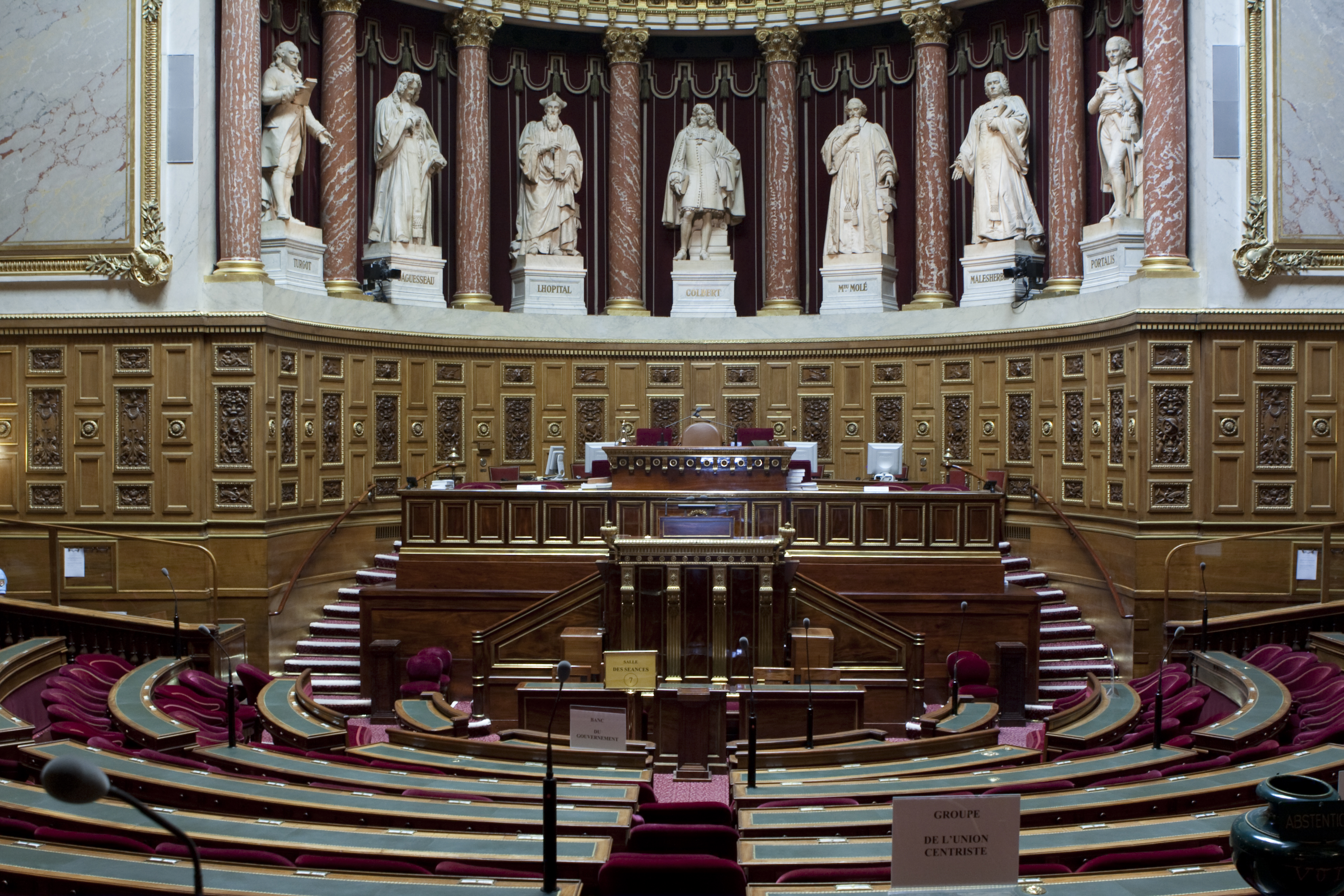
Image credit: Jackintosh from Wikimedia Commons
Let us slide into your dms 🥰
Get notified of top trending articles like this one every week! (we won't spam you)What does the bill say?
A key distinction in the bill is between ultra-fast fashion companies (think Shein and Temu) and traditional fast fashion, such as Zara and H&M.
Shein faces the highest restrictions. The government has introduced a fee per each item sold of five euros (roughly USD$5.80) which will increase to ten euros (roughly USD$10.60) by 2030. This tax is capped at 50% of the item's retail price to ensure prices are not completely unaffordable.
The idea is that the more expensive items are to distribute, the cost will be passed on to the consumer, who, in turn, will buy less. The goal is to slow down fast fashion.
Moreover, advertising ultra-fast fashion is now banned. This includes penalties for French influencers who promote Shein and Temu hauls.
Politicians are also considering measures such as banning free returns and taxing packages imported from outside of the EU, to encourage customers to think before they buy.
Across the board, all fast fashion companies are obligated to provide information about the environmental impact of an item near the product's price. For example, the amount of water used to make an item, the risk of microplastics, and chemical usage will all be available to consumers.
Image Credit: Kaboompics.com from Pexels

Take the Quiz: What Theme Should You Dress for Your Best for Friday Night Lights?
Do you want to stand out in the crowd during football games? Take this quiz to guide you choose an outfit theme for your Friday Night Lights.
Why has this bill been introduced?
In recent years, fast fashion has continued to speed up. Overconsumption is a blazing fire, fuelled by online trends encouraging consumers to buy clothes only to quickly throw them away.
In 2022, newcomer Sheins' value reached $100 billion, surpassing fashion giants H&M and Zara combined. Shein adds as many as 10,000 new items per day to their website, with most being worn less than 10 times before they end up in landfill. With statistics like this, it's clear that ultra-fast fashion is damaging the Earth on an unimaginable scale.
The business model has drawn worldwide criticism, including this artwork from AI Designer, Emanuele Jane.
There's also another reason for the ban: protecting the national economy. Yann Rivoallan, a French Fashion entrepreneur, explained: "The likes of Shein and Temu have destroyed over 13,000 jobs in France. We want to see those brands banned here, so French and other European suppliers can become more creative, more innovative and more sustainable."
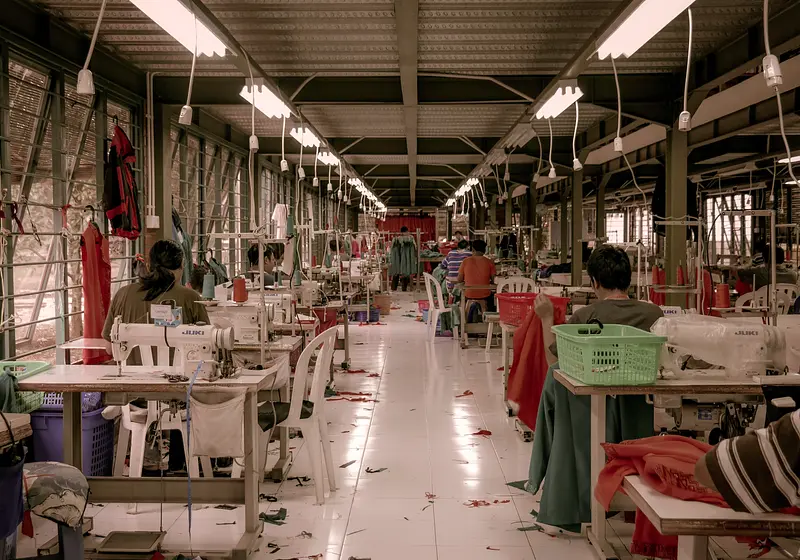
Rivoallan went on to list more issues. He argued that clothes cannot be made on this ultra-fast scale without exploitation in factories, using polyester in big factories and stealing designs.
Image Credit: Markus Spiske from Pexels
Shein fighting back
In retaliation to the Bill gaining more public support, Shein has launched a new campaign. New social media ads spread the message that fashion is a right for everyone, not just a privilege for the rich. This has even been taken up through Shein Bots in comment sections- fake accounts created by the company to praise and promote them.
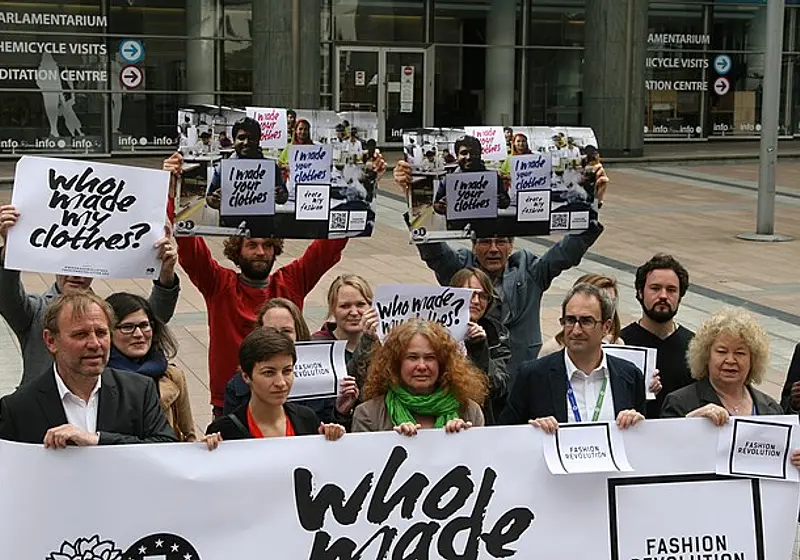
The campaign has brought mixed reactions, with some customers sympathising with the need for affordable clothing. On the flip side, others are criticising how the company's priorities- they champion affordable clothes for their customers, but not decent living standards for their factory workers.
For now, we wait for the legislation to go through later this year and to see how these measures will be enforced.

Image Credit: Markus Winkler from Pexels
Impact of the Bill
It's not often we see positive climate news, which makes the announcement of this ban even more refreshing. Climate campaigners are hoping to see similar steps taken across other European countries.
However, environmental Organisations are resolute that this should just be the beginning. With rules relaxed for European companies such as Zara, many are worried that the bill doesn't go far enough yet to make lasting change.
Moreover, careful monitoring needs to be put in place to make sure legislation is upheld, particularly with Shein's track record of greenwashing.
Most importantly, the Government needs to look out for loopholes.
Victoria Satto is an entrepreneur who founded The Good Goods- a creative studio which pushes for decarbonisation and sustainable practices in the fashion industry. She argued that the bill may be just a first step, but it's still a monumental one.
She said: "We know that this law will not solve everything. Nevertheless, it's already a fabulous door that's been opened."
The global fashion world is interconnected. What could this mean for the future?

Image Credit: Aliaksei Smalenski from Pexels
These steps could mark a shift in consumers' priorities- from quantity to quality. Will designers become more creative when they're no longer racing to drop the weekly haul? Will our planet begin to heal?
Only time will tell.