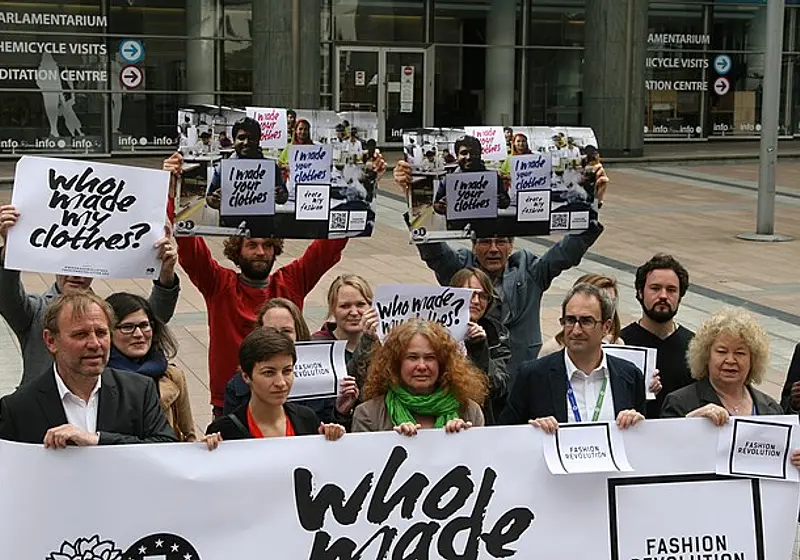






Can you keep up with trends? I know I sure can't, especially not my bank account. When fashion trends come and go on social media, everyone wants to keep up.
But at what cost, though? Consumers look for the best dupe possible for the lowest price at the expense of exploited workers and our environment. Fast fashion is waiting for the next mirco-trends they can produce for low cost, and consumers fall right into it.
What Is Fast Fashion?
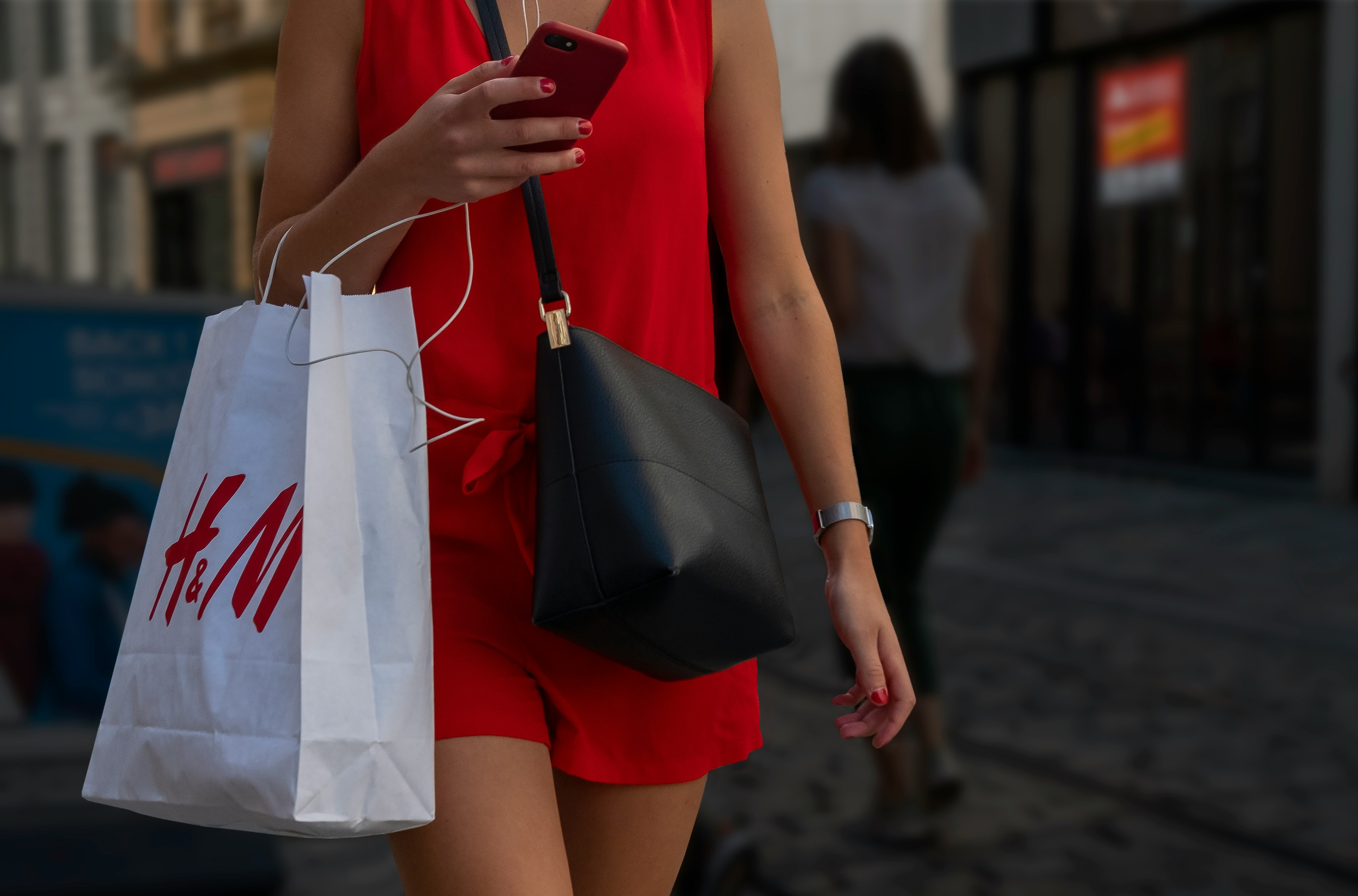
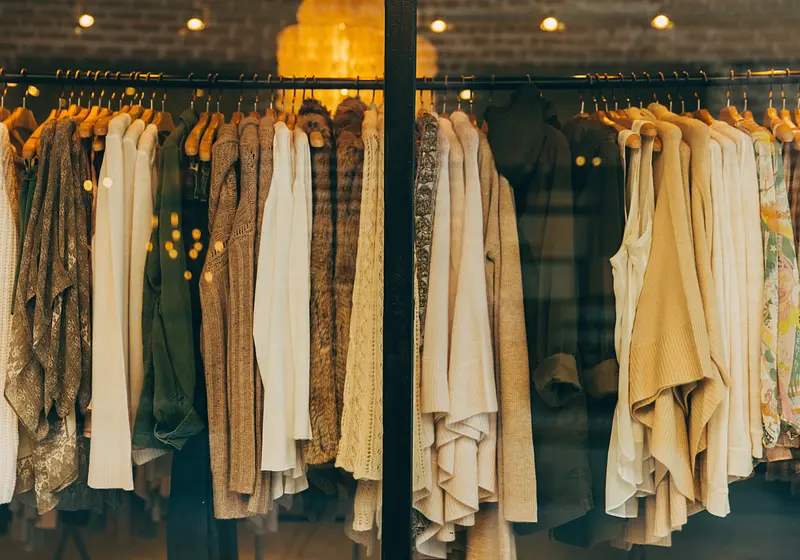
Image Credit: Photo by Fernand De Canne on Unsplash
It’s in the name, fast fashion is the rapid production of clothing for low cost. It is meant to keep up with all the latest trends and encourages overconsumptions. Unexpectedly, it is not a new business model, it started in the 1970s.
Companies would use production in low cost countries to make cheaper clothes. The term was coined by the New York Times in the 1990s when brands like Zara became mainstream and noticed the rapid production cycles. Before we knew it, there were other clothing companies such as Forever 21, H&M, and Shein following this model.
The Workers Behind The Brand
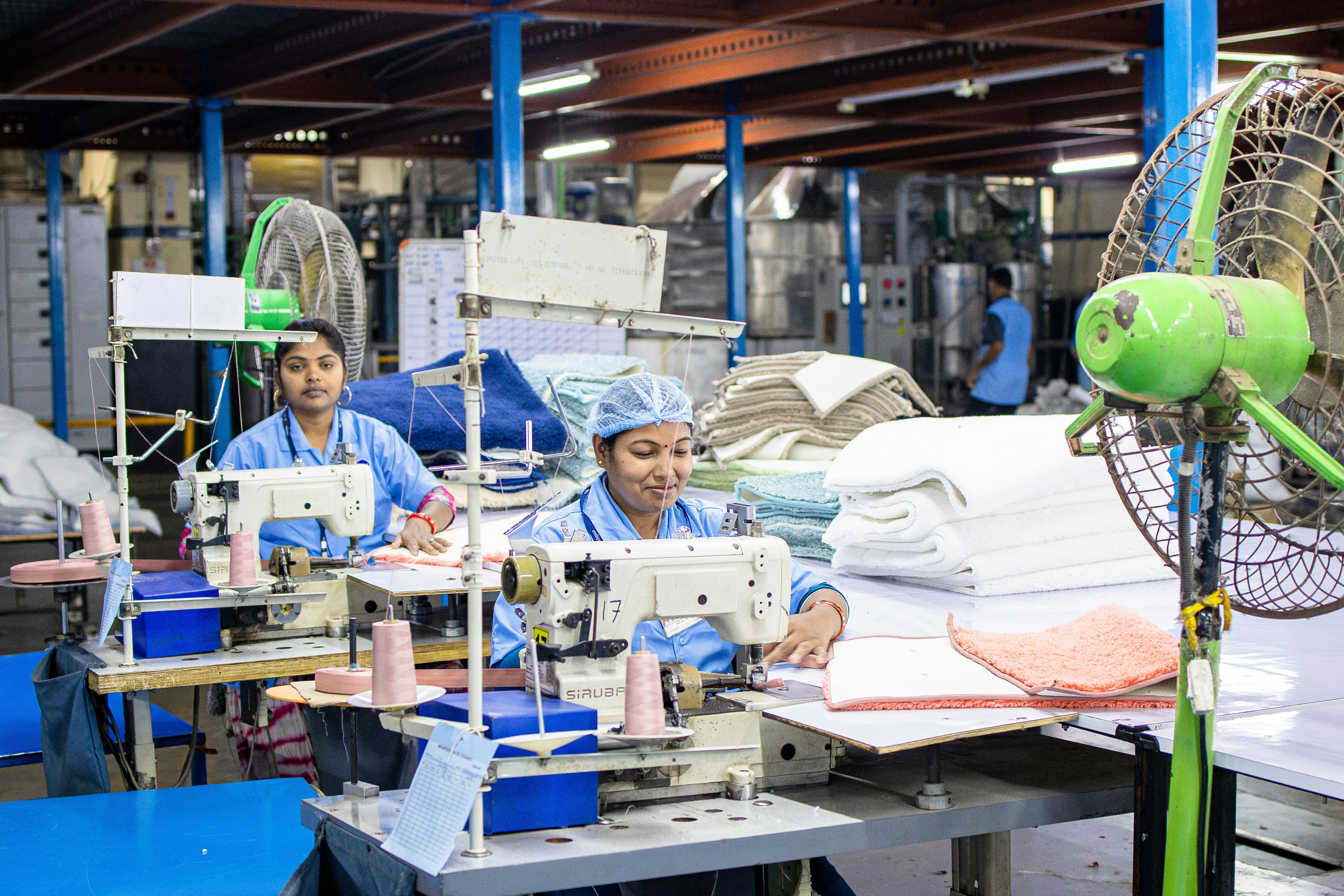
Image Credit: Photo by EqualStock on Unsplash
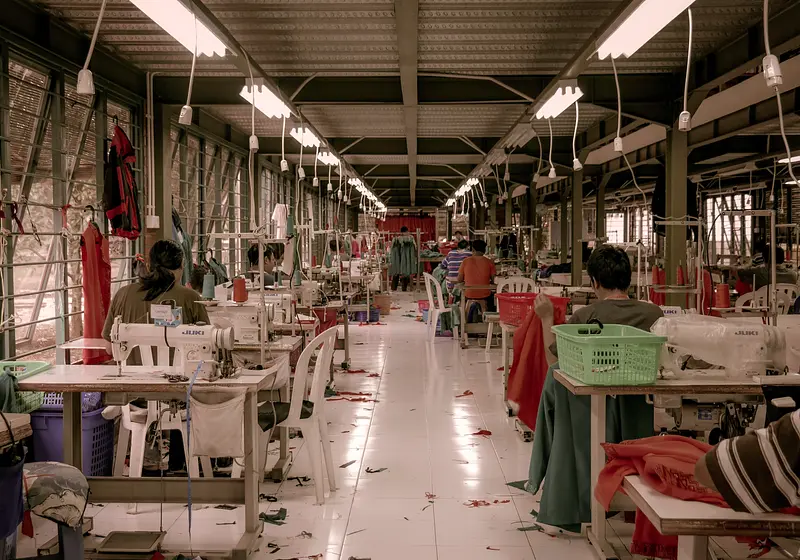
No designer waves a magical wand at their sketch, and poof, a beautiful gown appears. There are people of all sorts of backgrounds, ranging from stylists to textile designers––after all fashion is a form of art, or at least it is supposed to be. Yet, this is not the behind-the-scenes for fast fashion.
Instead, they take the term garment workers. They are people who often work in factories or workshops that cut, sew, and assemble garments. They work in unsafe working conditions, and only 2% of worldwide workers make a livable wage. It wasn’t until the collapse of the Rana Plaza factory in Bangladesh that the exploitation of this whole industry came into the spotlight in 2013. And the cherry on top is “This exploitation disproportionately impacts women, who make up approximately 75% of garment workers, primarily aged 18 to 35.”
These women face sexual harassment and gender discrimination while working 60-70 hours to make a barely livable wage. In addition to that, it also highly relies on child labor. We all know the cause of this, such as poverty, and the effects, like rights to education, health issues, and protection limitations, and the list could go on. But no matter the millions of people that are exploited in third-world countries, all it takes is for consumers to press ‘buy now.'
Who Benefits from Fast Fashion?

Image Credit: Photo by appshunter.io on Unsplash
It is no secret that the industry or countries exploiting these workers can raise their GDP. In fact, Environmental Impact of Fast Fashion Statistics (2025) states “Fast fashion is now a $150.82 billion industry, it has grown by 10.74% from 2024 and is further estimated to reach $291.1 billion by 2032.”
We can be mad at these statistics and companies all we want but this industry would not be growing if it weren’t for the consumers constantly overconsuming. All these mirco-trends and the influence of social media encourages these impulse buys. It’s not like everyone is completely oblivious to the landfills their clothes end up in within a couple of months or the conditions these workers are in.
There’ve been videos, documentaries, articles, and even memes. So yes, these companies benefit from fast fashion, but so do consumers.
Slow Policy
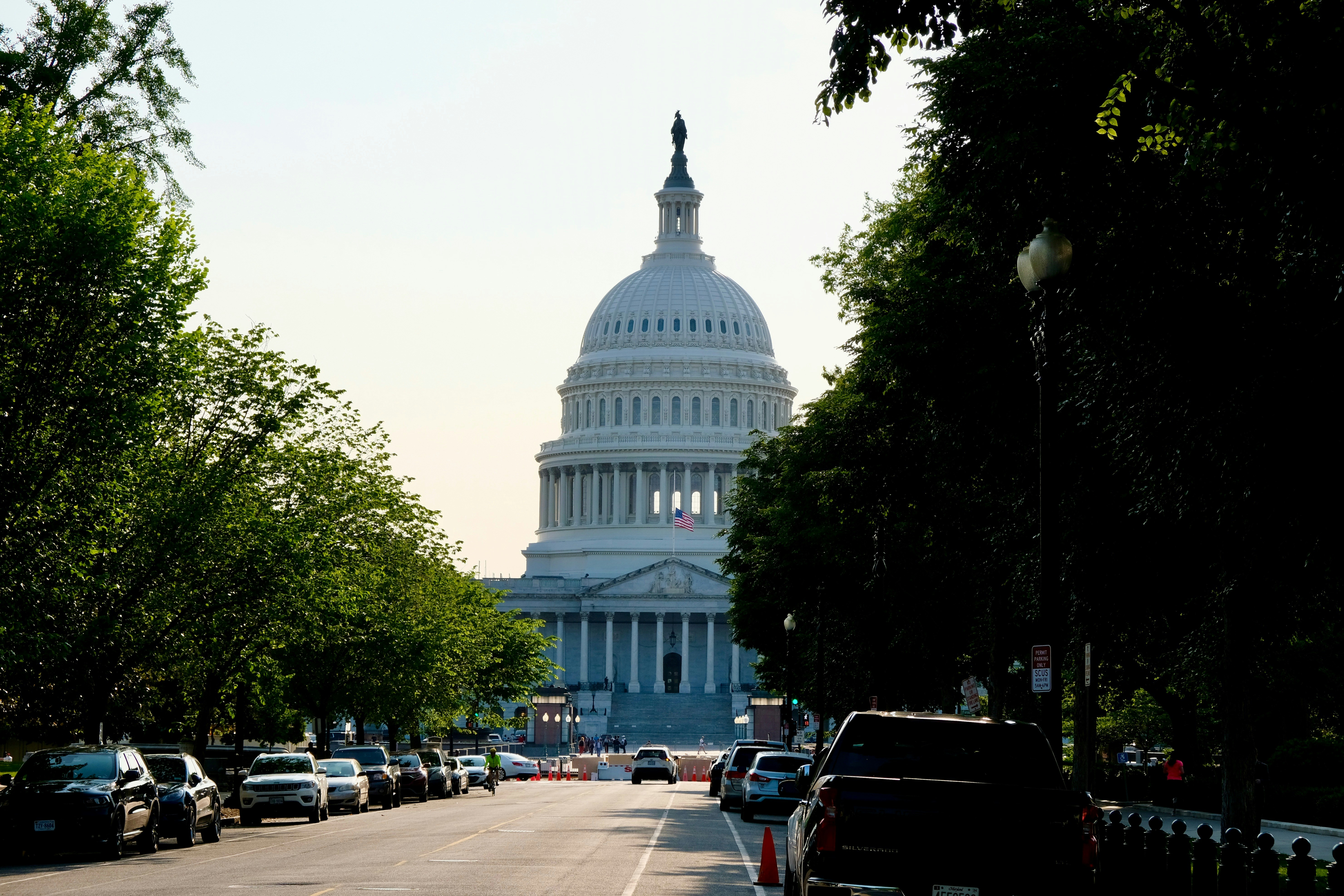
Image Credit: Photo by Sara Cottle on Unsplash
So if consumers won’t stop, the best next thing is lawmakers. They can ensure safer conditions or completely ban fast fashion. After the catastrophic event in Bangladesh that killed over a thousand workers, the International Labor Organization led the National Tripartite Plan of Action on Fire Safety and Structural Integrity, The European company-led Accord on Fire and Building Safety in Bangladesh, and the US company-led Alliance for Bangladesh Worker Safety.
As for states, they seem to be proposing and setting up acts; according to 2021, California’s Garment Worker Protection Act was placed, making it the first U.S. state to require hourly wages for garment workers and prohibiting systems enforcing low pay rates. As well as California’s Responsible Textile Recovery Act in 2024, the first Extended Producer Responsibility (EPR) program for textiles in the U.S., making apparel producers responsible for the collection, reuse, repair, and recycling of their products.
As for New York, they proposed a fashion act that aims to hold large fashion companies accountable by requiring them to disclose their supply chains, environmental and social impacts, and set binding targets for reducing negative effects like greenhouse gas emissions. Last but not least, Washington State's Fast Fashion Regulation Bill (2027): requires companies to map at least 50% of their supply chain, disclose environmental damage hotspots, and address low wages. There seems to be hope for a better environment and conditions for workers.
The Catch Up Game and Grey Areas
As you can see, it is not a losing battle. Although consumers are a leading factor on this, they are trying to be more mindful and stop shopping fast fashion. We are moving in the right steps but is it enough?
Well, only time and numbers can tell. But countries like France are pushing to ban fast-fashion putting penalties on consumering buying from fast fashion brands. There should be consideration for the lack of better job opportunities for third world countries. It leaves a grey area because if these garment workers were to be fired where would they go?
Many people in third world countries rely on jobs like these no matter how unsafe conditions are or the low pay, it is all they have. That’s the least of peoples worries though because it is not like the U.S. for instance is banning fast fashion they are just putting restrictions and making it more comfortable for workers, all while trying to combat environmental challenges. Policy and Lawmakers sure do have a lot to think about and so do Gen Z since they are the number one consumers of fast fashion.