





July 20’s House of Councillors election was supposed to be routine—just half the upper-chamber seats on the line. Instead, Japan woke up to its weakest ruling coalition since the 1990s and a parliament in which hard-edge nationalists suddenly matter.
Prime Minister Shigeru Ishiba’s Liberal Democratic Party (LDP) and its junior partner Komeito secured only forty-seven of the 125 seats at stake, leaving them three shy of a chamber majority once hold-over members are added. The bigger jolt came from Sanseito, a right-wing populist party that exploded from one seat to fifteen on a “Japan First” platform built around anti-immigration promises and internet-amplified culture wars.

Image Credit: 自由民主党 from Wikimedia Commons
Let us slide into your dms 🥰
Get notified of top trending articles like this one every week! (we won't spam you)Why a Fringe Slogan Went Mainstream
Three overlapping crises primed voters for inward-looking answers. First, money: Japan is grappling with its worst inflation, and rice prices—symbolic as well as practical—have doubled. Wages lag far behind, so when Sanseito blamed “global elites” and foreign workers, the refrain landed.
Second, trade tension: U.S. tariffs on Japanese exports take effect August 1 unless Tokyo offers concessions on rice and autos, feeding a sense that Japan is being strong-armed. Third, demography: to plug labor gaps, the government has admitted a million foreign workers in three years. They still comprise only three percent of the population, but their visibility in small towns and night-shift convenience stores makes the country’s cultural homogeneity feel fragile for some voters.
Populists wove these threads into a narrative of cultural erosion. Allegations that Russian bots pushed the same talking points online remind us that in the digital age, nationalism can be engineered as much as it is felt.
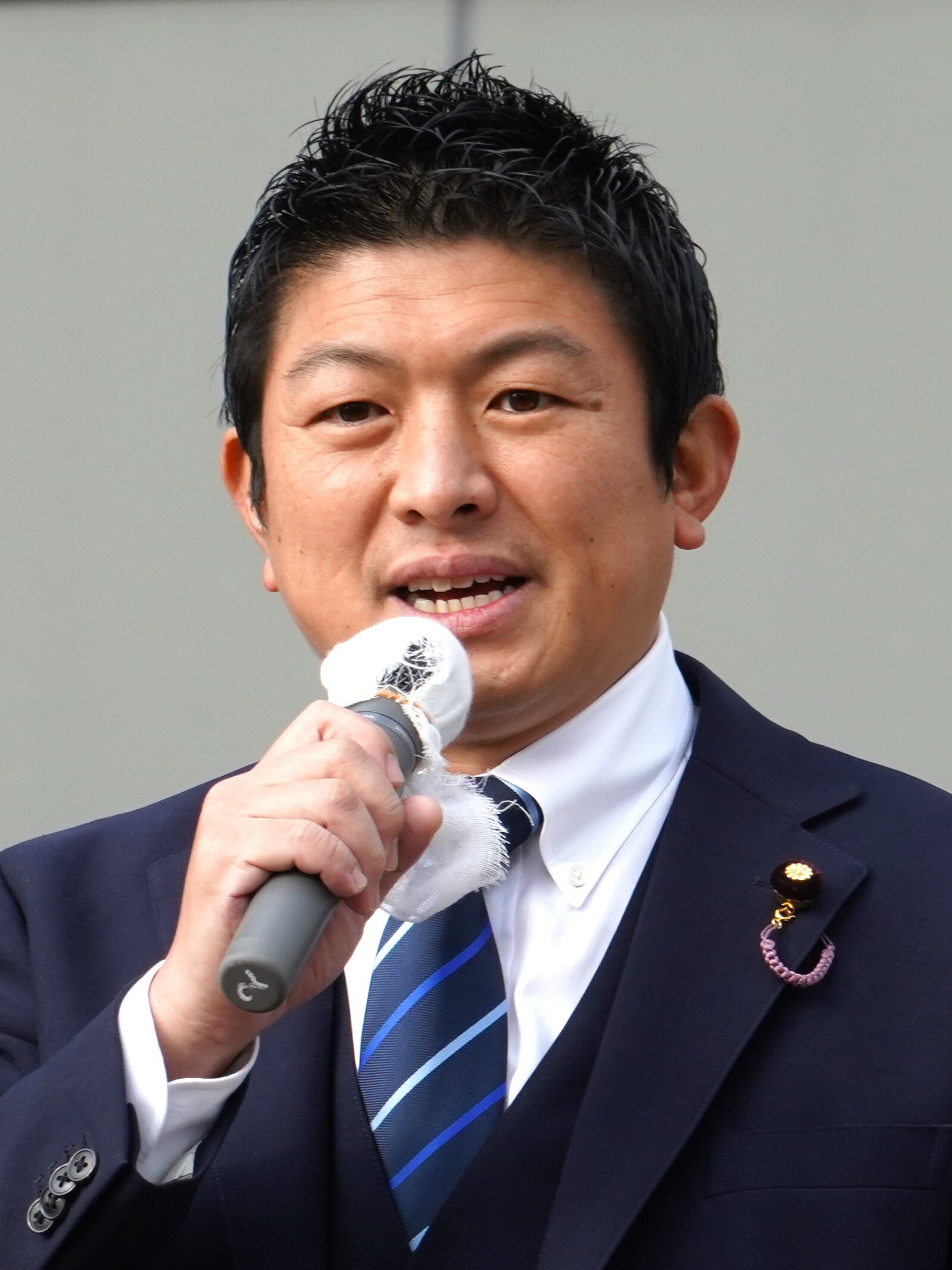
Image Credit: Noukei314 from Wikimedia Commons
Take the Quiz: What Kind of Political Personality Are You?
Ever wondered what role you’d play in the political world? Take this fun quiz to find out!
A Youth Vote Split in Two Directions
Turnout figures are still trickling in, yet exit polls already show young voters punched above their usual weight—and not in one direction. Many under-30s gravitated to the centrist Democratic Party for the People (DPFP), which jumped from four seats to seventeen by promising fatter paychecks. Others responded to Sanseito’s call for stricter borders and “traditional” values. That divergence mirrors a global Gen Z paradox: we are the most connected cohort in history, but institutional failure—on wages, climate anxiety, or pandemic fallout—can drive us toward either inclusive reform or defensive tribalism.
As a teen journalist, I find that split both worrying and empowering. It proves our generation is decisive enough to swing elections; it also warns that if mainstream parties ignore young people’s material anxieties, they leave a vacuum extremists can fill.
A Wider Regional Echo
Japan is hardly alone in walking the tightrope between economic openness and cultural self-preservation. Across East Asia, export-driven prosperity relies on both global trade and, increasingly, foreign labor—forces that can unsettle long-standing ideas about who “belongs.” South Korea’s debates over rice-import quotas and migrant-worker visas, Taiwan’s discussions about Southeast-Asian caregivers, and Singapore’s perennial arguments over hiring quotas all point to the same dilemma: how do you protect local livelihoods without turning national identity into a gated club?
Political philosophers often contrast civic nationalism, which roots belonging in shared democratic values, with ethnic nationalism, which ties it to ancestry. Most of the region’s success stories have thrived when they leaned toward the civic end of that spectrum. Japan now faces a choice: channel frustration into a broader sense of community that welcomes newcomers who contribute, or slide toward a narrower “us versus them” narrative. The stakes aren’t just economic—they’re moral. Pride becomes peril when it shifts from “We care for our neighbors” to “Only people like us count.”
Political Aftershocks in Tokyo
Japan’s upper house cannot topple a prime minister, but it can block budgets and rewrite bills, meaning gridlock is ahead. Ishiba—already wounded by a scandal involving gift vouchers to MPs—insists he will stay, yet rival LDP factions smell blood. If the party cannot recover trust quickly, it may shuffle leaders or court new partners, all while inflation and tariff deadlines loom. Citizens frustrated by drift might grow even more receptive to simple answers that begin with closing doors.
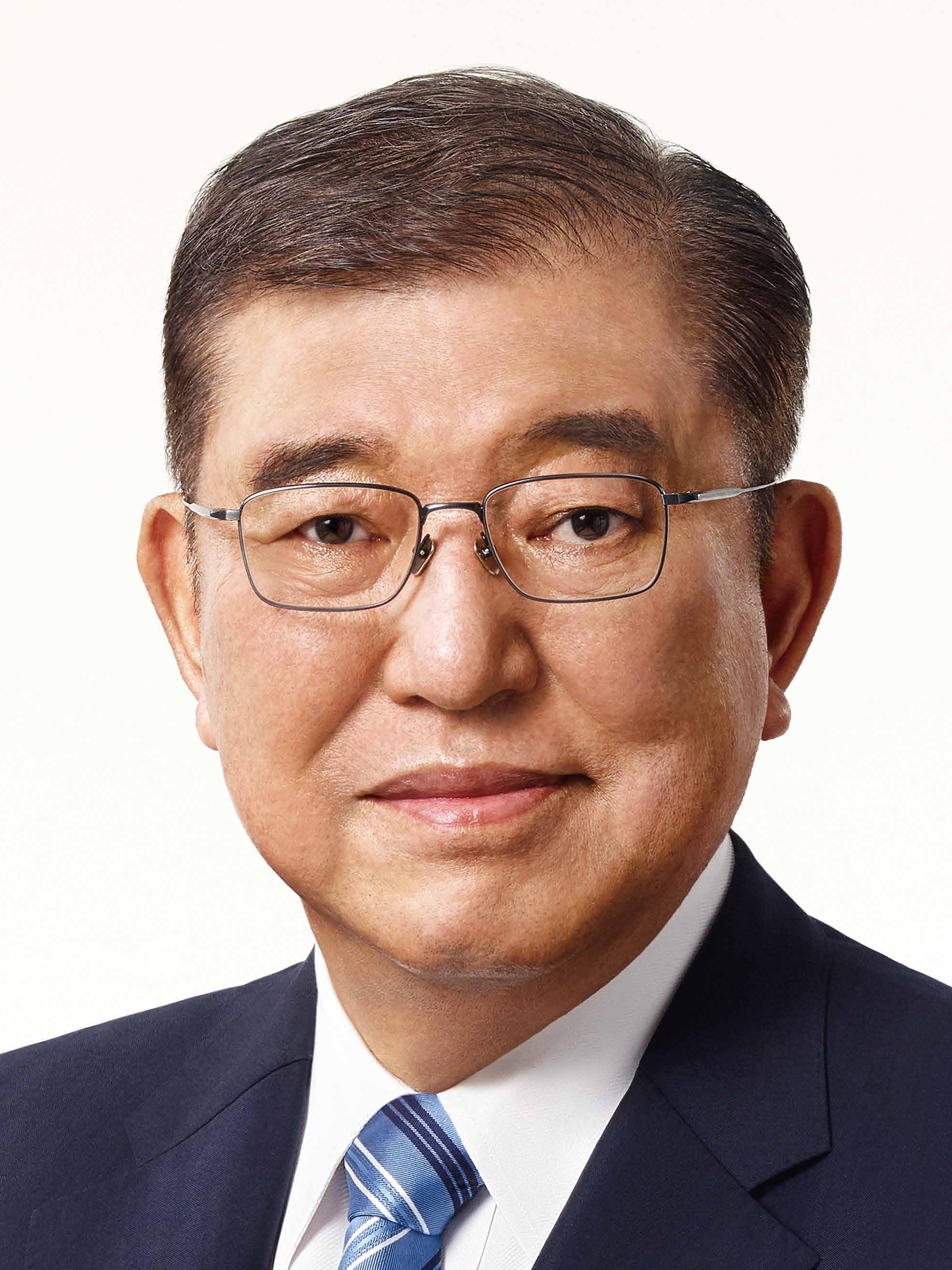
Image Credit: 内閣官房内閣広報室 from Wikimedia Commons
Democracy’s Stress Test
Populist surges are rarely isolated. They mark pressure points where economic pain, cultural change, and information disorder intersect. But July 20 also produced hopeful data: a record number of women won seats, and millions of first-time voters refused apathy. Democracy, in other words, showed fractures and flexibility at once. Whether the cracks spread or heal will depend on how parties respond—through scapegoating or problem-solving, exclusion or dialogue.
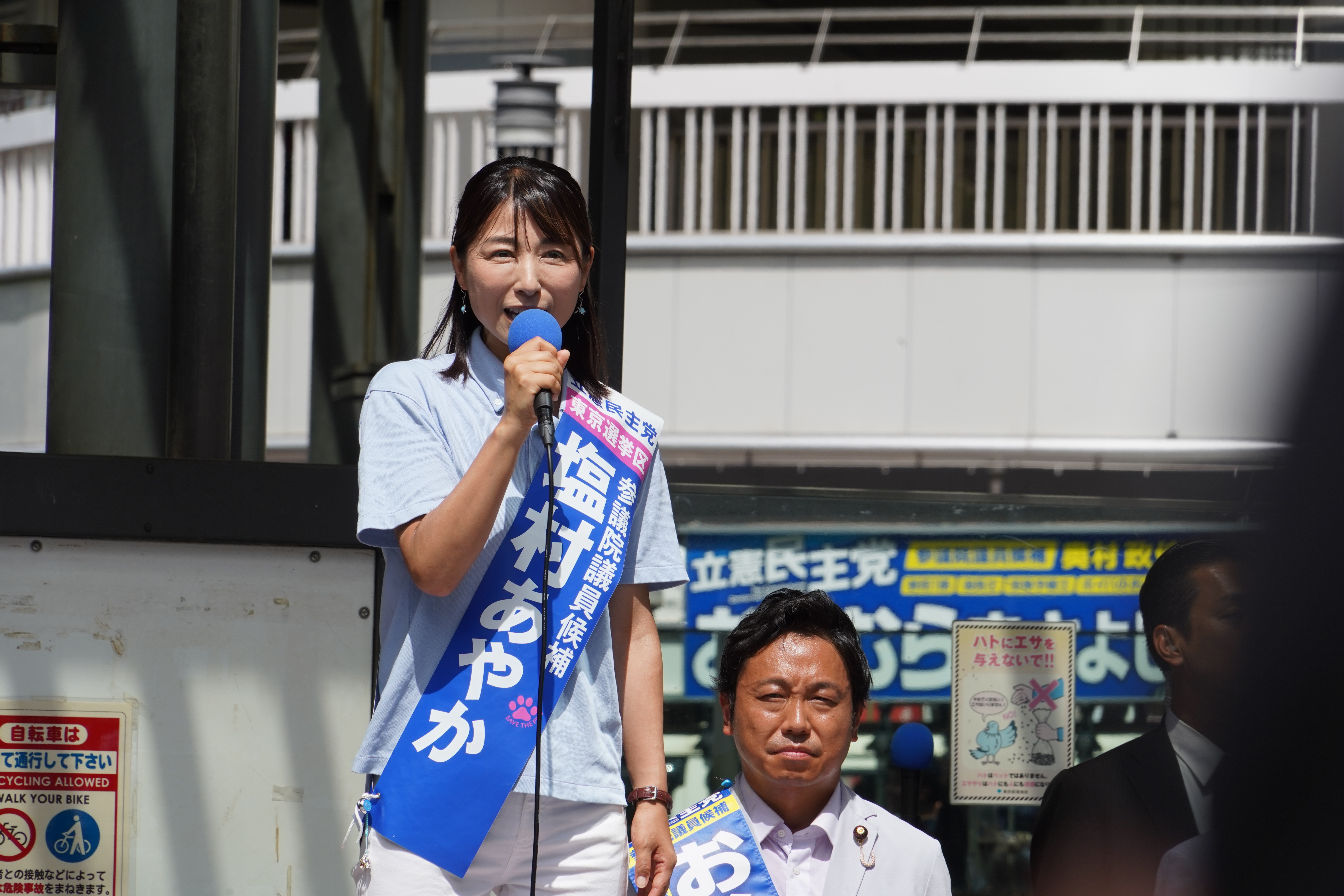
Image Credit: Noukei314 from Wikimedia Commons
What Teens Everywhere Should Take Away
In the United States we will vote in midterms next year; in Korea, eighteen-year-olds already cast ballots. Japan’s election is a reminder that high-school halls and college quads are now strategic battlegrounds for ideas about identity and fairness. Our job is bigger than retweeting memes.
We need to register, research, ask hard questions at candidate forums, and—crucially—interrogate our own motives. Are we acting from solidarity, convinced that another person’s gain can expand the pie, or from fear that someone else’s advance shrinks our slice? Political theorists from Aristotle to Dr. Martin Luther King Jr. stress the same point: democracies survive only when citizens see one another as partners, not rivals.
The Path Forward
Japan’s “Japanese First” moment could spiral into fortress politics or spark a revitalized, more inclusive nationalism grounded in civic responsibility. Sanseito’s rise is a warning, not destiny. If mainstream leaders deliver on wages, transparency, and real cultural dialogue—including honest talk about immigration’s costs and benefits—they can undercut the appeal of zero-sum slogans.
For those of us still in school, the upshot is sobering and thrilling. Our votes can legitimize xenophobia—or can push governments toward solutions that respect heritage while embracing the wider world. The next chapter, in Japan and beyond, will be written by whether we choose curiosity over fear, community over resentment, and action over apathy. The ballot box is waiting.

.jpg)



.jpg)

.svg)
_(cropped).jpg)
.jpg)
.jpg)