




.jpg)

Washington is once again on the edge of chaos as the government threatens to stop. Thousands of workers are underpaid, and important services are suspended when Congress cannot agree on a government budget. These conflicts disrupt daily life and weaken public trust in leadership. As the 2025 deadline approaches, the country waits anxiously for lawmakers to reach common ground.
Let us slide into your dms 🥰
Get notified of top trending articles like this one every week! (we won't spam you)What Is a Government Shutdown?
As October 2025 unfolds, Washington once again faces a government shutdown, a recurring crisis that highlights the growing and deepening disagreement in Congress. A shutdown happens when lawmakers are unable to pass a temporary financing measure or federal budget, forcing parts of the government to shut down. While thousands of government workers are sent home unpaid, critical functions like emergency medical services, air traffic control, and national security continue to function.
The effects of a shutdown extend well beyond the congressional hallways. For example, during the longest shutdown in U.S. history, which lasted from 2018 to 2019, more than 800,000 federal employees were unpaid for weeks, and services such as loan processing and housing programs were suspended. These interruptions illustrate the growing concern of how regular Americans who rely on the stable operation of public institutions are directly impacted by government inaction.
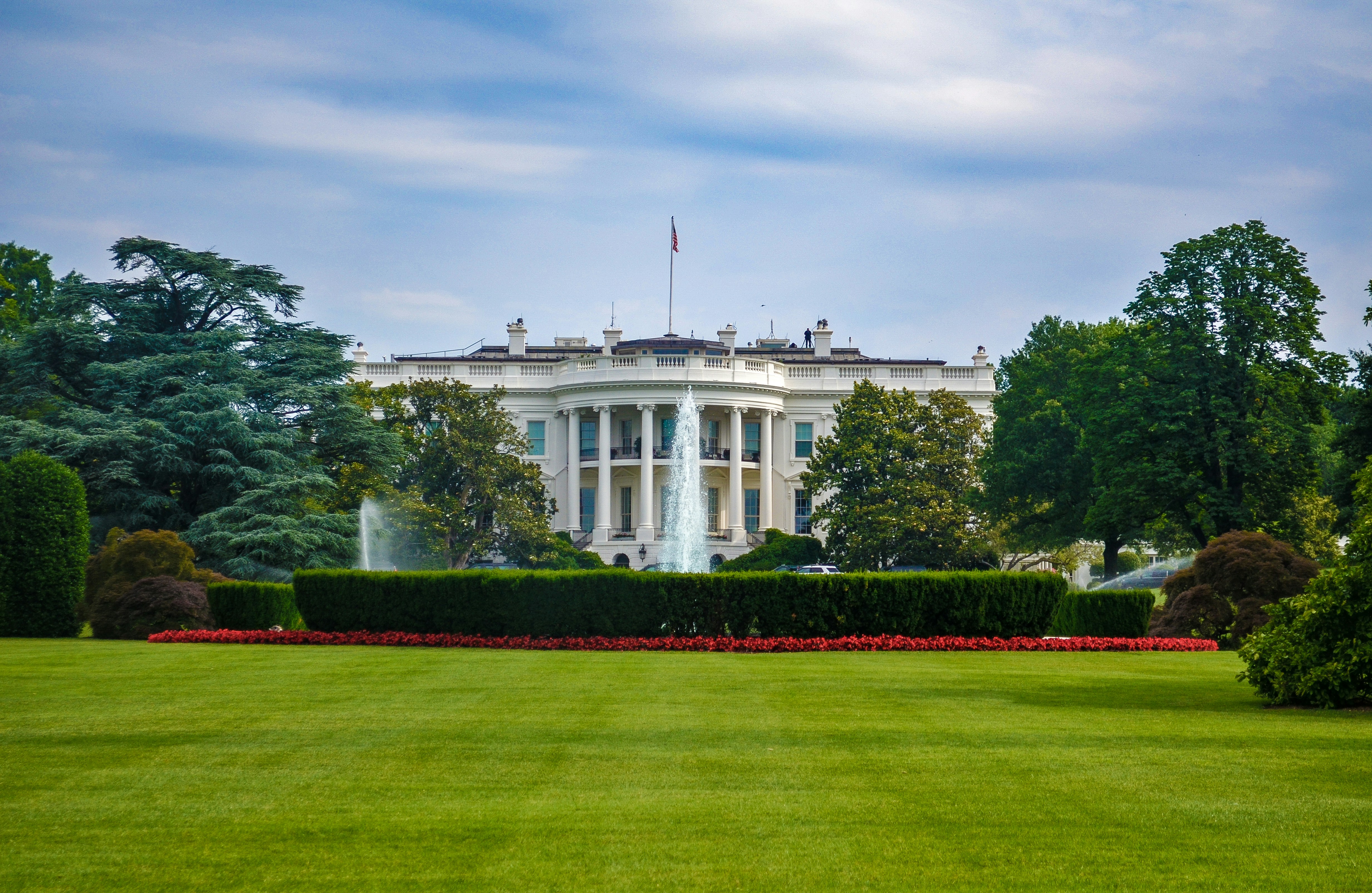
Image Credit: David Everett Strickler from Unsplash
Take the Quiz: What Kind of Political Personality Are You?
Ever wondered what role you’d play in the political world? Take this fun quiz to find out!
Why Do Shutdowns Happen?
At the core of the problem is a crucial argument about how the federal government should use taxpayer funds. The White House and Congress are at war on spending priorities, which is the root of this year's budget gridlock. Politicians disagree about how much money should be allocated to social programs, defense, and climate projects. Both parties are attempting to use the budget process to further their political goals as the election year approaches.
Some politicians exploit the shutdown threat to gain pressure on irrelevant policy concerns such as immigration reform or tax cuts, rather than attempting to establish common ground. As a result, it often turns passing a budget, which is supposed to be a normal task, has become a political battleground.
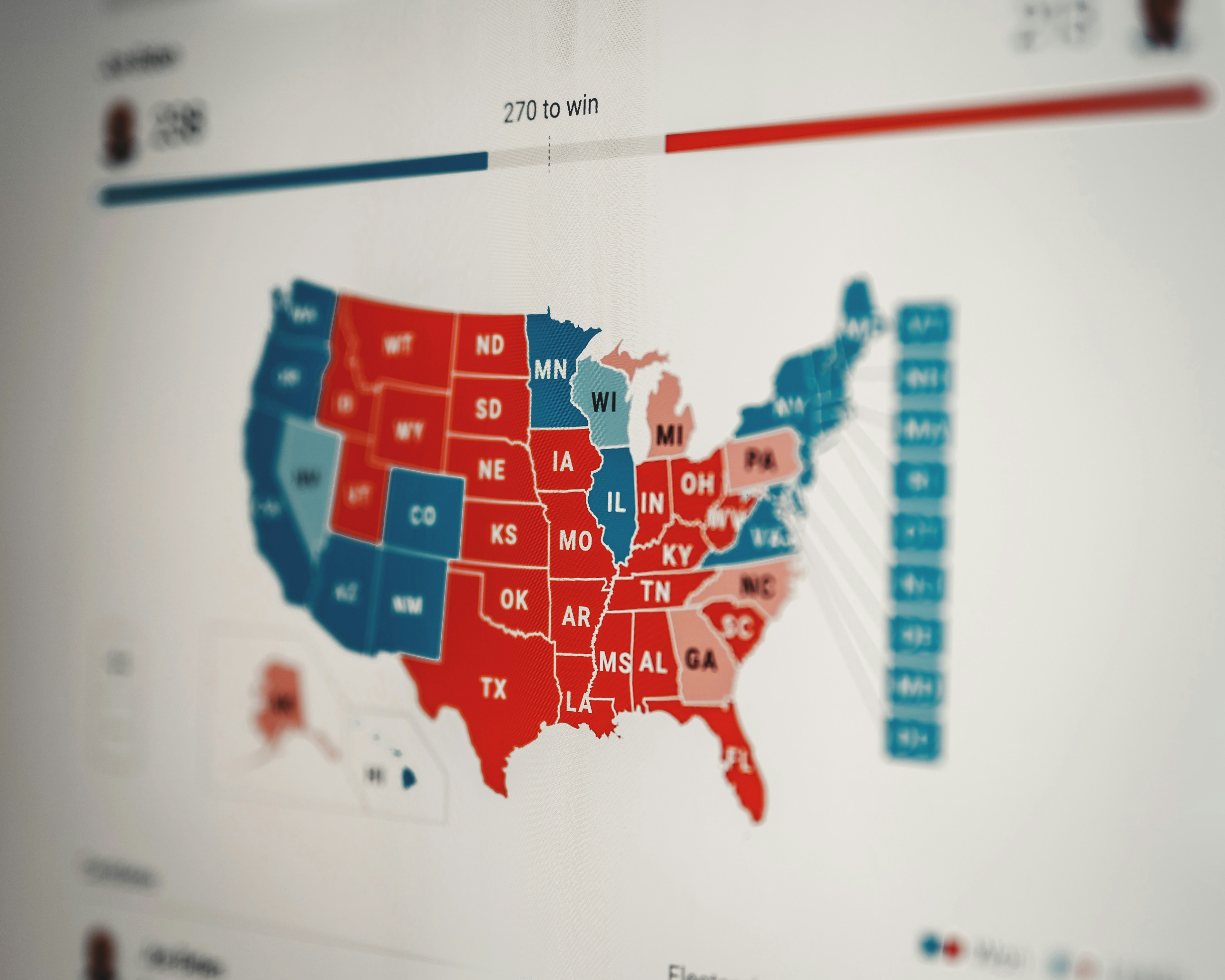
Image Credit: Clay Banks from Unsplash
The Economic and Social Impact
The effects of a government shutdown extend well beyond Washington. Almost instantly, the economy is impacted when the government shuts down. Previous shutdowns have cost the American economy billions of dollars due to lost production and postponed federal contracts. Payrolls are missed by federal employees, residents lose access to critical services, and small businesses that depend on government operations face difficulties.
The Congressional Budget Office has already estimated that the 2019 shutdown cost the American economy approximately $11 billion, including $3 billion in irreversible losses.
Not only economically, but shutdowns have significant social costs. They send a message that the government is unreliable and that political power struggles outweigh the needs of the people. This gridlock causes a snowball effect as frequent shutdowns damage public confidence in government agencies. The shutdowns make American citizens think about politicians' real intentions towards the citizens of the country and whether it will truly benefit everyone, not just those in power.

Image Credit: Towfiqu Barbhuiya from Unsplash
A Deeper Political Problem
Shutdowns are just the label behind the real, bigger problem in American democracy: polarization. The House, Senate, and President must work together to complete the U.S. budget process, but consensus has been less common than ever. Many politicians fear that reaching across to cooperate with the opposite side will make them appear weak to their base. As a result, gridlock has become the new normal.
Not only are there debates between the politicians, but also between the citizens of the country. Americans are frequently divided regarding the role of government in people's lives. While some argue the budget process should be completely reformed, others argue that voters demand stability above polarization and hold leaders accountable.
The only thing that everyone agrees on and has become clear to American citizens is that the ongoing gridlock does not benefit the people of the country. The American people suffer when politicians prioritize making political points over finding solutions to issues. This has not only become a crisis of governance but also a crisis of trust that the legislators will act in the best interests of the people they represent.
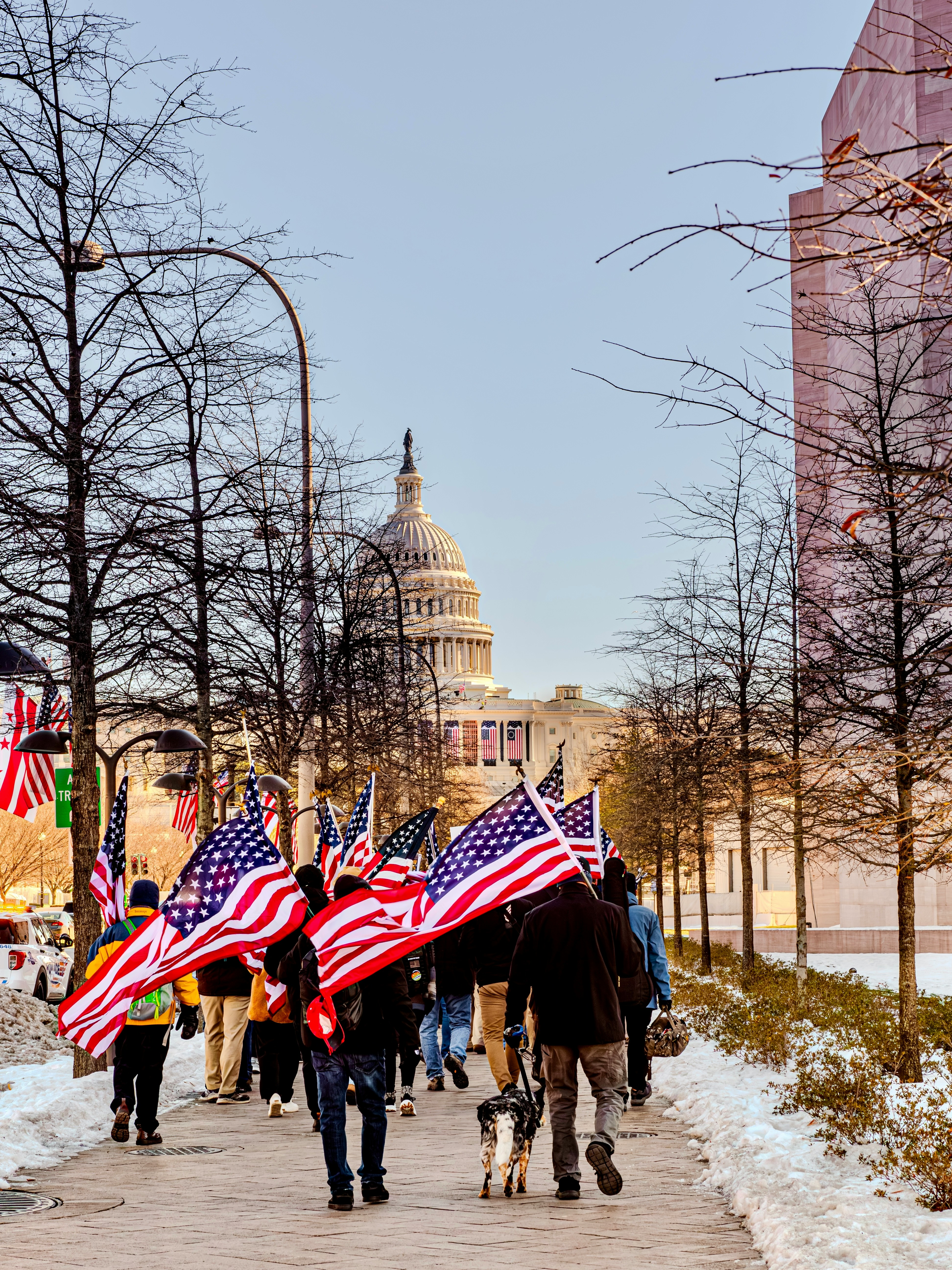
Image Credit: Sebastian Schuster from Unsplash
America’s Future
Government shutdowns are not only temporary political fights but also show how successfully or poorly democracy works. They challenge elected officials' capacity for responsible leadership and cooperation in the face of disagreement to the test. If government leaders cannot work together to complete a basic duty like passing a budget, it raises a deeper question about whether the government is fit to lead a stable and prosperous nation.
The consequences reach far into the future. Shutdowns harm the US's reputation as a stable democracy and portray us as a weak nation. Shutdowns also influence young people's political perspectives. These situations make many students and first-time voters doubt if leaders genuinely care about the people they represent.
While America’s future is unpredictable, future voters and young people must comprehend these deadlocks. America’s future is on the line as our economy and schools are both impacted by the decisions made in Washington. If lawmakers start prioritizing compromise over gridlock, the country can overcome these crises; if not, regular Americans will bear the true price.
However, there is still a light of hope at the end of the tunnel. Younger generations and future voters have the ability to demand better. They have the ability to promote change towards a oward a government that prioritizes growth over polarization and compromise over chaos.


