





Introduction
“I visualise a time when we will be to robots what dogs are to humans, and I’m rooting for the machines.” Claude Shannon
Convention, informative, helpful, and polite are all words that can be used to describe AI (artificial intelligence). Still, other possible words could be applied as well, such as inaccurate, vague, misleading, and also harmful. From ChatGPT writing your English essay to Otter.ai transcribing lectures for you, AI has become increasingly integrated into our school lives. While AI can be useful at times, it also makes us lazier and less willing to put in the effort to understand material that isn’t simple and broken down for us.
AI can be used to summarize articles online for research purposes, allowing us to spend less time reading lengthy, hard-to-understand research papers. But at the same time, if we never read these articles, we will never understand them. Furthermore, AI has been found to be inaccurate even with common-sense things like buying goods online. So does AI do more harm than good?

Image Credit: Kit(formerly ConvertKit) from Unsplash
Let us slide into your dms 🥰
Get notified of top trending articles like this one every week! (we won't spam you)Shortened Attention Span
We have constantly been told that social media is eating away at our ability to focus for long periods of time. Even songs have gotten shorter to accommodate our lacklustre performance. For example, the popular song “Beautiful Things” by Benson Boone, released in 2024, is only 3 minutes and 1 second long.
When compared to the popular 2000s song “Yeah!” by Usher at 4 minutes 11 seconds, it seems short. These days, with social media, only a few minutes of doing absolutely nothing seems like a lifetime. This need for constant dopamine rewards, as scientists call them, is playing into our studying.
Instead of working on hard concepts, students are starting to use AI to explain the content or questions for them. Instead of working collaboratively, people are using their AI companion to fill in the gaps. This leads to students thinking they understand content when they actually don’t.
AI overviews are similar; instead of us trying to find information on our own, we find ourselves reading the overview. When our teachers ask for citations, we often have to struggle to find the information. With AI overviews being tailored for the individual and even a single reload of the search leading to different information, it makes it difficult to know if the AI's found are accurate.

Image Credit: Ramsha Asad from Unsplash

Take the Quiz: Which Fall Activity Should You Try Next?
Fall is full of exciting activities to match your vibe! This quiz will help you discover the perfect way to enjoy the season.
Don’ts Of AI
1. Don’t Use AI to Summarize
While it may be tempting to just use AI to summarize your weekly readings, it can actually harm you academically. If you summarize using AI, you may lose important concepts and struggle to read longer passages in the future.
2. Don’t Use AI to Write
AI can easily write essays for us, and many believe you can just modify it so the teacher can’t verify it’s AI, but it hurts you in the long run. If you are taking AP courses, for example, the majority of the courses require essays, such as an LEQ. If you use AI, you will struggle on those exams as you aren’t accustomed to writing on your own.
3. Don’t Use AI for Research
Tempting as it may seem, using AI can generate inaccurate information and use websites that our teachers would like us to avoid. Generally, it is a good idea to continue using trusted websites that are sponsored by nonprofits and well-known research institutions instead of the AI overview.
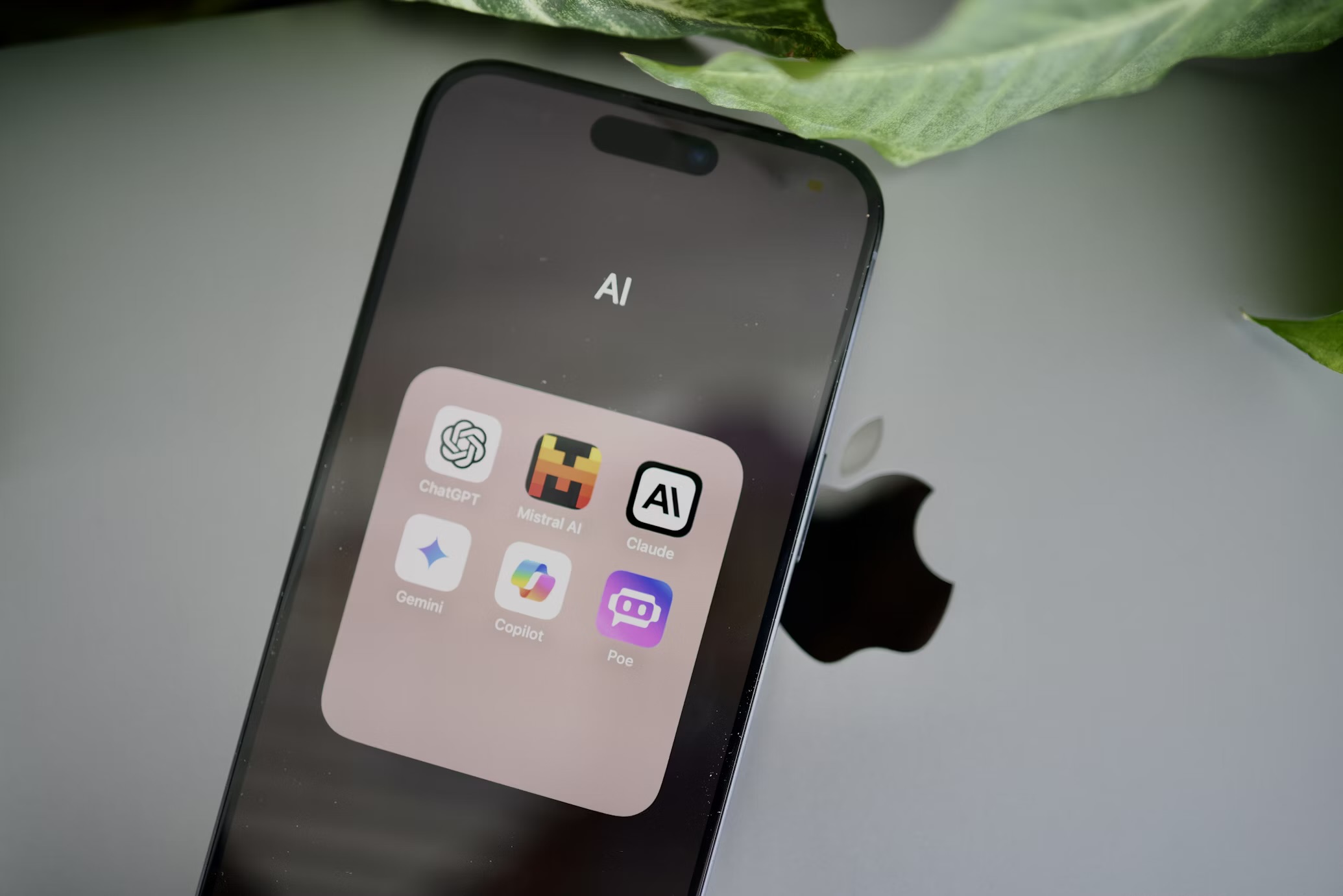
Image Credit: Solen Feyissa from Unsplash
Dos of AI
1. Help with Math
Since AI is a computer, it is not difficult for it to help you with your math homework, and it can help you understand how to solve the equation in an easier manner. It is still important, however, to check which sites AI is using, as it may be using information from a math problem that is very similar to the problem you are asking. I’ve learned the hard way by copying AP Physics questions into the search bar.
2. Creation of Neat Slides
This can be extremely helpful when you need to make a visually appealing slide presentation but have no artistic talents whatsoever. These days, AI can be used to generate images and help with the appearance of your work. I especially love Canva and Adobe Spark.
3. Creation of Quizzes or Tests
For me, I find it extremely helpful to have my notes and be able to dump them into software such as Quizlet to get tests ready to try out. They often can make you see patterns faster and sometimes include new information that will be helpful for your exam.

Image Credit: Vitaly Gariev from Unsplash
Conclusion
While I believe that AI can be used productively by students, many sacrifice important learning for convenience. This results in unintentionally harming their brains’ ability to process information and a decrease in understanding. Someone who constantly uses Grammarly, for example, may never learn proper punctuation since AI has done it for them.
The use of AI, I believe, needs to be studied more to fully understand how it can be the best tool for us. This will allow both teachers and students to comprehend the use of AI and what limits need to be set.

Image Credit: Element5Digital from Unsplash


