




When you think of political debates about the environment, you probably envision talks over solar panels, electric cars, and how billionaires fly private jets to climate summits. Not corn. Shocking.
Relentless lobbying and a decades-long political bromance between Big Ag and Big Oil, ethanol - an allegedly “green” biofuel squeezed out of industrial cornfields - is being hailed as an eco-saviour. Spoiler: it’s not.
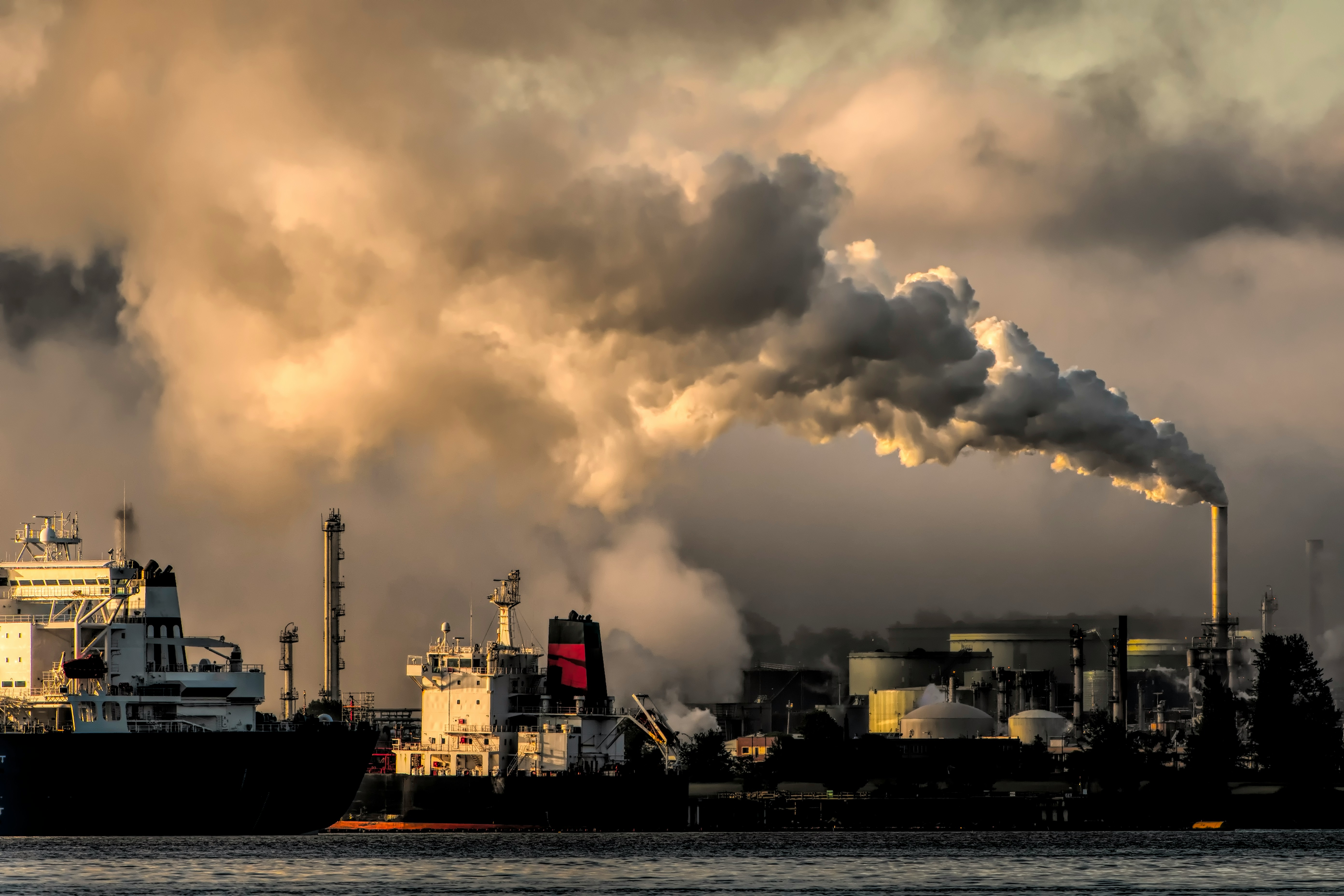
Image Credit: Chris LeBoutiller from Unsplash
But before we digress, we should probably discuss the mundane science behind this so-called phenomenon (apologies to my science teachers, yes you Mr Ahmed, but compared to the politics and geography, you stood no chance). Ethanol is an alcohol, and we're talking specifically about bioethanol, which is ethanol produced from natural, renewable resources.
It's commonly used as a petroleum additive in blends like E15, which means 15% ethanol and 85% petrol or diesel. It does actually produce less carbon monoxide and smog-causing pollutants due to its oxygen-rich chemistry; it also boasts a higher octane rating for those who love revving engines.
Sounds like a dream. Almost too good to be true. Some life advice from my old form tutor: if something sounds too good to be true, it probably is.
There are a ton of problems surrounding bioethanol that make it difficult to fully substitute other fuels with it. For starters, the whole cradle-to-grave cycle likely creates the same carbon footprint as using a petrol car.
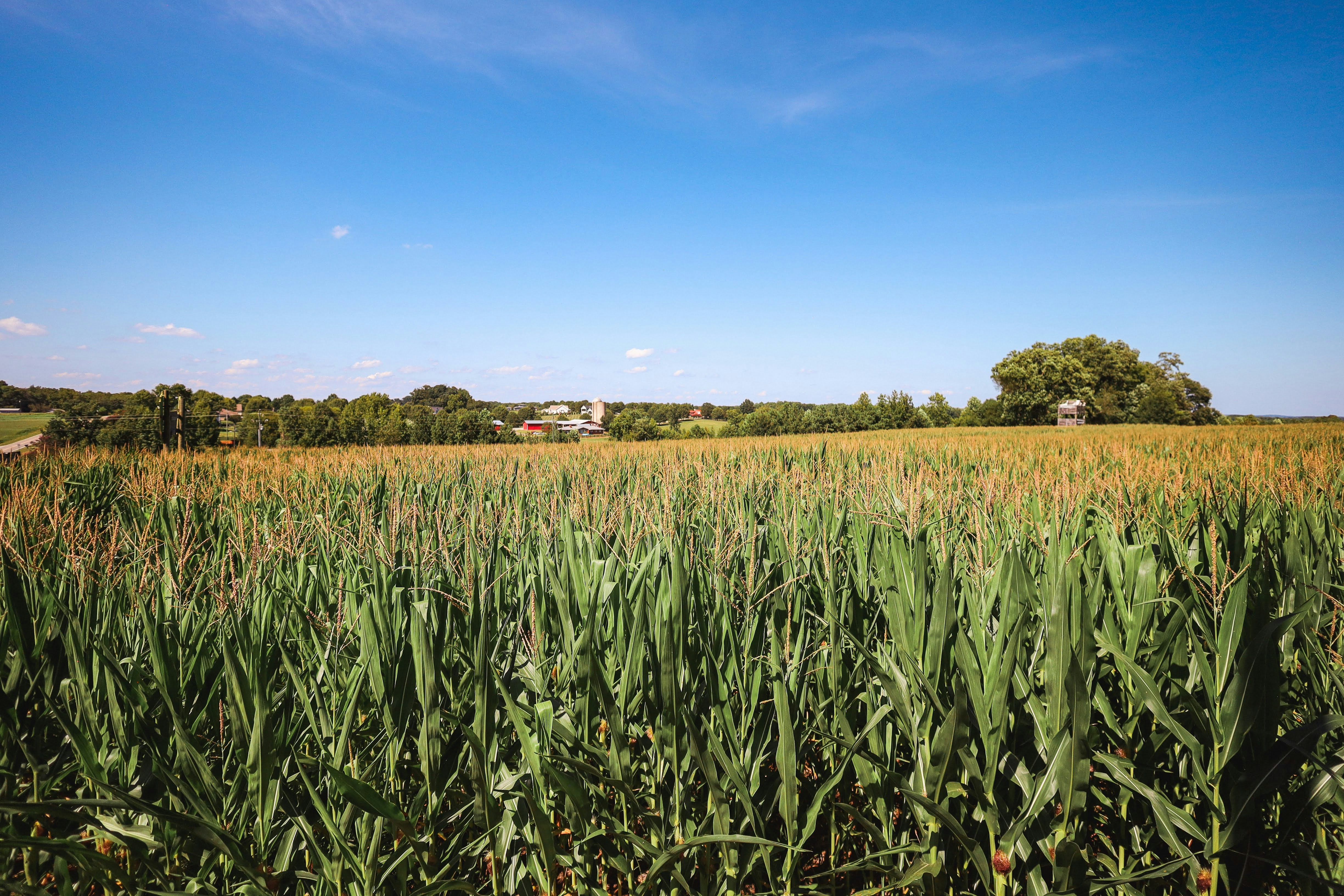
Image Credit: Brandon Giggs from Unsplash
How the biofuel is produced has a greater environmental impact than you might think. For starters, growing the crops needed, like sugarcane and corn, is an incredibly intensive and industrial process. A lot needs to be produced, and to do so, farmers often place heavy reliance on synthetic fertilisers made from natural gas, pesticides, and large-scale irrigation.
A substantial contribution to greenhouse gas emissions occurs before anything reaches the distillery. Disappointing.
After being harvested, the corn or sugarcane is processed into ethanol in energy-hungry facilities, which often burn fossil fuels to power the conversion, generating about 25.6 g CO₂e per megajoule just from processing alone, while farming adds another 28.6 g CO₂e/MJ. Even before considering indirect effects like land-use change, the total lifecycle emissions for corn ethanol can reach 52–65 g CO₂e/MJ, compared to 92.7 g CO₂e/MJ for petrol. We haven’t even factored in indirect effects, like land use, and the emissions are already high.
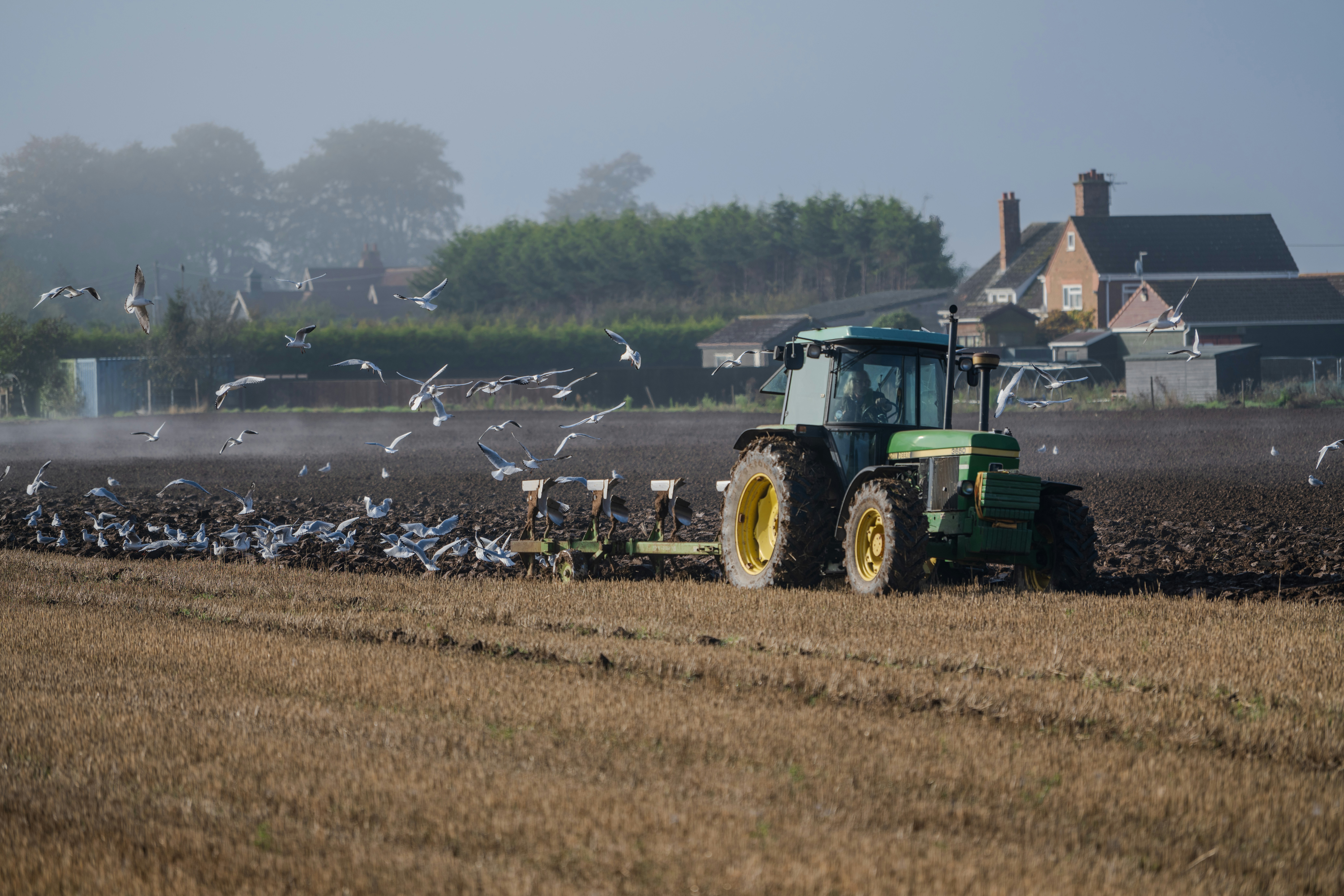
Image Credit: Crispin Jones from Unsplash
As more cornfields are dedicated to ethanol production, forests, grasslands, or other carbon-storing ecosystems are cleared for farmland elsewhere to meet product demand, releasing vast amounts of stored carbon into the atmosphere. This occurrence, known as indirect land use change, further erodes ethanol’s climate credentials. Studies have estimated that ILUC emissions alone can add between 15 to over 100 grams of CO₂-equivalent per megajoule of ethanol, in some cases wiping out any net greenhouse gas savings compared to petrol.
Additionally, bioethanol only packs around two-thirds the punch per litre, so your car guzzles more fuel to go the same distance, again increasing net emissions. Meanwhile, Big Corn and Big Oil have teamed up like some twisted comedy, pushing this “green” biofuel narrative, quick to distract us from the real solutions while lining their wallets. So yeah, ethanol might burn cleaner, but the climate crisis? It’s still on fire.

Image Credit: Samuel Costa Melo from Unsplash
However, it has worked in some countries. Brazil is the world’s second-largest ethanol fuel producer for a multitude of reasons. It has a tropical climate, which is ideal for growing sugarcane.
The country also has large areas of disused land, perfect for cultivating sugarcane. The land is mostly outside of the Amazon rainforest, so it reduces concerns around deforestation. Brazil has also invested heavily in biofuels through the Proalcool Program since the oil shocks in the 70s; most vehicles in the country are flex-fuel, meaning they can run on more than one fuel, including ethanol, so there is a guaranteed market.

Image Credit: Sheila C from Unsplash
There are more barriers for other countries. For instance, the UK does not have the land or climate to produce its own sugarcane or corn; it would need to import it, which is more expensive and contributes to overall emissions.
The majority of the general public drives petrol cars, and some refuse to switch to electric, let alone ethanol, so there’s no demand, either. Granted, these are probably the same people who shout “Stop the Boats” while ordering a chicken tikka masala, but they still count as the general public. Somehow. The UK’s policies around energy are also based on electrification, renewables and imported biofuels rather than creating an economy that uses biofuels.
In essence, ethanol’s reputation as a “green fuel” is more myth than fact, buoyed largely by clever marketing and political muscle. Countries like Brazil churn out mountains of the stuff and treat it like liquid gold. Meanwhile, the UK and most of Europe are left with little land and a temperate climate - basically trying to make moonshine out of porridge- and patting themselves on the back for importing biofuels while insisting overpriced electric cars save us all.
Running every single vehicle on biofuels isn’t a solution, and neither is the mandatory sale of electric cars. People like choice, even if it means emitting CO2 simply because they didn’t want to splurge on a BYD and bought a Golf instead.
We can’t let billionaires like Elon Musk or Jeff Bezos lecture us on sustainability, despite their joyrides to space with their mates for jokes, and keep pretending the real problem isn’t capitalism’s endless hunger for cheap energy, and play along with the illusion. Because nothing sums up our broken climate strategy better than the hypocrisy of the elite pretending to lead the fight they’re fuelling.


.jpg)