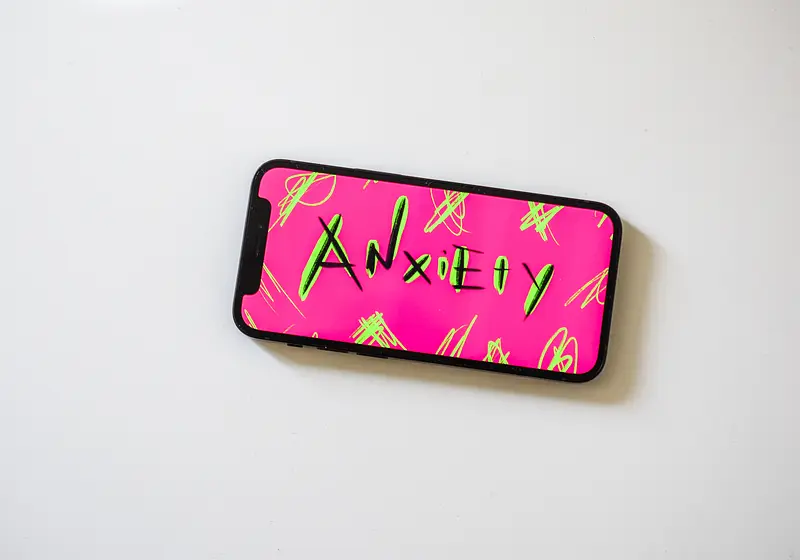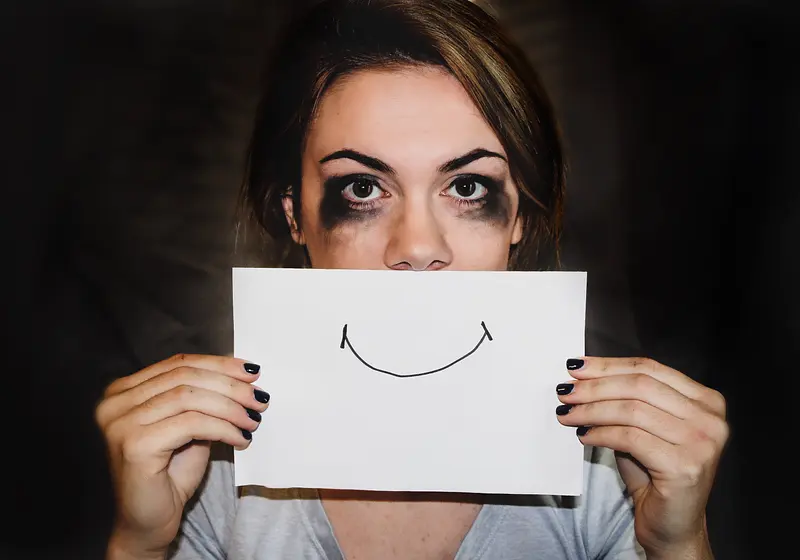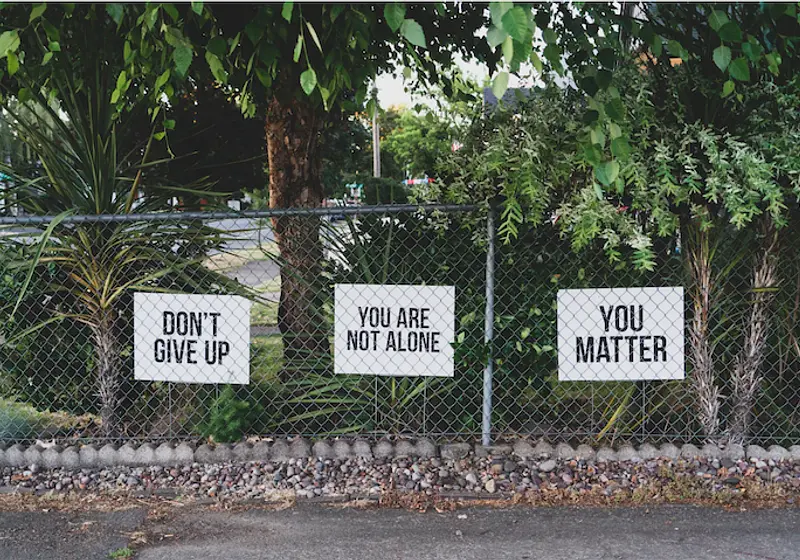




Imagine this: it’s 1 a.m. You’re lying in bed, and you can’t sleep because your thoughts won’t stop processing. Maybe you’re replaying an argument with a parent, stressing over grades, or feeling weighed down by something you can’t even put into words.
You want help, but you got no idea on who to call to let it all that weight out of your chest. For years, there wasn’t a simple number for that kind of crisis. Luckily now, there is.
In July 2022, the United States launched 988, the new Suicide & Crisis Lifeline. Just like 911 is the number for fires, car crashes, or medical emergencies, 988 is now the number for mental health emergencies. It connects people, especially teens, with trained crisis counselors who can provide immediate support. This change may look small, but for millions of young people, it could mean the difference between silence and survival.
Let us slide into your dms 🥰
Get notified of top trending articles like this one every week! (we won't spam you)Why the Change Was Needed
Before 988, the National Suicide Prevention Lifeline had a ten-digit number (1-800-273-8255). While it saved countless lives, it wasn’t easy to remember in a crisis. Imagine being in the middle of a panic attack and trying to remember a random 10-digit number.
That just feels like expecting someone with a broken leg to solve a math problem before getting an ambulance. The move to 988 simplifies access—just 3 digits, easy to recall under stress. For teens who are digital natives used to instant everything, accessibility matters. When seconds count, simplicity can save lives.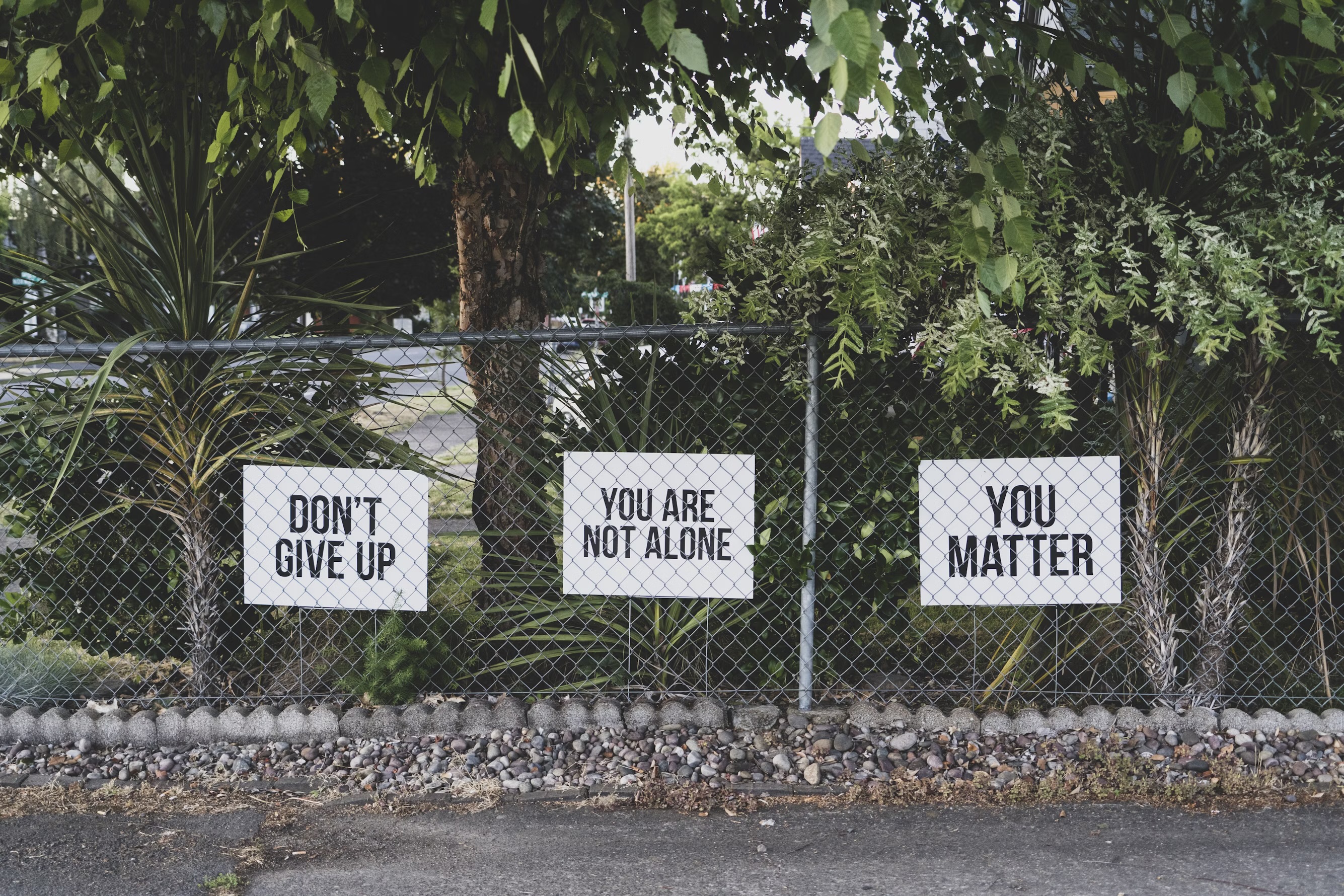
Image Credit: Dan Meyers from Unsplash

Take the Quiz: Discover Your Ideal Stress-Relieving Hobby
Everyone deals with stress differently, and finding the right hobby can help you relax and unwind. Take this quiz to find out which stress-relievin...
The Mental Health Crisis Among Teens
The introduction of 988 comes at a time when teen mental health is in the spotlight.
• According to the CDC, nearly 4 in 10 students report feeling persistently sad or hopeless.
• Suicide is now the second-leading cause of death for teens and young adults in the U.S.
• Anxiety, depression, and stress levels have risen dramatically since the COVID-19 pandemic, filled with isolation, academic pressure, and social media.
These stats aren’t just numbers—they’re classmates, teammates, siblings, and friends. For many teens, knowing 988 exists means knowing that someone is always ready to listen, no matter the time of day or night.
What Happens When You Call 988?
Let’s break down the process:
1. You dial 988. There isn’t an area code nor a long wait. Just 3 digits.
2. You’re connected to the nearest crisis center as calls are routed based on your location.
3. A trained counselor answers. They’re not there to judge, lecture, or rush you off the line. Their role is to listen, help calm you down, and work with you to find a path forward.
4. You get options. Depending on your needs, they might talk you through the crisis, connect you to local mental health services, or, if you’re in immediate danger, send emergency help.
What’s important to know is this: calling doesn’t automatically mean the police show up. The goal is to support you, not scare you.
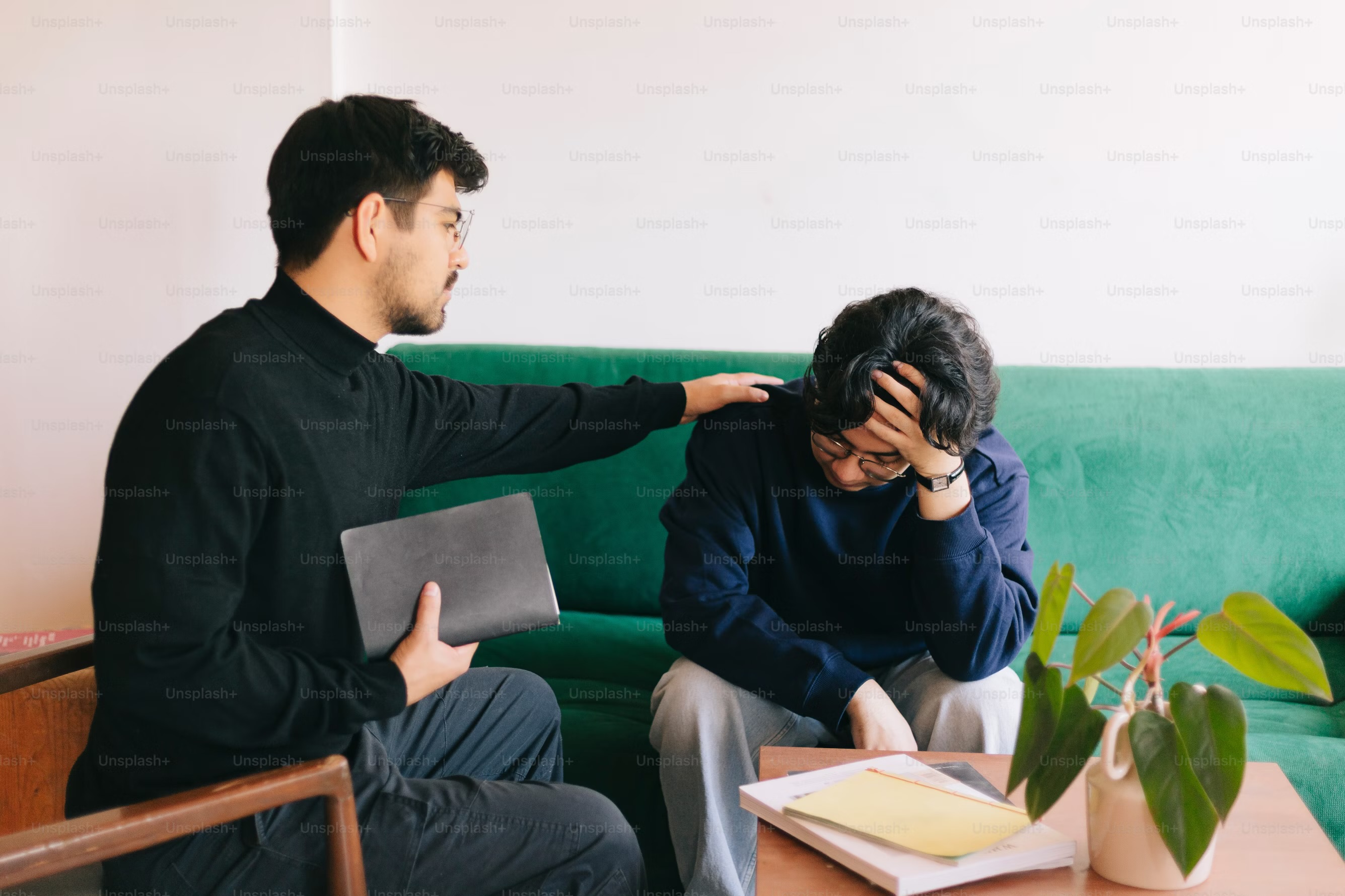
Image Credit: Ramsés Cervantes from Unsplash
988 vs. 911: Understand the Difference’s Importance
For years, people in mental health crises often ended up dialing 911. But while 911 dispatchers are trained to send police, fire, or EMS, they’re not always equipped to handle psychological emergencies. This sometimes led to misunderstandings, or even escalated situations. By creating a separate number, 988 recognizes that mental health deserves its own emergency system—one where the responders are trained in empathy, de-escalation, and mental wellness.
What 988 Means for Teens
For teens, the launch of 988 sends a bigger message than just “here’s a number to call.” It says:
• Mental health is important. Your feelings matter as much as a physical injury.
• You’re not alone. There’s always someone ready to listen, day or night.
• It’s okay to ask for help. Calling 988 doesn’t mean you’re broken, it means you’re strong enough to reach out.
It also means that supporting friends is easier. If you notice a friend acting differently—skipping class, withdrawing, posting concerning messages—you now have a resource. You can even call 988 yourself to learn what to say or do.
Image Credit: Akhil Nath from Unsplash
Changing the Stigma
One of the biggest challenges for teens struggling with mental health is stigma. Asking for help can feel like admitting weakness, or worse, inviting judgment. But just like society has started treating concussions or asthma seriously, 988 pushes us to treat mental health crises with the same urgency.
The more we talk about it, the more normalized it becomes. Imagine a world where saying “I called 988 last night” feels as normal as saying “I went to the doctor.” That’s the future this number is working toward.
Conclusion
988 isn’t just another hotline. It’s a cultural shift. It’s society finally admitting that mental health matters as much as physical health.
For teens, it’s an assurance that someone is always on the other end of the line, no matter how heavy life feels. So remember: 3 digits, endless support. 988. And if you ever feel like you’re drowning in the weight of it all, remember this: you don’t have to go through it alone. Help is only 3 numbers away.
If you or someone you know is struggling with thoughts of suicide, call or text 988 immediately. Support is available 24/7.
Image Credit: Annie Spratt from Unsplash