





Let's be real, every teen has googled "how to get glass skin" at least once or a hundred times. Between acne spots, oily foreheads, and endless YouTube tips and stressful life, the skincare feels mystery. At the end ultimate solution to this comes K-beauty, making everyone actually wonder if Koreans have actually cracked the ultimate cheat code. to healthy skin we’ve been chasing all along?” and turning it into lifelong flex.
The first time I picked up a K-Beauty serum, I had to double-check the label. Fermented rice extract? Snail mucin?
Lactobacillus filtrate? It felt less like skincare and more like sneaking into a microbiology lab. My first K-beauty haul felt like opening a chemistry or biology lab. South Korean beauty sense and scientific fusion to it is an incredible innovation that not just keeps your skin fit and healthy for a lifetime but creates an aesthetic trend and builds a culture or community.
Image Credit: Engin Akyurt via Unsplash
Let us slide into your dms 🥰
Get notified of top trending articles like this one every week! (we won't spam you)So… What Exactly Is Fermentation Doing In Your Skincare?
Fermentation is like speaking to microbes, " hey, you get up and get back to your work". It's all about microbes working for powerful results in your skin. Yeasts or bacteria break down larger, more complex molecules into smaller ones.
In food, that’s what turns your cabbage into your world-famous tangy kimchi or milk into probiotic yogurt. In skincare, the same process can transform plant extracts, herbs, or even proteins into smaller, more skin-friendly compounds.
- Smaller molecules = easier absorption. Your skin isn’t a sponge — it has layers and barriers. Breaking down big molecules means they can get closer to where they’re supposed to work.
- New compounds are created. During fermentation, byproducts like amino acids, peptides, and antioxidants appear. Sometimes these have more activity than the original ingredient.
Gentler formulations. Fermentation can even reduce irritating compounds in raw extracts, making them safer for sensitive skin.
Think of it like cheese versus milk. Same source, but the transformation gives it new flavors and textures. You see how the Korean skin feels like they don't age at all. All your favorite Korean oppas are so hot even in their forties and fifties, a short science and secret in their skin care.

Take the Quiz: What’s Your Perfect Skincare Product for the 'Clean Girl' Look?
Take this quiz to discover the perfect skincare product for your “clean girl” routine!
The Big Stars: Rice, Lactobacillus, and Snails (Yes, Snails).
Fermented rice extracts have deep roots in Korean beauty history. Rice water was a traditional rinse for hair and skin. When fermented, rice releases amino acids, vitamins, and antioxidants that help brighten and hydrate.
It’s like upgrading a simple pantry ingredient into a high-tech activity. The core benefits that everyone needs are moisturizing, reducing redness, tightening pores, etc. Every problem solution is with rice water. Also, your trendy question on aging, so due to antioxidants and anti-inflammatory properties, you can see the fighting signs of aging.
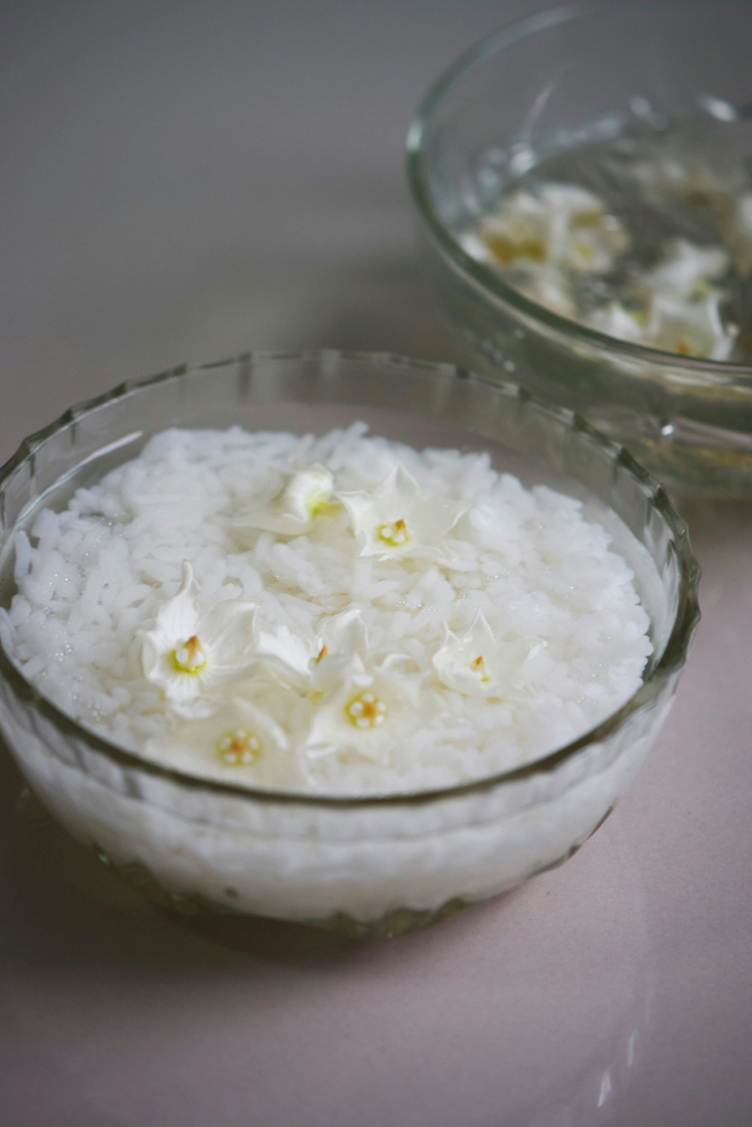 Image Credit: rminedaisy via Unsplash
Lactobacillus ferment filtrate comes from probiotics. These friendly bacteria, or you can say good bacteria, secrete enzymes and peptides during fermentation that can help balance the skin’s microbiome, soothe irritation, and even support barrier repair. Imagine it as a scene hero who is secretly just making your skin smoother and enhancing your skin cycling.
From Snail Trails to Skin Goals: K-Beauty’s Slimy Little Secret
Snail mucin is the most famous and misunderstood. The most trendy skin care videos you see are of snail mucin. It’s not about slimy vibes; it’s about the chemistry inside and of course satisfaction hehe!. Snail mucin is packed with glycoproteins, hyaluronic acid–like molecules, and peptides that boost hydration and help smooth skin texture without any pores or spot marks.
Biotech labs now analyze and refine these molecules to ensure they’re safe, effective, and stable in formulas because sometimes people get concerned about safety and hygiene, and other stuff. No wonder people on TikTok love its slime-stretch videos. Plus, look at timeless stars like Song Hye-Kyo or Jun Ji-Hyun, often cited as K-Beauty icons. Their youthful, ageless skin feeds into the hype, proving fermented hydration boosters.

Image Credit: Maria Lupan via Unsplash
Biotech’s Role: From Tradition to Precision
The superhero of this ultimate magic is today's science and biotech industries. It's like taking grandma's rice water recipe and giving it a boost or upgrading its version. The blend and fusion of today's cutting-edge biotech development and ancient tradition and culture leads to miracles in the human world, making the most beautiful species look more gorgeous and breathtaking.
This happens in a few fascinating ways:
Precision fermentation. Instead of a random brew, scientists use specific strains of yeast or bacteria designed to produce certain peptides, amino acids, or antioxidants. For example, one strain might be engineered to release more glutathione (a brightening antioxidant), while another boosts hyaluronic acid–like molecules for hydration.
Controlled conditions. In traditional fermentation, results vary with temperature, pH, or even the weather. In biotech, everything is monitored in bioreactors oxygen levels, nutrients, and acidity are all adjusted so the microbes “behave” consistently. That means your serum’s rice ferment is the same every single batch.
Stability & shelf life. Raw extracts often degrade quickly, but biotech can tweak fermentation pathways to produce more stable molecules or combine them with encapsulation technology. That’s why a fermented essence can stay potent on your shelf for months without losing its punch.
Sustainability. Instead of harvesting rare plants or animal ingredients, biotech can reproduce those same active molecules through microbial fermentation. This cuts down on over-farming and makes formulas more eco-friendly.
Customization at scale. The coolest part? Biotech allows for “designer ferments.” Brands can literally request an ingredient profile — say, “hydrating peptides + antioxidant boost + microbiome support” — and labs create a fermentation process to deliver that specific blend.
In short, biotech takes the trial-and-error roots of traditional fermentation and upgrades them into precision, reproducible, and sustainable skincare science. That’s why K-Beauty feels so futuristic: it’s not just tradition bottled, it’s tradition supercharged by lab design.
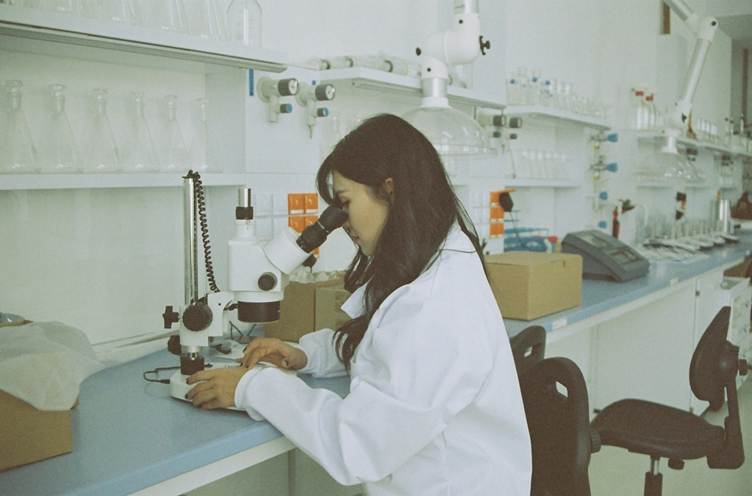
Image Credit: Diane Serik via Unsplash
Fashion, Beauty, and The Global Trend Machine
- K-Beauty is everywhere— We all know South Korean beauty is taking over the world. Everywhere it's just 10 10-step Korean skin care routine or a Korean rice water sheet mask, etc, trends on TikTok, Instagram, Facebook, etc. K-beauty has already crossed the fashion world.
- It’s crossed into fashion— Designers collaborate with skincare brands for runway looks that highlight “glass skin” and radiant textures. Fashion weeks and models now feature backstage skincare routines powered by fermented serums as much as makeup, also those transition videos with Korean makeup and skin care are getting so viral with millions of views.
- The secret? Results + truth— You know what's the matter here, they are not getting viral because of actors or models' promotions or those newly introduced snail mucins or anything, but the key to the success of K-beauty is their powerful results and truth in ingredients, and most importantly, safer ingredients. Celebrities played a big role, too.
- Celeb inspo hits hard— Fans look at actors like Lee Jong-Suk or idols like BTS’s V, both praised for their pore-less, baby-soft skin, and want to know their secrets. The answer often circles back to fermented essences, hydrating layers, and barrier-loving serums.
- The real game-changer, The result?— Here's where Korea is a game changer because Korea doesn't sell just products, it builds and community, a culture that's taking this era crazy and making skin more healthy and glowing, shine and live with a bright shine not just from outer appearance but with inner healthy skin.
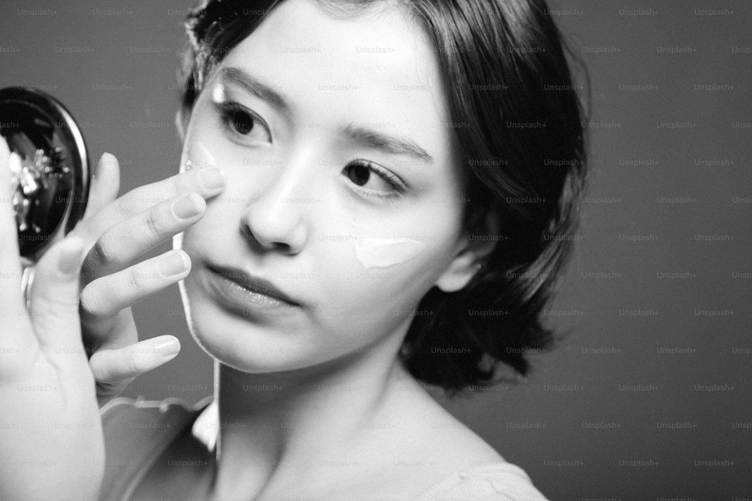
Image Credit: Adolfo Felix via Unsplash
Conclusion: The Future Is Fermented
Fermented beauty is more than just a TikTok obsession. The microbes breaking down rice and herbs aren’t just creating molecules; they’re creating movements. What started in Seoul skincare stories is now a daily routine for most women, men, and models worldwide.
They have transformed the centuries-old secrets of skin into an upgraded biotech scientific version with miraculous outputs influencing not just skincare but also how we self-care itself. Maybe that’s why, when you look at Korean actors whose skin barely seems to age, or scroll past the latest snail mucin craze on TikTok, it feels bigger than just skincare. It’s proof that the future of beauty will be fermented and glowing.

.jpg)


.jpg)