



Think of your closet as a revolving door: new clothes in, old clothes out. It’s fun, it’s fast… and it’s secretly one of the most wasteful cycles on Earth. Every time you open TikTok or Instagram, there’s a new “must-have” outfit. Cheap, trendy, everywhere.
Brands capitalize on this, often mass producing clothes for cheap, so customers think it is a great deal. However, these brands are given the name “fast fashion." Fast fashion is when brands make trendy clothes super quickly and sell them for cheap, so people can buy more and keep up with changing styles. The downside? Clothes are often made in ways that hurt the planet, and designed to be replaced instead of kept.

Image credit: Freestocks via Unsplash
Zara, H&M, Shein: These brands are a crutch for many teens across the world as they provide a cheap source for keeping up with fashion trends. What is less said about them on the other hand, is that they are some of the biggest culprits of fast fashion. Shein alone has produced upwards of 16.7 million metric tons of carbon dioxide emissions, which is also the yearly emissions of 3.6 million cars.
So what does all that actually mean for the planet? From the water it takes to make your favorite T-shirt to the piles of clothes ending up in landfills, fast fashion isn’t just about trends; it’s also leaving a giant footprint on the environment. Let’s break down the real costs behind those cheap, “must-have” outfits and viable alternatives.
Let us slide into your dms 🥰
Get notified of top trending articles like this one every week! (we won't spam you)1. Water Waste
Making clothes takes a ton of water. For example, a single cotton T-shirt uses 2,700 liters of water which is enough for one person to drink for almost three years! And factories don’t always handle waste responsibly. Dye and chemical runoff often end up in rivers, harming ecosystems and communities nearby.
This can be detrimental by causing “dead zones” in rivers where it is impossible for any living thing to survive. Water waste is increasing exponentially as fast fashion brands expand their collection and keep adding new additions to their store as new trends come about.
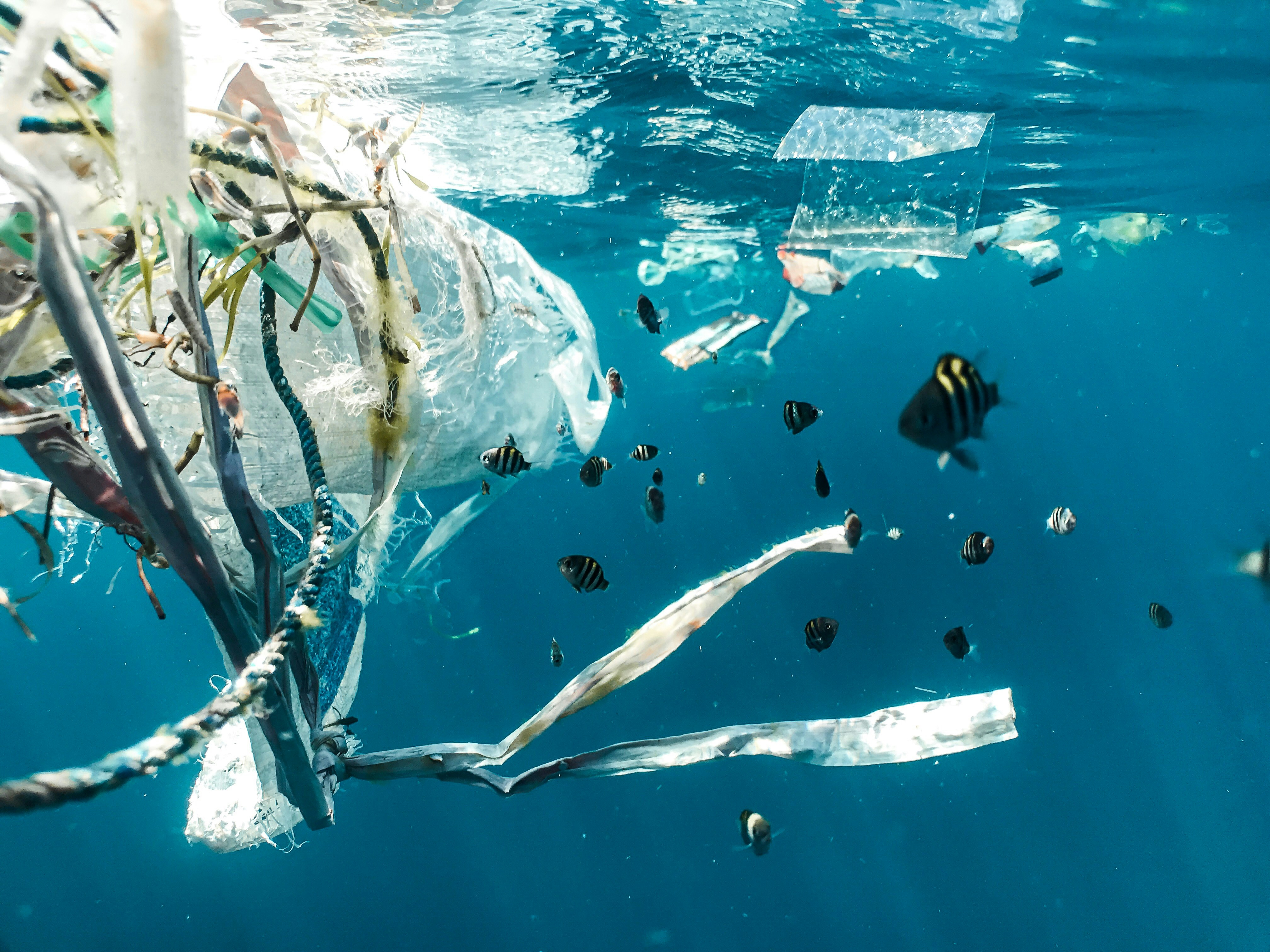
Image Credit: Naja Bertolt Jensen from Unsplash

Take the Quiz: Which Fall Activity Should You Try Next?
Fall is full of exciting activities to match your vibe! This quiz will help you discover the perfect way to enjoy the season.
2. Carbon Emissions
Fast fashion relies heavily on synthetic fibers like polyester, which are derived from fossil fuels and require significant energy for production. This production process releases greenhouse gases, including carbon dioxide.
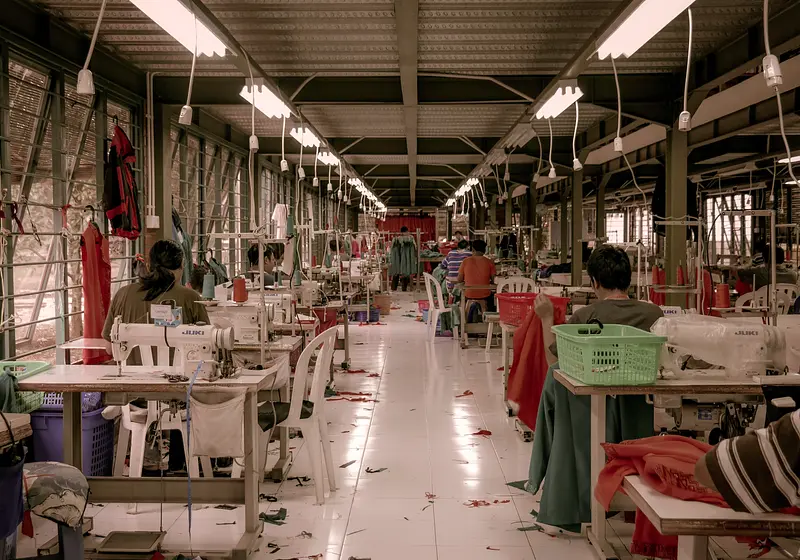
Furthermore, most of the manufacturing takes place in developing countries who depend on coal powered plants to run, ultimately resulting in large carbon emissions. Surprisingly, the dye found in fast fashion clothing takes significant energy to produce, which leads manufacturers to (once again) rely on coal powered plants.
Due to the fast and sudden changes in what is “in” and “out” in fashion, many fast fashion clothes end up sitting in a landfill. Yes. Just by sitting in a landfill, these clothes release greenhouse gasses, furthermore polluting the atmosphere.
To put this in context, The fast fashion industry is a significant contributor to carbon emissions, responsible for approximately 10% of global carbon emissions. This is more than the emissions from international flights and maritime shipping combined.
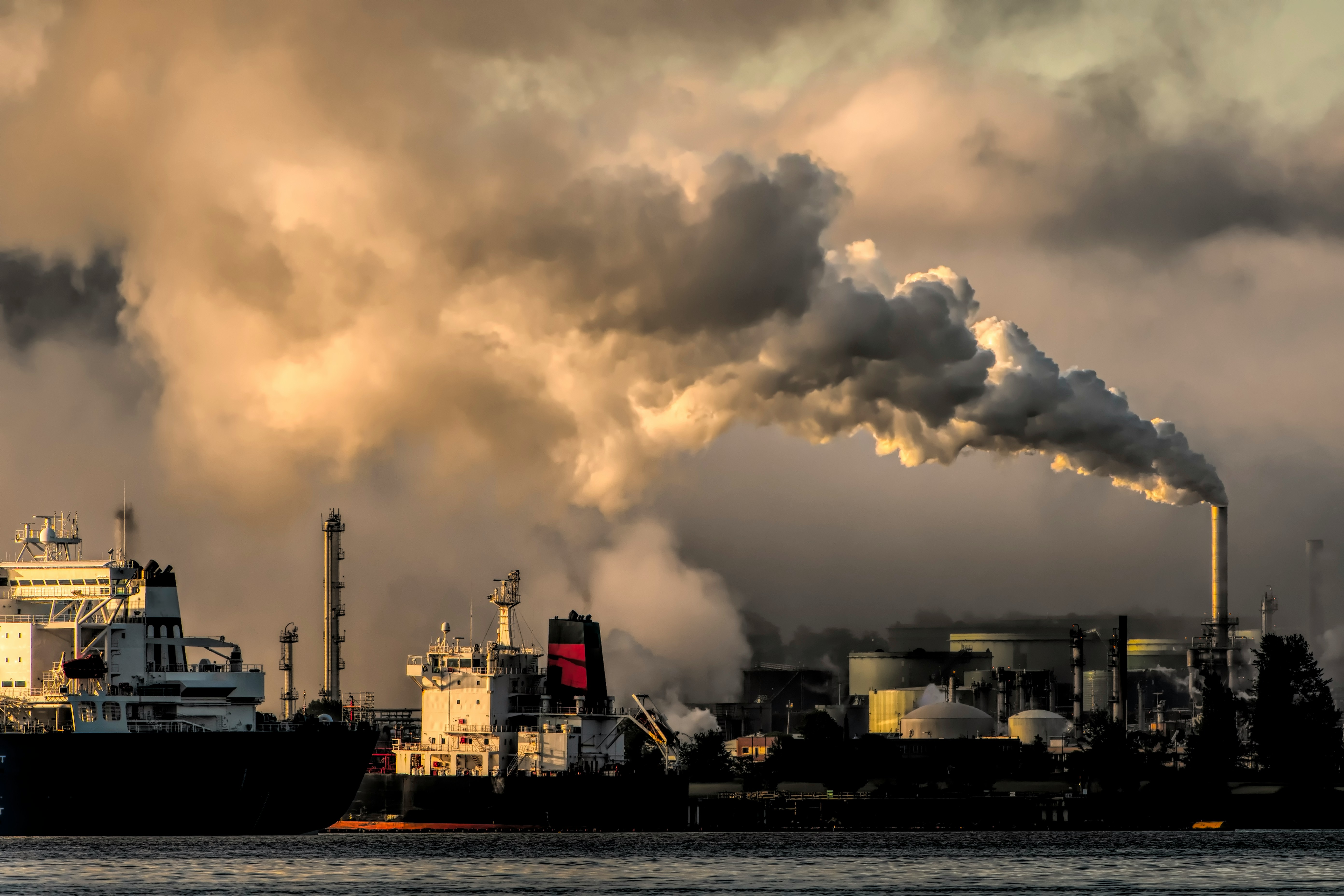
Image Credit: Chris LeBoutillier on Unsplash
3. Microplastics Pollution
Many fast fashion items are made from synthetic fabrics like polyester as it is cheap and easy to obtain. Every time you wash them, tiny plastic fibers, called microplastics, shed into the water. They’re too small to get caught by most filters, so they slip straight into rivers.These eventually reach oceans, get eaten by fish, and can even enter our food chain.
I know. We could possibly be eating microplastics. Thanks fast fashion!
Think of it this way: your washing machine might be “cleaning” your clothes, but it’s also sending thousands of invisible plastic particles into the environment every single cycle. Crazy!
4. Waste Overload
In the U.S. only, over 11 million tons of clothes are thrown away each year. Most synthetic fabrics take hundreds of years to decompose, meaning landfills are basically filling up with clothes that will never go away. It is literally a problem that doesn't go away.
This happens because people ditch the clothes they bought just last month as soon as the next trend drops—cheap prices make it easy to replace them without thinking twice.
Additionally, as fast fashion spreads worldwide, its damage could double in just five years due to ever-changing trends.
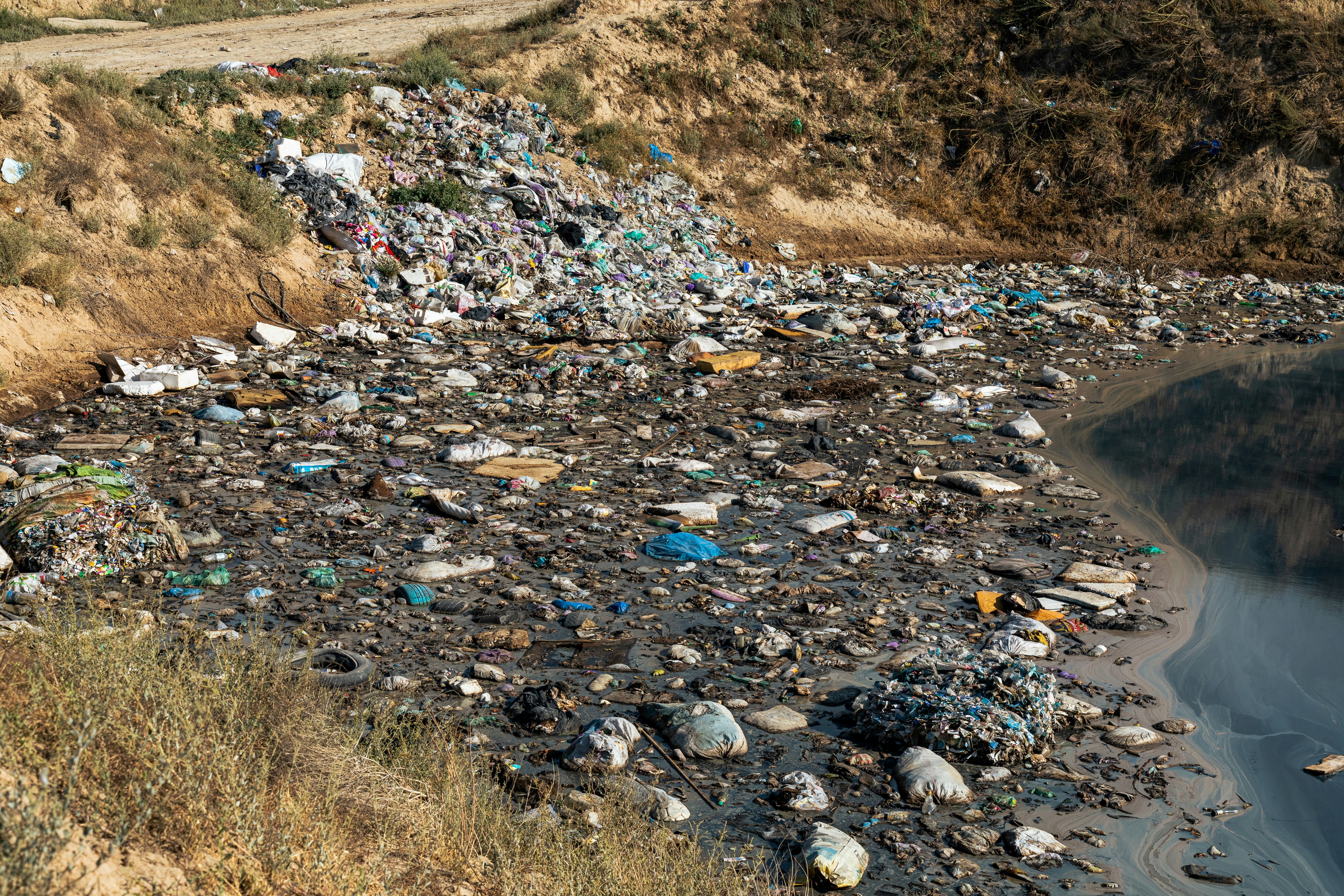
Image Credit: Collab Media on Unsplash
So, what can we do?
You don’t have to give up style to help the environment. Here are some ways to fight back:
- Buy Less, Choose Better: Invest in pieces that last longer instead of chasing every trend.
- Thrifting & Vintage Shops: Find unique items without supporting fast fashion factories.
- Take Care of Your Clothes: Wash less, repair rips, and donate old clothes. Support
- Sustainable Brands: Look for Eco-friendly materials and ethical production practices.
Your closet might look stylish, but it’s worth asking—at what cost? Next time you’re tempted by Zara or Shein, think about the bigger picture: your clothes aren’t just “cheap” or “trendy”, they’re part of a chain that affects water, air, oceans, and the planet’s future. Small choices can make a big difference while maintaining the hype.







.jpg)


