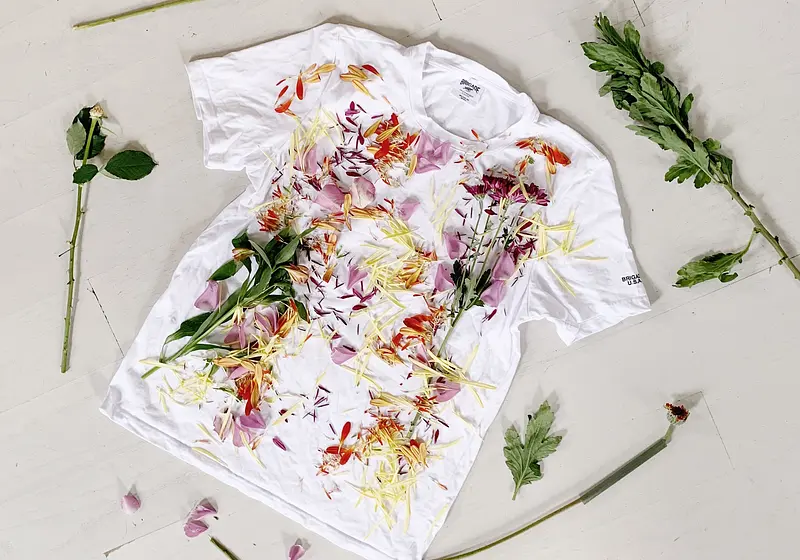



We see new styles on our social media almost every other week, until a new trend takes over. But I cannot help but think where last week's style went? We all like to express ourselves through style, trends, and it's easy to go along with the tide in the age of social media.
We generally appreciate having variety in our wardrobes, especially when it comes at a low price. We might buy 10 pairs of very cheap jeans just for the sake of variety, even though we end up only wearing two or three of them.

Photo by freestocks on Unsplash
But where speed, convenience, and novelty are being celebrated, the fashion industry has been evolving into one of the most rapid and wasteful systems on the planet.
Fast fashion is often characterized by mass-produced, low-cost clothing designed to keep up with ever-shifting trends and has become a global phenomenon.
But behind the glittering shop windows and endless Instagram hauls lies a staggering truth: fast fashion is wreaking havoc on the environment, exploiting vulnerable communities, and fueling a culture of disposability.
Let us slide into your dms 🥰
Get notified of top trending articles like this one every week! (we won't spam you)What is Fast Fashion?
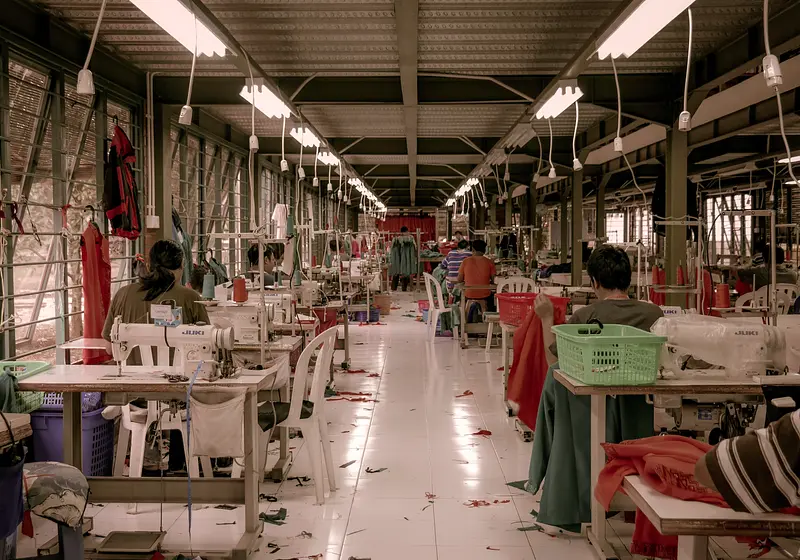
Fast Fashion is a model that delivers trendy, inexpensive clothing to consumers at a rapid pace. Brands like Zara, H&M, Shein, and Forever 21 churn out new styles weekly, driven by the demand for constant novelty. While we all love these trendy clothes, what we often fail to notice is that these garments are being produced in bulk using low-quality materials and outsourced labor, enabling companies to offer them at ultra-low prices.
It's safe to say that the survival of this model depends severely on overproduction, overconsumption, and planned obsolescence, encouraging consumers to buy more and wear less.
The findings in the 2022 McKinsey report really hit me. It's alarming to see that we buy 60% more clothing than we did just 15 years ago, yet we keep each item for only half as long!
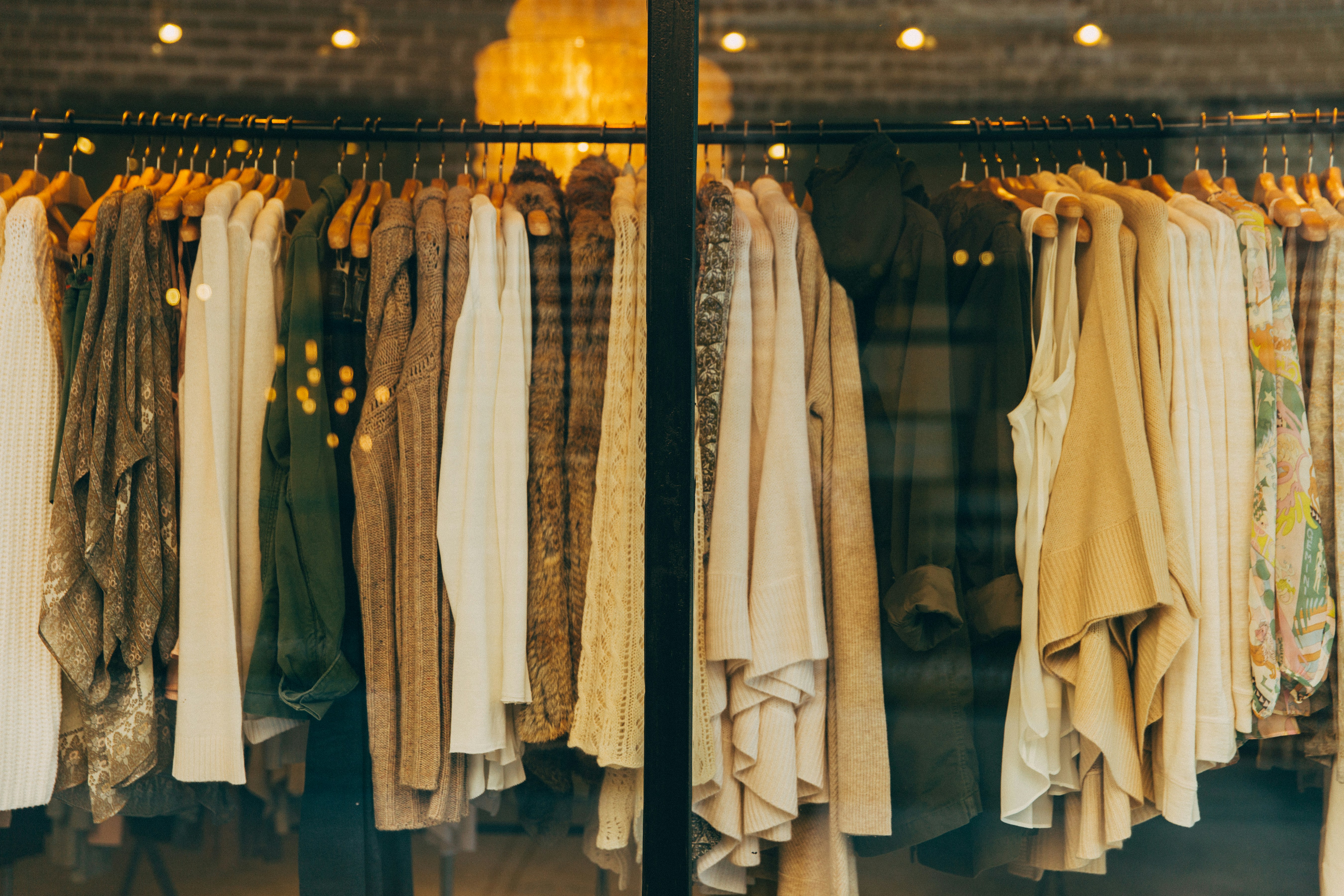
Photo by Hannah Morgan on Unsplash


Take the Quiz: Which aespa Member Are You?
Find out which aespa member you resemble!
Why is the rise of fast fashion concerning?
Clothing has a complex supply chain, making it challenging to account for all the emissions produced when manufacturing items. Also, the transportation and disposal of clothing once consumers no longer want it further complicate the issue.
Even though there are similar issues faced by consumer goods, what makes fast fashion concerning is its rapid pace of change, which not only occurs but is also actively encouraged. With each passing season (or even microseason), consumers feel pressured to purchase the latest items to stay on trend.
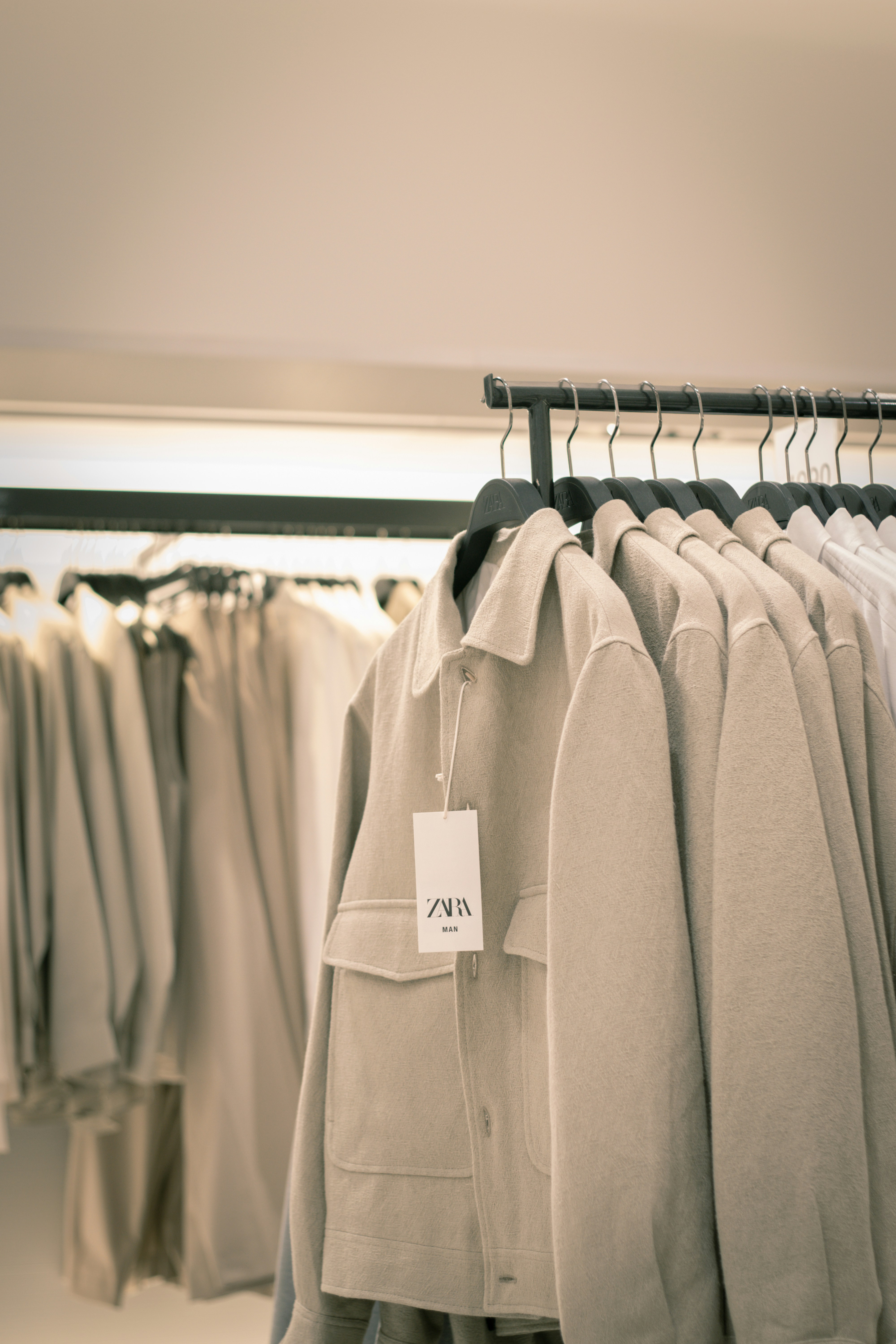
Photo by pratik prasad on Unsplash
Its Environmental Impact
Water Use
The fashion industry is the second-largest consumer of water worldwide.
Did you know that producing one simple cotton shirt alone requires approximately 2,700 liters of water, which is equivalent to what one person drinks in 2.5 years. The production of a single pair of jeans uses around 7,500 liters.
The UN estimates that a single pair of jeans requires a kilogram of cotton. And because cotton tends to be grown in dry environments with unsustainable irrigation practices, producing this kilo requires about 7,500–10,000 litres of water. That’s about 10 years’ worth of drinking water for one person. In Central Asia, the Aral Sea, which was once the world's fourth-largest lake, has nearly disappeared due to the overuse of cotton farming.
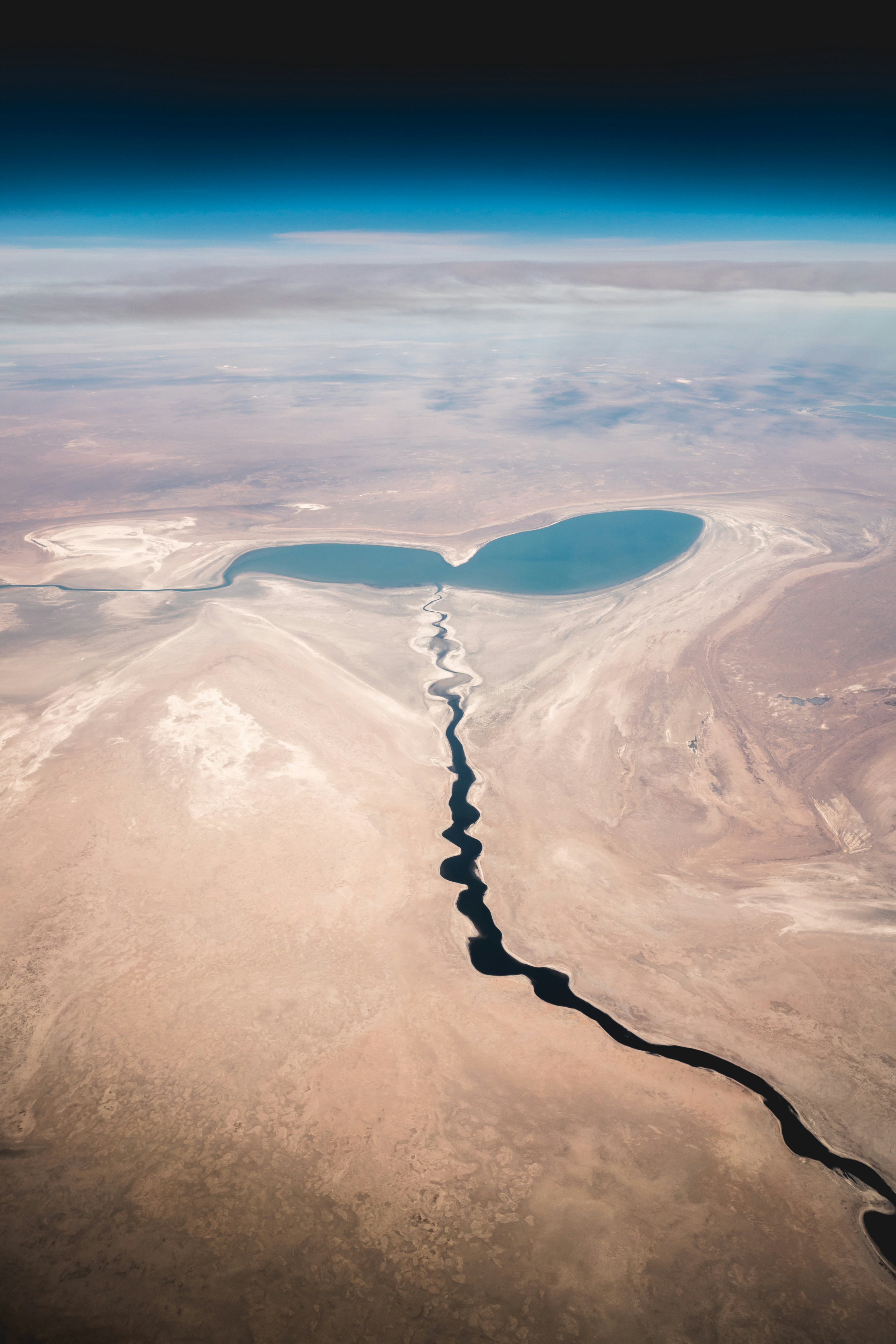
Photo by Patrick Schneider on Unsplash
Even though there are ways to make denim less resource-intensive, jeans composed of material that is as close to the natural state of cotton as possible use less water and hazardous treatments to produce. This means less bleaching, less sandblasting, and less pre-washing.
The stretchy elastane material found in our favourite pair of jeans is made using synthetic materials derived from plastic, which reduces recyclability and complicates the issue by adding to their environmental footprint.
As a result, some of the most popular types of jeans are also the most harmful to the planet.
This is a clear call to be more mindful of our clothing choices and their ripple effects on the planet.
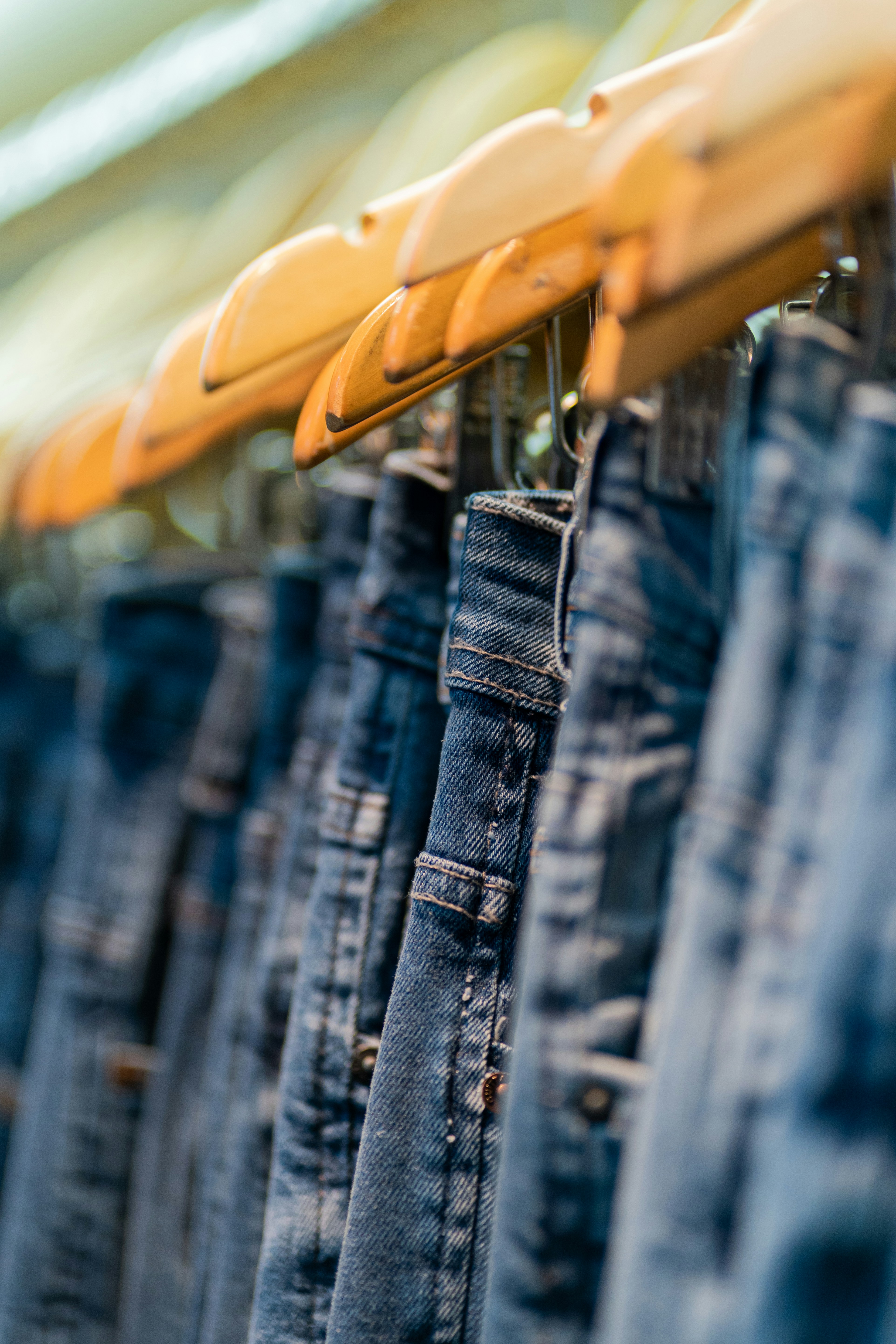
Photo by Rodrigo Rodrigues | WOLF Λ R T on Unsplash
Carbon Emissions
The carbon footprint of fast fashion is equally concerning. The industry is responsible for around 10% of global carbon emissions, making its impact hard to overlook. While the environmental effects of air travel are well-known, the fashion industry consumes more energy than both aviation and maritime shipping combined.
Synthetic fibers like polyester, which account for over 60% of garments, are mostly derived from fossil fuels that require high energy inputs to produce. Moreover, the global supply chain, spanning from raw material extraction to garment delivery, involves significant transportation emissions.
Around 70 million barrels of oil are used each year to produce polyester fibers for our clothing. From waterproof jackets to delicate scarves, polyester is everywhere in our wardrobes. This widespread use is largely due to the convenience of polyester, which is easy to clean, durable, lightweight, and inexpensive.
However, a shirt made from polyester has a carbon footprint that is double that of a cotton shirt. Specifically, a polyester shirt generates approximately 5.5 kg of carbon dioxide, while a cotton shirt produces about 2.1 kg.
I find it very disheartening that the convenience and affordability of polyester come at such a high environmental cost. Those carbon footprints between polyester and cotton shirts highlight the need for awareness as we shop.
Textile Waste
Fast fashion’s throwaway culture has led to an unprecedented waste crisis. Every year, 92 million tonnes of textile waste are discarded all over the globe. The Ellen MacArthur Foundation reports that one garbage truck of textiles is landfilled or incinerated every second. And only less than 1% of clothes are recycled into new garments.
The total waste is not even distributed evenly, but usually dumped in countries like Ghana and Chile, often overwhelming local systems and causing environmental degradation.
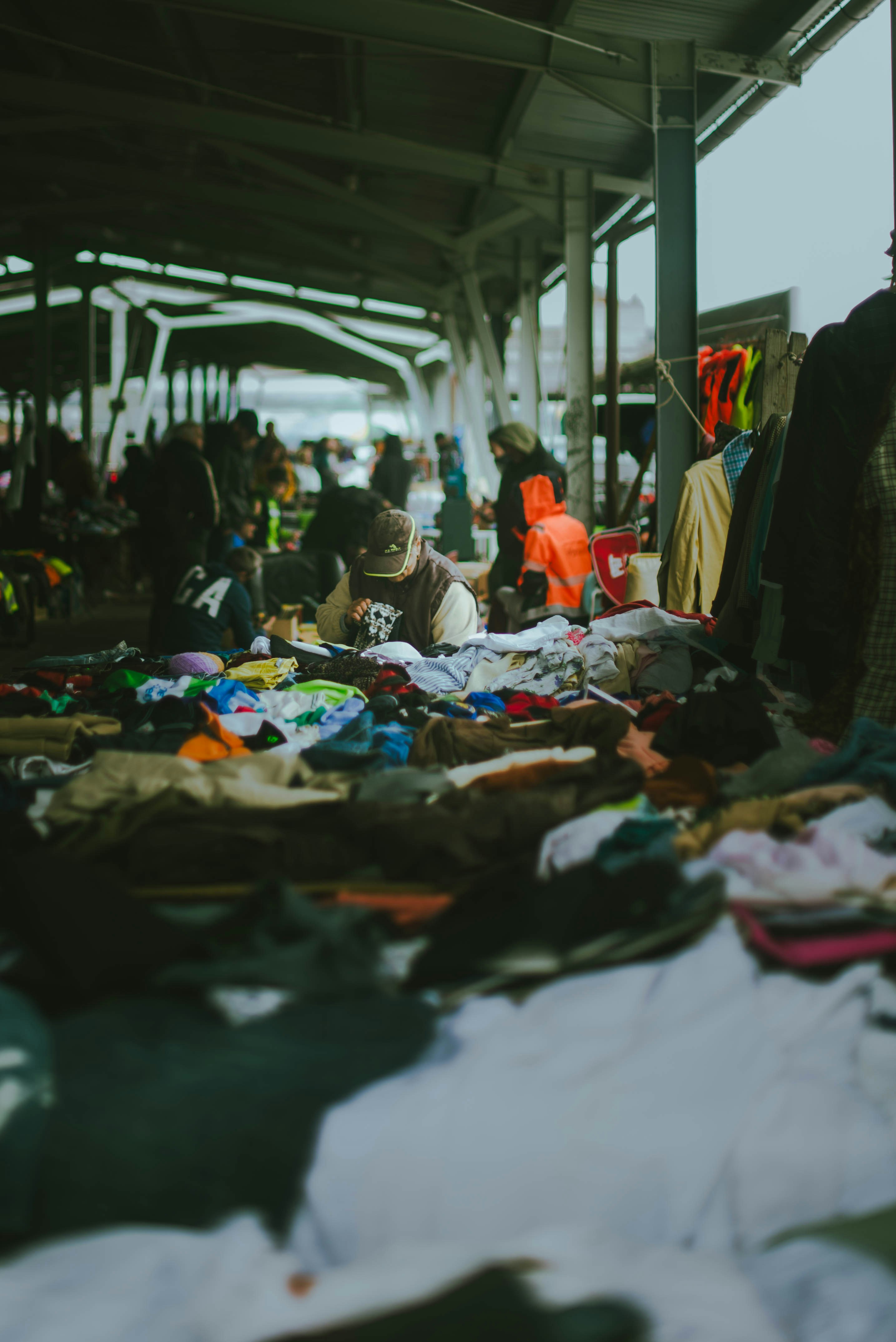
Photo by Biris Bianca on Unsplash
Chemical Pollution
The textile industry is among the largest polluters of clean water globally. Toxic dyes, solvents, and finishing agents, many of which are carcinogenic or endocrine-disrupting, are often released into rivers and water systems in producing countries without any adequate treatment. In places like Bangladesh and China, rivers even run red or blue with untreated dye waste.

Photo by Mohamed Nohassi on Unsplash
Microplastic Pollution
Synthetic fabrics such as polyester, nylon, and acrylic shed microplastics during washing. These tiny plastic fibers tend to escape wastewater treatment plants and end up in oceans, where they get ingested by marine life and enter the food chain. Studies have shown the presence of microplastics in human organs, placentas, and even blood.
Using recycled polyester fabric can reduce carbon emissions by 75% to 50% compared to virgin polyester. However, it is not a long-term solution, as polyester can take hundreds of years to decompose and may release harmful microfibers.
Natural materials are also not always sustainable, especially if they require significant water, dyes, and transportation. While organic cotton protects farmworkers from pesticides, it still raises concerns about water consumption.
What does Sustainable Fashion mean?
Sustainable fashion involves clothing and accessories produced with consideration for environmental and socio-economic factors. This includes everything from raw material production to manufacturing, transportation, reuse, and recycling, aiming to foster a sustainable fashion industry in the long term.
While the term "sustainable fashion" is often used in marketing to suggest a brand is environmentally friendly, it is essential to recognize that such claims require concrete evidence, which is frequently lacking. Similarly, terms like "eco-friendly fashion" and "green fashion" are often associated with greenwashing, complicating consumers' ability to make informed choices.
Ethical fashion has varied interpretations. Some interpret it as minimizing the impact on people and the environment, while others emphasize social responsibility. Regardless, ethical fashion should focus on fair working conditions and environmental sustainability, backed by clear evidence to avoid greenwashing.
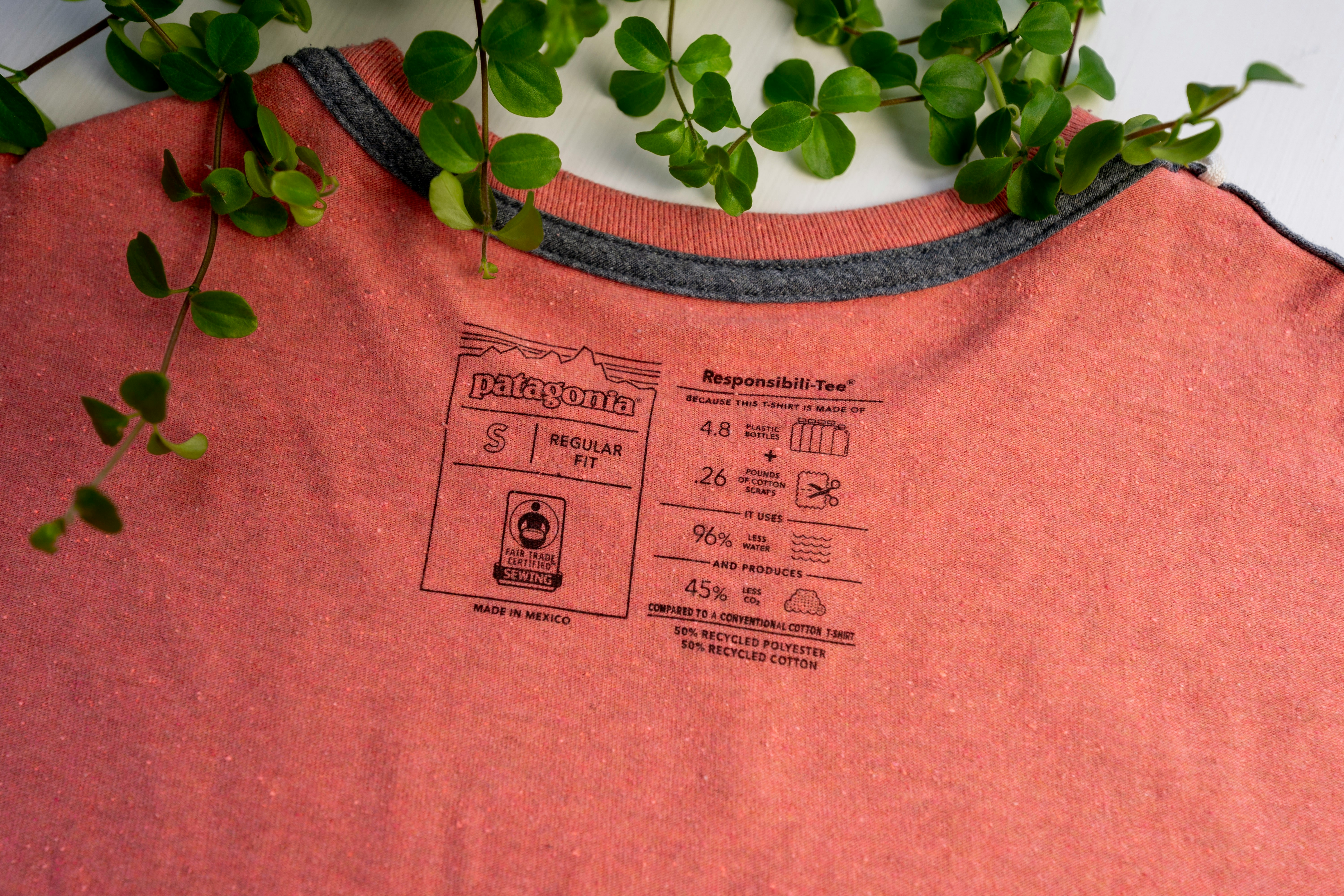
Photo by Hendrik Morkel on Unsplash
Slow Fashion vs. Fast Fashion
Key priorities for sustainable fashion include:
- Avoiding overproduction and clothing waste.
- Ensuring products are durable.
- Providing transparency regarding the origins and materials of garments.
Sustainability at the Consumer Level
Sustainable fashion requires consumers to adopt more responsible buying habits. By critically assessing brands' use of greenwashing, consumers can help propel the fashion industry toward sustainability.
This shift involves changing attitudes about fashion and being more aware during the purchasing process. Proper disposal of clothes is crucial; throwing them away contributes to landfill waste. Instead, consider donating wearable items to friends or charity shops, but avoid decluttering just to buy new clothes.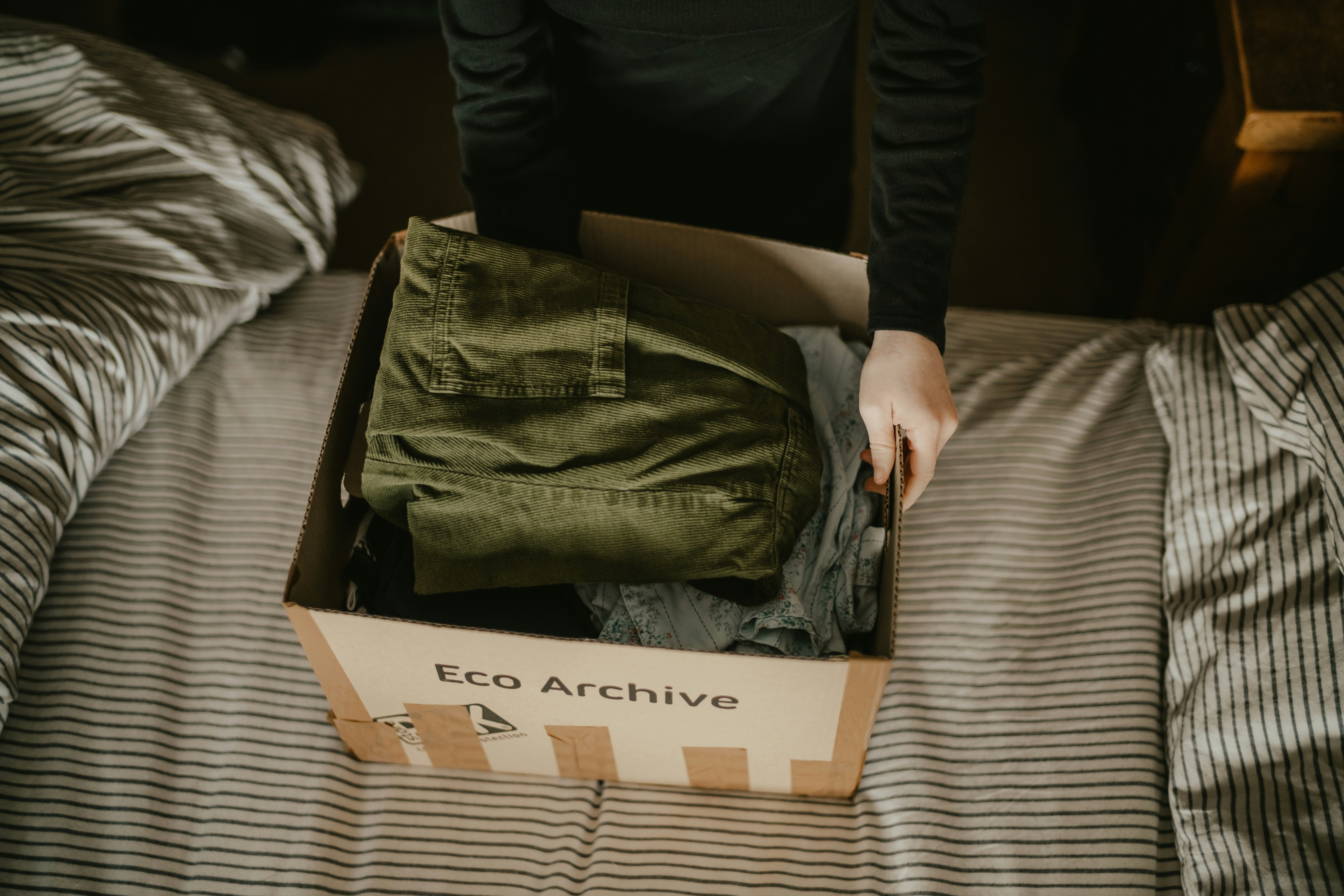
Photo by Annie Spratt on Unsplash
For worn-out items, recycling is the best eco-friendly option. While recycling options for many fabrics are still developing, cotton and polyester can often be repurposed. Although some manufacturers are starting to use recycled materials, it can be difficult for consumers to find suitable recycling channels. Sustainable change relies on both manufacturers and consumer behavior.
It’s a wake-up call for all of us! Personally, with this knowledge, I feel more compelled to support sustainable brands, embrace second-hand shopping, and, most importantly, be intentional about my purchases.
I believe our beauty is deeply rooted in Mother Nature, often more than we realize. Many fashion pieces draw inspiration from her, showcasing colors, patterns, textures, and shapes found in the natural world. Even elements like floral designs, animal prints, feathers, and materials are sourced directly from nature, such as wool, cotton, silk, and linen.
Let’s not allow our desire to look our best every day to compromise the beauty of our environment.
I think it's our responsibility to give back to nature by enhancing the beauty she provides us, rather than harming it. Being mindful of our purchasing choices can truly make a difference.


.jpg)