







Diaspora rage is the often complex and deep anger and frustration felt by people who are part of a diaspora—people who live outside of their ancestral homeland.
It is an emotional and political response to cultural erasure, feeling disconnected from your roots, and the strange, inescapable understanding of being viewed as ‘other’ or not quite native in your current country and foreign, not completely accepted, in your country of origin. It also includes the weight of representing multiple different communities while feeling ultimately voiceless in both spaces. The systematic oppression that tails diasporic population across countries.
Conflicting expectations. Historical trauma. Diasporic rage generally responds to these things by: refusing to stay silent about injustice, reclaiming identity and culture, critiquing both “host” and ancestral countries’ institutions, etc.
Let us slide into your dms 🥰
Get notified of top trending articles like this one every week! (we won't spam you)Diasporic Rage in Activism
In activism diasporic rage is often punished, because it is viewed by white-centric movements as too loud, too political, too foreign, too angry, too much. But seldom discussed as it is—perhaps as a product of how it is viewed this way, as ‘too much’—the disturbingly frequent tokenization, silencing, and/or exclusion of youth activists from immigrant backgrounds is rampant in many campaigns and spaces today and it needs to stop.
Take the Quiz: What Type of Notes Should I Take?
Discover the best note-taking method for your learning style!
Tokenization
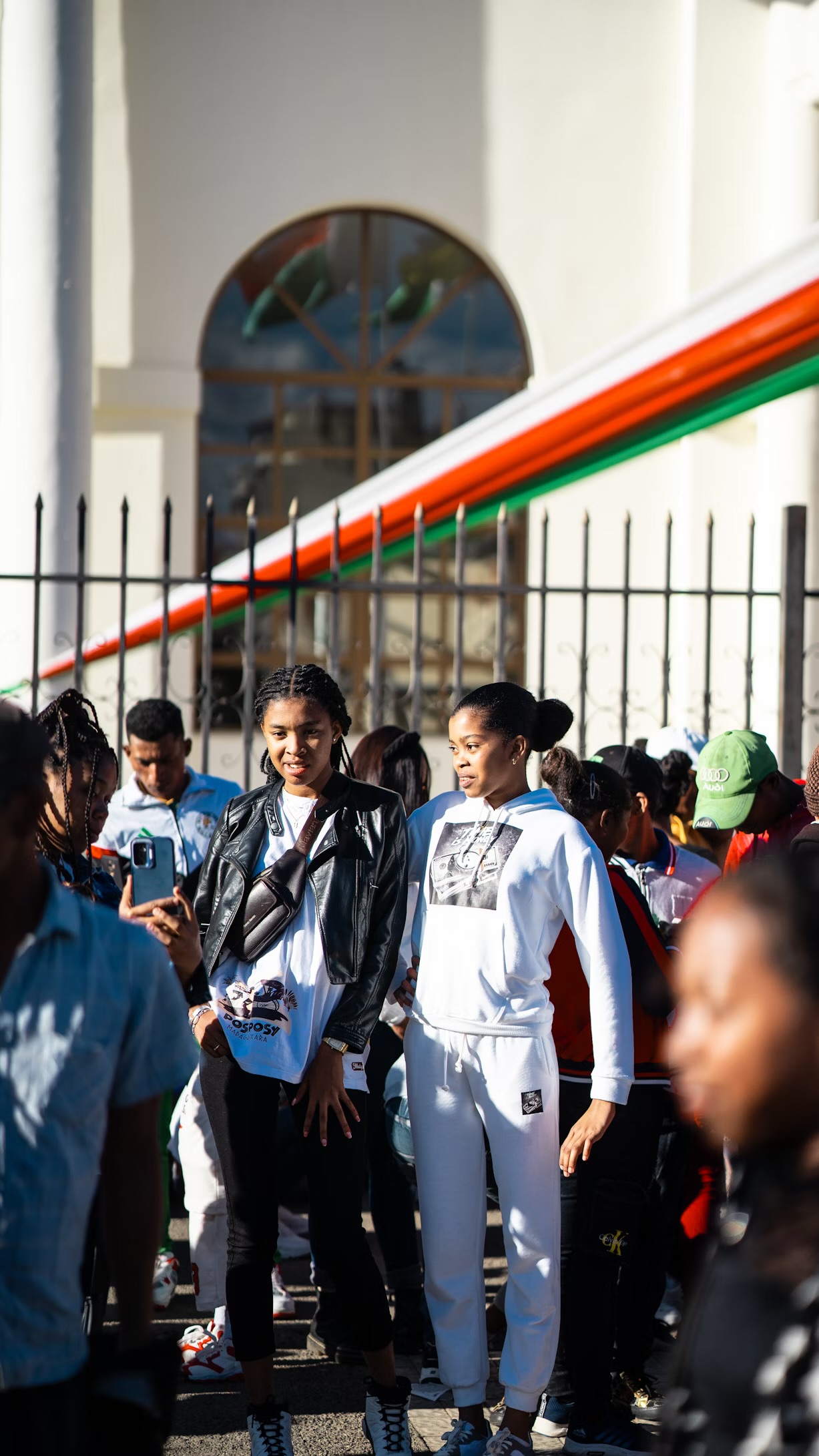
Image Credit: Shane Ryan Herilalaina from Unsplash
It’s far too often that immigrant youth are utilized as diversity props in activism spaces—included just to check a box, as a signal that a movement is inclusive and conscious about diversity. These individuals are photographed and asked to speak—but never to share their ideas in an impactful way; only to be seen as ‘proof’. The rare moments that they are actually heard out are when they’re being pushed to share traumatic experiences as a way to educate others.
And if, in these moments or otherwise, they resist or speak ‘too’ brazenly—if they challenge white saviorism or call out systemic hypocrisy—they are labeled as divisive, aggressive, and ‘too political’. Furthermore, immigrant activists are unfairly pigeonholed, expected to represent an entire community of people from the same background as them. They are pressured to speak in a manner that others will freely view as indicative of every immigrant of their community rather than as an individual activist sharing their unique perspective. This pressure flattens complexity and forces young people into implausible roles: ambassadors, educators, translators, and activists all at once.
Feeling Alienated In Your Own Movement
This quasi-subtle but perpetual marginalization leaves many immigrant youth feeling alienated even in movements they themselves helped build. Their presence is welcome, but not on a deep level, and their voice is broadcasted only when it is convenient.
Silencing and Exclusion
Additionally, they are sometimes silenced, or excluded. Sometimes directly and outrightly, but other times, perhaps more perilously: subtly, insidiously.
In ways that look like—being talked over during meetings, having young immigrant activists’ ideas ignored until someone else rewrites them, or being left out of the important decision-making spaces. When immigrant youth are invited to activism events as symbols of inclusion, the experiences they want to share are often deemed “too specific”, “too emotional”, or “not relevant to the broad conversation” if what they’re saying doesn’t align specifically with the pre-written narratives the event wants to press.
White-Led Movements & Cultural Erasure
After all, many activism movements are still dominated by white leadership—erected on narratives and priorities written by white people. As a product they can be dismissive of richer cultural perspectives or nuances. Silencing doesn’t just show up in shut-down ideas and experiences—it also also shows up through language or vernacular.
For instance, when immigrant youth are told to tone down their accent, adjust their vocabulary, or reframe their truths so they sound more palatable and curated to the ears of an audience of people that don’t come from their background. The suggestion ‘try to be more respectful or non-divisive’ is a poorly concealed key word for ‘don’t make people uncomfortable’ despite discomfort being the engine of change. In these ways, silence can become the condition for acceptance.
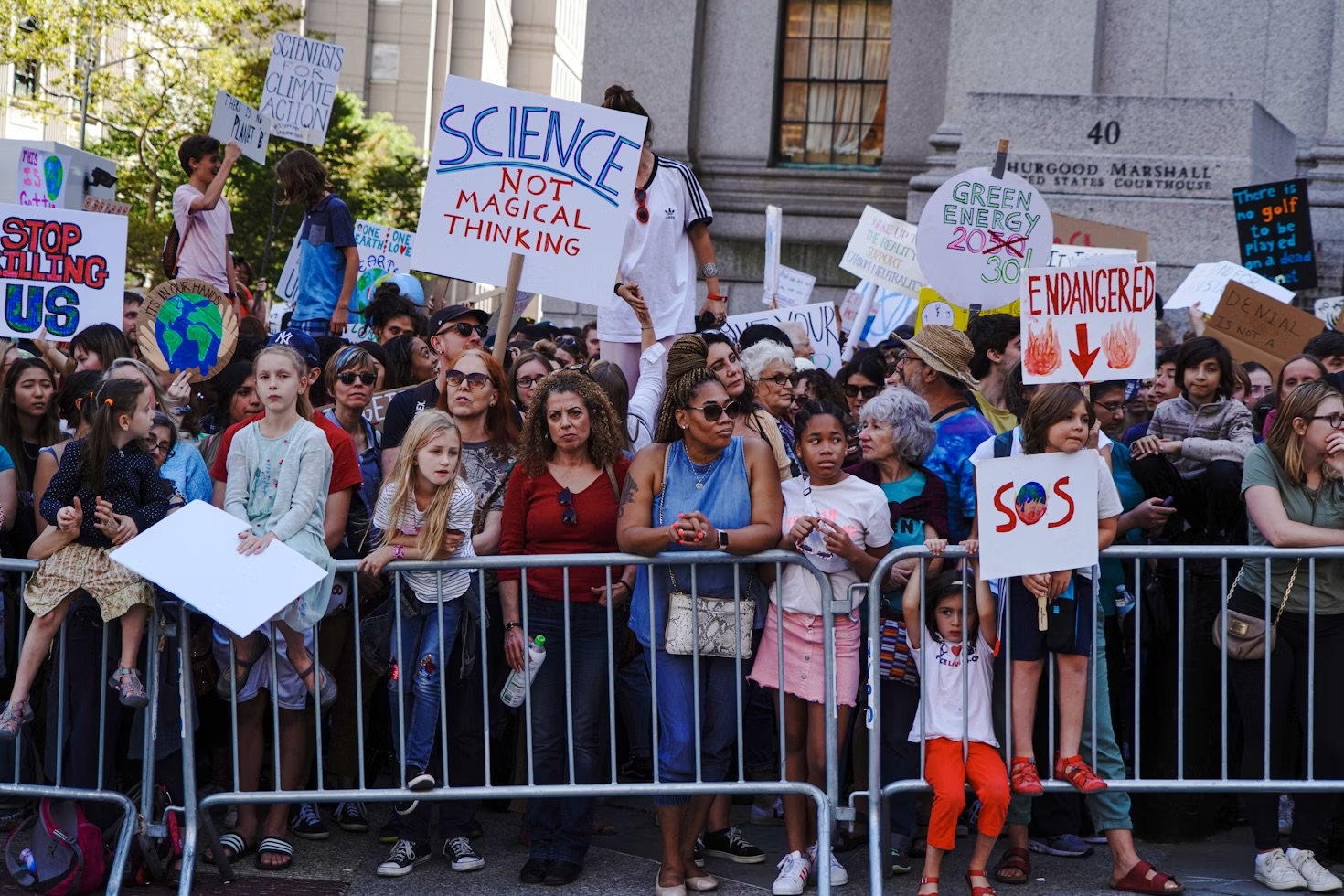
Image Credit: Katie Rodriguez from Unsplash
Examples In Our Lives
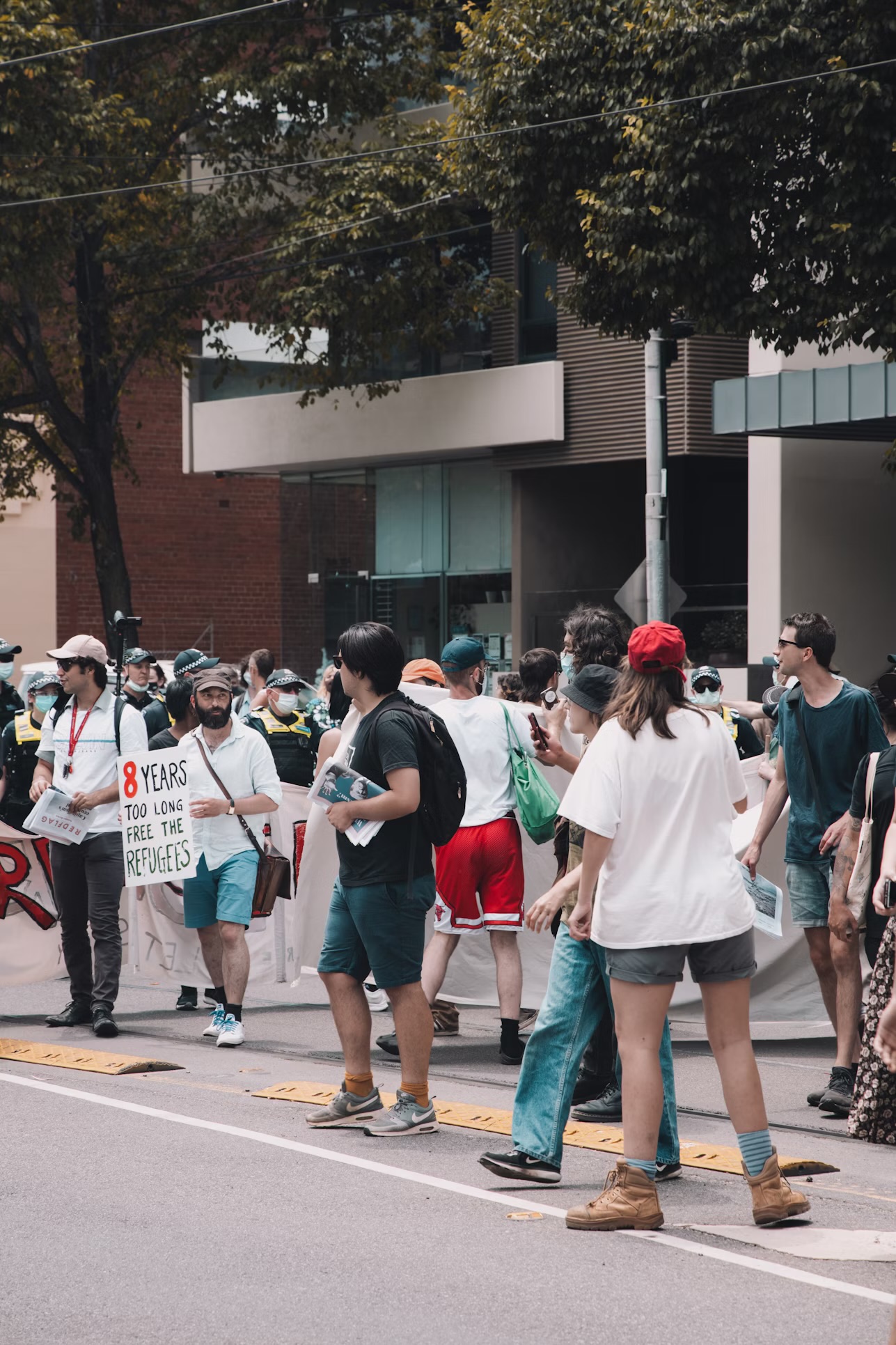
Image Credit: Pat Whelen from Unsplash
I personally am a Korean-American. My parents immigrated from South Korea in the 1990s and I was born here, in the US. But the deeper into my teenage years I get, the more I start to recognize what causes diasporic rage.
Because on the one hand is the constant pressure to assimilate—to ‘prove’, somehow, how American I am and that I fit in here. But on the other hand is the judgment that comes from your other community—for me, the Asian one—when you become too “whitewashed” to suit their idea of how and what a fifteen-year-old Asian-American girl should do, talk, eat, wear. It can be draining and frustrating, this feeling of being pulled by two different axes of gravity and not wanting to betray either’s weight.
The Weight of Gratitude
Additionally, this odd expectation of gratitude. A few months ago, a white kid around my age asked my Asian-American friend if she was grateful her parents moved to the US ‘for’ her and her siblings. I watched my friend shrug and laugh off the question automatically, but the more I’ve thought about that strange question and the complete naivety in that white kid’s voice as she asked it the more angry I’ve become.
Embracing the Rage
Diasporic rage isn’t always loud or obvious. Sometimes it bubbles up when your teacher mispronounces someone’s name for the third year in a row, when you’re told you’re “so articulate” as if it should come as a surprise, or when your uncle is mocking queer people in Korean, Chinese, Spanish, etc. and you just don’t have the words to push back in that language yet. But what do we with that rage?
Sometimes we turn it inward, unable to do anything, as much that frustrates us. Sometimes we bury it under laughter and an effort to push past the moment so we don’t become ‘that’ kid—too loud and political.
But 'That Kid' Never Really Existed
But I’ve come to see that ‘that’ kid never really existed—they’re just a construct built on white-centric storylines, classified as ‘too much’ in an effort to silence and make them self-doubt. Because diasporic rage is never something to suppress, or be ashamed of: no one deserves to be utilized as a diversity prop. No one deserves to be told that their experiences are null or not worth sharing, and no one deserves to be silenced or excluded from a conversation that’s even partly about them.