





Communication seems to be a human’s most crucial asset as well as our biggest liability: depending on how we utilize it. Sometimes we suppress the things we feel most deeply and never communicate them, and sometimes we say things we never even meant in the first place. Strangely, we also tend to argue the most with the people we love the most.
But through all these quirks and imperfections of ours, we are still trying our best to communicate and put our points across effectively. So, here are some tips I picked up from psychiatrist and Stanford professor David D. Burns’ book Feeling Good: The New Mood Therapy to help you all.
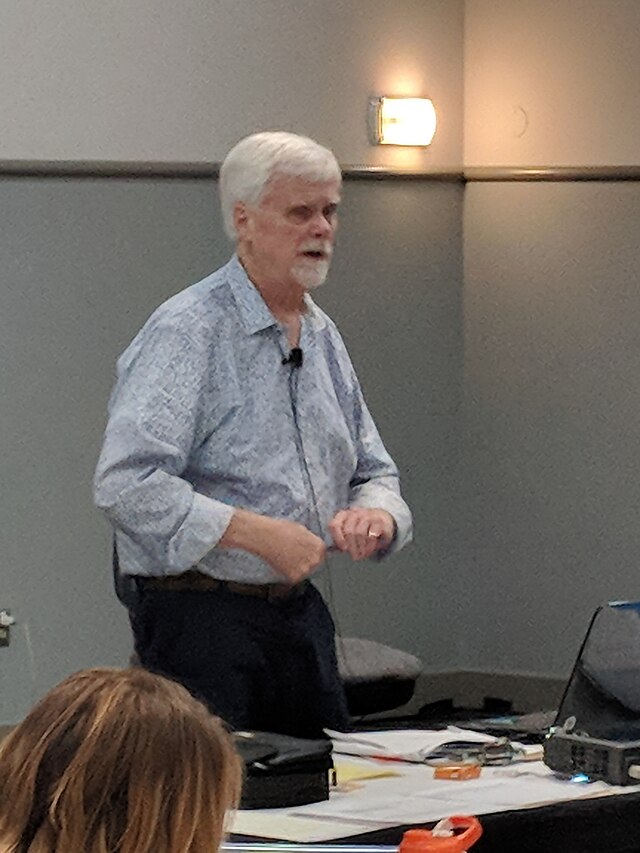
American Psychiatrist David D Burns
Image Credits: Muboshgu on Wikimedia Commons
Let us slide into your dms 🥰
Get notified of top trending articles like this one every week! (we won't spam you)Verbal Judo: How to Talk Back When You’re in an Argument or Under the Fire of Criticism
1. Start with Empathy, Not Ego
Our worst critic can be our own internal voice- or another person we’re interacting with. Either way, it can disturb our mental peace... but only if we let it.
The first step is to approach the conversation with empathy.When someone is criticizing you, they may be doing it with positive or negative intentions. Either way, the best way forward is to understand the criticism and where it’s coming from, rather than directly attacking the other person or defending yourself.
Using an empathetic tone, start by asking them to explain the criticism or differing opinion in more detail so that you can understand their perspective first.
Vague criticisms, which may stem from no fault of your own, often reflect the other person’s suppressed emotions and may have no valid explanation. But you can only understand that when you respond objectively and ask for as many details as you can.
Here’s an example conversation inspired by content from Feeling Good itself:
You: (In the role of an angry critic) David, you're a horrible person.
David: What about me is horrible?
You: Everything you say and do. You’re insensitive, self-centred, and incompetent.
David: Could you be more specific? What exactly did I do that came off as insensitive and self-centred?
You: When I called to change my appointment the other day, you sounded rushed and irritated, as if you were in a big hurry and didn’t care about me.
David: Okay, I came across as rushed and uncaring on the phone. What else have I done?
You: At the end of every session, you try to end it quickly- as if it’s all just a big production line to make money.
David: Okay, you feel I’ve been too rushed during sessions as well, and that I acted as if I was more interested in your money than you. Are there any other incidents where I was insensitive toward you or offended you?
Are you seeing what’s happening here?
As the conversation progresses, we become more aware of the concrete problems that are making the other person feel hurt. We also better understand the critic’s perspective. Instead of playing the blame game or jumping to defend yourself, you’re simply responding and gathering more information.
This conversation may seem very unrealistic and unusually calm, and that’s completely understandable. But even making 50% progress toward first objectively responding to get more clarity, rather than immediately reacting, can significantly improve the quality of the conversation.
Sometimes I come across a thought like: “Why should I always be the one who is understanding?”
And honestly, it’s annoying to always be the one putting in effort towards conflict resolution or act emotionally mature. But we are the ones who have the knowledge and awareness to communicate effectively and, in the end, improve our own mental health.
2. Name the Emotion to Tame it
Cognitive Behavioral Therapy (CBT) encourages labelling the emotions we feel or observe instead of reacting immediately. During an argument or when you are under the fire of criticism start by noticing the emotions the opposite person is going through and acknowledge them. This makes the other person feel seen and diffuses the intensity.
This could be as simple as saying, ‘I can understand why this would frustrate you’ rather than saying, ‘stop yelling.’

Image Credits: Machine Elf 1735 on Wikimedia Commons
3. Disarm by agreeing to the truth in the criticism
In whatever criticism you are facing or opposing views that are being put forward try to find a grain of truth or any common point that you agree to and acknowledge it. This shows maturity and stops any kind of blame game or defensive behavior from developing further in the conversation.
When you do not fight back and instead find a way to agree with your opponent, the person quickly seems to run out of ammunition and has successfully been disarmed.
An example of the same inspired by the contents of the book would be
You: (Continuing the role of an angry critic) David, you're a horrible person!
David: I often mess up and feel that way.
You: This cognitive therapy is completely useless.
David: There is certainly plenty of room for improvement.
You: And you’re stupid.
Slowly, the other person’s criticisms become vague and irrelevant because they are slowly getting disarmed. Even in the case of a difference of opinion this technique can be used to find common ground and agree on something in order to improve the flow of the conversation.
4. How to proceed?
Once you have disarmed the opposite person, go ahead and ensure peaceful communication where you understand that the critic can only affect you if you let them and if you yourself believe what they are saying is true.
An example from this book itself states that if you enter a psychiatry ward and a hallucinating patient comes up to you and tells you that you are the third person to walk in that day wearing red so you are an advocate of Satan, will you believe them? Obviously not.
Only the things you believe can affect you.
If you notice that the opposite view or criticism is something that you believe and once the person is disarmed you can see that they were just trying to help, thank them for the criticism and improve on it. If it was visible that the criticism didn’t hold any definitive value, well then, there is no reason for you to let it affect you.

Image Credits: Ninthgrid on Unsplash
But what about winning?
Arguments often evoke the feeling to win within us because of how society sees them as a winner and loser position for the involved people. But tell me if you really do win the heated argument by acting defensive or playing the blame game, aren’t you losing the relationship? So, are you really even winning?
Having defined the problem by asking a series of questions in a non-judgemental manner and agreeing on commonalities you will know you won as a human being because you finally perceived that your character or self esteem was never an issue in the first place.
In the end communication is not about winning or losing, it is about connecting. These tools from Dr. Burns’ book don’t just help us “argue better,” they help us build emotional intelligence, preserve our relationships, and protect our peace.