





You spent all year surviving on 6 hours of sleep, questionable energy drinks, and 1 AM panic-study sessions. Now that summer’s here… why are you still awake past midnight, doom scrolling TikTok like it’s a school night?
Sleep is important because it’s our biological reboot button, and impacts our mental, physical, and overall health. When you sleep, your brain processes crammed facts into real knowledge, your muscles recover from physical activity, and your emotions smooth out. Sleep also helps you grow, as during deep sleep, your body produces growth hormone, which influences height and builds bones and muscles. This means that when you stay up late, you’re not only negatively impacting your health and productivity, but can potentially limit your height.
The good news is that summer is the perfect time to reset your body. With school over, you no longer have to wake up to go to class or stay up late studying, and can instead go to bed earlier and wake up refreshed.
By August, you could be:
- Waking up before 9am (voluntarily!)
- Functioning without caffeine
- Actually enjoying summer days instead of sleeping through them
Here’s how to make it happen.
Let us slide into your dms 🥰
Get notified of top trending articles like this one every week! (we won't spam you)1. Set a Realistic Sleep-Wake Time
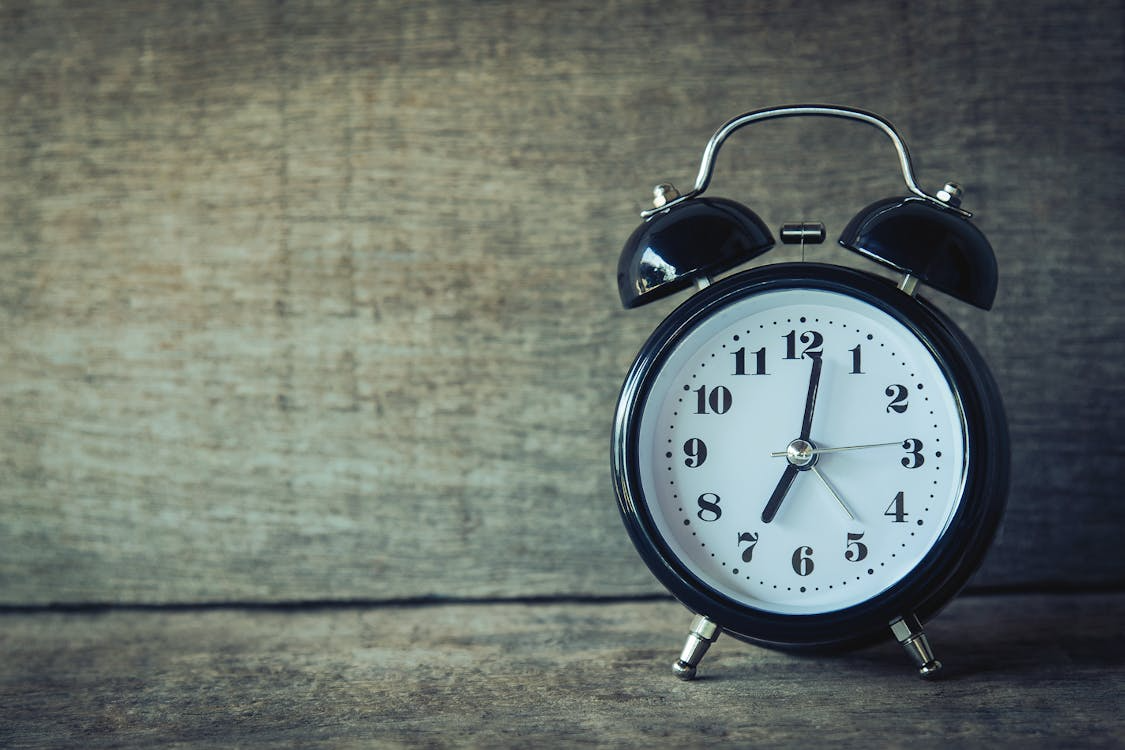
Image Credit: Aphiwat chuangchoem from Pexels
The key to fixing your sleep schedule starts with consistency. First, calculate your ideal bedtime by counting back 7-9 hours from your wake-up time. For example, if you need to wake up by 7:00 AM, aim to go to bed around 10:00-11:00 PM. However, if you have been consistently sleeping at 2 AM, don’t expect to fall asleep at 10 PM right away.
Next, make your bedtime 15-30 minutes earlier every few nights instead of forcing an abrupt change. On weekends, resist the urge to sleep in more than 1 hour past your weekday wake-up. Although sleeping until noon might feel great in the moment, it could confuse your body’s internal clock and make Monday mornings brutal.
If you stayed up late, still force yourself up within an hour of your usual time and limit naps to 20-30 minutes in the early afternoon (any longer, and you’ll sabotage nighttime sleep). This allows you to still sleep at your normal time at night, preventing delays in your body's natural rhythm.


Take the Quiz: Mood Meter: Find Your Mental Vibe
Your brain called—time to find out how it’s really feeling.
2. Eat & Drink Smarter

Image Credit: Jane T D. from Pexels
What you eat and drink impacts sleep quality. Start by cutting off caffeine intake by 2 PM. Energy drinks, sodas, and iced coffee can linger in your system hours later, so it is important to avoid drinking them late at night.
Also, avoid heavy meals before bedtime. Consuming greasy foods within 3 hours of sleep can lead to the body working overtime on digestion. However, don’t go to bed hungry either. If hungry, eat foods like bananas and oatmeal, which are rich in magnesium, potassium and help boost serotonin.
Stay hydrated earlier in the day, but reduce liquids 1-2 hours before bed to minimize going to the bathroom. Drinking tart cherry juice or chamomile tea in the evening can also help boost sleep. These small dietary changes combined with consistent timing will train your body to transition smoothly into deep, healthy sleep.
3. Exercise

Image Credit: Philip Ackermann from Pexels
Exercising is one of the best ways to improve sleep quality, but it is important that you do it at the right time. Working out during the day, such as walking or jogging, can regulate your circadian rhythm.
It has been long believed that working out before bed made it harder to get good sleep. However, recent research has shown that moderate-intensity evening workouts up to 60-90 minutes before bedtime didn’t affect the participants’ sleep. Research still does not recommend doing vigorous exercise done 1 hour before bedtime, as that would stimulate the nervous system and raise heart rate too much, making it difficult to fall asleep. Instead, you can do light to moderate activates such as yoga, stretching, and walking, which may help you fall asleep faster and get better quality sleep.
4. Reading

Image Credit: Dayan Rodio from Pexels
Reading before bed can help aid in sleeping. But scrolling TikTok doesn’t count! Blue light from technological devices can actually disrupt your sleep cycle. Instead, choosing a physical book or kindle to read from is much better.
Research has found that people that read before bed tend to sleep better and wake up less often. This is because when a person reads in bed, their heart rate slows down and muscle tension decreases. Research has also shown that for best results, avoid books that are too exciting or intense, as they can elevate heart rate, making it harder to fall asleep. Instead, researchers recommend fiction, which is positively affects emotions.
Consistency is important: making reading a part of your nightly routine will send a signal to your brain that it’s time to go to sleep. Make sure to know when to put the book down. After all, your goal is to relax, not trying to power through the book.
5. Try a 5-Minute Meditation

Image Credit: Prasanth Inturi from Pexels
Meditation has numerous benefits, and is suggested as part of many spiritual and health wellness modalities. Meditating can repress stress hormones (like cortisol) and calm the nervous system. Guided meditation, or meditating on one's own, for 10-15 minutes before sleeping every night, will lower a person's heart rate and prepare them for deep sleep.
The best way to understand the benefits of meditation is by experiencing it yourself. Consider trying this simple practice. First, lie down or sit on a chair comfortably, close your eyes, and make sure to relax while paying attention to your breath.
Then start counting full breaths up to 10. A full breath includes one inhale and one exhale. After you reach 10, simply restart back to 1. You may start to realize that your breath becomes longer, slower, and deeper. At the end, you can release all control, letting sleep take over.
Other than that, there are lots of guided meditations or body scans on Spotify that you can choose. Don’t wait, start today!
Conclusion
Fixing your sleep schedule isn’t about becoming a perfect morning person. Instead, it is about upgrading your energy, mood, and focus so you can enjoy your summer (or survive school once it starts).
I used to be the person who stayed up way past midnight, and woke up on a school day feeling exhausted. However, I made sure to slowly change my schedule, so now I can wake up on school days (without an alarm) and feel energized. I also started reading and meditating for a few minutes right before I go to bed, and they have greatly helped me fall asleep faster.
Start small. Pick one tip and build from there. Your brain and body will adapt faster than you think.
Soon, this miraculous feeling of waking up refreshed wont feel like a miracle, it will be your everyday life. You got this!



.jpg)





.jpg)

