


Hopefully, you spend a lot of time reading: from online articles to fictional novels to textbooks for school. So, you should make sure you're reading in a way that's as effective as possible. This is especially true for textbook work, or other scenarios where you want to make sure you're consuming and recalling as much information as possible, but it's also relevant when reading fiction for pleasure. These are some common mistakes you're likely making while reading and how to optimize your reading experience!

Image Credit: Yaroslav Shuraev from Pexels
Let us slide into your dms 🥰
Get notified of top trending articles like this one every week! (we won't spam you)Using a Guide
We've all been there: you're reading a paragraph, probably for school, but when you get to the end of that section, you realize you don't remember anything you just read. Maybe it's late at night, and your eyes keep darting from sentence to sentence without fully registering what the author is saying. This issue can be fixed (or at the very least improved) by using a guide; this involves moving your finger or a pen under the words as you read to help your eyes follow the text.
Following this method will help you focus and reduce the strain on your eyes. It will also likely improve your reading speed and comprehension as well, especially if you get used to using it!
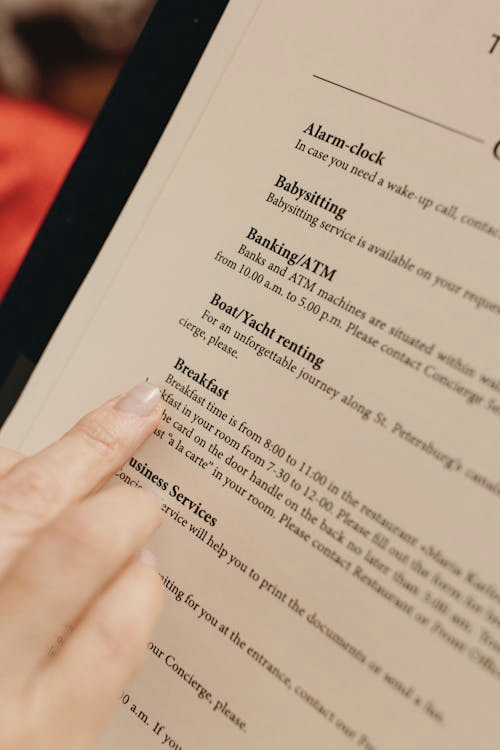
Image Credit: Anastasia Shuraeva from Pexels


Take the Quiz: What Type of Music Should You Listen to While Studying?
Not sure what music would help you focus best while studying? Then this is the quiz for you!
Previewing a Text
Previewing is when you scan through a text briefly to understand its structure and key points before actually reading in depth. This technique improves comprehension of a text and also makes you more likely to remember it. It is particularly useful when reviewing non-fiction work.
For example, say you've been given a textbook passage to take notes on and read for school. You probably want to get this done pretty quickly, so instead of reading the text, it might make more sense to preview it. Your level of detail in previewing might vary as well. Depending on the task at hand, you might want to just look at the subheadings, images and bolded terms. However, if you need more information, you probably want to read the first sentence of each paragraph. This method can also help you determine whether or not you want to read a book. Say you're at a bookstore and pick up an interesting book about history or literary devices—you may preview it and discover its contents aren't something you want to learn more about.

Image Credit: RDNE Stock Project from Pexels
Setting a Purpose
This is another quick tip that won't take too long to apply and will enhance your reading experience. Although it seems unnecessary, clarifying what your goal is before you start reading will help you stay focused, improve your understanding, and make sure you get the information you wish to attain. You might not want to do this for a random article you saw online that was only going to take 5 minutes to read anyway, but for longer texts or books, it will guarantee you make effective use of your time.
This can be true for fiction as well. Even if you're reading for pleasure, it's useful to try and understand why the author wrote their novel the way they did; for example, if you're reading an existential text, you likely want to aim to understand which philosophical concepts the author was exploring and how. This way, you'll pick up on finer details you otherwise may not have noticed. Fiction is fun to read, but it's important to note that a lot of authors are likely trying to convey an impactful message!
Image Credit: Caio from Pexels
Conclusion
These are just a few examples of quick methods you can use that won't take too long to apply. There are many different strategies designed to optimize reading. You might even want to try speed reading or photoreading.
These types of reading will probably take a lot longer to learn, but they would allow you to unlock completely new perspectives on books you thought you already knew everything about. On the other hand, there's no one way to read. These tips are designed to improve your focus and retention of information, but if you decide you're fine with the way you currently read, that's great too!