



Have you ever felt like your brain just won’t turn off, no matter how hard you try? Maybe your heart races, your mind spins, and even when you finally get a break, you can’t relax. If this sounds familiar, you’re not alone and you’re not “just being dramatic.” There’s real science behind why so many teens today feel anxious, burnt out, and stuck in overdrive.
Let us slide into your dms 🥰
Get notified of top trending articles like this one every week! (we won't spam you)The Real Reason You Feel Stuck in “Go-Mode”
Let’s face it: life right now is a lot. Between school, social media, friendships, family, and the constant stream of news, it’s easy to feel like you’re always “on.” For Gen Z, mental health struggles are at an all-time high. It’s not just stress, it’s your nervous system getting stuck on high alert, making it tough to ever truly chill out.


Take the Quiz: Mood Meter: Find Your Mental Vibe
Your brain called—time to find out how it’s really feeling.
Slowing Down: More Than a Trend- It’s Science
You’ve probably seen the phrase “nervous system regulation” all over TikTok and Instagram. But here’s the thing: this isn’t just a wellness trend or a cute aesthetic. Slowing down is a powerful, science-backed way to help your body and mind recover from stress.
We all have times when we have asked ourselves how to regulate our nervous system, how to calm our nerves, or how to just relax after a stressful day. You’re not alone. Most of us struggle with signs of nervous system imbalance without even realizing it.
But we do have good news. You can train your nervous system to respond with more calm and less chaos.
The Autonomic Nervous System
The autonomic nervous system is like your body’s control center for emotions and reactions, made up of the sympathetic (“fight or flight”) and parasympathetic (“rest and recover”) systems. When you face stress, the sympathetic system gears you up to respond, while the parasympathetic system helps you calm down afterward. Balance between these two is essential for feeling in control and emotionally healthy.
Too much stress response can make you anxious, while too much relaxation can leave you feeling flat. Keeping both systems in harmony helps your body and mind handle life’s ups and downs more effectively.
And when you intentionally slow down by breathing deeply, moving gently, or just unplugging for a few minutes, you’re teaching your nervous system how to calm down. It's like giving your brain and body a fresh start.
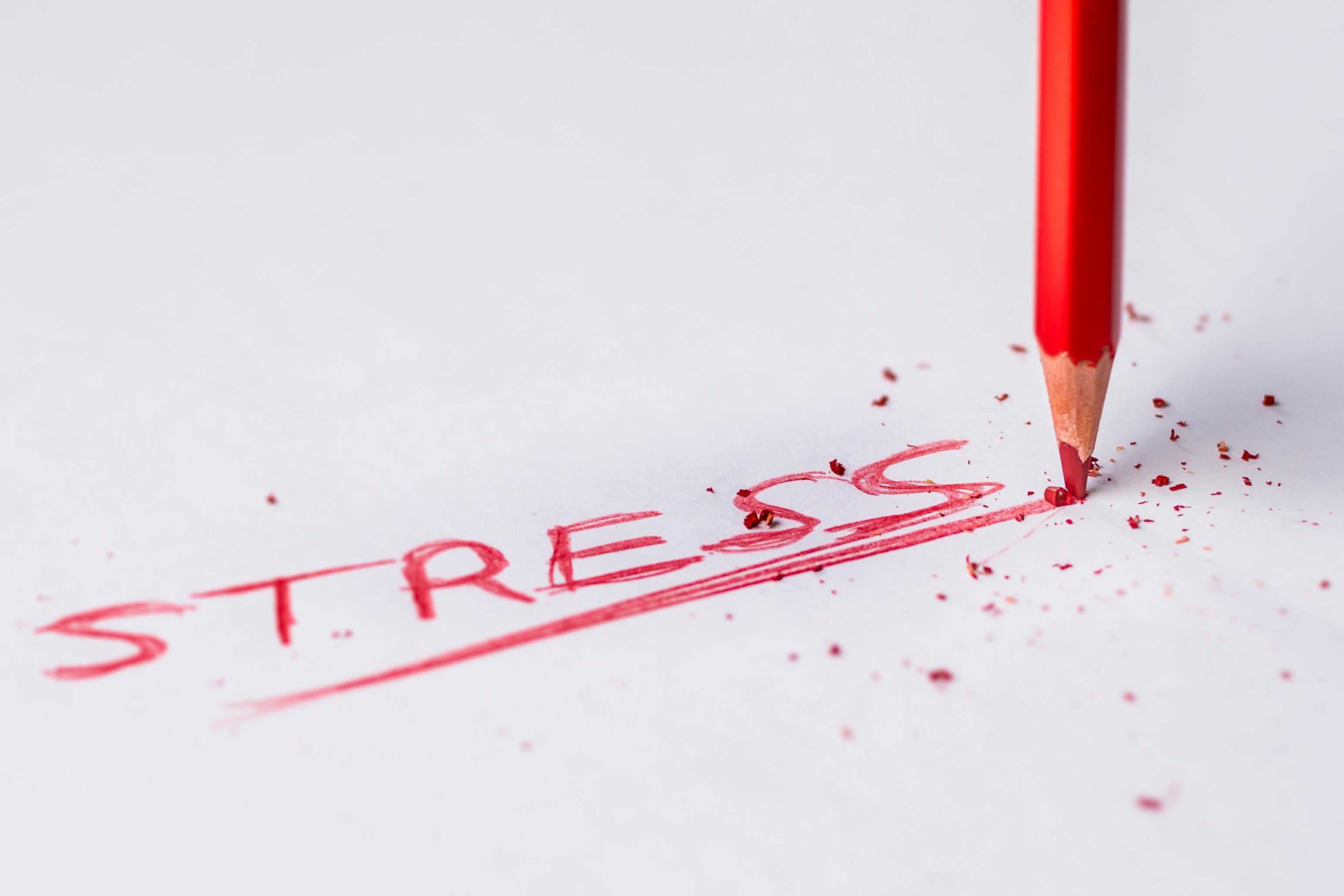
Image Credit: Pedro Figueras from Pexels
How Stress Affects Your Nervous System and Steps to Regain Control
Stress triggers your body’s “fight or flight” response, causing symptoms like a racing heart and tense muscles as your sympathetic nervous system kicks in. While this reaction helps you handle immediate challenges, staying in this high-alert state for too long can harm your health. Chronic stress keeps your body flooded with stress hormones, leading to fatigue, irritability, sleep problems, and even serious issues like high blood pressure and a weakened immune system. Maintaining balance in your nervous system and your health as a whole depends on how well you manage stress.
Signs and Causes of Nervous System Dysregulation
A dysregulated nervous system means your body is stuck in either constant high alert or sluggishness, leading to symptoms like anxiety, panic attacks, sleep problems, fatigue, digestive issues, and muscle pain. This imbalance is often caused by chronic stress, burnout, trauma, poor sleep, unhealthy eating, or not making time to relax. Recognizing these signs and triggers is the first step toward restoring balance and supporting your overall health.
Identifying Triggers for Stress & Nervous System Dysregulation
To identify your stress triggers and nervous system dysregulation, reflect on situations that cause anxiety. Keeping a journal can help track your emotions and reveal patterns in your stress responses. Practicing mindfulness can also enhance your awareness of what affects your well-being.
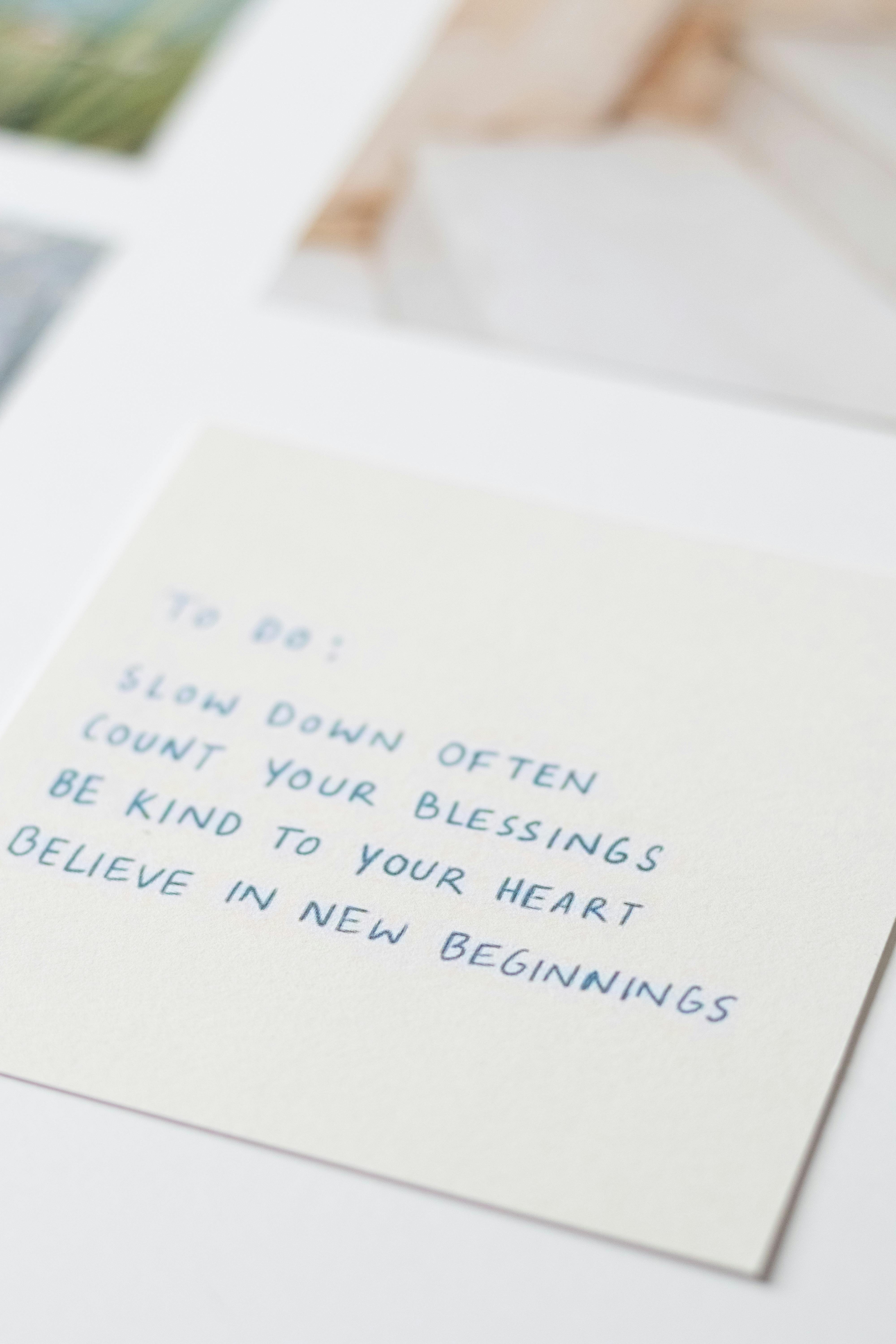
Image Credit: Fiona Murray from Pexels
How to Calm Your Body (Even When Your Mind Won’t)
Ready to give it a try? Here are some easy, proven ways to help your body chill out—even if your thoughts are racing:
1. Try the 4-7-8 Breath
Inhale deeply for 4 seconds, hold your breath for 7 seconds, then exhale slowly over 8 seconds. Repeat this cycle 3 to 4 times. This easy technique tells your body it’s time to relax and feel safe.
2. Move, But Make It Gentle
You don’t have to run a marathon. Try stretching, taking a slow walk, or doing some light yoga. Movement helps release built-up tension.
3. Unplug—Even for 10 Minutes
Put your phone on “Do Not Disturb” and step away from screens. Give your mind a break from the nonstop stream of notifications.
4. Get Grounded
When you feel overwhelmed, focus on your senses:
- 5 things you see
- 4 things you can touch
- 3 things you hear
- 2 things you smell
- 1 thing you taste
It’s a fast method to ground your mind in the present moment.

Image Credit: Andrea Piacquadio from Pexels
5. Permit Yourself to Rest
Rest isn’t lazy—it’s necessary. Your body and mind require rest periods to restore their energy. Don’t feel guilty for taking a break.
6. Slow Down & Be More Present in the "Now"
Try brushing your teeth slowly, sipping your coffee instead of chugging it, or walking more slowly to school. Sensing the ground beneath your feet, the texture of an object close by, or the warmth of sunlight on your skin can help ground you and remind you to live in the now. Small changes like these help your nervous system learn to relax.
7. Hug Yourself
Wrapping your arms around yourself can create a sense of calm, love, and security. It’s a simple way to feel grounded and comforted.
8. Try the "Banana-Chicken dance"
This one has to be my personal favorite, for those who don't know what the viral "Banana-Chicken dance" is, it's a funny dance that involves chicken-like motions, and banana-shaped wiggles with a very catchy beat.
But it's more than just some TikTok dance; it is a great way to regulate your nervous system and emotional response. And you should try it even if you don't want to post.
You’re Not Alone (And You’re Not Broken)
If you’re feeling anxious, burnt out, or just “off,” know that you’re not the only one. So many teens are dealing with the same struggles. It’s okay to ask for help, talk about how you’re feeling, or reach out to someone you trust.
Remember: slowing down isn’t about ignoring your problems. It’s about giving your body the tools it needs to handle them. When you practice nervous system regulation, you’re building real resilience, and that’s something to be proud of.
Taking care of your mental health isn’t just self-care—it’s self-respect. Try slowing down, even for a few minutes each day, and see how your body responds. You deserve to feel calm, balanced, and in control.