


Classics adaptations are notoriously hit-or-miss. Some of them, like Pride and Prejudice (1995 and 2005), are embraced by both the original fans and the general public, finding themselves to be beloved in their own right. But then you get to Rebecca (2020) and you start to feel wildly apprehensive every time another classic makes it to the big screen.
Unfortunately, Fennell's Wuthering Heights, which is set to come out in early 2026, is already establishing itself as firmly in the latter territory of doomed book adaptations. And, as a great fan of the Emily Brontë masterpiece, I feel well-placed to give you all the reasons why I won't be heading to the cinema for this movie monstrosity.
Let us slide into your dms 🥰
Get notified of top trending articles like this one every week! (we won't spam you)Saltburn Said It All
I've already been burned once by Emerald Fennell, and whilst one film does not define a director, I think Saltburn conveys a lot of the fundamental issues we can look forward to in Wuthering Heights as staples of her style and creative intention. The 2023 film, also starring Jacob Elordi alongside Barry Keoghan, had a fairly universal reception across the board: What did I just watch?
Even for those of us who delayed seeing it for months, it was impossible to avoid scandalised internet discourse about a certain bathtub scene. But that's the issue with Fennell's work: it betrays a desperate need to present as provocative, but only superficially, playing up the shock factor to disguise the shallowness hiding in plain sight.
In our digital age, it seems that success can be equated to Twitter memes and quasi-intellectual video essays about your film. Only that leaves something greatly lacking, with all the poetry lost for a chance at a brief media storm. We can expect a similar approach for Wuthering Heights, as made obvious by the immediate chaos unleashed by the test screening of the film.
We are told to expect gratuitous sexuality galore, endless innuendo, and even a potential "dog collar" according to Kharmel Cochrane, the casting director. All fun but deeply boring if it is just there to distract from the inevitable emptiness. We aren't in the puritan 20s any longer - an audience desensitised to ankles (and everything else) shan't be impressed by the tediously salacious alone.

Take the Quiz: Which Gossip Girl Character Are You?
Discover which Gossip Girl character matches your drama, style, and secrets
Margot and Jacob
Image credit: Thomas from Pixabay
I liked Barbie (2023) as much as the next girl, but Margot Robbie is simply not Catherine Earnshaw, and she never can be. Cathy is around 18, so, even in terms of insane Hollywood casting, a 35-year-old woman playing her seems far-fetched. But if only age were the biggest problem.
That, of course, is the fact that both Elordi and Robbie are Hollywood incarnate. Glossy and gorgeous, they can grace my screen anytime – except when they're trying to convince me they belong on the Yorkshire moors. The topic of 2025 faces has been vaguely broached in online debate, but there is merit in it. Nothing breaks suspension of disbelief like a face that abides too rigidly by our current beauty standards, and this is only intensified by the fact that the two stars are household names.
Girls Don't Like Anachronisms
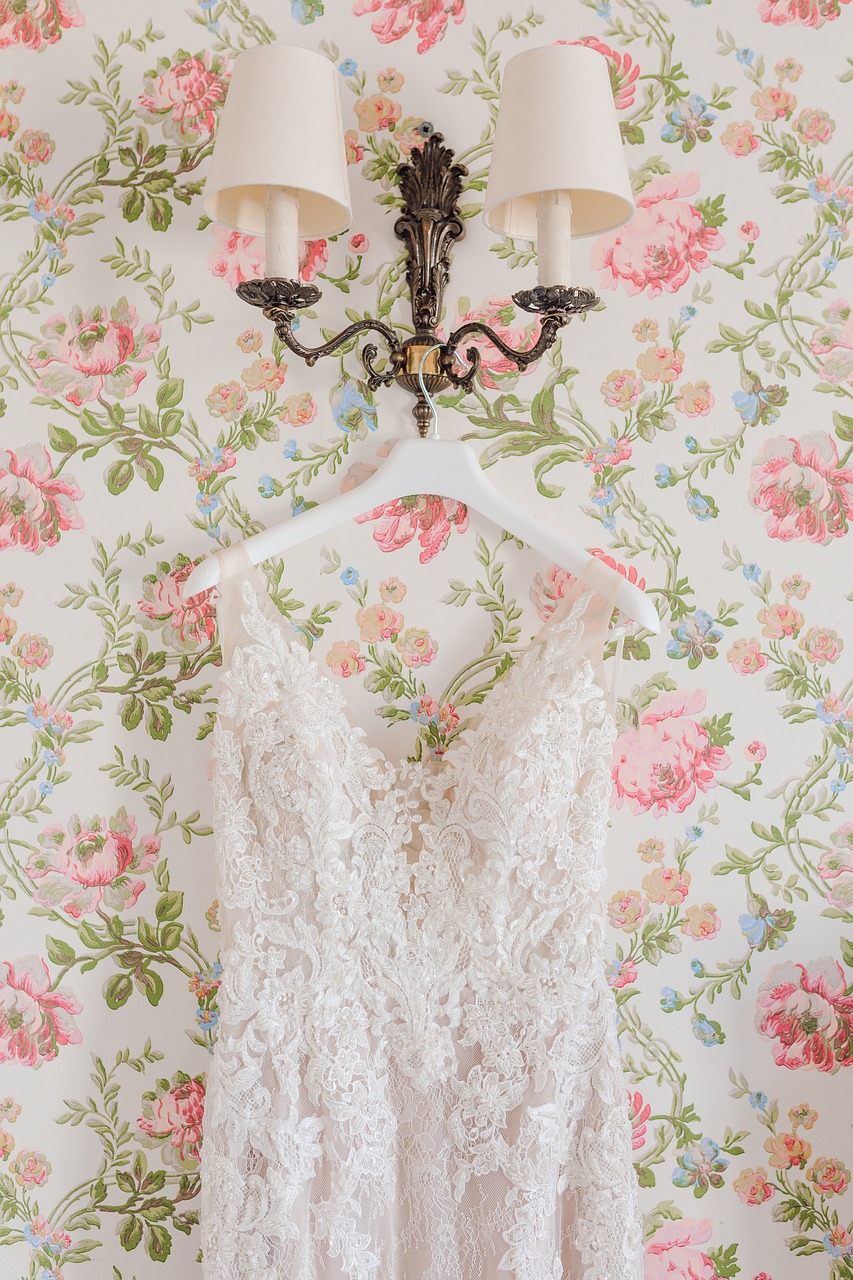
Image credit: Lisitsa from Pixabay
When photos of Margot Robbie clad in a billowing, puff-sleeved white wedding dress took over the internet back in March, history buffs all over the world had things to say. The fact is, white wedding dresses would not come into popular fashion until Queen Victoria's marriage to Prince Albert, an event following the setting of Wuthering Heights by a good few decades.
This is perhaps a less serious issue with the new film, especially when so many other adaptations have done so well without abiding by the constraints of historical accuracy.
I personally love dramas that are vaguely inspired by historical events but are more indulgent than anything else. Think The Great with Nicholas Hoult and Elle Fanning, or even Bridgerton. The issue is that Wuthering Heights is so very much defined by its setting of the windy moors and its genre as a gothic novel.
I will mourn, like many other fans, all the great things that could have been achieved with the help of some historical consultants on set. It is when considered in conjunction with the myriad other issues that the anachronisms within this film start to grate on a person.
Race Madness
Suddenly, accusations that the new film has "whitewashed" the character of Heathcliff have arisen – but do they have any real weight?
Well, sort of. The original text never explicitly claims Heathcliff to be an ethnic minority, and past adaptations have almost always erred on the side of casting him white (with the 2011 film with James Howson being a rare, refreshing exception).
However, any literature student worth their salt could not miss the clear markers in the novel that allow for race to be deliberately and powerfully unclear. Emily takes care to note that the "dark-skinned gypsy" was found in Liverpool, Britain's primary slave-trading port that now has an International Slavery Museum to educate visitors on the city's colonial past.
There is also literary value in Heathcliff being non-white (regardless of whether this entails being Romani or African), as a common contemporary fear was the idea of reverse colonialism: the periphery doing unto the centre what had been done to them. The Gothic genre is notorious for exploiting these sorts of fears, and so this post-colonial lens only provides us with more to enjoy in Brontë's singular novel.
My personal gripe with the upcoming adaptation is not simply that Heathcliff is being played by a white man, but that he is played by a white man whilst Edgar Linton, Cathy's other love interest, is played by a man of mixed Pakistani, Scottish, and English descent. Shazad Latif as Linton is a peculiar decision that confuses a fundamental issue in the novel, the choice between the two men and the diverging worlds they represent.
Described as having "light hair and fair skin", Linton is Heathcliff's exact opposite, and Cathy marrying Linton is a rejection of her wild, unrestrained childhood. I am not the sort to immediately devolve into raging paroxysms about race-blind casting, but in this film, the consequences of it are that the key ideas in the novel are lost. And, once they are lost, what are we really left with beyond a vague historical romance where the characters have the same names as some Emily Brontë characters from 1847?
(I won't even deign to comment on Hong Chau as Nelly; I daresay you get my general angst)
The Marketing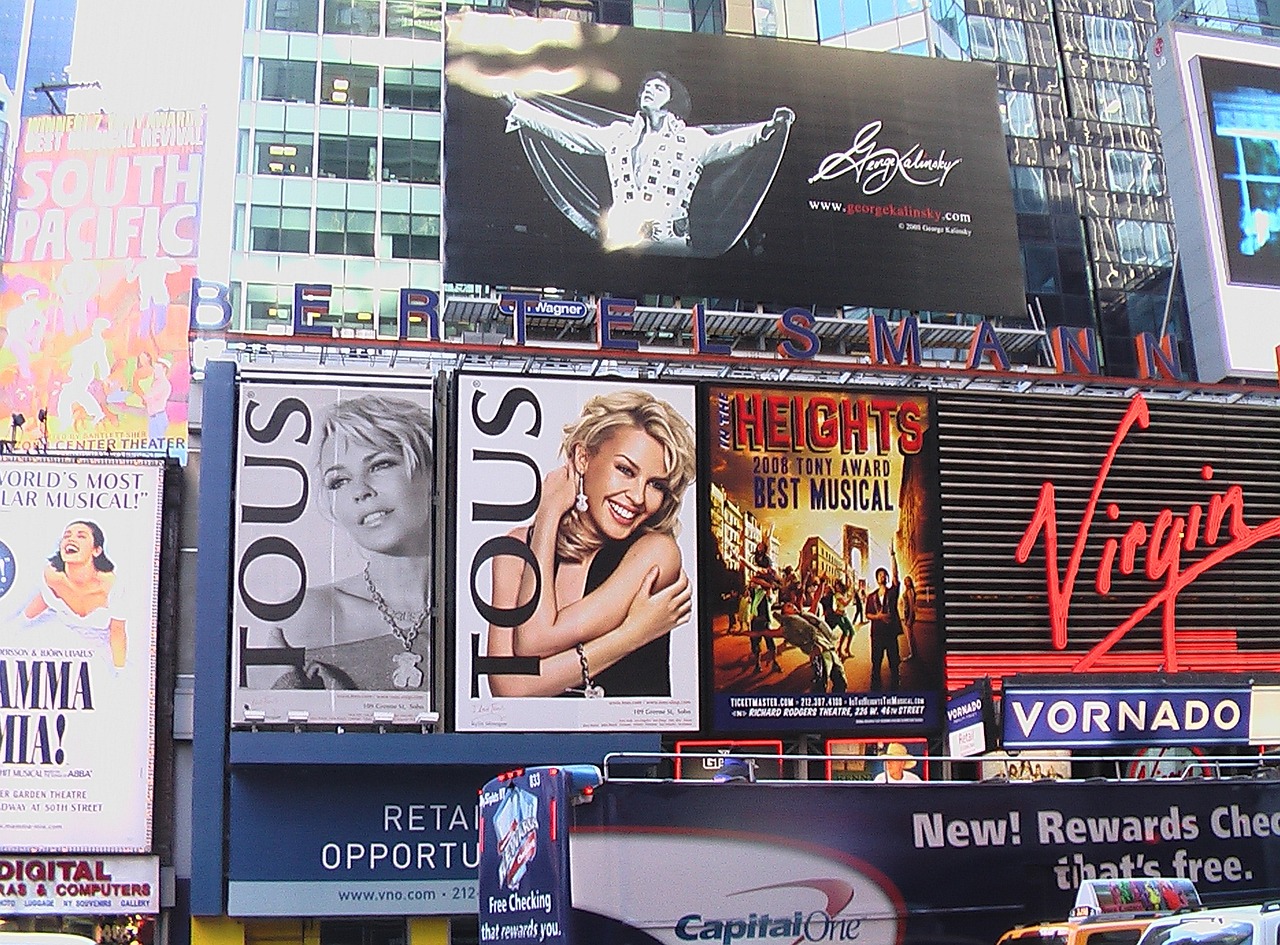
Image credit: Maus from Pixabay
Marketing can make or break a film. In our era of social media, it is more important than ever before to curate a decisive promotional campaign, something that plays to the algorithms that dictate our feeds and lives with ease.
So when billboards popped up with phrases like "Drive me mad" and "Come undone", I was left only wearily dismayed. This sort of marketing is befitting of Colleen Hoover novels, highly eroticised but otherwise stale.
Naturally, these billboards are deliberately vague, existing to create mystery about potentially taboo love beyond mortal boundaries like death. The absence of the actual film title on all the posters is effective in provoking curiosity, but there is nothing particularly Wuthering Heights about the marketing, as a direct result of the shock factor being prioritised.
And nothing is more shocking than the unreleased Charli XCX's songs lined up for this film; this one's more odd than truly offensive, revealing a deeply strange creative vision.
The film is also scheduled to be released on the 13th of February next year, otherwise known as Valentine's Day. If that does not suggest there is some serious genre confusion here, I don't know what does.
They Dissed Emily Brontë
Carrying on from the way this film is being marketed as a hot new romance, the sort that can be reduced to commodified tropes like "enemies-to-lovers", there is a clear disconnect between the creators and existing fans.
I don't mean to suggest for a moment that pandering to fan wishes is a better way of making a film; in fact, doing so has been the cheapening of lots of other franchises. However, antagonising the fanbase is hardly any more sensible, and that is exactly what we have seen so far from Wuthering Heights.
The aforementioned casting director, Cochrane, has coined the novel by Emily Brontë "just a book". Dismissive and far too giddy in its anti-intellectual sentiments, this has only served to alienate the very people whose support this film could have enjoyed.
For fans of Wuthering Heights, it is certainly not "just" a book (as if being a book is somehow insufficient if you want to matter) and is instead an infamously subversive story that could only be published under a male pseudonym, Ellis Bell, and garnered moral controversy on publication. The filmmakers would do well to recognise how daring the book was in its own right, despite not being a 2025 BookTok dark romance.
Image credit: un-perfekt from Pixabay
The ill-phrased statement has betrayed the relationship the creators have with the source text. Rather than being inspired by it in any meaningful way, it is only an obstacle to whatever the true, blurry intention of this film is. This might be the greatest shame of all, for even a haphazardly constructed adaptation can be appreciated for the love of the original text that is obvious throughout. Being deprived of this in the 2026 film is perhaps what makes me so firm in my decision not to watch it in February.
Parody or Not
The big gotcha Fennell sympathisers have been brandishing smugly has been the fact that there have been quotation marks consistently around the film title in all posters. This, they say, is proof of the entire project being some great, deeply intelligent parody.
I take umbrage at this. Parody has become a convenient safety net for artists with flimsy creative direction. When done well, it is brilliant and provides smart social commentary. But then you get Sabrina Carpenter's album art for Man's Best Friend being desperately called satire, and that being a neat, protective fix for the very valid issue of appealing to the violent male gaze under the guise of postfeminist aesthetics.
I would argue that in the case of Wuthering Heights, there is a sense of Schrodinger's parady at work. If the film ends up pleasing reader sensibilities, it becomes a serious film adaptation, but when the execution of certain elements falls flat, that can be hastily attributed to satire. And, if you disagree with parody being a good enough reason for those decisions, then you are simply not cultured enough to get the deeply complex joke.
Sometimes it's not a parody, it's just a mediocre film.
Final Thoughts
Hopefully, this article has given you an insight into some of the issues with the upcoming Wuthering Heights adaptation and provided the facts in the midst of social media frenzy. Maybe these reasons will keep you from watching the film too, or perhaps you'll end up in a cinema on Valentine's Day, just to see if it's really that bad
Either way, the film has raised interesting questions about the role of adaptations and, if it gets more people reading Emily Brontë's gothic romance (even out of morbid curiosity or as preparation to watch the new film), I'll be glad for its existence.