


Gracie Abrams, Olivia Rodrigo and Phoebe Bridgers are only three of thousands of popular artists making music today. But what thread connects them all? Why are they so commonly referred to as contemporaries when they make different sounding music? The answer is more complicated than one may think.
Let us slide into your dms 🥰
Get notified of top trending articles like this one every week! (we won't spam you)Gracie Abrams
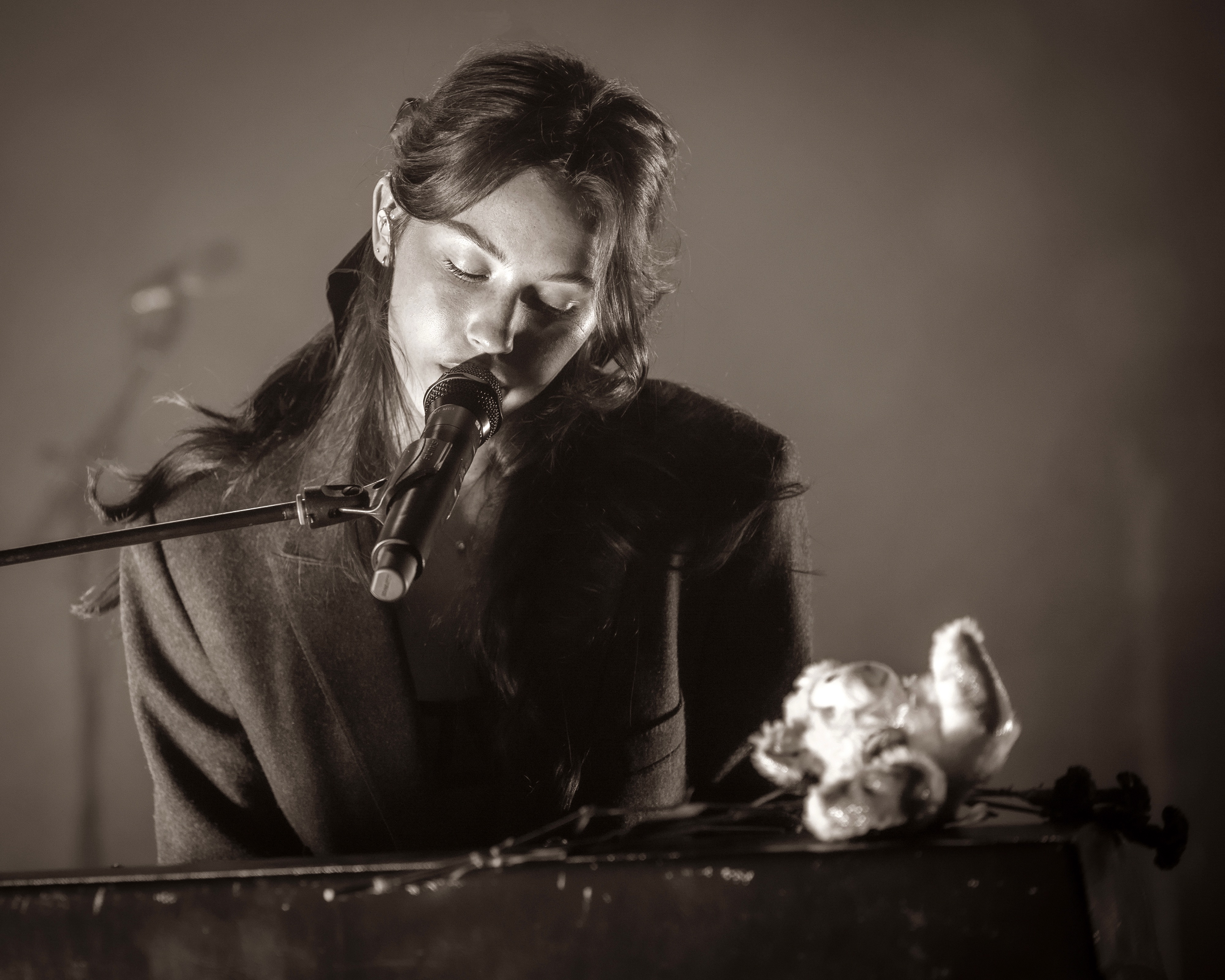
Image Credit: Justin Higuchi from Wikimedia Commons
Gracie's soft, raspy almost whisper-like tone recalls hushed whispering between two people, heads in their hands wondering what went wrong.
"Oh isn't it strange? We'll die anyway".
This lyrics from Two People, a song on Abrams's 2023 album, Good Riddance speaks to her ability to put confessional feelings about relationship anxiety into a simple stated one-liner. She essentially states that if our relationship is doomed from the beginning, why even start it? There is no path except a parallel one for these individuals. The end-of-the-world atmosphere created by this song is only heightened by its melancholic production, including Abrams's classic harmonies and barren production style. This song feels as though the thread connecting them is slowly withering away, only leaving a few crumpled-up strings behind in the aftermath.

Take the Quiz: What’s Your Secret Superpower? This Quiz Will Reveal Which Singer Icon You Resemble
This fun quiz will unveil your unique qualities and reveal which music icon you resemble the most.
Olivia Rodrigo
Although Olivia Rodrigo is not known for her "whisper" style of singing, she was the sad girl music IT girl for a moment in time. You truly could not go anywhere without hearing driver's license, deja Vu or good 4 U in the year 2021 (and even till this day). Her album SOUR, which included the songs mentioned above, remained top of the charts for weeks upon weeks and became one of the greatest selling albums of this decade. Keep in mind that she was only 18 when her debut album was released.
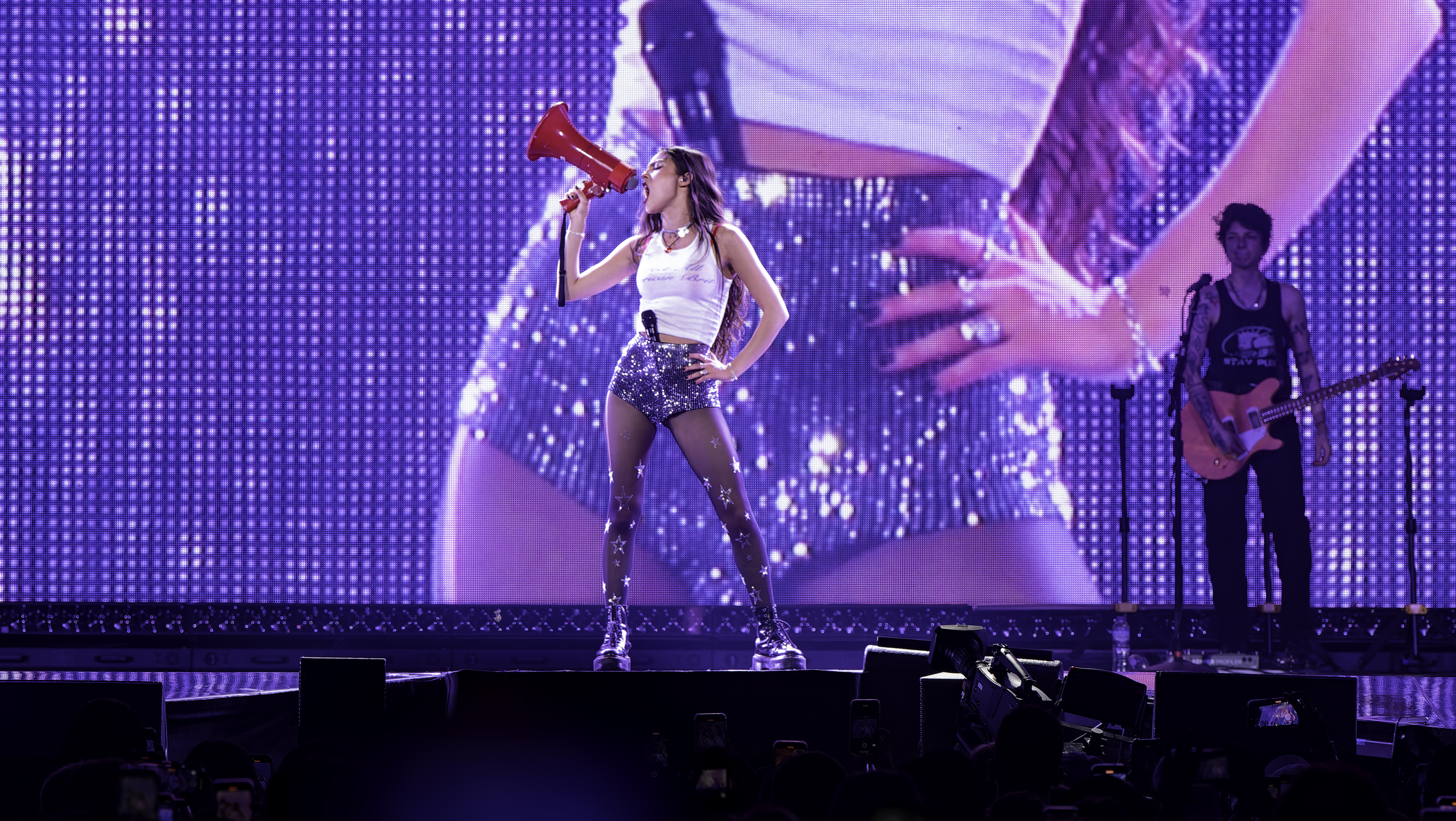
Image Credit: RalphPH from Wikimedia Commons
Safe to say, she was a legend in the making. Her use of rippling electric guitars and melodic songwriting has cemented her as one of them main pop girls of generation Z. Gen Z is not known to have an optimistic view on the world, often time learning towards a darker, moodier vision. Rodrigo exudes this energy in her song, Brutal saying
"I'm so sick of seventeen, I'm over this teenage dream."
The sunny-side-up mentality of our teenage years, filled with late nights spent on the roof and sneaking out to see your friends comes to a crumble in this lyric. The romanticization of the teenage age comes to a halt, offering a less palatable view on the ages of thirteen to nineteen.
But what makes this similar to Abrams' style of writing? Abrams does not tend to speak about generational challenges, generally opting to speak about a singular person instead. The thread that ties them together is their outlook on the world. Although Rodrigo is a few years younger than Abrams, they grew up in the same generation. They grew up with having your entire life out on social media and seeing people who you haven't talked to in years pop up on your Instagram.
The melancholic ache that comes from seeing people you used to talk about everything to only become a person you send Happy Birthday messages to once a year is painful. It's painful to have to see people only on a small icon on your screen. It's painful to see the what ifs. The people that could have become something important to you if only you had both put in more effort. If only you could have tried again. But the thing is, there's no second chances. Rodrigo and Abrams know this all too well when writing about their melancholic love affairs.
Older generations can't always grasp this concept. This feeling of seeing someone's life go on without you and you just have to accept it. You have to accept that they may not have seen you as important as you were to them. That they didn't need you.
And sometimes, that's the hardest truth of all.
Image Credit: Dillan Payne from Wikimedia Commons