Our geography books often teach us that disasters fall into two neat categories: natural or manmade. We grow up believing that tsunamis, avalanches, or volcanic eruptions are just nature doing its thing. But that belief was flipped on its head for me during a conversation with my cousin, who was a prominent researcher formerly with the Gujarat Institute of Disaster Management (GIDM).
He explained that what we call “natural” disasters are rarely just sudden, random events. In reality, many of them are the result of long-term human actions like deforestation, unchecked urbanization, pollution that build up over months or even years. That blew my mind.
It made me realize that disasters don’t just strike out of now here they’re often warnings we ignored. And that’s exactly why Earth Day shouldn’t just be about planting a tree once a year. It should be a daily reminder of the impact our choices have on the planet.
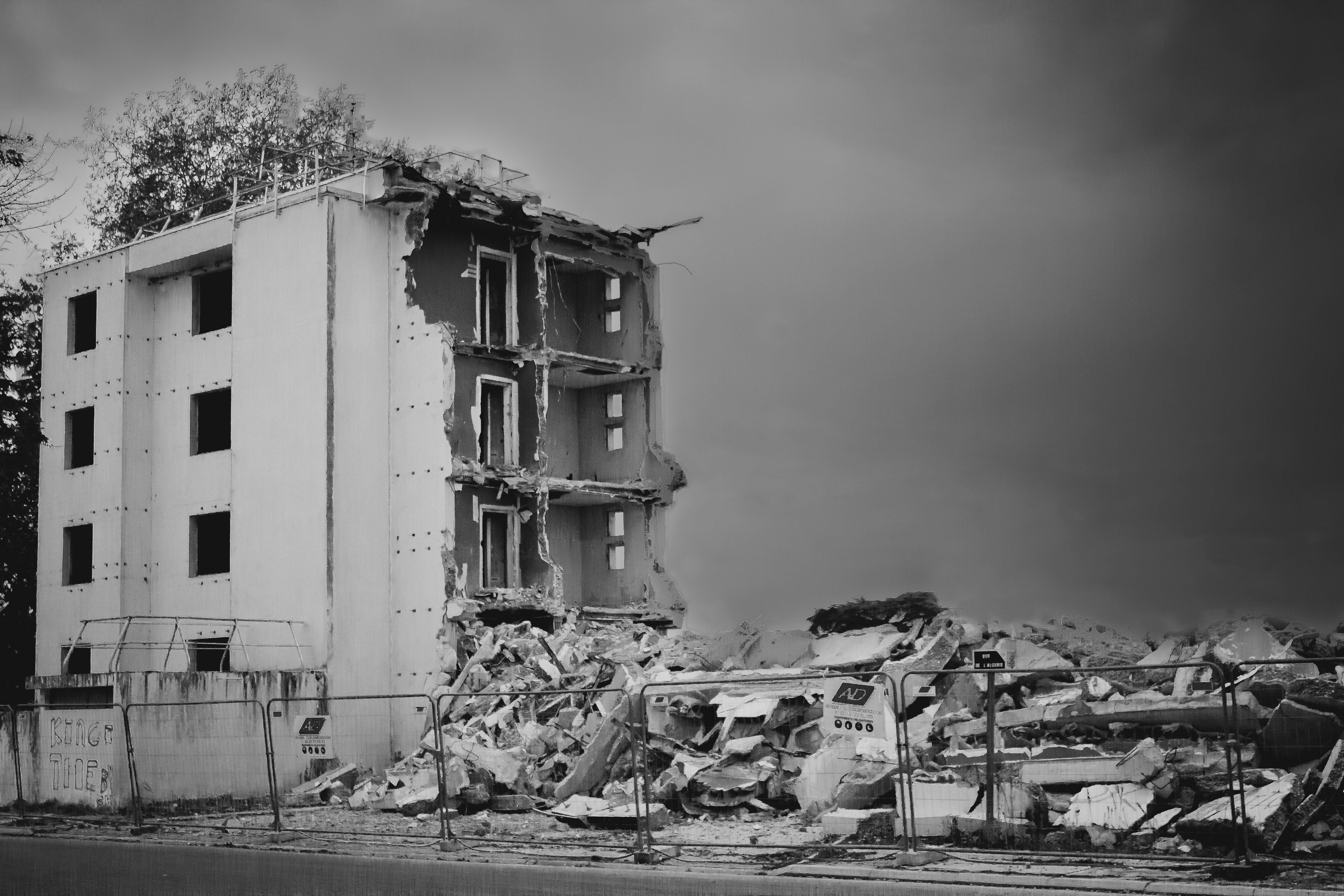
Image Credit: Sarah Crego from Unsplash
Let us slide into your dms 🥰
Get notified of top trending articles like this one every week! (we won't spam you)How Do We Contribute to “Natural” Disasters?
Let’s take the example of a tsunami. While we often blame it on tectonic movements, activities like nuclear testing, large-scale mining, and massive construction projects are also major triggers.
And when it comes to earthquakes something we usually consider purely natural, human actions play a big role there too. Practices like wastewater disposal, hydraulic fracturing (or fracking), deep mining operations, and even building large dams can lead to what’s known as “induced seismicity” earthquakes caused by human interference. These aren’t one-time mistakes; they’re repeated actions carried out over time.
So it’s worth asking, if we know our behavior is capable of causing such destruction, why do we only talk about protecting the planet on Earth Day? Why not make that mindset a part of every day? Because if these disasters are devastating for humans, just imagine the silent suffering of the animal world, species losing their homes, habitats collapsing, entire ecosystems vanishing without even having a say in the damage we cause.
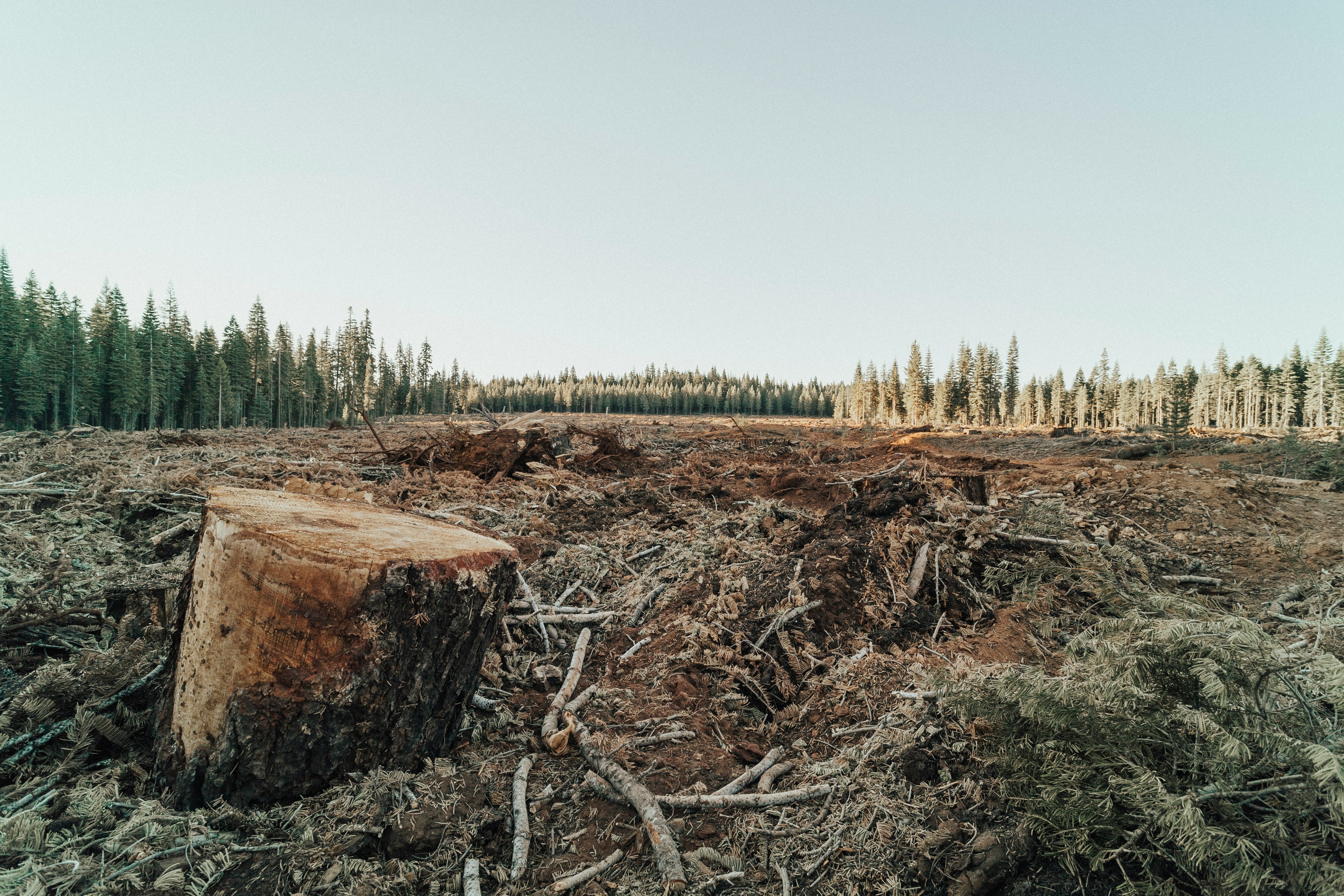
Image Credit: roya ann miller from Unsplash


Take the Quiz: Are You A Coffee Or Tea Person?
Take this quiz to find out!
Where Are We Actually Heading?
Globally, we’re cutting down around 15 to 18 million hectares of forest every year, that’s roughly the size of Belgium being erased annually. But this isn’t just a distant, abstract statistic.
Take India, for example. One of the most glaring cases of reckless deforestation happened recently in Telangana, near Hyderabad’s Kancha Gachibowli area, close to the Hyderabad Central University. What was initially promised to be an eco-park turned into a battleground, literally and politically.
The state government cleared nearly 100 acres of forest land without proper clearance, all to make way for a flashy new IT park, pitched as a magnet for global tech investment. Big companies saw profits; the government saw development. But what about the environment? What about the promise of a green future?
Student activists and environmentalists protested bravely, only to be met with armed police, arrests, and threats. It took the intervention of the Supreme Court to stop further destruction. The Justices ordered an immediate halt to the project except for essential tree conservation and demanded that the state provide a credible plan for restoration or face legal consequences.
This case isn’t just about 100 acres of trees. It’s a mirror reflecting how we treat our environment when money and power get involved. So again, the question remains: Why are we limiting our concern for the planet to just one day a year, when the damage is happening every single day?
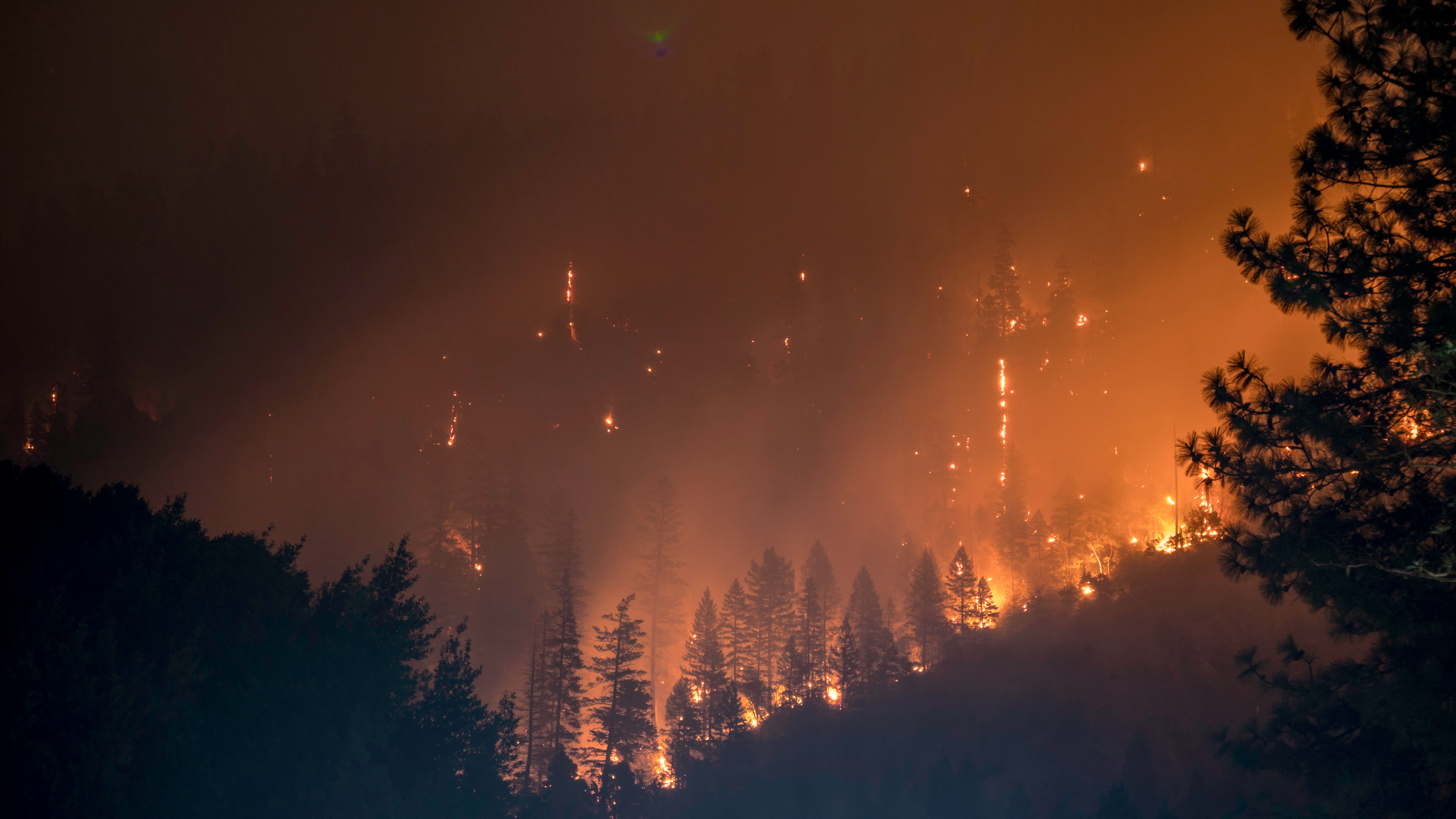
Image Credit: Matt Howard from Unsplash
Who’s Paying the Price: Us or Them?
Whilst we escape the chaos of city life for a peaceful weekend of camping in the forest, we often forget that we are stepping into someone else’s home. Forests aren’t just scenery, they’re ecosystems, delicate and deeply interconnected, filled with life that thrives only when left undisturbed. Yet, our joy often comes at a terrible cost.
Think about it: how many times have forest fires started because of a moment of carelessness? Campfires left burning, cigarettes tossed aside, fireworks set off “for fun,” unattended mosquito coils, lanterns, or candles, each of these small acts can spark catastrophe. And sometimes, it’s not even carelessness.
Deliberate acts like setting fire to forests for revenge, land clearing, or industrial expansion have all been documented. Add to that the mechanical sparks from vehicles, faulty power lines, or construction machinery and suddenly, we’re not just talking about accidents. We’re talking about destruction.
And it’s not just the animals who suffer, though they’re often the first to lose their homes, families, and lives. Humans pay a price too. Just look at the wildfires in California, billions of dollars in damage, thousands of homes lost, and lives changed forever.
So, the real question is, if these actions hurt both animals and us, why do we continue doing them? Why have we normalized destruction in the name of convenience, revenge, or profit?
Have we really become so disconnected from nature that we no longer see ourselves as part of it?
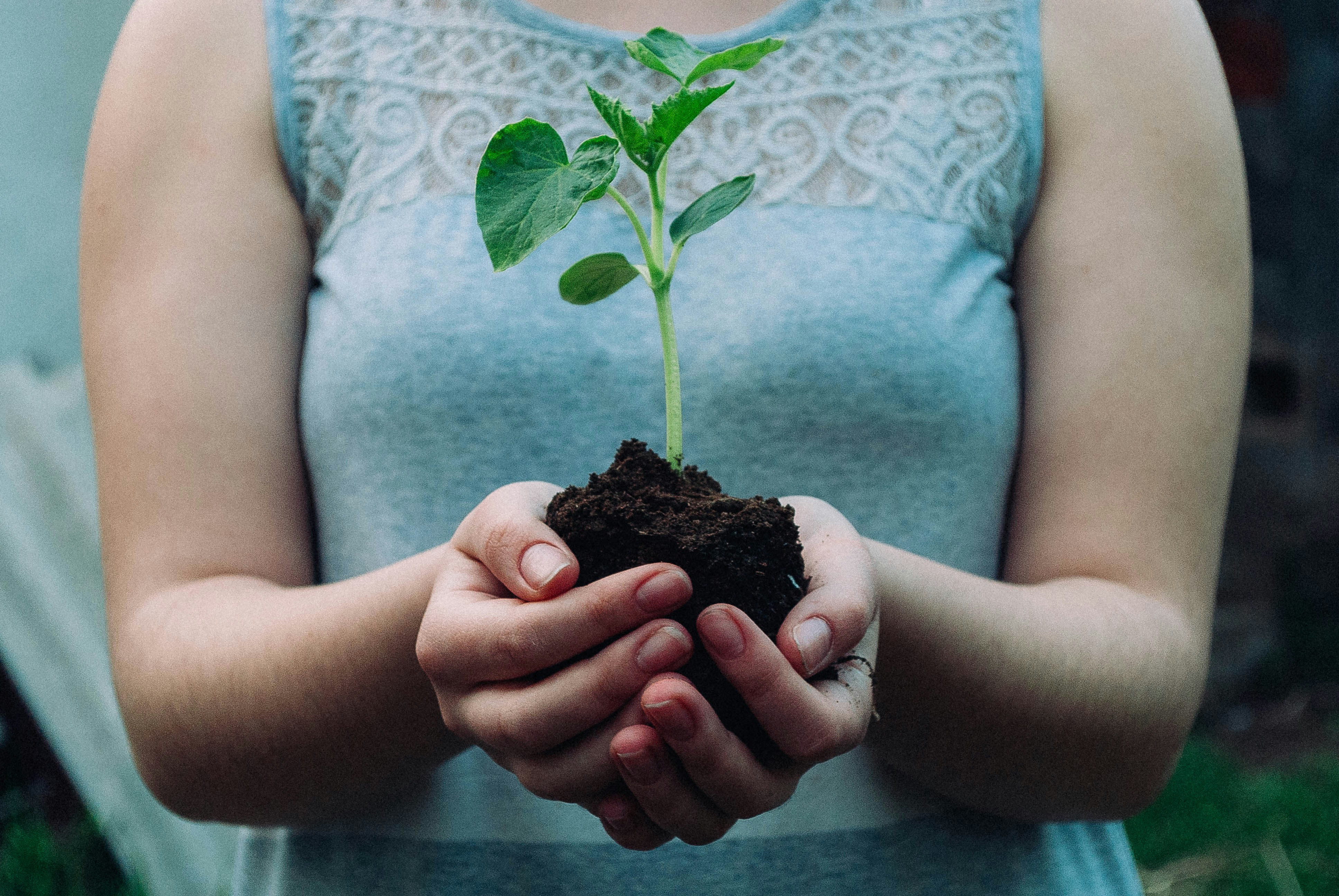
Image Credit: Nikola Jovanovic from Unsplash
“Progress or Pretence?”
And speaking of gain, what kind of progress are we chasing? Development that comes at the cost of biodiversity? Tech hubs built on flattened forests?
More skyscrapers while entire species vanish quietly in the background? Have we ever paused to ask ourselves: progress for whom, and at what cost?
We plant a tree on Earth Day, but what happens the next day? Does that sapling even survive the week? We post quotes about saving the planet, but do we ever question the industries behind our fast fashion?
The carbon footprint of that next-day delivery? The wastage of water in our daily habits?
We call ourselves the most advanced generation, yet we remain blind to the damage we’re causing. If the Earth gives us life, air to breathe, water to drink, food to eat why do we repay it with pollution, plastic, and profit-driven destruction? We take pride in being digitally connected, but when was the last time we connected with the ground beneath our feet?
Why do we only speak of the environment when it’s trending or collapsing? If animals can survive in harmony with nature, why can’t the most intelligent species do the same? We plant one tree and feel like heroes, but ignore the millions being cut down each year. If disasters don’t wake us up, what will? If not now, when? And if we, the youth with the loudest voices and most powerful tools, don’t act then who will?

Image Credit: Filip Urban from Unsplash
One Day Won’t Save Us But Day One Might
This is high time we understand that the Earth doesn’t belong to us alone. We share it with millions of species, ecosystems, and future generations we’ve never met. The way we treat it today is a mirror one day, karma will reflect that image back on us.
The rising greenhouse effect, largely driven by excess carbon dioxide from fossil fuels, is heating our planet like a slow-burning oven. Climate change isn’t some distant prophecy, it’s happening now. But while polar ice melts and forests burn, brands continue to exploit Earth Day as a marketing opportunity. They slap “eco-friendly” labels on products wrapped in layers of plastic, run greenwashed campaigns that “look” sustainable, and sell us guilt-free lies. Meanwhile, fossil fuel industries keep pumping profits from our planet’s pain.
I get it, these things can’t change in a day. But every revolution has a Day One. A moment when we stop thinking as divided countries and start acting as one species.
Youth-led climate movements around the world are proof of this shift, voices rising in resistance, demanding action. Bhutan remains carbon-negative. Sweden recycles over 99% of its waste. If they can take bold steps, why can’t the rest of us?
Because let’s face it, most of what happens on Earth Day is performative. A tree planted. A post shared.
A hashtag trending. But if that’s where it ends, then what did we really change? Earth Day shouldn’t be an aesthetic, it should be a lifelong mindset. And to tackle this crisis, we need more than action, we need education and empathy. It starts with blogs like this, yes but it must also start at home, with children growing up watching environment-conscious cartoons, not just superheroes destroying cities. Because if kids can learn how to shoot webs, why can’t they also learn how to plant trees?
It makes you wonder, have we become too advanced to care, or just too comfortable to change? The Earth doesn’t need our pity. It needs our participation.
Not once a year. But every single day. This isn’t a conclusion. This is a wake-up call.