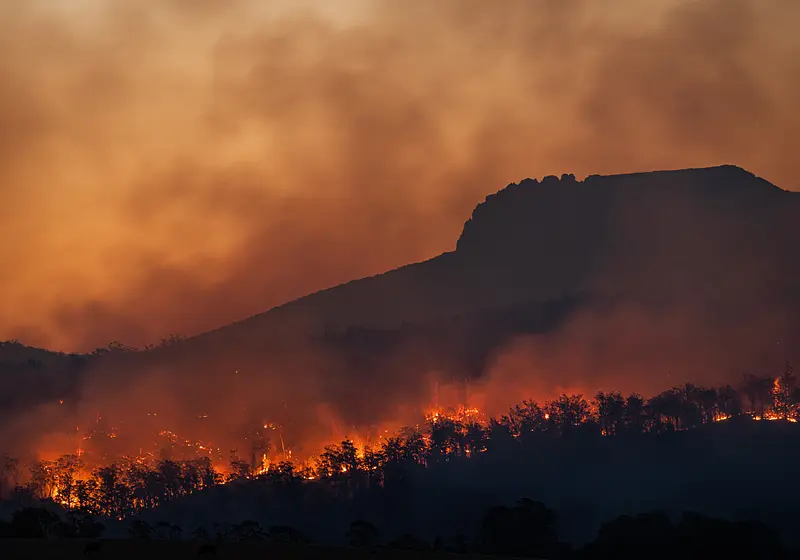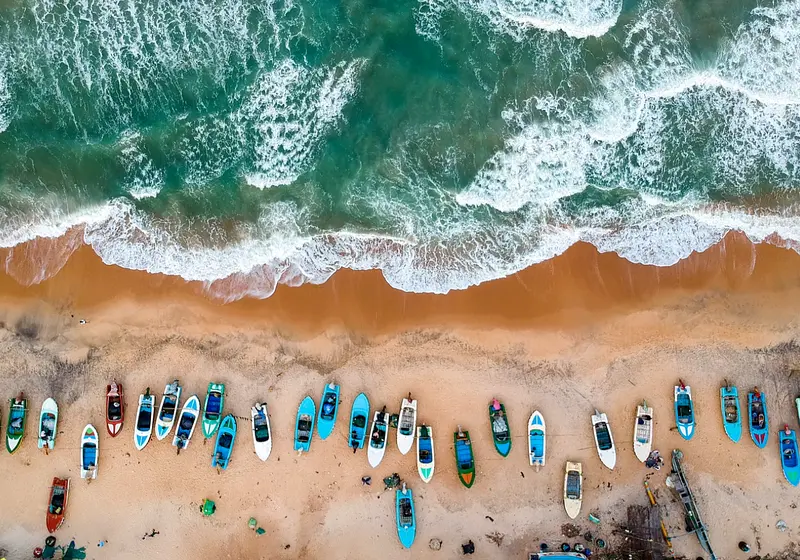





Like the Native American proverb goes; “Only when the last tree has died, and the last river been poisoned, and the last fish been caught, will we realize we cannot eat money.” From the smallest micro-organisms, to the biggest mammals, the only home we all have ever known is The Earth. Our planet provides us with clean air, fresh water, inhabitable land, fertile soil, and countless species that keep the ecosystem balanced. While watching or reading dystopian and science fiction media proves to be great entertainment to most of us, we might actually be closer to that reality than we realize.
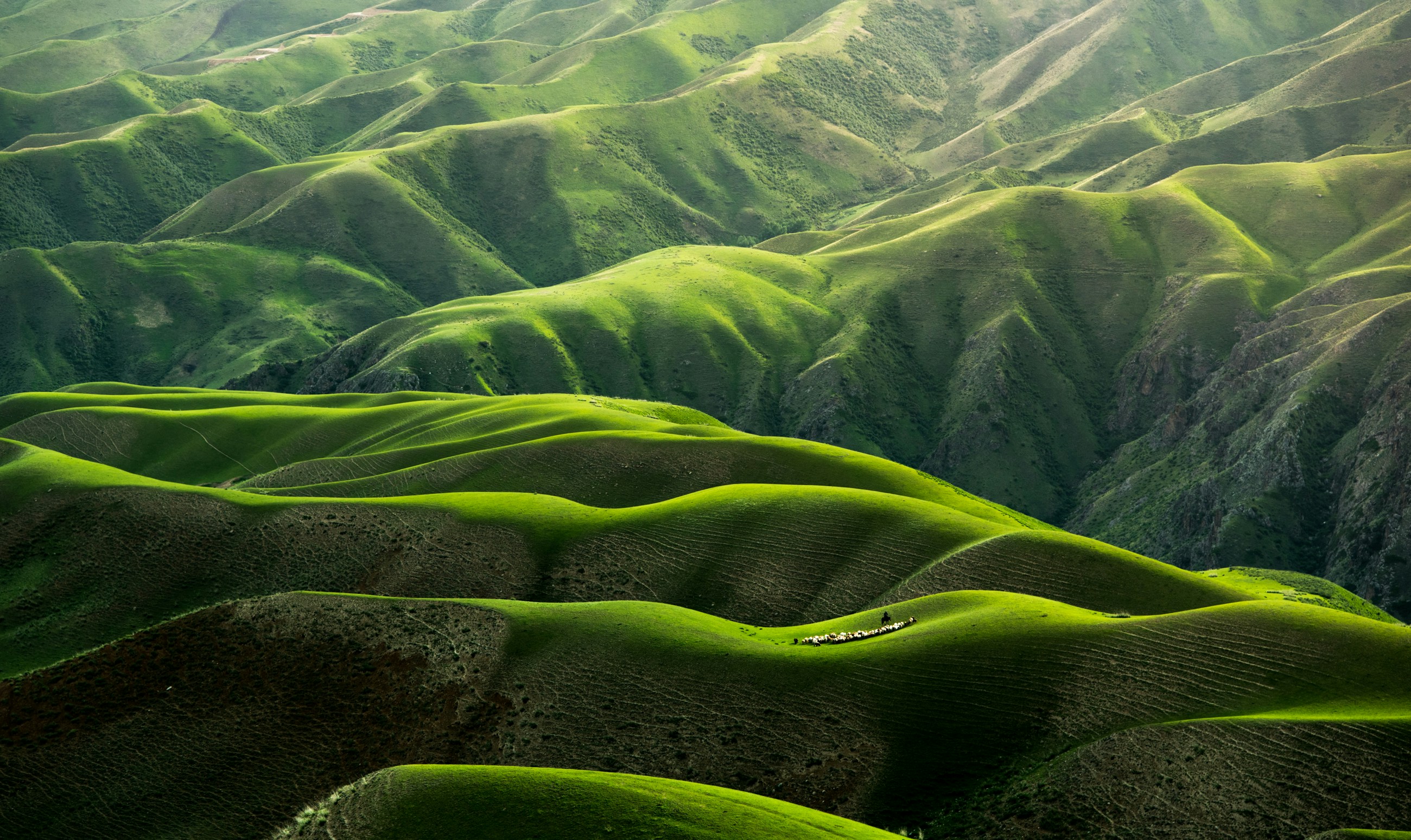
Image Credit : Qinbao Meng from Unsplash
Over the last 50 years, industrialization and consumerism has began to destroy our planet at alarming rates. The Amazon Rainforest - often referred to as ‘the lungs of the Earth’ loses thousands of its square kilometers every year, due to deforestation and urbanization. This leads to a huge decrease in the production of oxygen and increase in carbon emissions, which contributes to global warming. Humans have started to put their own needs above the needs of our planet.
The glaciers have started to melt rapidly, breaking down centuries of the Earth’s history, and destroying the only home of several arctic animals. Moreover, the ice cover over the Arctic Ocean is expected to continue decreasing until it’s completely ice-free, and the most shocking part? This is expected to happen before mid-century.
Another rising issue is the ongoing global climate change. According to the studies of NASA scientists, some of the changes that will take place very soon include rising sea level changes. more stronger and intense hurricanes, frequent droughts and heat waves, longer wildfire seasons, changes in precipitation patterns, and rise in global temperatures. And this is just the surface of it.
Additionally, air pollution is also a growing concern. In cities like LA, New Delhi, and Beijing, air pollution is so high that it has started to cause human respiratory illnesses and reduction of life expectancy.
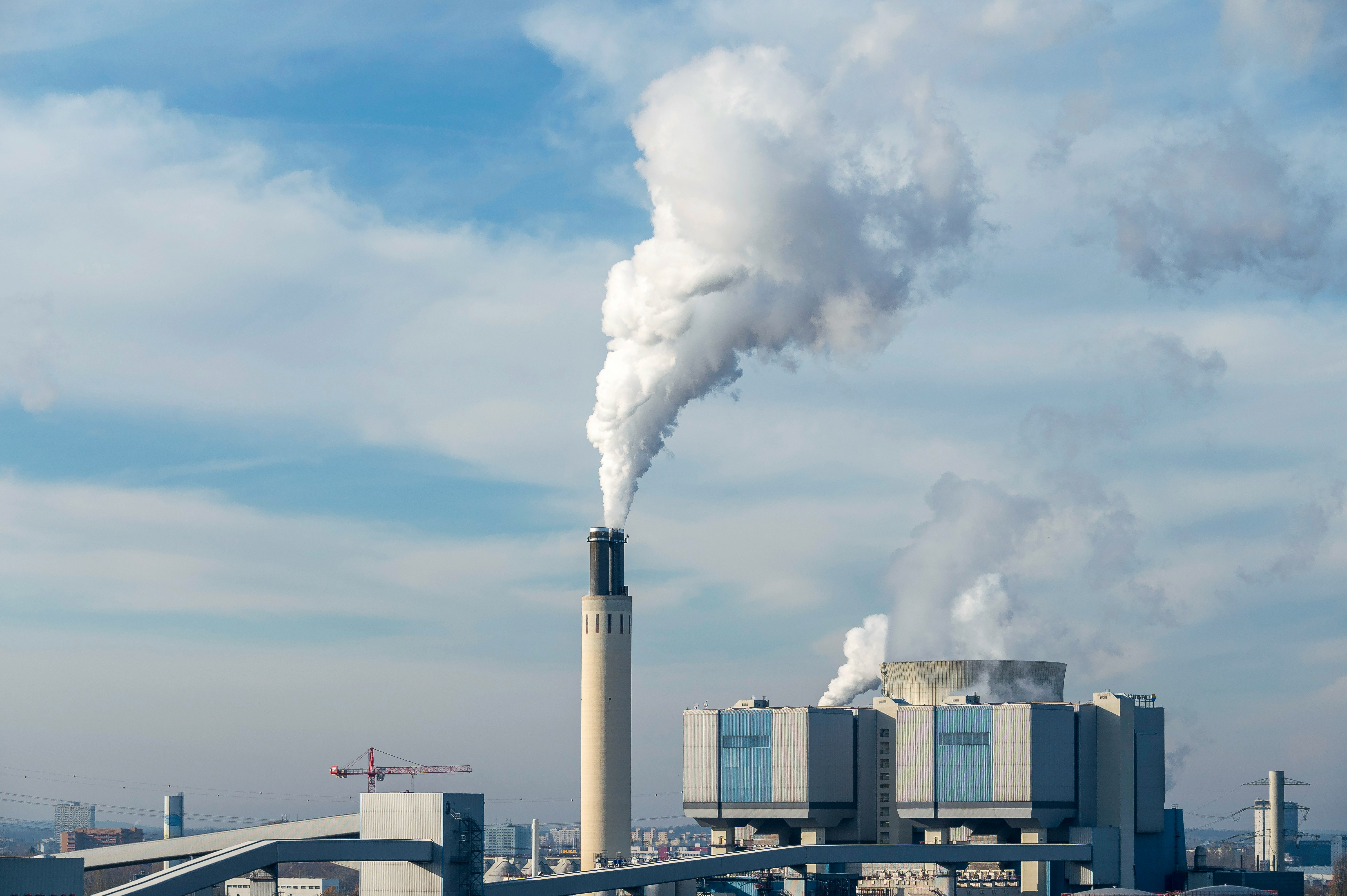
Image Credit : Etienne Girardet from Unsplash
- Still not convinced? Let’s discuss some of the ways environmental changes directly impact humans.
1. Loss of biodiversity due to habitat destruction.
Biodiversity is the very essence of our ecosystem and supports its balance and functioning. Without biodiversity we cannot rely on our ecosystem for clean air, fresh water or food.
2. Economic consequences from extreme weather events like floods and droughts.
The costs for production will increase due to pollution, extreme environmental situations will lead to reduced public health, decrease in worker productivity, and damage to natural resources essential for agriculture.
3. Our food supply depends on climate and weather conditions.
Environmental impacts threaten food availability by disrupting crop yields, damaging supply chains, and increasing food waste.
4. Pollution can lead to health deterioration.
Several studies have proven that pollution can contribute to the development of new cardiovascular and respiratory problems, and worsen existing diseases.
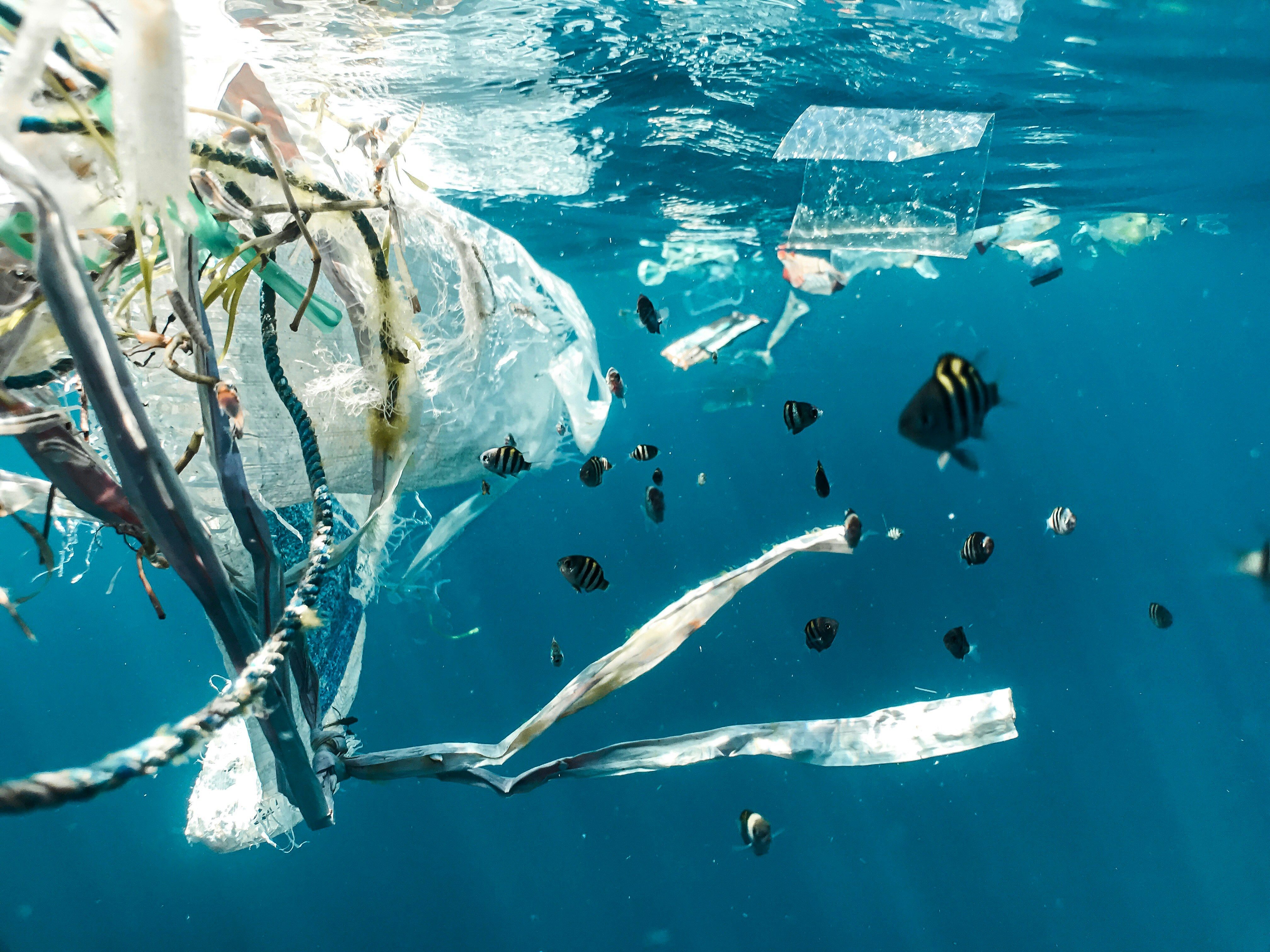
Image Credit : Naja Bertolt Jensen from Unsplash
- As teens, how can we contribute to conserving our planet?
1. Reduce, Reuse, Recycle.
You’ve probably heard this phase since kindergarten, but that doesn’t mean it’s overused. It simply shows how impactful it can be. It’s a guiding principle on how to protect our environment through simple actions.
Reduce wastage, reuse products, and recycle materials. Easy and effective.
2. Conserve resources.
Conserve water and energy by turning off lights/tv/charging stations when not in use, fixing taps and using energy efficient appliances. Solar and wind power are popular alternatives that efficiently utilize the natural resources, reduce greenhouse emissions and prevent wastage.
3. Choose sustainable products.
Several brands have started introducing products that are produced in an eco-friendly way, use sustainable materials and avoid harmful practices. Supporting and choosing these brands will eventually cause a shift in purchasing patterns and encourage other companies to follow sustainable means of production.
4. Educate & Advocate.
Despite the growing environmental concerns, a lot of people are still unaware of its severity. Use your voice and advocate for the cause. Supporting policies and movements that protect the environment drive attention and action towards a larger movement.
5. Thrift!!
Hot girls (and boys) thrift ;) Thrifting helps the environment by keeping products in use for a longer period, reducing the demand for new ones. This reduction of demand will eventually lead to lesser consumption of natural resources, pollution from manufacturing and growing landfills.
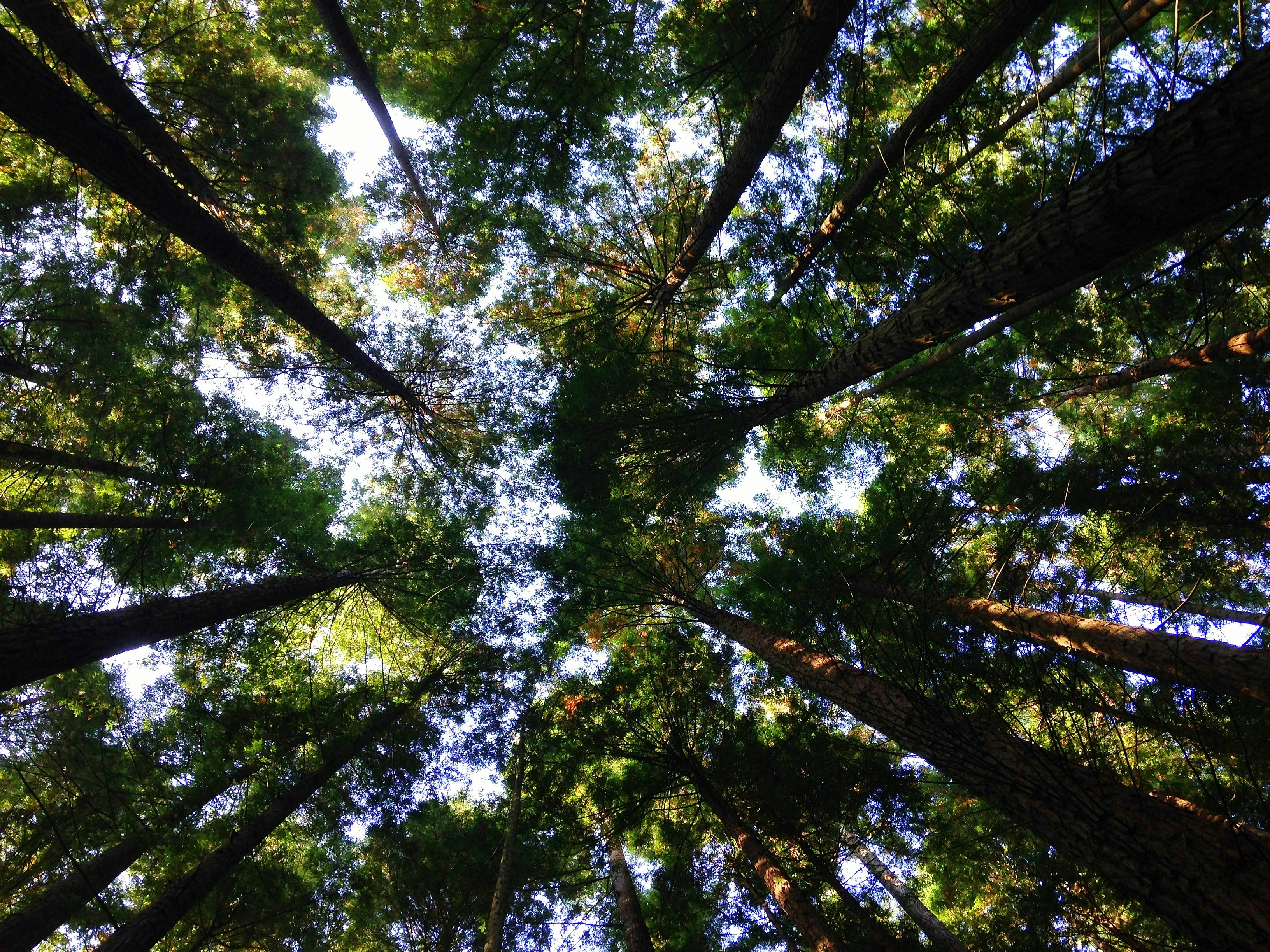
Image Credit : Angela Benito from Unsplash
Protecting the Earth is not just about saving nature, it’s about securing our own future. Our environment is the sum of our surroundings, and it encapsulates both living and non living organisms. In the same way we depend on the environment for us to live in, it is also meant for our future generations to depend on.
However, with the current crisis we are facing, there might not be an environment safe enough to depend on. Conserving the environment is crucial to ensure the future generations have access to natural resources, stable climate conditions, and a healthy planet to thrive in. With continuous efforts, we can work together towards restoring the balance of our planet and ensure it remains a home forever.