





.jpg)
If you've ever scrolled through YouTube or TikTok, you've probably seen people talking about "day trading" or "long-term investing." Maybe someone brags about a quick $200 profit from trading stocks, while another person boasts about owning Apple stocks for years and watching it grow. It all sounds really cool, but also confusing. Is investing and trading the same thing? Which one do you try if you're a teenager just starting out?
The short answer: Trading and investing are not the same. They both involve selling and buying stocks or other investments. But the mindset, risks, and the goals are very different. Let's break it down in a way that's simple to understand, and help you determine what's actually best for you.

Image Credit: Sortter from Unsplash
Let us slide into your dms 🥰
Get notified of top trending articles like this one every week! (we won't spam you)What Is Investing?
Investing is kind of like planting a tree. You put a seed in the ground, then water it, and finally let it grow over time. The whole point is to let your money grow slowly over years, maybe decades even.
When you invest, you're essentially buying stocks, index funds, or bonds and planning to hold on to them for a long time. You're not checking the price every five minutes; you're essentially considering the overall picture.
Example: If you'd invested $100 in the S&P 500 (an index of 500 of the largest U.S. companies) in 2000, by 2024, that same $100 would be worth over $400, without you doing anything other than leaving it be. This is the magic of long-term investing.
Key traits of investing:
- Time horizon: Years or even decades
- Mindset: Patience, consistency, and belief in long-term growth
- Typical instruments: Stocks, ETFs, index funds, retirement accounts (e.g., Roth IRAs)
- Goal: Increase wealth slowly and steadily
Investing is generally less stressful and can be accomplished by anyone's lifestyle, even if they have a busy schedule with school, sports, or part-time work. You don't need to watch the stock market daily.
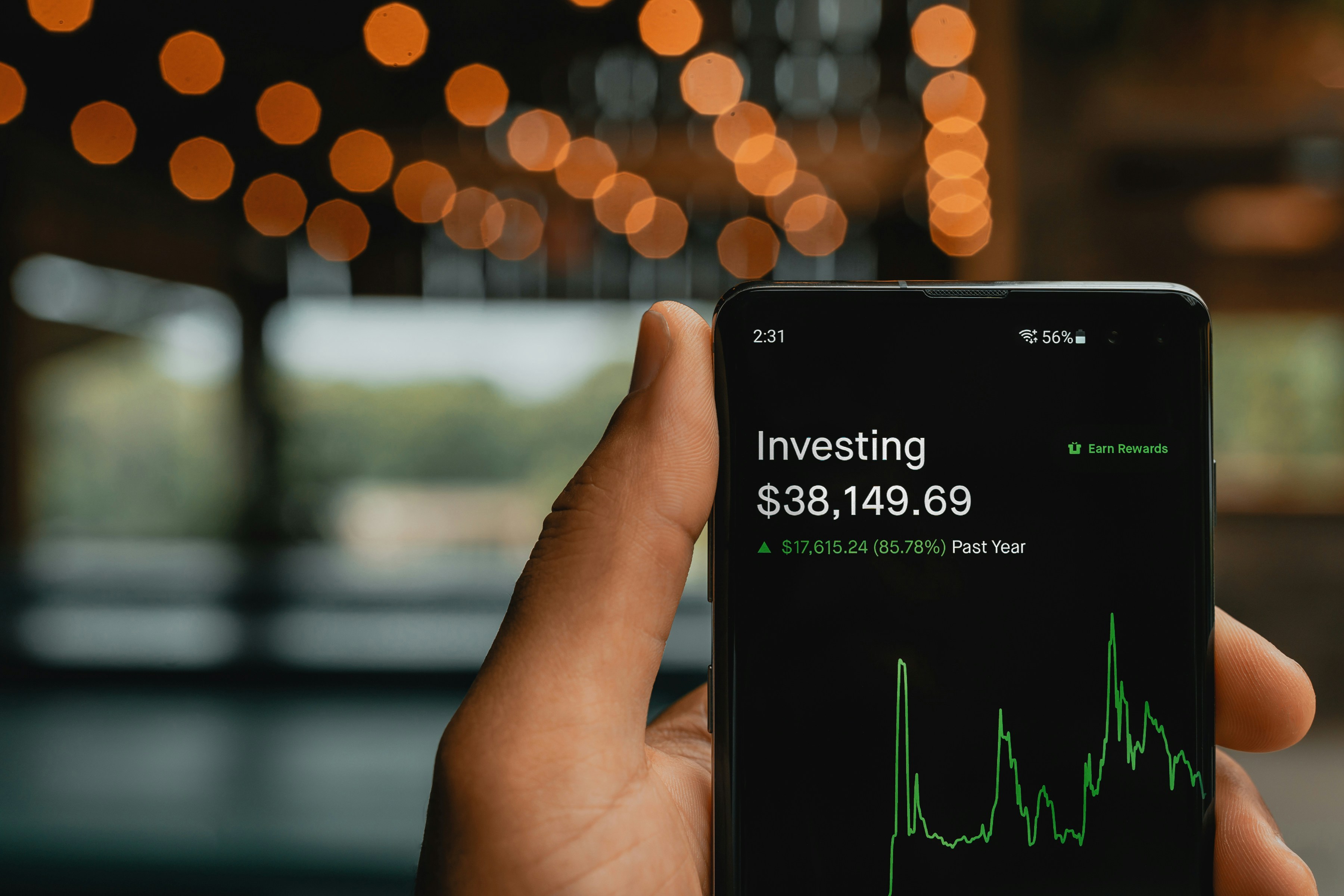
Image Credit: Piggy Bank from Unsplash


Take the Quiz: What Type of Music Should You Listen to While Studying?
Not sure what music would help you focus best while studying? Then this is the quiz for you!
What Is Trading?
Trading, on the other hand, is more like a video game. You are making quick moves, paying lots of close attention to timing, and aiming for the short-term wins.
Traders buy and sell stocks (or crypto, options, NFTs, etc.) over short time frames, sometimes minutes, hours, or days. They try to predict whether a stock’s price will go up or down soon and make a profit from those swings.
For example, you might buy Tesla stock in the morning and sell it in the afternoon if the price goes up by a few dollars. If this is done right, it can translate into quick cash. If not, it can lead to quick losses.
Some of the key traits of trading:
- Time frame: Minutes, hours, or days (sometimes weeks)
- Attitude: Active, quick decision-making, risk-taking
- Common tools: Stock charts, the technical analysis, and day trading software
- Goal: Make quick profits from short-term price fluctuations
Trading may be more thrilling/exciting, but it's a lot riskier. New traders usually lose money because they don't understand how tough it is.
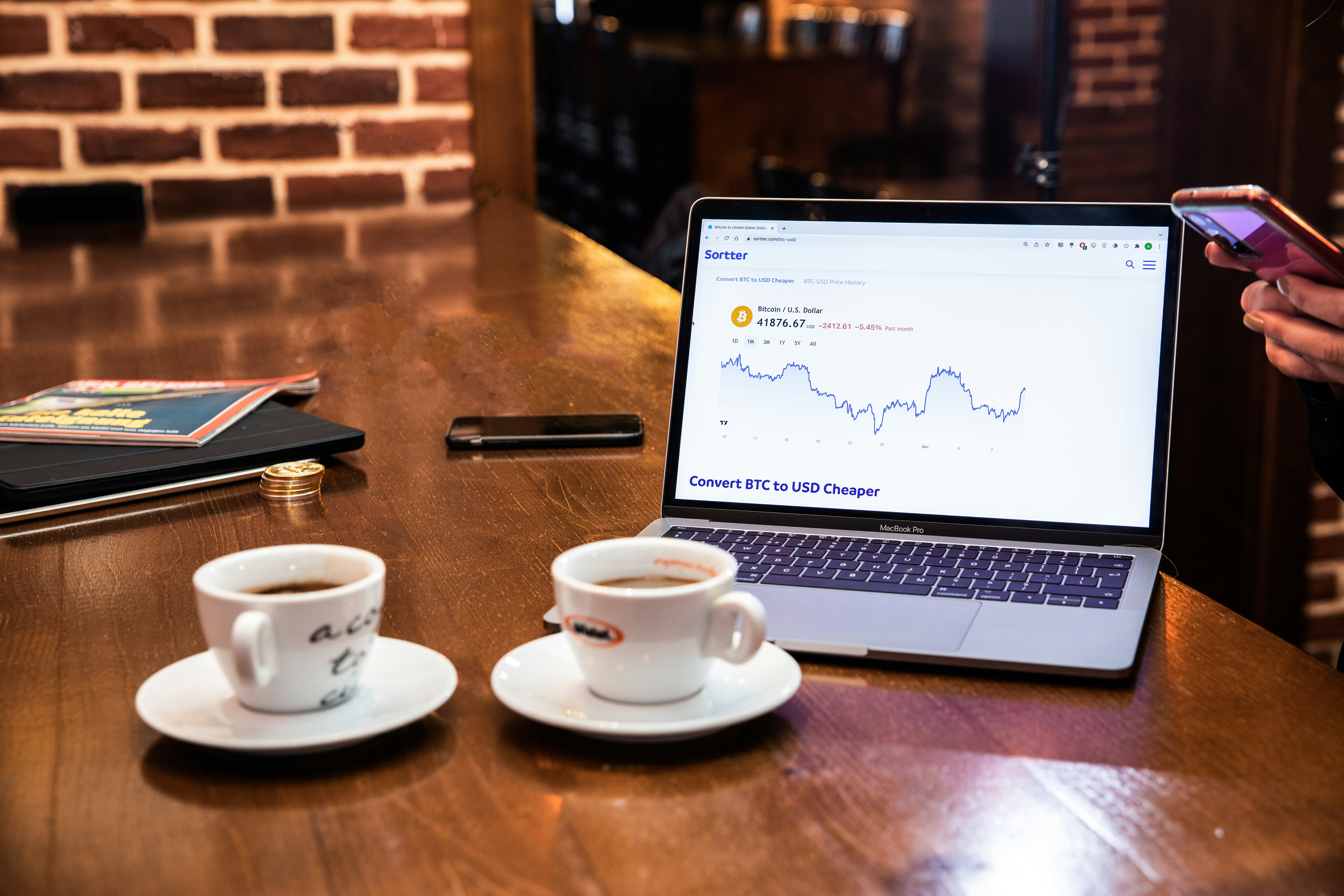
Image Credit: Sortter from Unsplash
The Risks: Why Teens Should Be Careful
Both investing and trading carry risk, that is, you could lose money. But the type of risk differs.
- Investing risk: Your money can go down in the short run, but in the long run, the market generally goes up. The risk is lower if you can be patient.
- Trading risk: You can lose your money much faster. Prices can move crazy in a day, and one bad trade can wipe out weeks of gains.
Here's the truth: most TikTok "trading gurus" don't really share with you: about 90% of day traders lose money over the long term. Why? It's honestly because it's very hard to time the market, and emotions like greed and fear get in the way. As someone who is still trying to learn day-trading online, it looks easy, but it's no joke.
Skills You Need for Each
If you're thinking of getting started, it's good to know the skills that each approach requires.
Investing skills:
- Patience: You won't necessarily be wealthy tomorrow, but your money will always, and I mean ALWAYS, increase steadily.
- Consistency: Putting in money regularly, even small sums, rewards you in the grand scheme of things.
- Basic knowledge: Understanding index funds, diversification, and compounding.
Trading skills:
- Focus: You always have to closely watch prices, sometimes for hours at a time.
- Emotional control: Fear of missing out (FOMO) or panic-selling will ruin you.
- Advanced knowledge: Technical charts, strategies, and risk management.
Do you see the difference? Investing is mainly about the habits and patience, while trading is about skills and discipline under high pressure.

Image Credit: Shutter Speed from Unsplash
Which One Is Better for Teenagers?
Most teenagers should start with investing. Here's why:
1. You have time on your side. At 15, 16, or 18, even a small amount invested can grow to be huge by the time you reach 40 or 50. Time is very likely your best resource.
2. Less stress. You do not ever need to spend hours staring at stock charts. I mean, I would say you would rather can focus on school, sports, friends, and other activities which are way more important.
3. Proven track record. The stock market has grown at about 10% per year on average over the last century. Trading does not really have the same success rate in the long run for beginners.
- In my opinion, that doesn't make trading "bad." It just makes it not the best place to start if you're new. If you're actually interested in trading, you can always try a paper trading app (like pretend trading with fake money, hahaha) to learn it without risking real money, yet still gaining experience to an extent.
Example: $100 a Month
Let's be real now, guys. Suppose you invest just $100 a month from age 16. If you put it in an index fund that increases 8% on average a year:
- At age 26, you'd have about $18,000
- At age 36, you'd have about $55,000
- At age 46, you'd have about $138,000
- At age 56, you'd have about $335,000
And that's with only $100 a month! (Shocking, right?). That's the beauty of investing early and letting the compounding work its magic. Trading can give you faster money in the short run, but not many can turn $100 a month into hundreds of thousands of dollars through day trading endlessly.
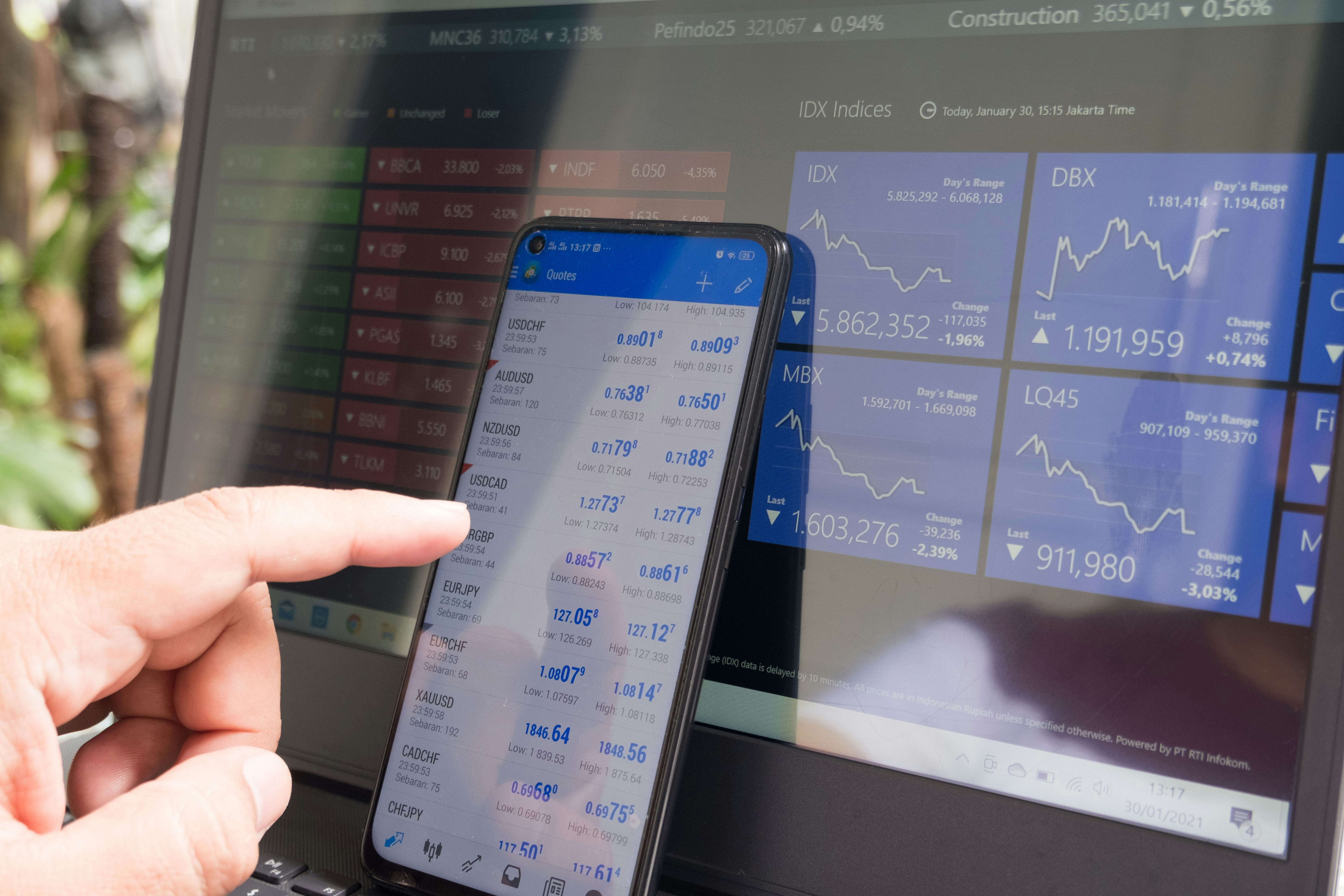
Image Credit: Marga Santoso from Unsplash
Common Myths Teens Hear
"Trading is the fastest way to get rich."
Not always, this is just what you see on your FYP. The majority of traders lose money. Those who do win often have years of experience.
"Investing is boring."
Maybe it does appear to be slow, but watching your money double and triple over the years is far from boring.
"You need a lot of money to start."
Nope. There are actually apps like Fidelity, Vanguard, and even investing features on Cash App that enable you to start with as little as $1!
"I'm too young to invest."
To be fair, you might not be able to open an account fully on your own until you’re 18, but many brokers offer custodial accounts where a parent helps manage it until you’re of age. (Definitely make sure you talk to a parent or guardian about setting one up).
How to Get Started Safely
If you’re ready to learn, here are some simple steps:
1. Learn the fundamentals. Watch some YouTube videos (from educational sources, not hype traders), beginner investing books, or even ask your parents about their 401(k).
2. Invest small. Even $20 or $50 can be placed in an investing account. You don't need to worry about investing large sums.
3. Make sure to utilize a custodial or teen-friendly platform. Accounts such as Fidelity Youth, Greenlight, or custodial accounts at Vanguard/Schwab are teen-friendly.
4. Think long-term. Don’t stress if your investments drop slightly in value one week. Focus on the big picture.
5. Try paper trading for fun. If you’re curious about trading, use apps like Webull or Thinkorswim with fake money to practice strategies risk-free.
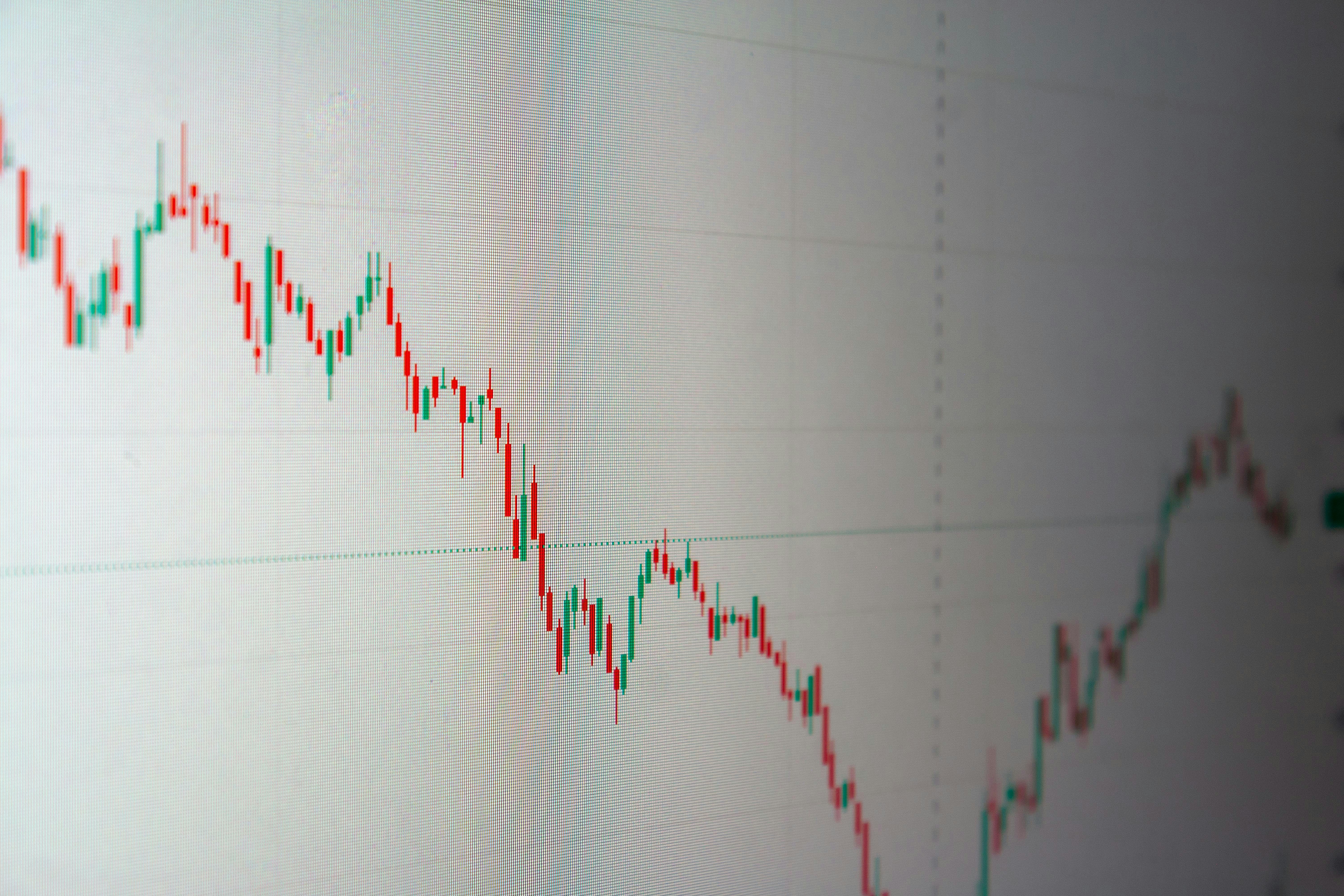
Image Credit: Arthur A from Unsplash
Final Thoughts
At the end of the day, trading and investing are both nice ways of playing the stock market, but yet they're two totally different states of mind. Investing is slow, steady, and long-term. Trading is fast, risky, and focused on profits in the present.
For most of us teens, investing is usually the smarter and safer place to start. Trading might look flashy on social media, but remember: people usually show their wins, not their losses.
So before you jump into the market, please ask yourself: do you want to be the patient gardener who grows a tree over the long years, or the kind of person who takes quick shots hoping to hit it big? Both have their place to be fair, but as a teen, getting that tree planted early is one of the smartest financial decisions you'll ever make.
.jpg)