





Introduction
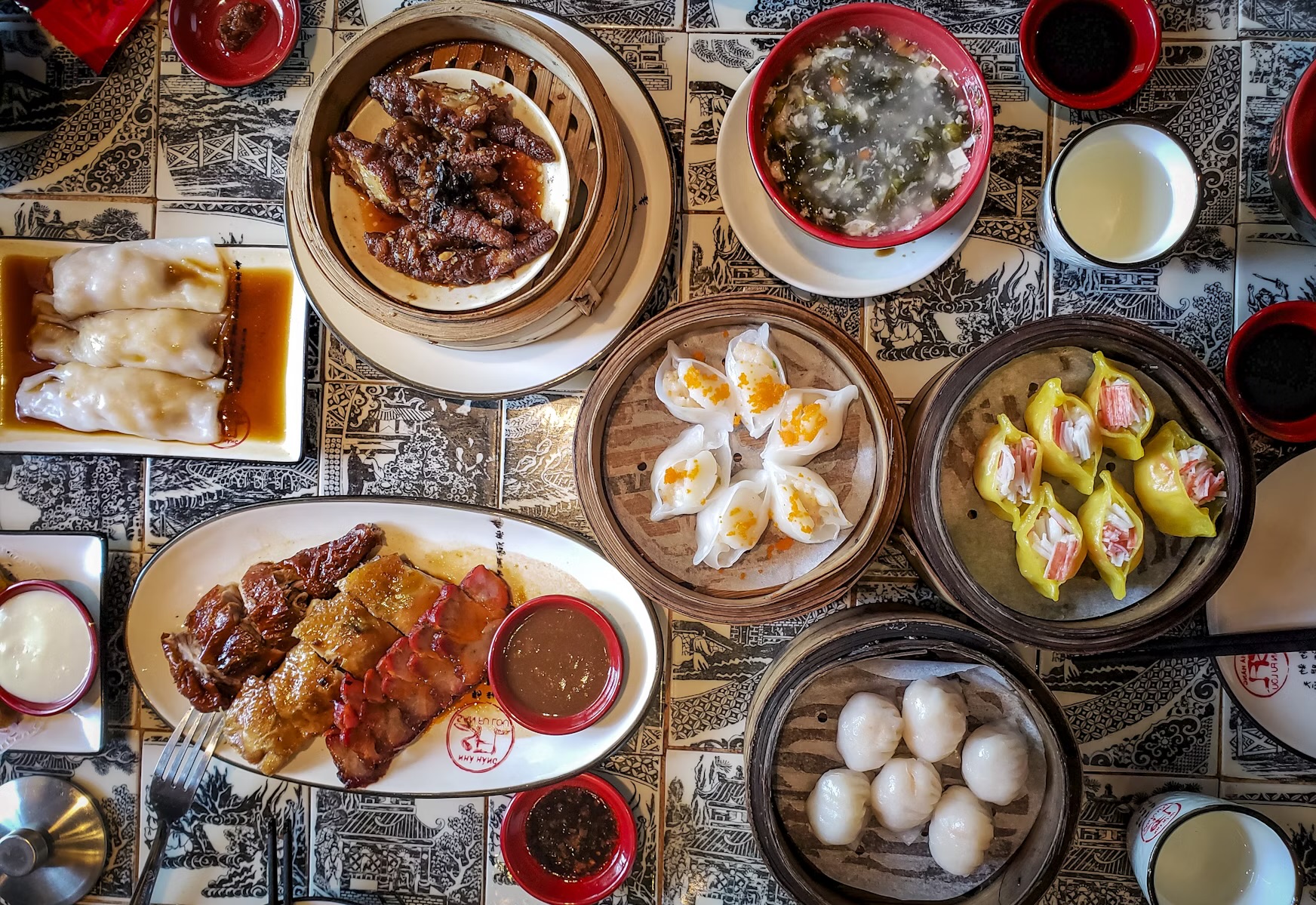
Image Credit: Fernando Santos from Unsplash
“Aw, your button nose is so cute! Are you Asian?”
This sort of backhanded compliment is a regular occurrence for me as a Chinese American, and I’m sick of it. Whether it’s from strangers or family and friends, the constant unwanted commentary on my ethnicity has been exhausting and, quite frankly, infuriating.
Although biracial Americans make up 10.2% of the population, many people act as though people with mixed cultural heritage are a phenomenon and curiosity. Whether it’s my white family referring to COVID-19 as the China virus or my Chinese family joking about how I can’t speak Cantonese, I feel neither Chinese nor white enough for American standards of race. In this article, we will be delving into the joys of being biracial and the struggles that come with it. Whether it’s enjoying Lunar New Year lunch with family or being called Japanese by my white teachers, we will look at the good, the bad, and the ugly.
Let us slide into your dms 🥰
Get notified of top trending articles like this one every week! (we won't spam you)What Are You?
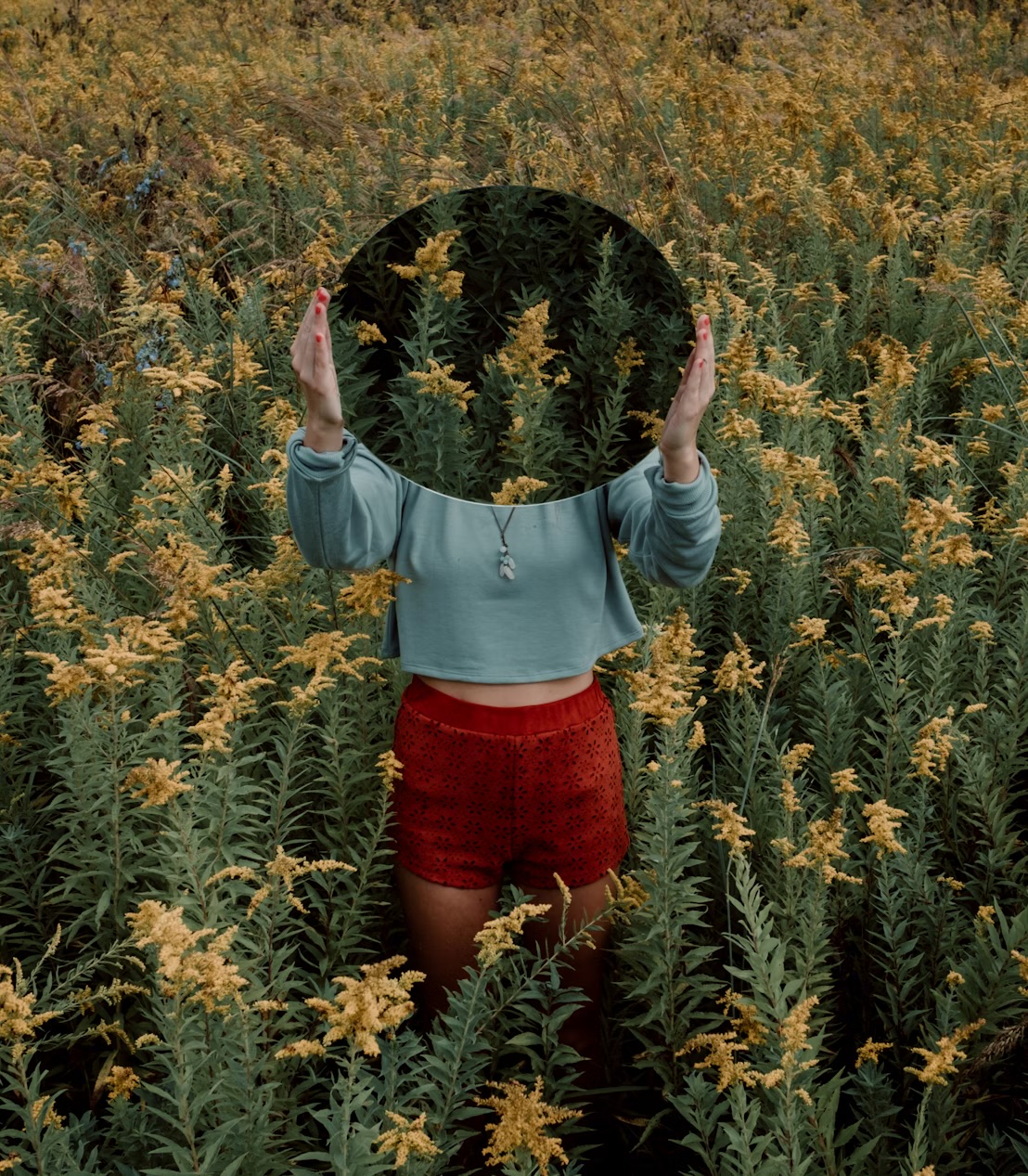
Image Credit: Noah Buscher from Unsplash
One of the many issues with being biracial in America is that people find it difficult to categorize you. Many times, you can define someone in America based on their ethnicity: "Alannah-the Black one," or "Tyler-the Asian guy.” But when you're biracial, it's more difficult than that. It's much more of a mouthful to say something like “The white and Chinese girl" than simply "The Chinese one.” This also results in people guessing my race too, which tends to be interesting. I've been called Filipino; are you sure you're Chinese, Japanese, and a flat-faced white girl, all by pretty much strangers?
The issue is that Americans don't want to be rude by asking about my race, and so they just assume it, which is even more rude than if they just asked. Truly, though, the tiring thing is that my race matters to people I don't know. Sometimes people even argue with me about my ethnicity, by saying things like, “But you don’t look Asian!” As if they get to define what looks Asian and what doesn’t look Asian. It's as if my ethnicity is what defines me as a person for many people, and that is rather one-sided in my opinion.

Take the Quiz: Religion, Schools, and Equality
Religion in Schools: Teaching Respect, Not Bias.
Family Dynamics
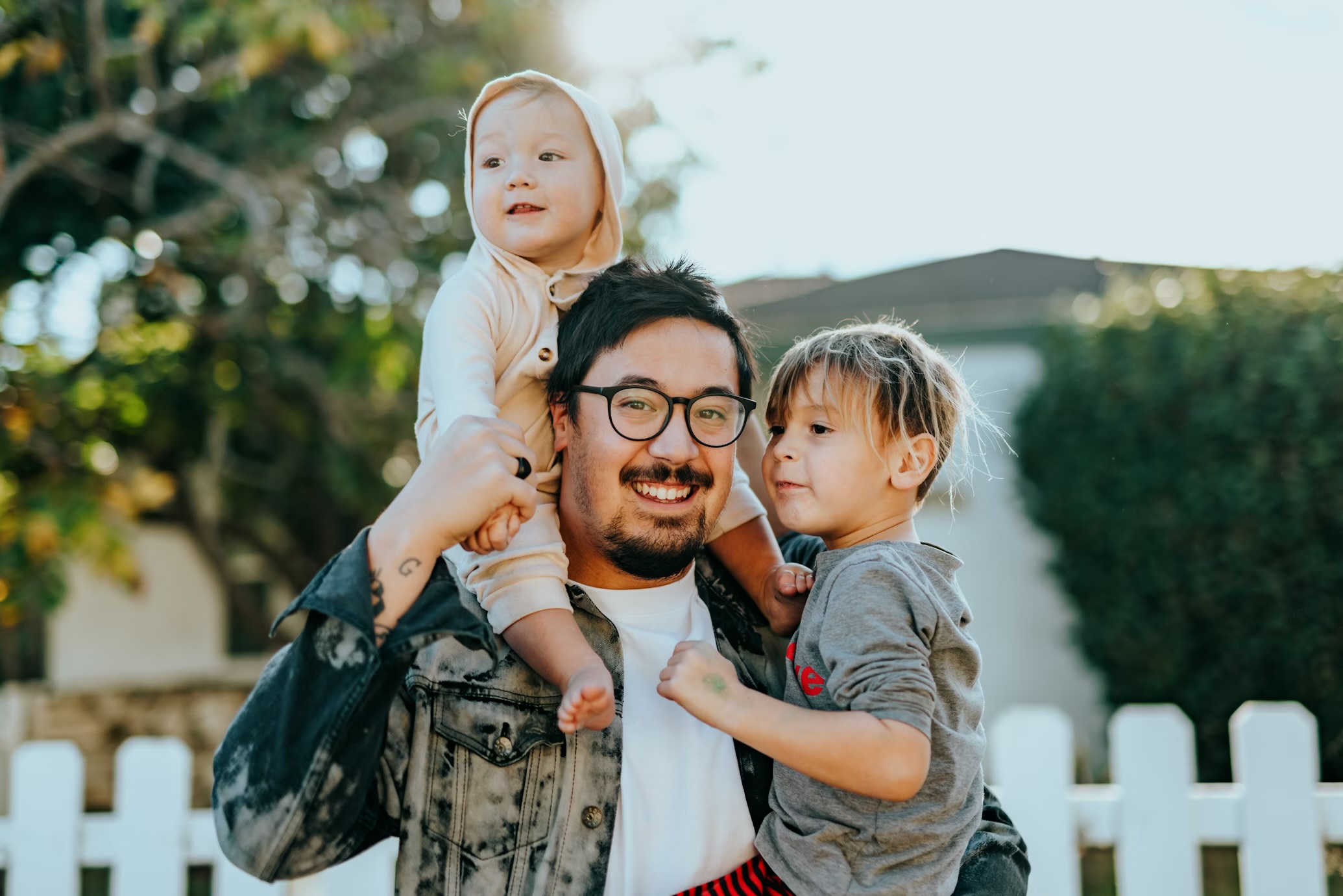
Image Credit: Nathan Dumlao from Unsplash
Although rude/racist strangers aren't pleasant, it can be even worse to have family comment on your differences from them. Aside from my white family being subtly racist towards everyone who isn’t the same shade as them, my grandparents question the legitimacy of my love for my Chinese culture. It always feels like I’m either too exotic or too Americanized.
I get weird stares because I butcher Chinese greetings, but also get eye-rolled at for cooking bok choy. What do you want from me? You want me to be authentic, but when I don’t match the stereotypes set in place for me by society, I get questioned.
It feels like I can’t be ambivalently both Asian and white at the same time. I’m either one or the other. I take my shoes off inside, but still struggle to remember proper form for dealing with my elders.
Benefits of Being Biracial
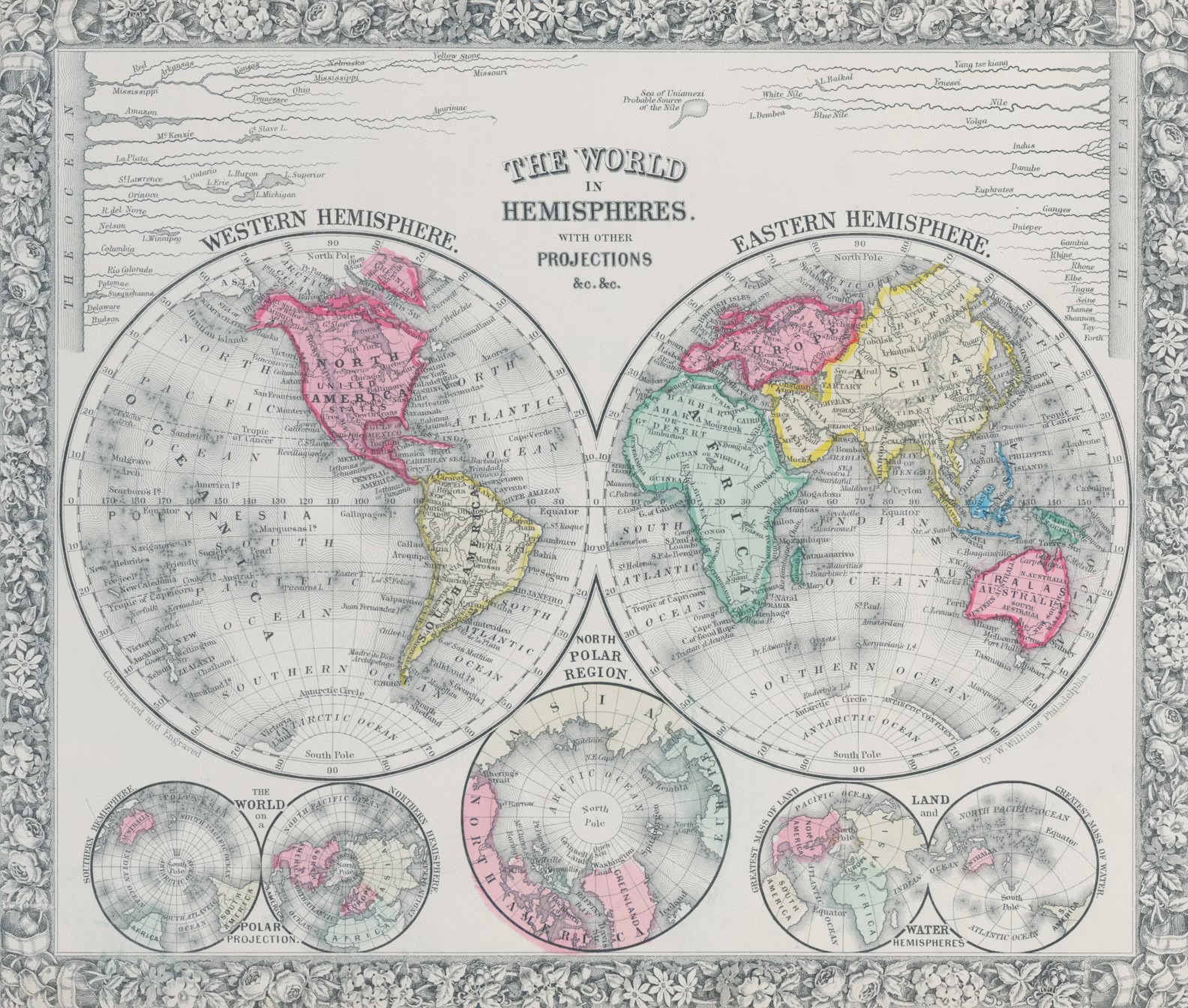
Image Credit: The New York Public Library from Unsplash
Although I sometimes feel like I am at a border between two worlds, I still feel genuinely grateful for my mixed ancestry. Not only do I get to enjoy the different foods, but also the language and culture. I get to learn about my rich heritage, whether it be immigrants from Russia trying to get to the U.S. or a grandfather who saw the end of World War ll.
All biracial people or people with even more ethnicities that make them up have this gift. Even if we get questioned by people, even if we get called un-American, we can have the pride of mixed heritage and see the world through various lenses.