





In your mindfulness classes, you are told that the way you see yourself is one of the most important elements of mental health. Mentally and emotionally healthy teens are fully aware of themselves and can accept themselves as they are. This does not mean that you feel like you are perfect, it means you are aware of your own strengths and weaknesses and are willing to work with it to improve yourself without feeling down. This article will discuss a powerful method, gratitude journals, to help teens with their mental health.

Image Credit: Iffany from Unsplash
A teenager’s life, especially during the high school years, feels like a never ending cycle. Things just keep piling on day after day, more and more. Although you can not stand those Monday mornings, you walk into school feeling like you have got it all under control.
You studied hard over the weekend for your Chemistry quiz and you are finally caught up with all your homework. Later that day, you feel even better because you think you slayed that quiz and your friends are all laughing with you at lunch over some dad jokes the teacher had made. In those moments, life at school feels manageable and even magical.
But then Tuesday, you forget a homework assignment, there is some drama between your friend group and your Chemistry teacher gives back your quiz that you did not do well on. Suddenly, the confidence you had yesterday starts to diminish. By the time Wednesday comes around, you are exhausted from staying up late trying to finish projects and studying for the multiple AP exams coming up.
You are drained! You feel like school is all about surviving and less about learning.

Image Credit: geralt from Unsplash
The truth is that school life is full of expectations and pressures that come from all sides. You feel pressure from your teachers, parents, friends and most of all, yourself. Everyone talks about balancing academics, social life, extracurriculars and planning for the future, but no one really teaches you how to deal with it. You just feel the constant rush of deadlines and the unspoken competitions among your peers that leaves you feeling anxious and burned out.
You have probably heard about the various ways you can manage your stress, like such as talking to a counselor, doing some breathing exercises and getting more sleep (as if that is even possible during finals week). These things are all valid and important. But there is another trend that does not get talked about nearly enough, something so simple but surprisingly powerful, a Gratitude Journal.
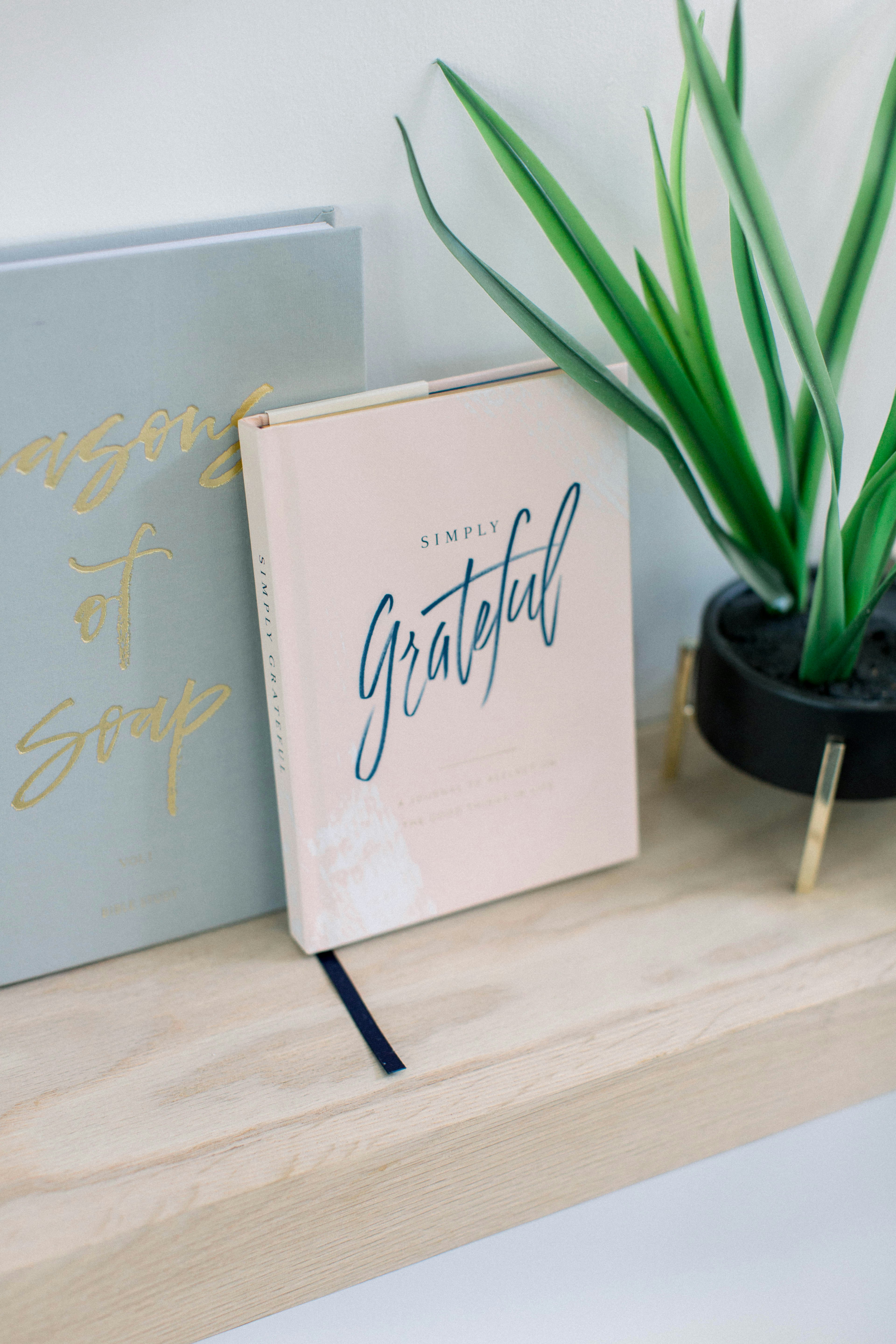
Image Credit: photostuff from Unsplash
It might sound like something out of an elementary school wellness lesson but writing down what you are thankful for everyday can really help. A gratitude journal is not about ignoring your problems or pretending everything is great. It is about making space in your busy brain to notice the good things in your teenage life that you tend to miss because you are focused only on the bad things that take over. For example, like the teacher who always smiles and says, “Hi” to you in the hallway and your friend who takes the time to send you a funny meme when you are having a rough day.
When school feels overwhelming, which is the majority of the time as a high schooler, taking a few moments each day to reflect on what is going right in your life can really help you change how you think. It helps you stay grounded and reminds you that even on the worst days that there is still something worth appreciating.
“Gratitude makes sense of our past, brings peace for today, and creates a vision for tomorrow." - Melody Beattie
Gratitude journals are not magic, but it is a habit that can make the chaos of teenage life feel just a little bit more manageable.
Let us slide into your dms 🥰
Get notified of top trending articles like this one every week! (we won't spam you)What Is a Gratitude Journal?
Gratitude journal is simply a place where you can regularly write down things you are grateful for. It could be a tangible book or on your phone. You can write things from your supportive family to landing that part in the school play.
They can also be small everyday moments like a delicious cup of coffee, a sunny day, or a funny meme that made you laugh.It is not about creating a highlight reel of only the most monumental achievements. Sure, those big wins absolutely deserve a spot in your journal. But the beauty of a gratitude journal truly shines in its ability to illuminate the often overlooked joys of the everyday.

Image Credit: Madison Oren from Unsplash
It is about tuning into the subtle moments that can easily get unnoticed. This space becomes your go to zone for actively recognizing and recording the good stuff in your life.
It is also about training your mind to see every little sparkle in the ordinary. Maybe it is the kindness of a classmate who offered you a hand with a tough problem or the comforting sound of rain on your window as you are snuggled up with a good book or even just the satisfaction of finally finishing that challenging puzzle. Your gratitude journal becomes a treasure trove of these little gems, a reminder that amidst the chaos there is always something good to be found.


Take the Quiz: What is your IQ level?
Find out how smart you are by taking this quiz!
How Gratitude Journals Help
So, how does writing about your favorite pizza place actually help your mental health? It is not magic, but the science behind it is pretty cool:
- Changes your Views: Our brains are often wired to notice the negative things. It is a survival instinct. But constantly dwelling on what is wrong can lead to stress, anxiety, and even sadness. Gratitude journaling helps you actively shift your focus towards the positive, training your brain to spot the good things happening around you.
- Boosts Happiness and Optimism: When you regularly acknowledge the good in your life, you naturally start to feel happier and more optimistic
- Reduces Stress and Anxiety: By appreciating what you have, you might feel less worried about what you lack. Negative thoughts will not fuel your stress and anxiety if you focus on the positive thoughts instead.
- Improves Sleep: Reflecting on positive aspects of your day before bed can lead to a more peaceful and restful sleep. Instead of replaying stressful events, you are focusing on good vibes.
- Increases Self-Esteem: Recognizing your blessings can help you feel more content and appreciate yourself and your life, leading to a boost in self-esteem.
- Fosters Resilience: When tough times hit (and they will), having a practice of gratitude can help you remember that even in difficult situations that there are still things to be thankful for. This can build resilience and help you cope better.

Image Credit: Nathan Dumlao from Unsplash
How to Start your Gratitude Journal
The best part about gratitude journaling is that there is no right or wrong way to do it. Here are a few tips to get you started:
- Find Your Method: You can use a fancy lock diary, a notes app on your phone or a simple spiral notebook. Choose whatever feels most comfortable and accessible to you.
- Pick a Time: Decide when you want to do your gratitude journaling. It could be every morning to set a positive tone for the day or every evening to reflect on what went well or even just a few times a week. Remember, consistency is the key but do not stress if you miss a day.
- Start Simple: You do not need pages and pages every time. Even just listing 3-5 things you are grateful for is a great start
- Be Specific: Being specific makes your gratitude feel more real and impactful. Write details, such as names or events to really help you stay positive.
- Reflect on Your Feelings: Take a moment to actually feel the gratitude by thinking of the feeling you got from the person or thing. Be aware of your feelings and express them in a healthy way.
- Mix It Up: Try to notice all the good stuff happening in your life. Having a good attitude will lead you to a more positive outlook in life. Try to appreciate every person, thing or advice.
- Do not Compare: Your gratitude journal is personal to you. Do not compare it to what you think you should be grateful for or to what others might be grateful for. It is for your ears and eyes only.
- Be Patient: It might take some time to see the full benefits of gratitude journaling. Stick with it, even on days when it feels difficult to find things to be grateful for. These days are the toughest but it is important to find even the most minute thing to keep it going.

Image Credit: Gabrielle Henderson from Unsplash
The more you use gratitude every day, the greater the good you will bring into your life. It is all you have to do to completely transform your life in every single area, and on every single subject.
"There are no limits to the good you can bring forth to you, and by practicing gratitude daily, you will increase and maximize your magnetic power to attract a life beyond your wildest dreams."
-RHONDA BYRNE