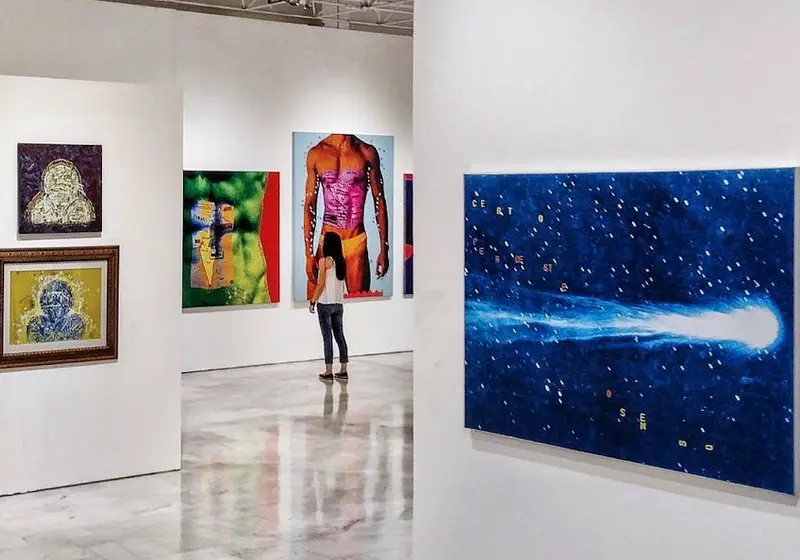





Art has always been created to be shared.
What’s the point of creating beauty if no one’s going to have the chance to appreciate it?
The attention that eyes, other than the artist's, give to the work of art is what gives it even more power, importance and value —beyond what it already possessed by the simple fact of being created. But there’s also a need to make our own space without constantly feeling we have to make others see the same world as us, because we all have different eyes.
Visiting places where art was made with someone else is interesting. You both point out what catches your attention, discuss where to go, and after a long time trying to agree, one of you usually ends up giving in to make the other happy. Otherwise, you’re lucky enough to be so connected that you naturally share the same interest —but that’s not always the case.
Sometimes there will be no one to go with. And we can’t always expect someone to adjust to our wishes or be by our side nodding at every plan we propose.
It’s always comforting to share your thoughts with someone who you know sincerely understands you —as deep as every human wants to be understood. But maybe share those feelings after you’ve truly experienced them by yourself can be even more powerful.
Because yes, having the pleasure of going to a museum and experiencing it in the most authentic and pure way is not about what you’re looking at —it’s about how that make you feel.
So here are my reasons why you should start visiting museums by yourself.
Let us slide into your dms 🥰
Get notified of top trending articles like this one every week! (we won't spam you)1. Breaking the Pattern
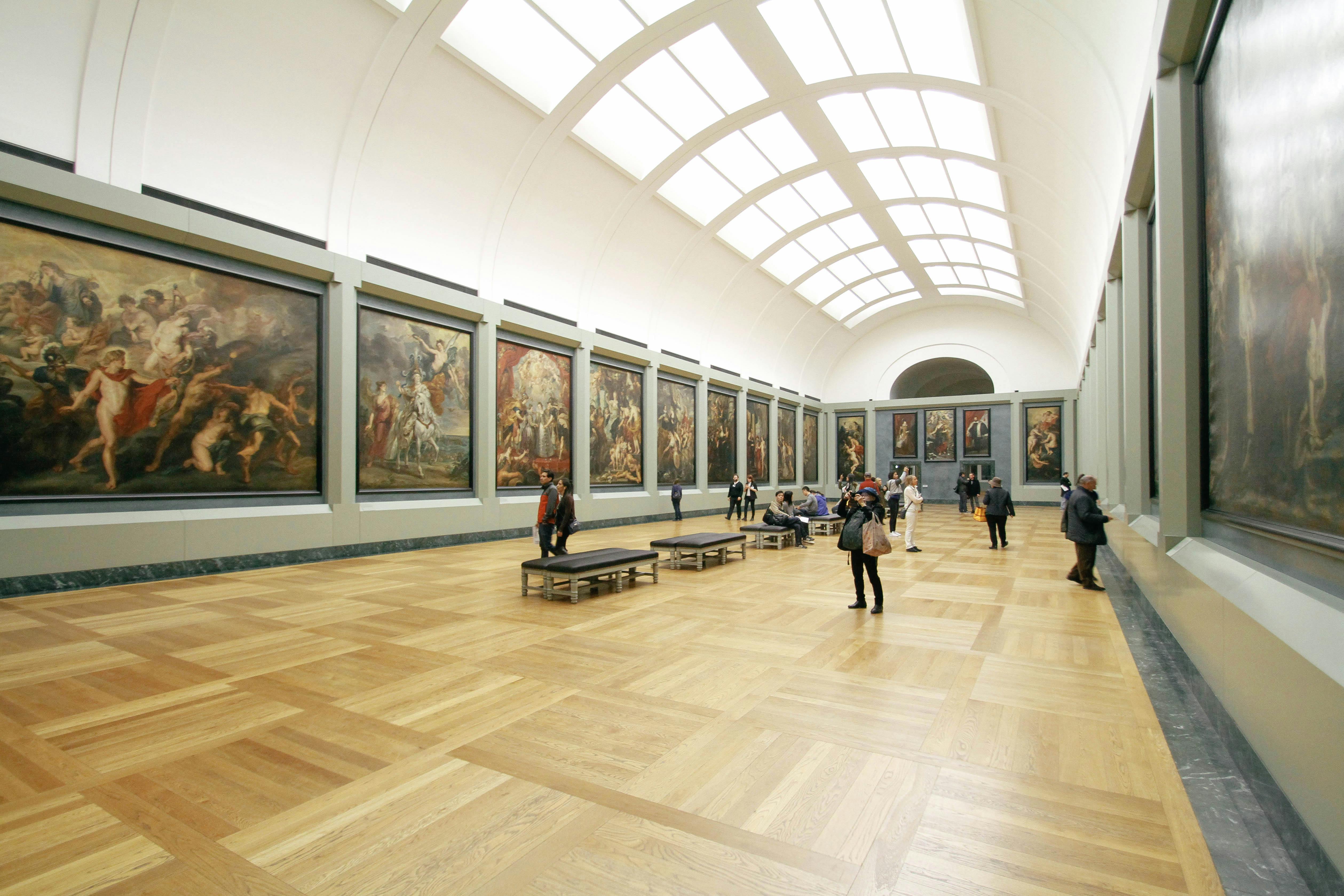
Image Credits: Riccardo from Pexels
As humans, we have a habit of repetition. We follow the same pattern and make decisions that lead us down the same paths every single day of our lives. Unconsciously, but that’s what we do.
This small detail is often what makes our daily routine a little boring. We don’t constantly seek change, we wait until that change comes to us. We return to familiarity because it’s something we know, and that makes us feel safe.
How do we get out of this loop?
Deciding to visit a museum disrupts that loop directly. A small act that creates a powerful impact. You begin to focus more on your movements and thoughts. You become more aware of them.
You walk in front of the paintings without having to please anyone but yourself. You simply exist silently between the whispers of strangers and the spark of the artwork.
“In this noisy world there are two places where one may yet go to do some quiet soul searching. Museums and public libraries... Soon people will have to go searching for quiet like they used to hunt wild game.”
— Alice Childress, Rainbow Jordan
This is not just about hunting for quiet —it’s about finding it.

Take the Quiz: Which Fall Activity Should You Try Next?
Fall is full of exciting activities to match your vibe! This quiz will help you discover the perfect way to enjoy the season.
2. Pure Mindfulness
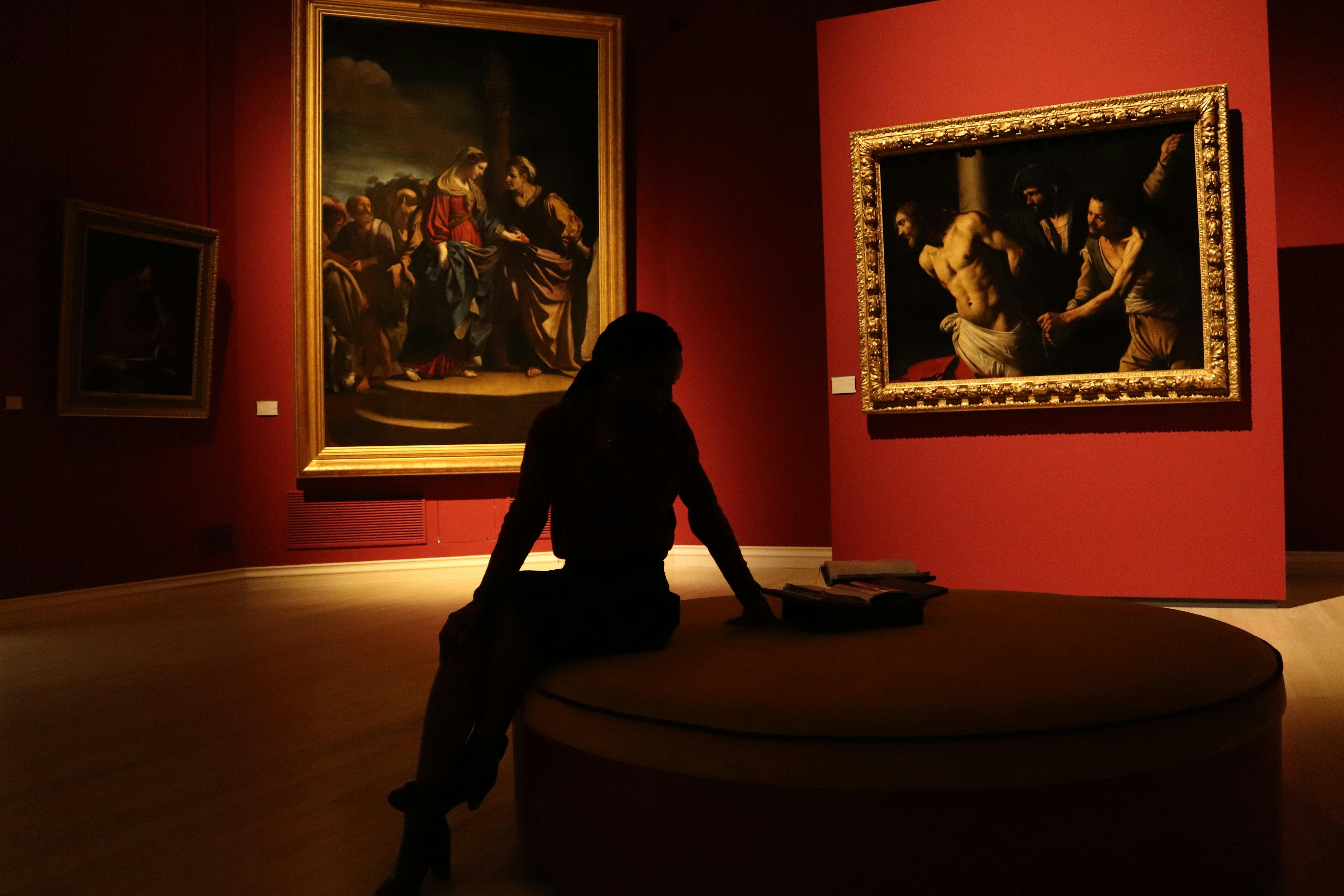
Image Credits: Loïc Manegarium from Pexels
Museums are time capsules. They allow us to travel to a past we never experienced, but they remind us of our own, while we stand before a motionless image. That's why we must do the same.
Just stop. Stay in the present and live it, sometimes without even being able to fully understand it. But because museums invite us to slow down, we have nothing to lose by giving it a try.
What if we treated life like we treat art?
When we go to museums alone, we can allow ourselves to engage with each piece at our own rhythm, without distraction or external commentary. What don’t we do the same with life? Maybe we would look at it with more patience. Not because we have it forever —but having today sometimes can be more than enough.
We would pay attention to the most basic details —the colors of a sunrise, the streetlights beating at night like hearts and transformation of trees as the seasons changes.
“...That's why we have the Museum, Matty, to remind us of how we came, and why: to start fresh, and begin a new place from what we had learned and carried from the old.”
— Lois Lowry, Messenger
This kind of presence may feel rare at first —but it’s only the beginning. Museums offer it freely. But only if you’re willing to receive it with open arms.
3. Internal Dialogue
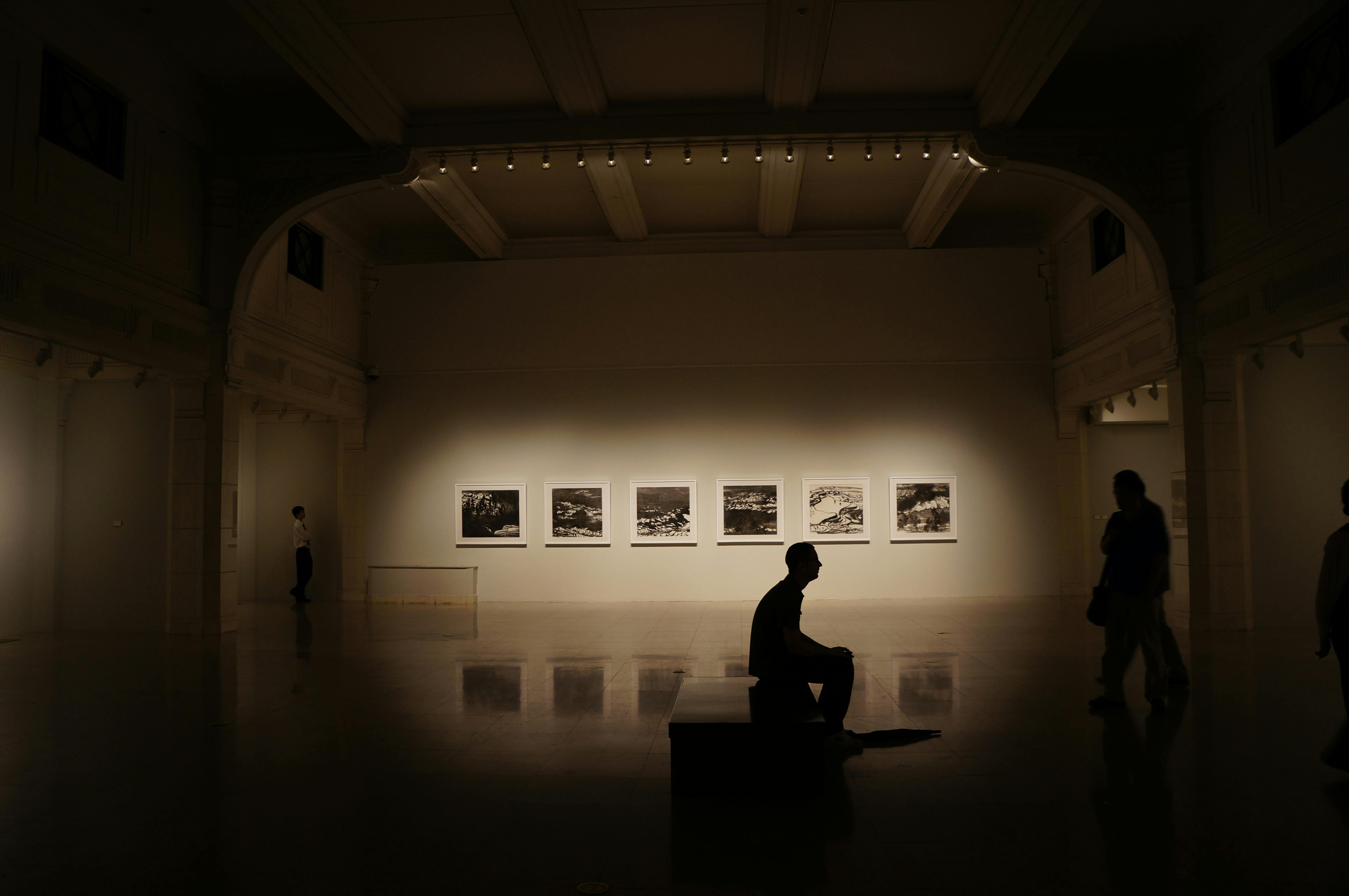
Image Credits: Pixabay from Pexels
When you have a conversation with someone and you’re speaking —and even just listening— most of your attention is focused on them: their body language, the way they speak and the things they say. You're stepping yourself aside to make more space for both of you so you can dwell.
But what if you decide to visit a museum alone?
Art becomes a mirror. You start to find yourself in the little details —a red rose, an ocean wave or a starry sky. You smile at certain strokes that come together to form a beautiful memory now returning to your mind, or you may even shed a tear as you feel in your bones the story the painting is trying to tell. You realize that it’s less about “understanding” art itself and more about understanding you through the art.
“I've never been somewhere I belonged, but there are places where I think I could be happy. Like San Francisco. Well, do art museums count? Because I feel like I belong in them.”
— Heather Demetrios, I'll Meet You There
And this isn’t about isolation. Art museums can be the place where some of us finally feel we belong —not because they open their doors for us, but because they let us be.
4. Boost in Creativity
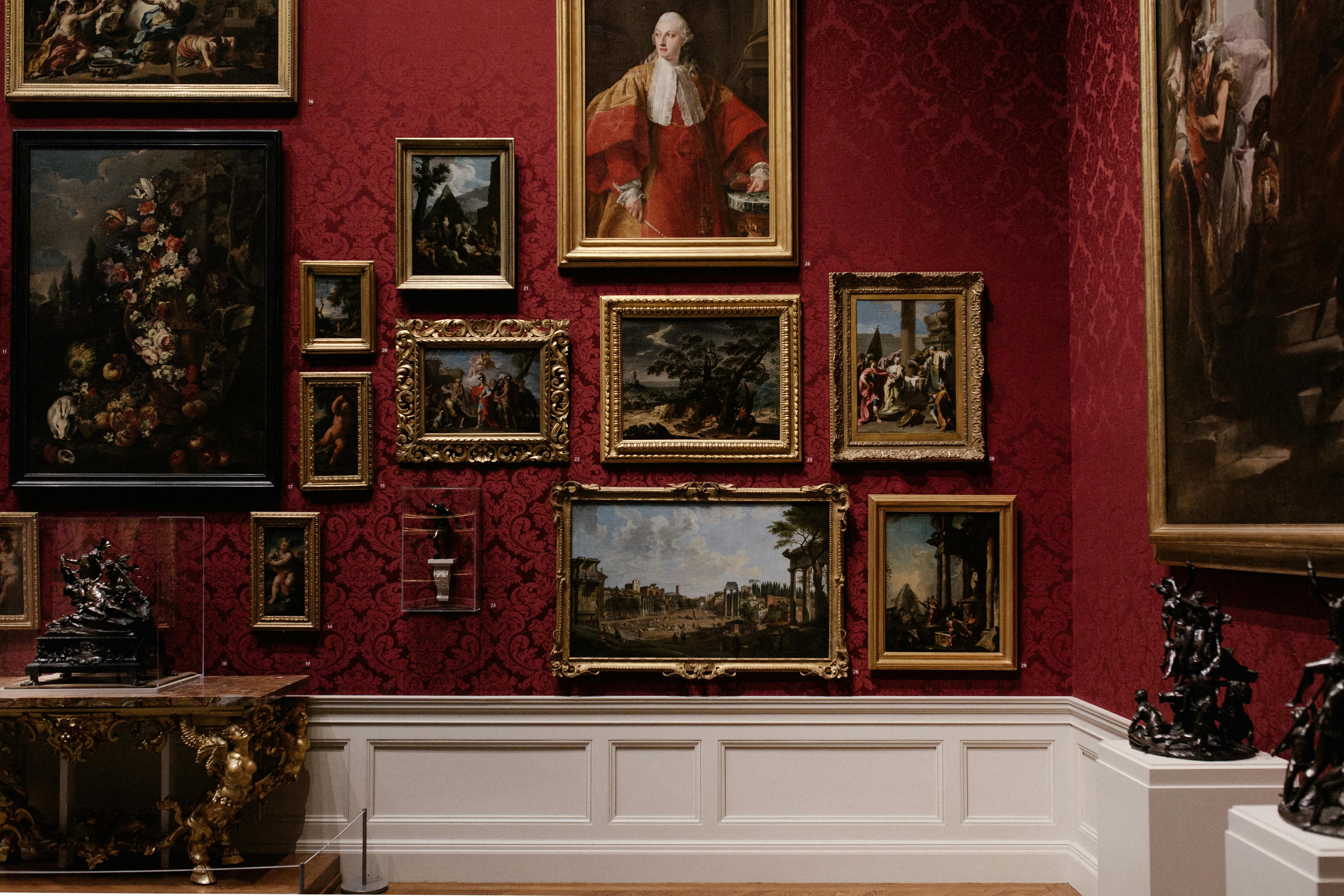
Image Credits: Andrew Neel from Pexels
In a museum, time becomes space. You walk into someone else’s memory trying to understand and feel what they were passing through when they decide to bring a specific artwork to life. You become part of that emotion —it begins to live inside you. It spreads through every inch of your skin until it begins to breathe the same air as you.
Now, what do we do with all of that inspiration inside of us?
We create more art.
We take the art we experience and turn it into something new —expressed through different experiences and meant to be seen through different lenses. It can be something as complex as finding the perfect rhyme for a poem you’ve been writing for weeks, or as simple as recommending something we love to somebody else, so they can feel what we feel. Either way, it’s all worth it.
“Real museums are places where Time is transformed into Space.”
— Orhan Pamuk, The Museum of Innocence
Artworks don’t just decorate plain white walls. They ask you questions, offer you answers, and then challenge those same answers with more questions. That’s what it’s all about —an endless dance where your feet never get tired of touching the ground.
5. Rejection of Passive Consumption
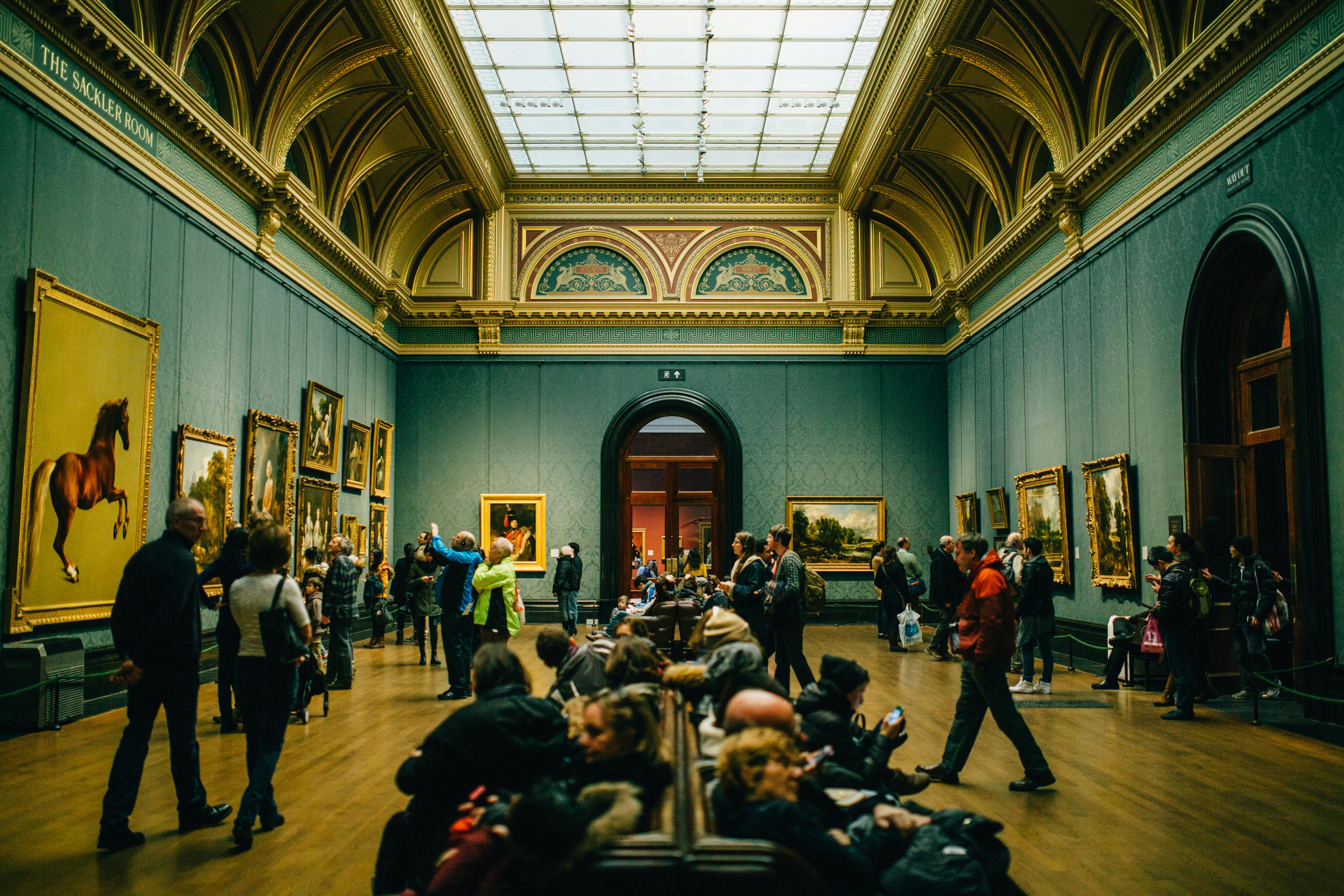
Image Credits: Negative Space from Pexels
Museums are not designed to be consumed in a rush —they’re meant to be experienced.
You leave your own footprint in the name of those who can't see, and for those who cannot help but forget. You’re not a passive observer. You become essential to the story you’re living —and you don’t need anyone to witness that moment for it to be real.
Because just like art, life isn’t always meant to be explained.
“The dimensional mind is active, transforming everything it digests into something new and original, creating instead of consuming.”
—Robert Greene, Mastery
In a world where we’re constantly searching for ways to fill the void left by constant changes, repressed emotions and lack of sensitivity, we need to go back in time when we weren’t afraid of watching time pass over our heads as we try to figure out whether what we were looking at was a hat —or a boa constrictor digesting an elephant.
At the end, it's never too late to appreciate what’s not totally gone yet.