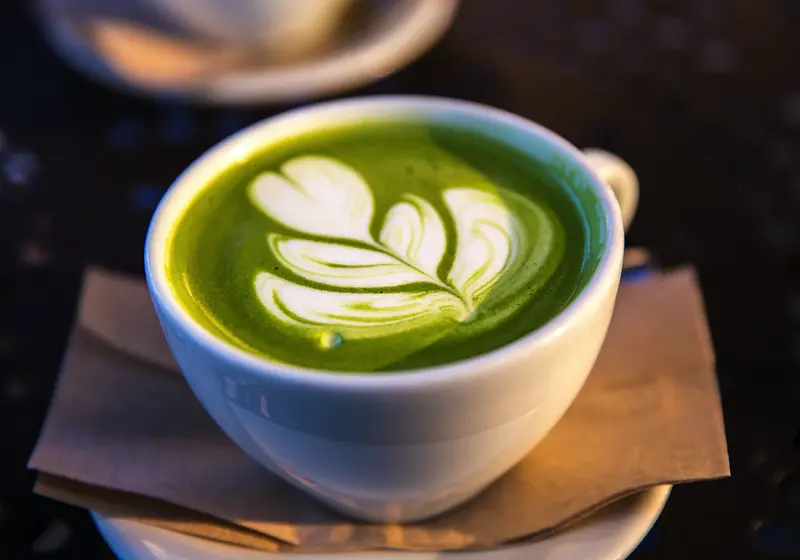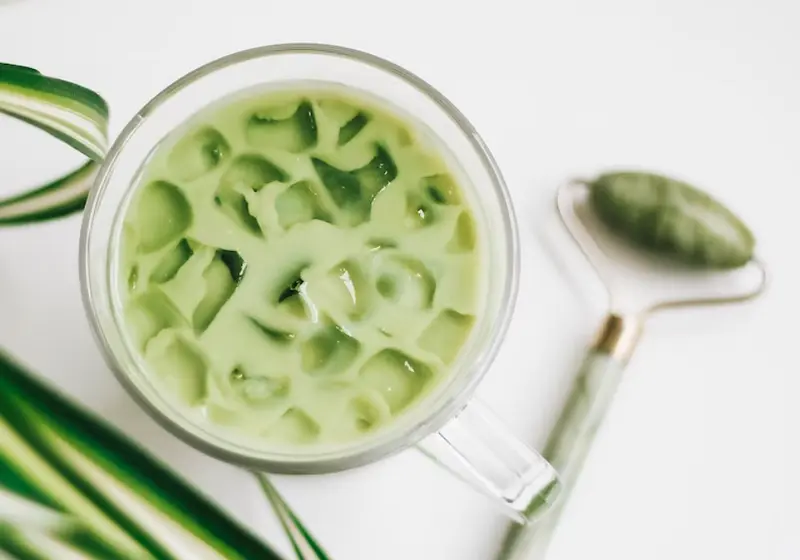






There were 2 people in our band who loved matcha before the term 'performative' was coined: Adam and his girlfriend, Lene. They spent their free time before practices or even after drooling over pictures of matcha online, and would buy matcha boba for each other as a treat. Then the internet discovered how to be performative. All of a sudden, Adam was harassed for his love of matcha.
He already enjoyed reading and dressed like a sophisticated high schooler, but now everyone commented on his favorite drink. Lene didn't feel the burn of matching an online stereotype, but Adam did. He stopped buying matcha drinks for himself and opted for safer boba milk teas, and stopped using his Pinterest to make matcha-inspired vision boards. His quality of life suffered because of an internet-caused stereotype.

Image Credit: Chris Benson from Unsplash
Let us slide into your dms 🥰
Get notified of top trending articles like this one every week! (we won't spam you)Matcha’s History
Matcha originated from the Tang Dynasty in China; however, over time, it was adopted by the Japanese elite in the era of the Kamakura shogunate as a symbol of wealth and status due to its rarity. The word matcha comes from a combination of the words matsu, meaning brush (referring to the bamboo whisk used to mix matcha) and cha, which means tea.
Matcha is still relatively expensive compared to other teas due to the standards at which they are grown, including that the tea plants must be grown in the shade to retain their signature green color.
Matcha has lived in relative obscurity, retained to Japanese and Chinese ways of life; however, since the 2010s, the hype has grown dramatically. The reason for this is that American social media influencers have taken the health benefits of matcha and run with it. Once an elegant and special tea, matcha is becoming an entirely new cultural phenomenon. One that seems not to respect its ancient history.
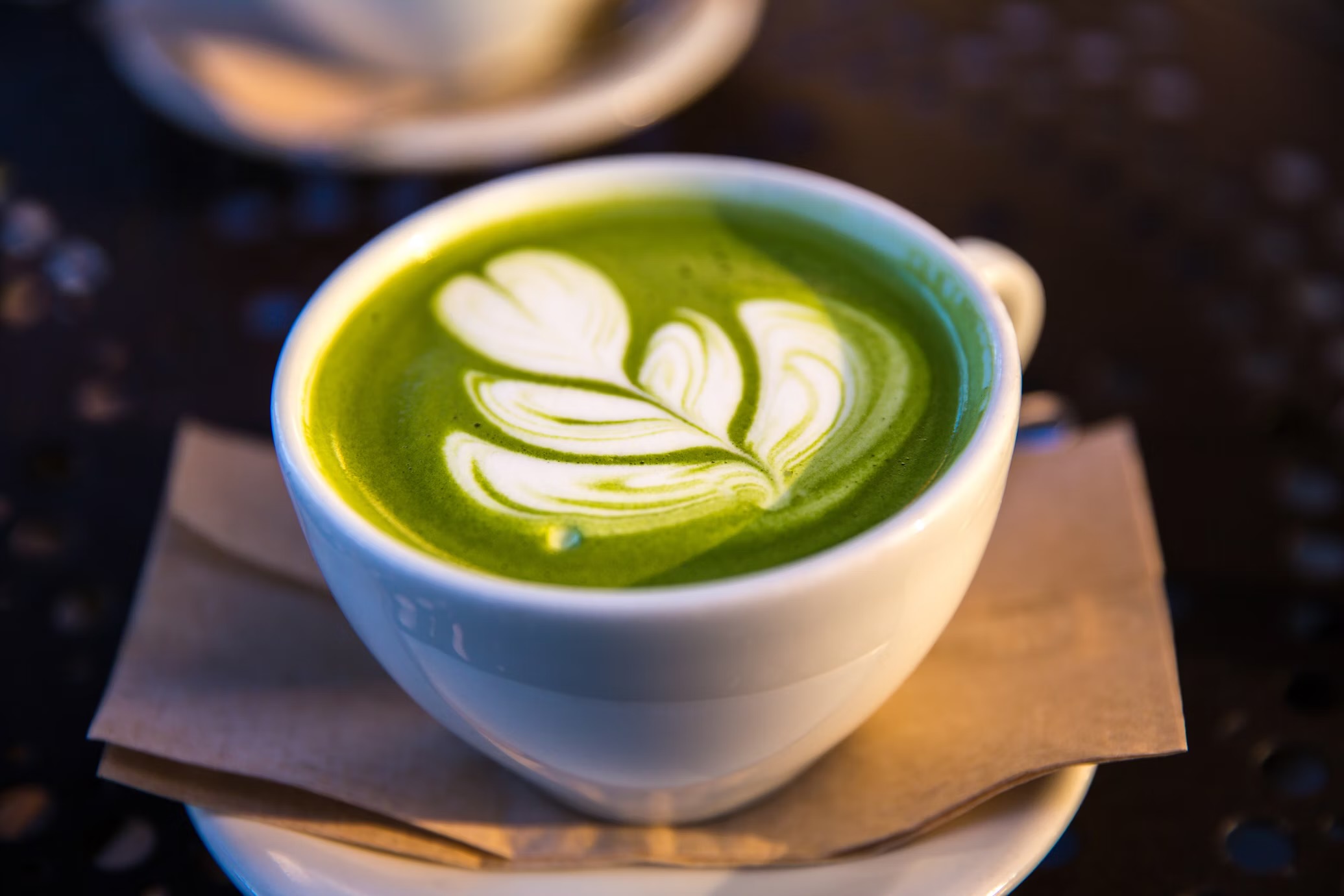
Image Credit: Jason Leung from Unsplash
Take the Quiz: What Aesthetic Are You?
Let us find out your aesthetic for this summer!
The Performative Male
A new fashion and personality has emerged recently online: the performative male. Known for his reading of classic literature and being partial to baggy yet sophisticated clothing, the performative male will do anything to seem woke and authentically feminist. Along with this, he must be awakened by iced matcha lattes, boba, and other green goods.
The art of being performative, it seems, is to appear ‘woke’ and progressive. However, it is far from real. Many have called out these men as using it to manipulate dates into believing their fake persona, and for those who actually are like this, they get shunned.
Image Credit: David Kristianto from Unsplash
Matcha needs to be understood for its roots. Why was it originally so popular? Like pomegranate juice, matcha is known for its antioxidant properties and is a better source of caffeine than traditional coffee or energy drinks. It is good for people who don’t like overly sweet drinks or boba teas, and it works well in baked goods.
If we continue to only know matcha for its stereotype, it not only detracts from the drink but the people who enjoy it. Like Pinterest boards, matcha is not just something to lump into with other products or experiences. It should be enjoyed for what it is, not what it stands for.
Conclusion
Like many online stereotypes, the performative persona is fun but also harmful for many people. It feels like they are being boxed into a narrative that they don't believe in or identify with. Matcha has been pushed into this world of online aesthetics and culture and has been manipulated into something that is seen as fake or overly health-focused. We should enjoy matcha for what it is, a delightful, earthy tea with centuries of history.
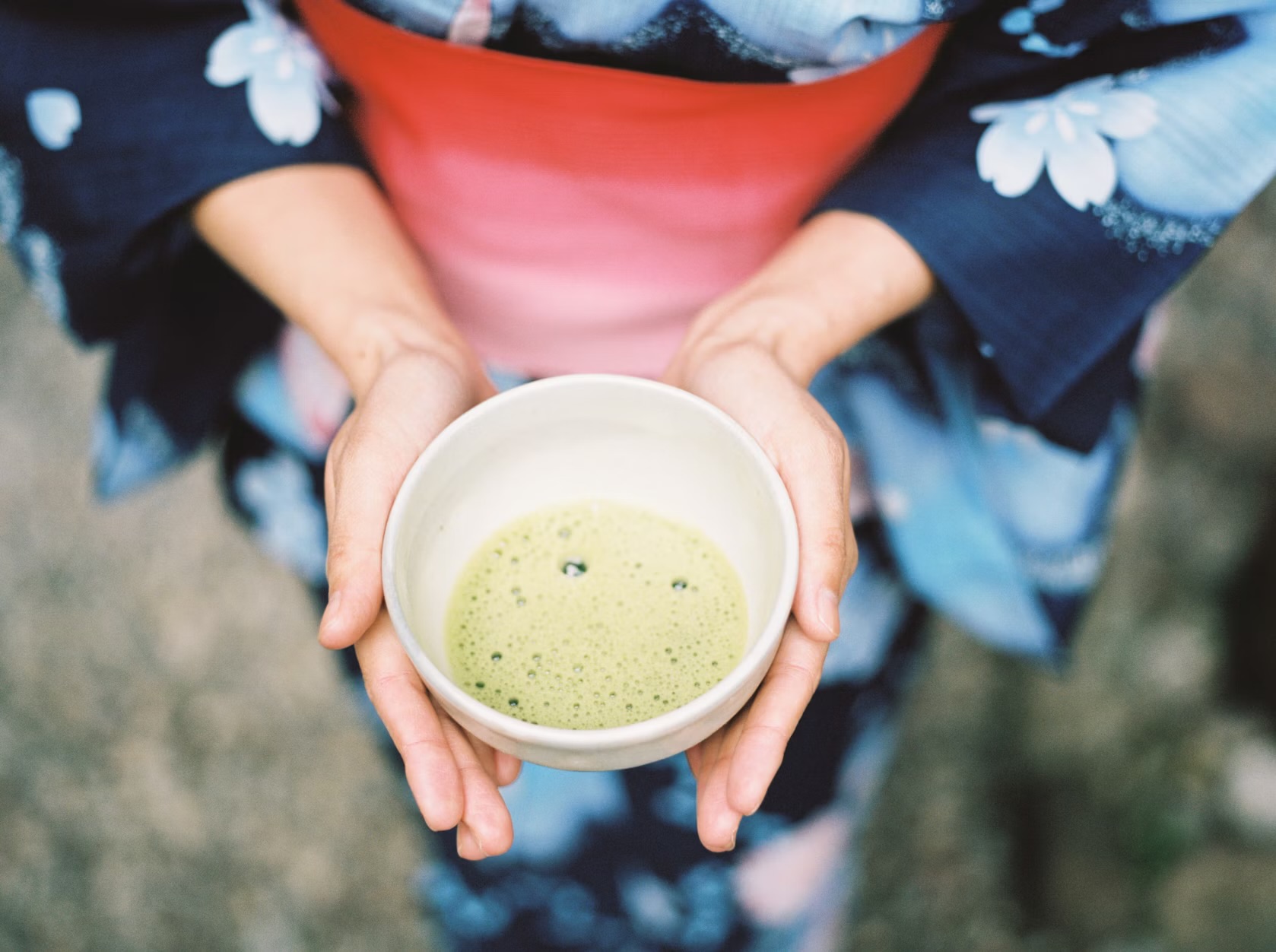
Image Credit: Motoki Tonn from Unsplash