



Cue that iconic line: "Well, nobody's perfect."
Spoiler alert: That's exactly the point.
Ever felt like you're already falling behind in some invisible race to have it all figured out? Like glowing brighter than the sun itself 24/7, having a big & aesthetic friend group, a perfect relationship, going to wild house parties, and posting the perfect photo dump with the perfect caption?
Yeah - blame social media, teen movies, and the myth of the "perfect and ideal life." Whether it's The Summer I Turned Pretty, Gossip Girl, or To All The Boys I've Loved Before, pop culture has handed us a highlight reel of how our teen life "should" look.
But here's the real deal: chasing those stereotypes is doing more harm than good. And it's time to break those stereotypes and bring light to the reality behind them.
Let us slide into your dms 🥰
Get notified of top trending articles like this one every week! (we won't spam you)Stereotype #1: The Pressure to Be Perfect
From Instagram stories to Netflix teen dramas, there's a silent pressure to perform. While it may not always be direct, it's surely there.
- If you're not at the party everyone is at, are you even relevant?
- If your friend group isn't giving matching bracelets, deep talks at 2 AM on a school night, and having sleepovers every Friday, are you missing out? Do your friends even like you?
- Who are you if your skin isn't glowing 24/7?
These expectations are exactly what form the modern "teenage blueprint": Be effortlessly cool, happy, flawless, and happy- ALL the time.
But let's be real- that is not how real life works. Real life is messy, complicated, sometimes unorganized, and maybe not Instagram-worthy, but that's the beauty of it.


Take the Quiz: Do You Know Gen-Z Slang?
Take this quiz to see if you're updated on the latest Gen-Z slang!
Stereotype #2: The Picture-Perfect Relationships
In almost every teen show or movie we come across, the main character has a "core circle" or a "close-knit family" that's available 24/7, perfectly understanding and non-judgmental, and always up for late-night talks and road trips.
Parents who might start clueless and/or unfeeling but always come around eventually ( The Summer I Turned Pretty, Ladybird). Best friends who surprisingly know exactly when to show up with ice cream (To All Of The Boys I've Loved Before). And the love interests?
Emotionally mature and always communicating? Check. Playlist making and writing love letters? Check. (Heartstopper, The Half of It, Dash & Lily)
We're all shown a flawless, chaotic, yet emotionally solid version of relationships so often that it makes us question ourselves, "Where am I going wrong..? Is this the right way of doing this..?"
But here's the catch: That's fiction.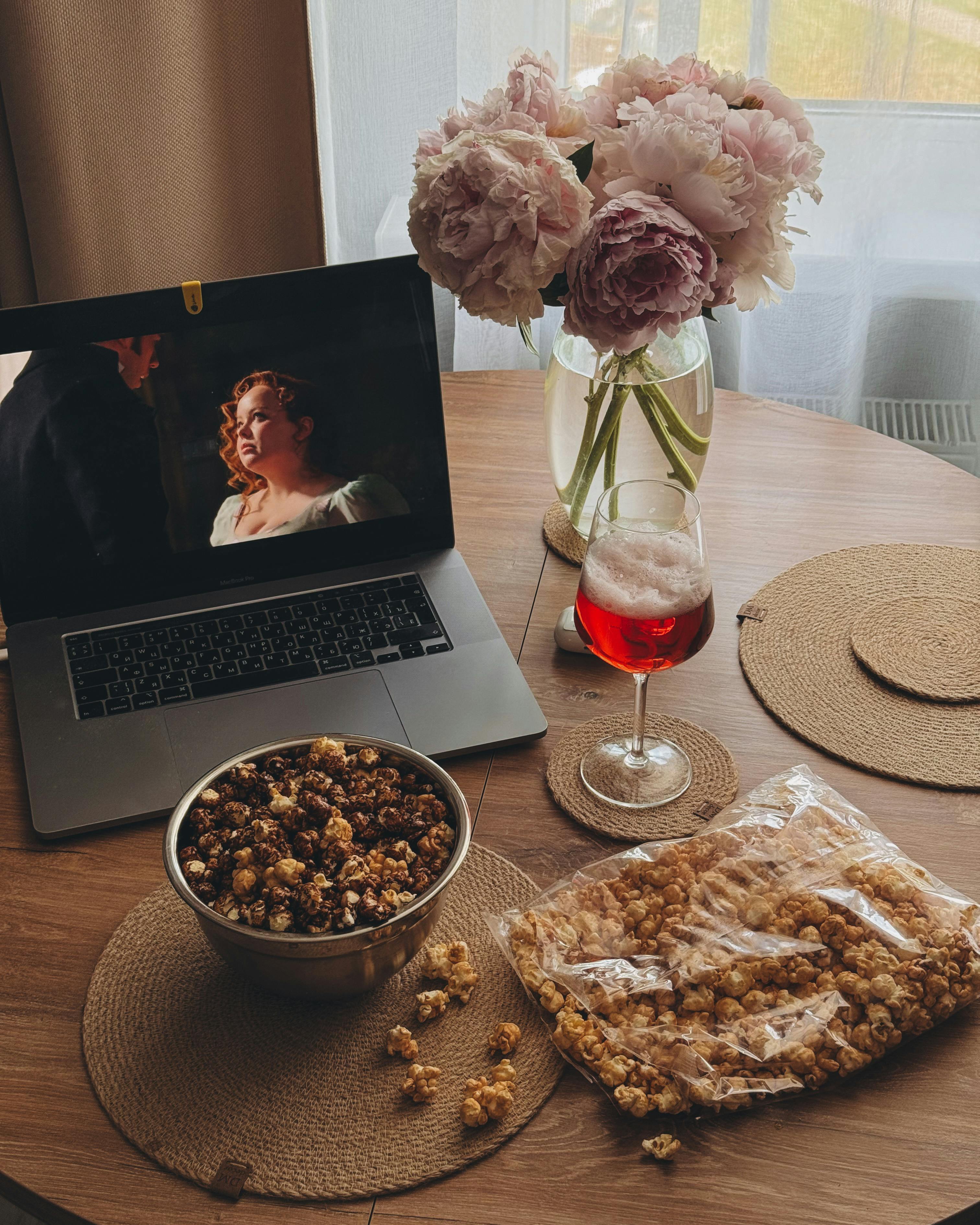
Image credit: Iryna Varanovich from Pexels
In real life, relationships are complicated. Sometimes, even the closest friends don't check in when they should. Sometimes parents don't understand your creativity, passion, or mental health needs, or simply don't understand you. Sometimes your first love doesn't craft the perfect apology and ghosts you instead.
And that's not a failure- it's just reality. The pressure to have a "perfect support system" can make you feel lonelier when yours doesn't look like the on-screen version. It can convince you that either it's the wrong people you're surrounded by, or it's you who's the problem. But real relationships include awkward silences, misunderstandings, messy healing, letting go, and yes- even space.
Stereotype #3: Looking Flawless All The Time
In teen movies, everyone wakes up flawless. It all goes from thick, glossy hair in The Kissing Booth, glittery tears in Euphoria, or matching outfits in Clueless- where even gym class looks like a Vogue photoshoot.
We're told and shown that looking good should come to us effortlessly, naturally, and constantly.
But in real life? Far from it. Breakouts before a big day.
Hair that won't listen. Crying with a red nose, puffy eyes, and flushed cheeks. Not every moment is a golden hour, and honestly? It shouldn't have to be.
What the Data Says (It's Not Pretty)
Turns out, science and research back up the pressure we're all feeling:
- A 2022 global study by the University of Waterloo found that 55% of teens felt unhappy with their bodies, and the more time they spent on social media, the worse it got.
- Internal data from Instagram (Meta) revealed that 1 in 3 teen girls said the app made them feel worse about their bodies.
Basically: comparing yourself to a highlight reel is ruining your self-esteem, and it's by design.
Final Takeaway: Perfection Isn't Equal to Happiness
Hollywood romcoms gave us the perfect ending. Social media gave us a guide to perfection. But real life is messy. It's changing, uncertain, full of plot twists, yet still worth living exactly as it is. So when you feel like you're behind, remember:
You don't need to live the ideal life. You just need to live your life.