







If you’ve been online in the past few weeks, you’ve probably seen people writing “six seven” over and over again. Maybe it was in a TikTok comment section, an Instagram reel, or even shouted in your school’s hallways. The strangest part? Almost no one knows what it actually means.
At first glance, “six seven” looks like nonsense. But when you follow the trail, it turns out the phrase has roots in music, sports, and internet randomness. To understand why it spread so quickly, you have to look at where it came from, how teens turned it into a joke, and why memes like this work so well in today’s digital culture.
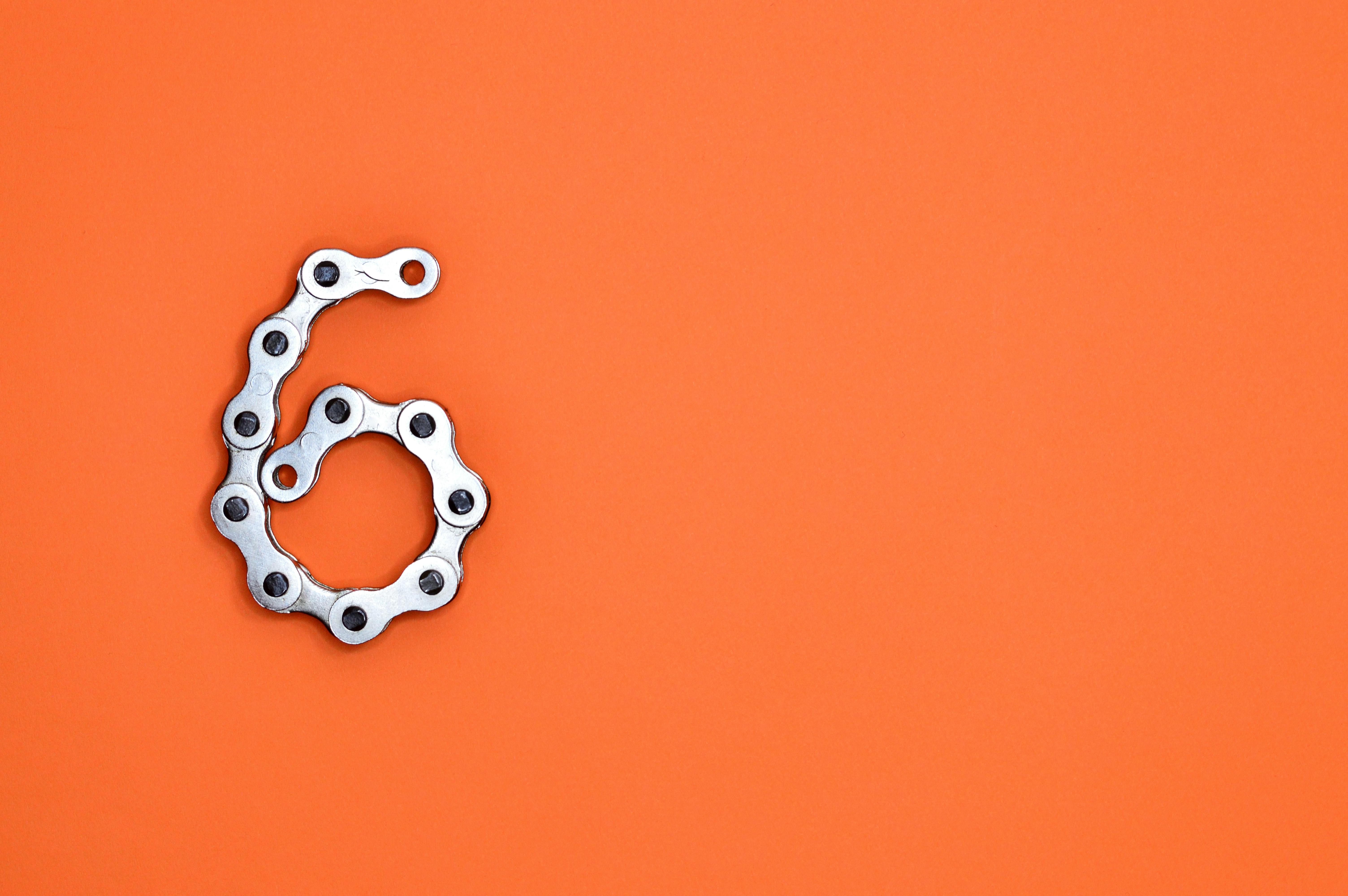
Image Credit: Photo by Miguel A. Padrinan on Pexels
Let us slide into your dms 🥰
Get notified of top trending articles like this one every week! (we won't spam you)The Song That Started It
The clearest starting point for “six seven” is music. According to Parade, the phrase comes from rapper Skrilla’s track “Doot Doot (6 7),” which features G Herbo. In the song, Skrilla raps, “6-7, I just bipped right on the highway.” The lyric isn’t explained, but the way it hits right before the beat drops makes it stand out.
On TikTok, people love sounds that sync with videos or edits. As Dexerto reported, that lyric became a popular choice because of the satisfying timing. Clips that line up perfectly with the “six seven” beat feel exciting and fun to watch, which helped the phrase take off.
Take the Quiz: What Kind of Main Character Are You?
Your choices might reveal whether you’re the fearless lead, the quiet dreamer, or the social spark.
LaMelo Ball’s Height Connection
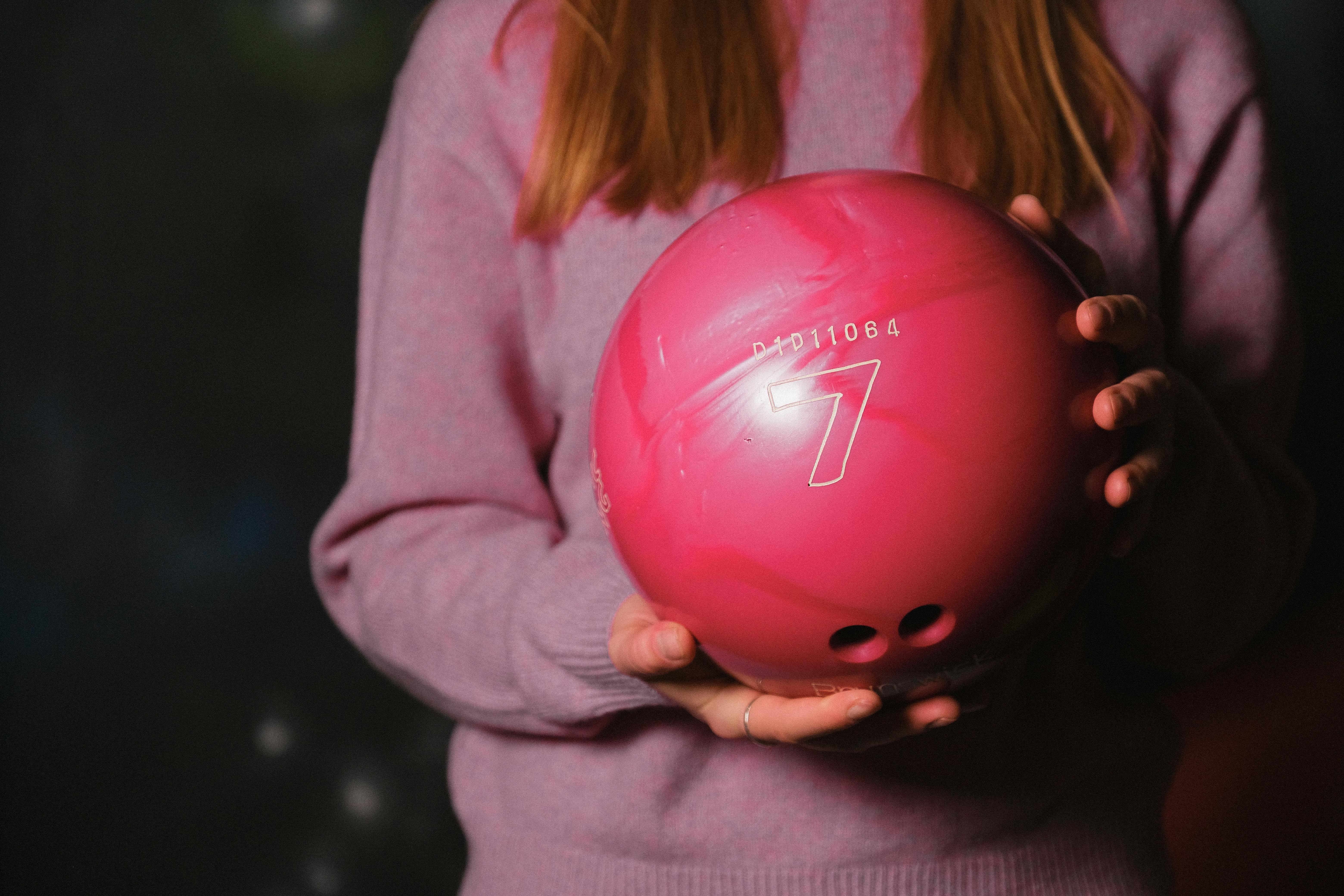
Image Credit: Photo by Anna Shvets on Pexels
The song might have introduced the phrase, but basketball gave it a major boost. NBA star LaMelo Ball happens to be 6 feet 7 inches tall. In highlight videos and fan edits, editors started dropping the “six seven” lyric exactly when his height was mentioned or flashed on screen.
Dexerto explained that these edits became viral because they combined the hype of basketball with the catchy audio from Skrilla’s song. For fans, the phrase became tied not just to the music, but also to the identity of a young, cool athlete.
The “67 Kid” Moment
Another piece of the puzzle is a viral clip known as the “67 Kid.” As Know Your Meme documented, the video shows Maverick Trevillian, a boy on the sidelines of a youth basketball game, shouting “Ay, six seven!” His fluffy hair and energy made the moment instantly shareable.
Once that clip spread, people started splicing it into TikToks or repeating the line in real life. Suddenly, “six seven” had both a sound (from the song) and a face (from the kid), giving the meme more staying power.
Why Teens Love It
Even though “six seven” has a clear origin, its explosion in popularity has little to do with real meaning. Most teens using it don’t care about Skrilla’s song or LaMelo Ball’s stats. Instead, they like that it feels like an inside joke.
There are a few reasons for this:
- It feels exclusive. Using the phrase makes teens feel like they’re part of something that adults and outsiders don’t understand.
- It’s funny because it’s random. As Distractify pointed out, people often drop “six seven” into situations where it makes no sense. That unpredictability is what makes it entertaining.
- It’s easy to repeat. Just two words and a space. That simplicity makes it spread much faster than complicated memes or long catchphrases.
Misunderstandings and Theories
Because the phrase spread so quickly, lots of rumors have popped up about what it “really” means. Some claim it refers to 67th Street in Chicago. Others think it’s just about being tall. A few even say it can mean “so-so” or average, like giving something a 6 or 7 out of 10.
But as Parade and E! Online explained, none of these theories are proven. In reality, “six seven” works because it doesn’t have one fixed meaning. People can use it however they want, and that flexibility keeps it alive.
The Role of Absurdity in Memes
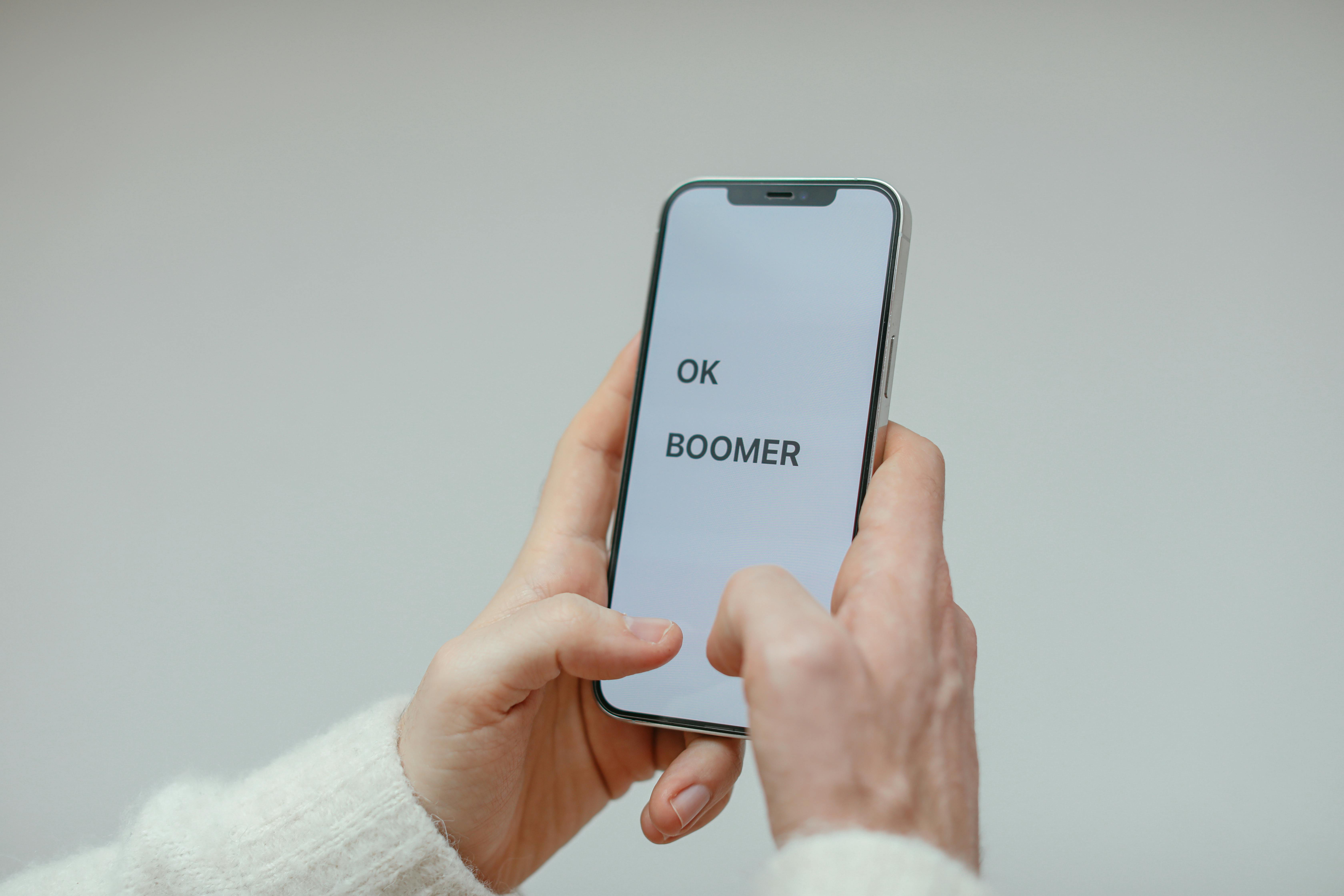
Image Credit: Photo by Cup of Couple on Pexels
The rise of “six seven” shows how much internet culture has shifted. A decade ago, viral memes usually had a clear joke or punchline. Think about Rickrolling or the Harlem Shake. You could explain them to someone and they’d understand the humor.
Today’s memes often thrive on being confusing. The appeal comes from not knowing what something means, and laughing at the absurdity of it all. Know Your Meme noted that “six seven” follows the same pattern as nonsense trends like “skibidi toilet.” The lack of meaning is what makes it fun.
The Impact on Teens
In schools and online communities, “six seven” has become more than a phrase — it’s a cultural signal. Teens shout it in classrooms, comment it under random videos, and use it as a kind of nonsense response to serious questions.
But this comes with both positives and negatives:
- Community bonding. Saying “six seven” is a way to feel included. If you know the joke, you’re part of the group.
- Disruption. Teachers, according to Unilad, have complained that students yelling it in class interrupts learning.
- Generational divide. For parents and adults, the meme is confusing. For teens, that confusion is the point. It makes the phrase feel like “theirs.”
Why the Meaning Stays Vague
The reason “six seven” hasn’t settled into one clear definition is because vagueness is its strength. The original lyric doesn’t give much context, so fans were free to reshape it. Its connection to LaMelo Ball and the “67 Kid” clip gave it cultural weight without locking it down.
This vagueness allows the phrase to be used in different ways: as hype, as a joke, as a random comment, or as a reference to height. By never settling, it stays flexible and interesting.
Will It Last?
Like most trends, “six seven” will probably fade once people get tired of seeing it everywhere. Teens often move on quickly, especially once adults start asking too many questions or trying to use the phrase themselves.
Still, the pattern it represents will last. Another meaningless phrase will take its place — maybe “nine four” or “apple chair.” The cycle of confusion, repetition, and belonging is central to how internet culture works today.
The Bottom Line
So, what does “six seven” really mean? At its core, nothing at all. It began as a lyric in Skrilla’s “Doot Doot (6 7),” got tied to LaMelo Ball’s height, and was boosted by the “67 Kid” video.
But its real power comes from its emptiness. Teens repeat it not because of what it means, but because of what it does: it creates an inside joke, builds community, and frustrates adults.
In the end, “six seven” is less about definition and more about participation. It’s proof that the internet doesn’t always need logic to have fun. Sometimes, being part of the joke is the only meaning that matters.