

Picture the scene, a warm September afternoon. A man washes his car in his driveway- absolutely normal, almost mundane. Minutes later, the police show up and he's arrested.
No explanation, no warrant, and no warning. That's exactly what happened to Jaswant Singh Khalra, a human rights activist from Amritsar who investigated and exposed the government in Punjab for its brutal abuses in the 1980s and 90s. And for that, he vanished.
Thirty years later, Khalra remains a powerful symbol of resistance against state violence. The term sounds familiar, right? That's because similar injustices are happening across the world right now in places like Palestine.
Though his name is often met with silence, Khalra's legacy and the price he paid deserve their place in the history books. Now is the time to shout his name.
Let us slide into your dms 🥰
Get notified of top trending articles like this one every week! (we won't spam you)Punjab in the 80s and 90s:
But first, some background, because it's key to understanding what led to his disappearance. Punjab during the 80s and 90s was an area drowned in politics and violence. A brutal insurgency was fueled by demands for greater autonomy, and separatist movements rose; neither was received well by the government, as its security forces carried out aggressive counter-insurgency operations that often blurred the lines between maintaining law and order and violating human rights. Again, very familiar.
In 1984, the Indian Government launched an attack on Sri Harmandir Sahib, the Golden Temple, in Amritsar, which was named Operation Bluestar, and its aim was supposedly to flush out terrorists. Imagine the Israeli government storming into Mecca and destroying the Ka'bah, killing anyone and everyone. Thousands of innocent men, women, and children were killed simply because of their faith.
This kick-started a decade of abuse against Sikhs across India, with many killed in Delhi shortly after Operation Bluestar. They were tortured, humiliated, and burned alive while the country watched. Disappearances across Punjab became common, often young men being taken away by the police with no legal process or explanation, never to be seen again.
Families' cries were ignored, their helpless pleas met with silence from authorities. Fear was everywhere, in every corner of every Haveli in Punjab.
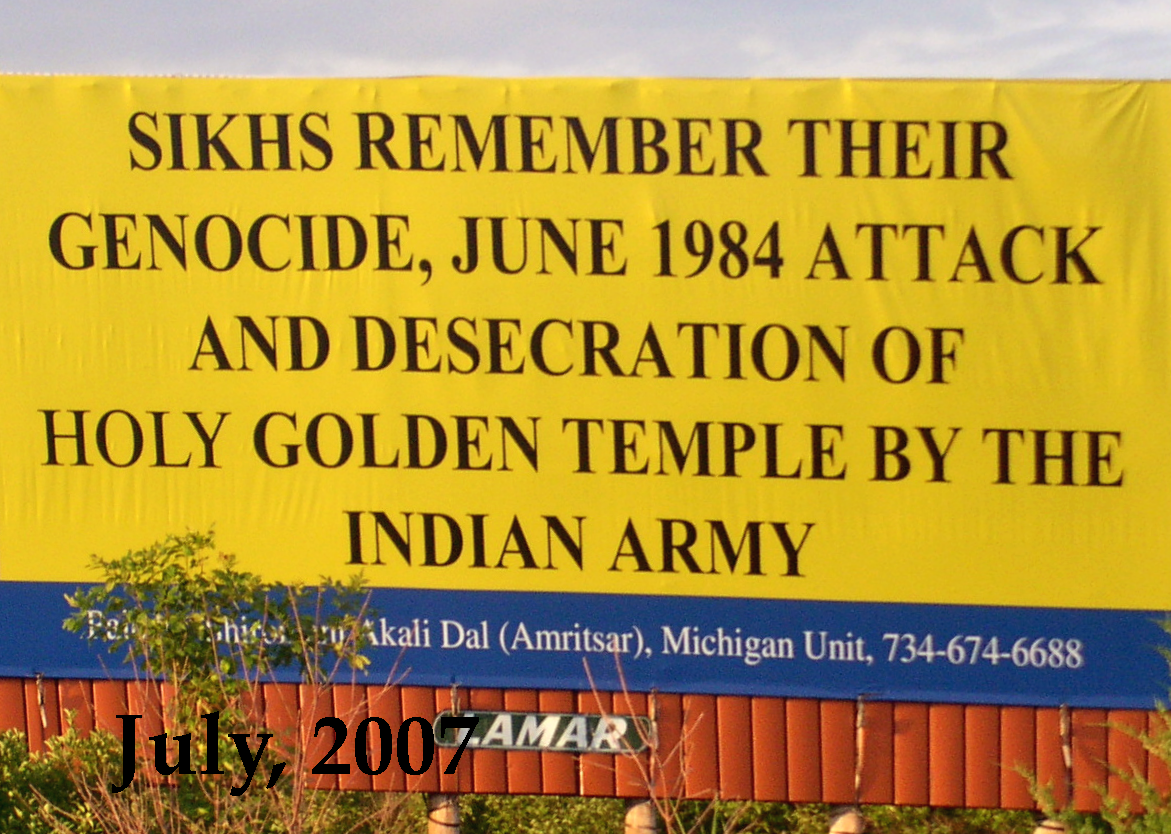
Image Credit: Wiki-ny-2007 from Wikimedia Commons


Take the Quiz: Do You Know Gen-Z Slang?
Take this quiz to see if you're updated on the latest Gen-Z slang!
Khalra's Groundbreaking Investigations:
So, how exactly does Khalra fit into this? He was your average man, working in a cooperative bank, a middle-class professional with no political office, also living in fear of abduction during dangerous times.
Two of his colleagues had already disappeared, and that drove him to investigate the patterns of kidnappings across Punjab. Khalra's methodology was simple; he combed through municipal cremation registers. He discovered entries of "unclaimed" bodies and in just three crematoria across Amritsar, he uncovered 3,000 bodies.
Khalra estimated that approximately 25,ooo people had been killed in secret between 1984 and 1994, and the police's statement? That they were unidentified militants killed in "encounters," suggesting all 25,000 Sikhs are militants.
Khalra Ji's findings marked a milestone. Until this point, families' testimonies about the missing were dismissed as rumours. Khalra brought documentary proof: official paperwork that showed the state had processed these bodies covertly.
Because of this, victims were named, and the police narrative was destroyed. In exposing the truth, he reclaimed their humanity, dignity and shattered the silence that protected their killers.
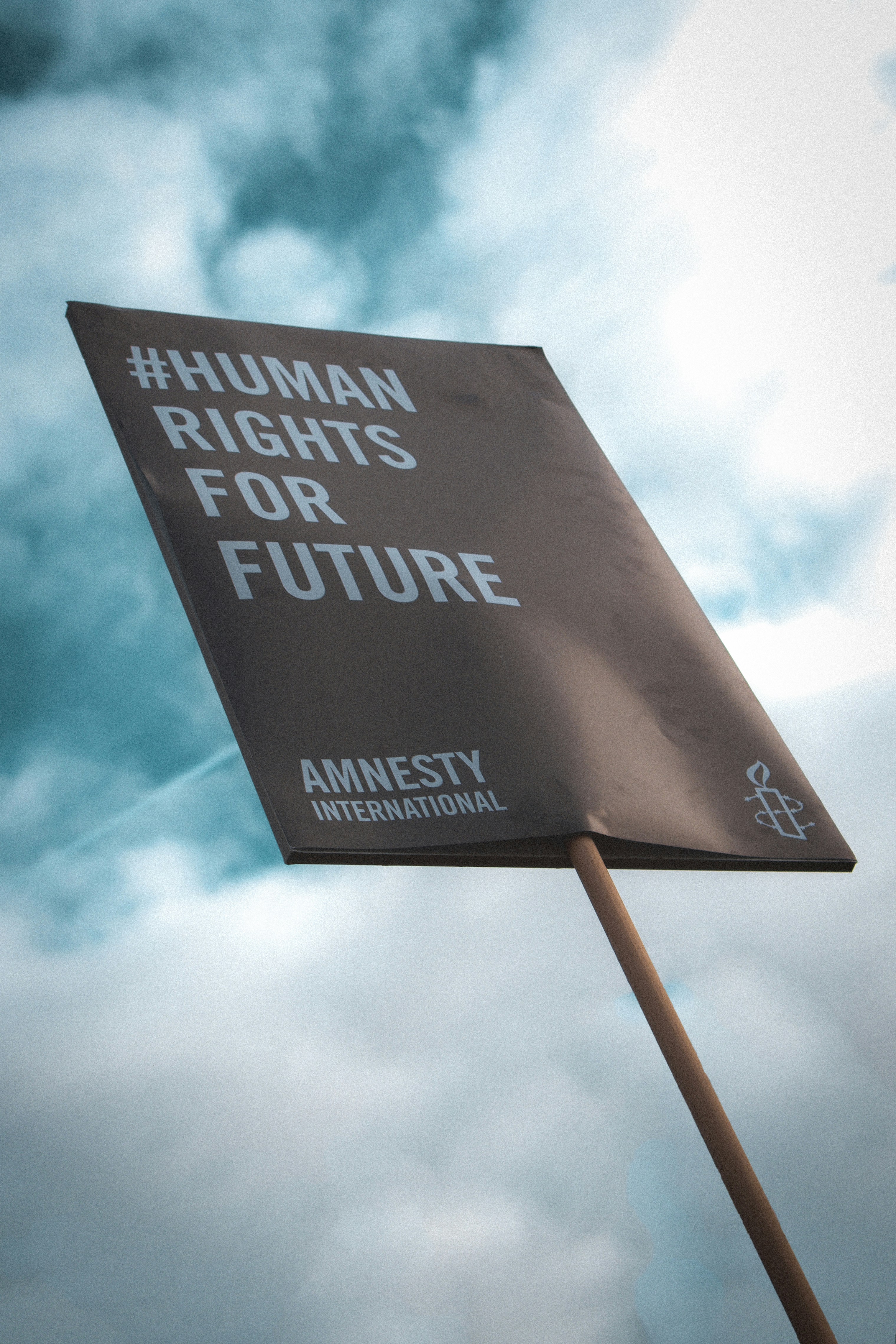
Image Credit: Christian Lue from Unsplash
Khalra presented his findings across the West, travelling to the UK, the US, and Canada, making speeches in Gurdwaras, community centres, and universities, which caught the attention of human rights organisations like Amnesty International and the Human Rights Watch.
A Kidnapping and Struggle for Justice:
Yet these organisations failed to protect the very man who alerted them to the kidnappings and murders of thousands of Sikhs. Khalra was held at Jhabal police station and denied official records. Testimonies were later revealed, and it was found that he was interrogated about his research and tortured repeatedly for his "crimes" before being shot dead 6-8 weeks after his capture; his body was thrown in the Harike Canal and never recovered.
However, his wife, international NGOs, and diaspora Sikhs forced the case into court, and in 2005, six police officers were convicted, and in 2007, their sentences were upgraded to life imprisonment. The lower officers who carried out heinous acts were punished, yet officials who authorised extrajudicial killings like Khalra's remain untouched. The wider system remains unaccountable, a stark reminder of the fact that justice still does not truly exist in the system.
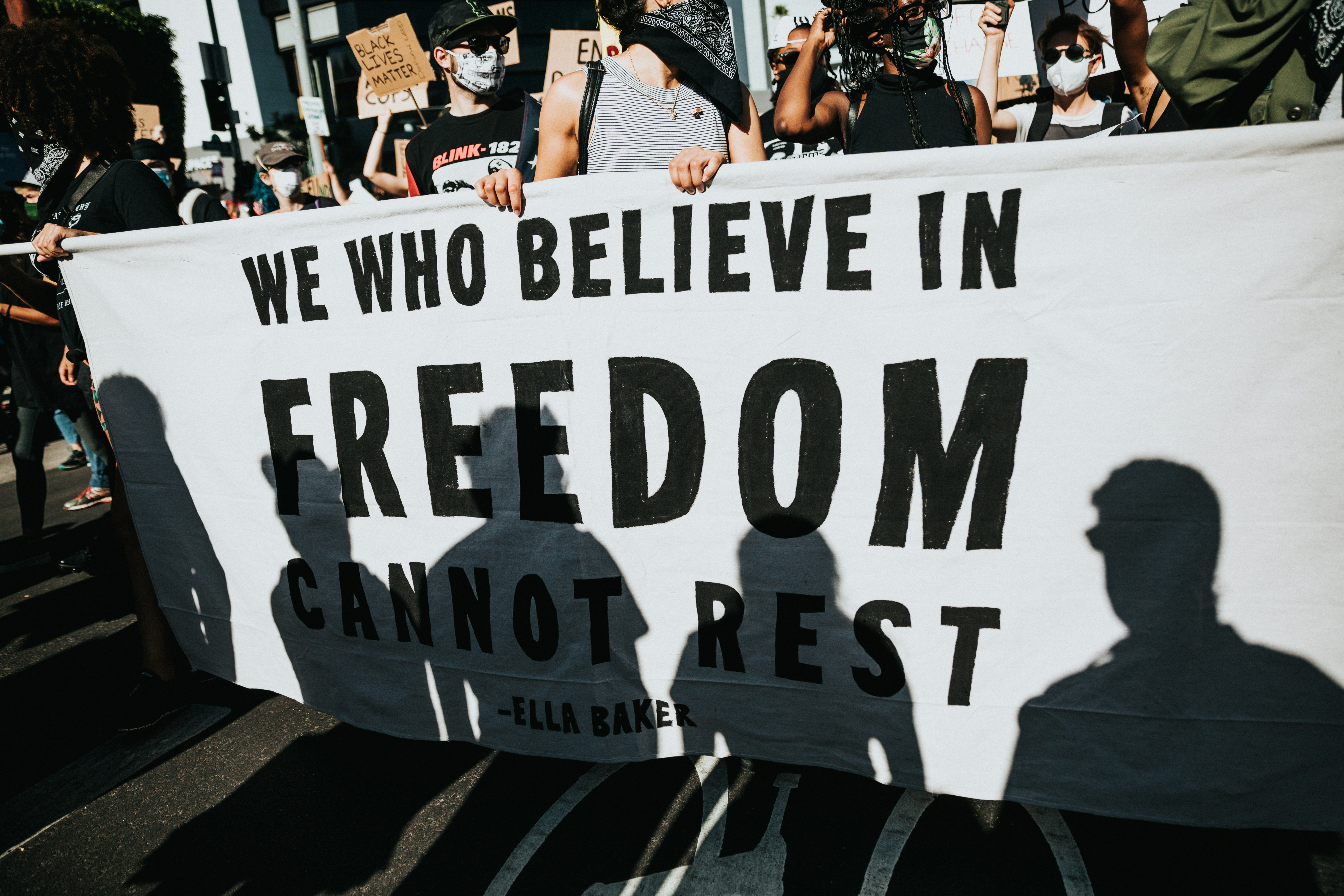
Image Credit: Nathan Dumlao from Unsplash
Jaswant Singh Khalra paid the ultimate price for speaking the truth. He dared to hold power accountable and gave his life not for political gain, but for the dignity of the nameless, grieving mothers, and justice. Yet, few commemorate him openly.
Khalra's death was not just the silencing of one man; it was a warning to anyone who dared to question the state. He didn't set out to be a hero; he was simply a man who didn't look away and didn't stay quiet. Not another name lost to history, but the reason we know what happened to thousands of innocent Sikhs. Thirty years later, Khalra's body has never been found, but the truth lives on, refusing to be cremated and refusing to disappear.