






When ChatGPT was launched in November 2022, it opened a genie bottle full of previously improbable possibilities. On one hand, it was a boon for the average Google and other search engine users who no longer had to scour the internet to find a needle (data) in the digital haystack.
However, the millions of small-time software developer jobs were quickly fed to the ravenous mouth of newborn AI. So, is Artificial Intelligence merely a godfather-like presence that only exists while you are on screen and disappears just as quickly? Or is there something going on backstage?
According to TIME magazine, even before the consecutive launches of multi-purpose AIs, there were around 8,000 data centers of various sizes around the world—a number that has increased exponentially up to 1,2000 in the last five years. Currently, North America holds the position of having the highest number of AI data centers, housing 5,767 data centers.
The effects these data centers are going to have on us are deeply devastating and maleficent.
Let us slide into your dms 🥰
Get notified of top trending articles like this one every week! (we won't spam you)1. Electricity Usage
Asking ChatGPT when Taylor Swift’s new album is going to come out may seem innocent enough. But, while you are typing in that question in the search box, computer chips in a data center, situated in Ohio, are probably burning through megawatts of electricity to provide an appropriate answer to your and others' similar questions.
AI data centers use a variety of high-powered microprocessors like the Intel Falcon Shores AI processor, which can consume up to 1,500 watts, to meet their complex computational requirements. A single AI data centre houses millions of these chips to perform intense, labyrinthine tasks and answer elementary questions.
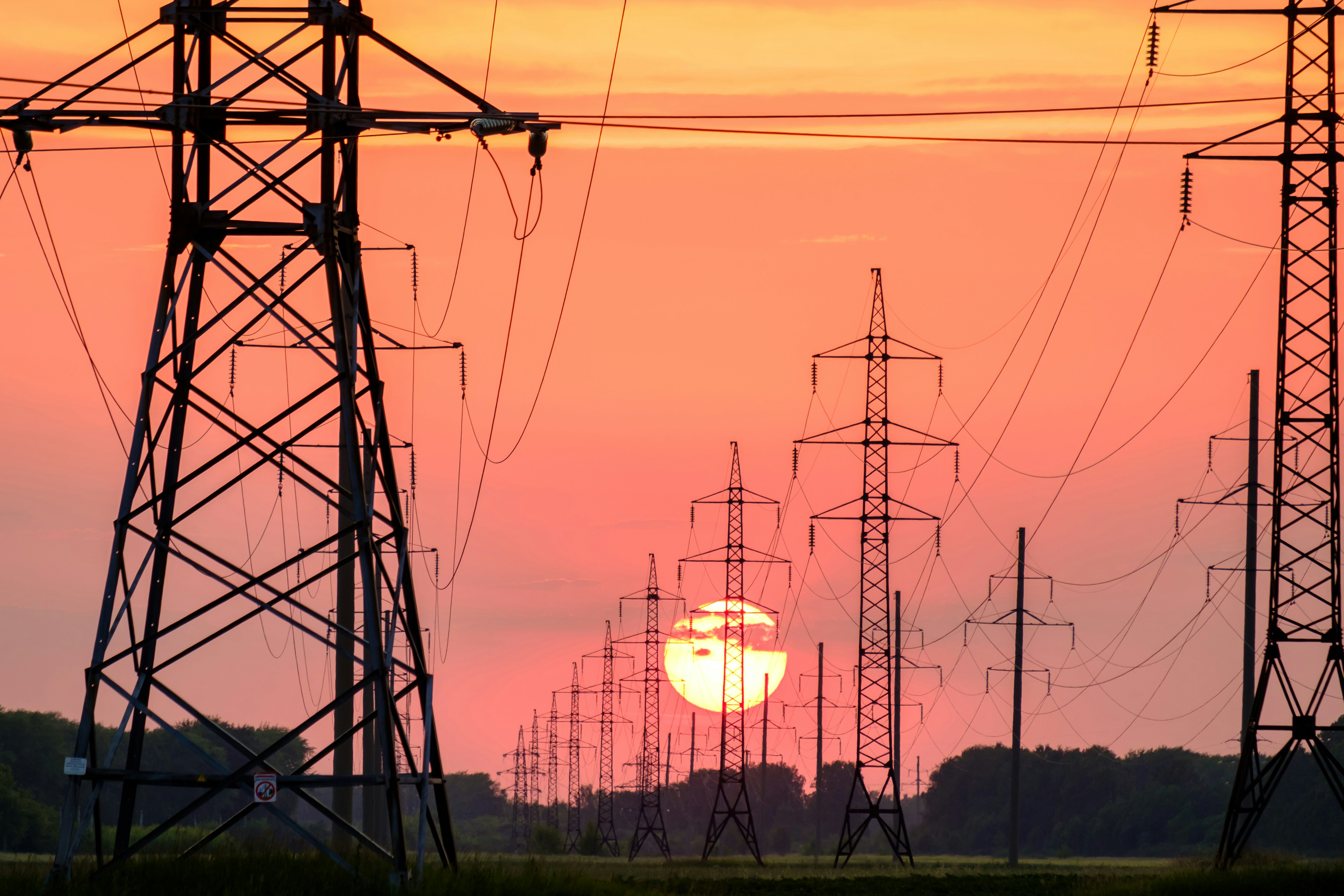
Image Credit: Andrey Metelev from Unsplash
This indicates that, at present, AI data centers are perhaps the largest consumers of electricity. This demanding consumption of electricity is expected to grow by almost 75% in the next decade. On top of that, demographics show that most of the AI data centers are usually built near highly populated neighborhoods because of their lenient state regulations.
This, in turn, is proving to be a strain on the local power grid system, causing disproportionate distribution of electricity. If it continues, a repeated pattern of power cuts will soon emerge. Ironically, it contradicts the very purpose of Artificial Intelligence. After all, what good is AI if you can’t use it because you don’t have a net connection?
Take the Quiz: Are You Obsessed or Fixated?
Answer these question to know if you are fixated or obsessed. Self-awareness is the first step to stopping.
2. Creativity Compromised
One day, while I was waiting for my English class to start, I noticed my friend beside me was writing the summary of a drama she had never seen (it was our homework) using curated information from ChatGPT. It's no surprise that AI has been an extremely profitable tool for students. Anyone from the farthest corner of the world can now use educational AI to learn information and write last-minute essays. No matter how much AI-generated essays may seem right to the point and free of mistakes, they lack one crucial element called ‘humanity.’

Image Credit: Nubelson Fernandes from Unsplash
Needless to say, tech giants easily found a solution to this loophole by developing apps equipped to humanize AI-generated articles and avoid detection. Even then, social media usage has already proved to be detrimental to the productivity of the Gen-Z generation, and if AI starts giving us finished tasks on a silver platter, copy-paste will become the new campaign slogan of the 21st century. The brain will become but a useless organ.
3. Deteriorating Health
A huge percentage of the world’s population suffers from diseases which are indirectly caused by poor population. The new emergence of AI will do nothing but increase that number. Since its launch in 2023, an average of 730 million users use Google Gemini as their preferred AI.
As a consequence, the engines and accelerators at AI data centers have to work continuously 24 hours a day to meet the excruciatingly high demands of the netizens, and this is affecting our health in unprecedented ways.
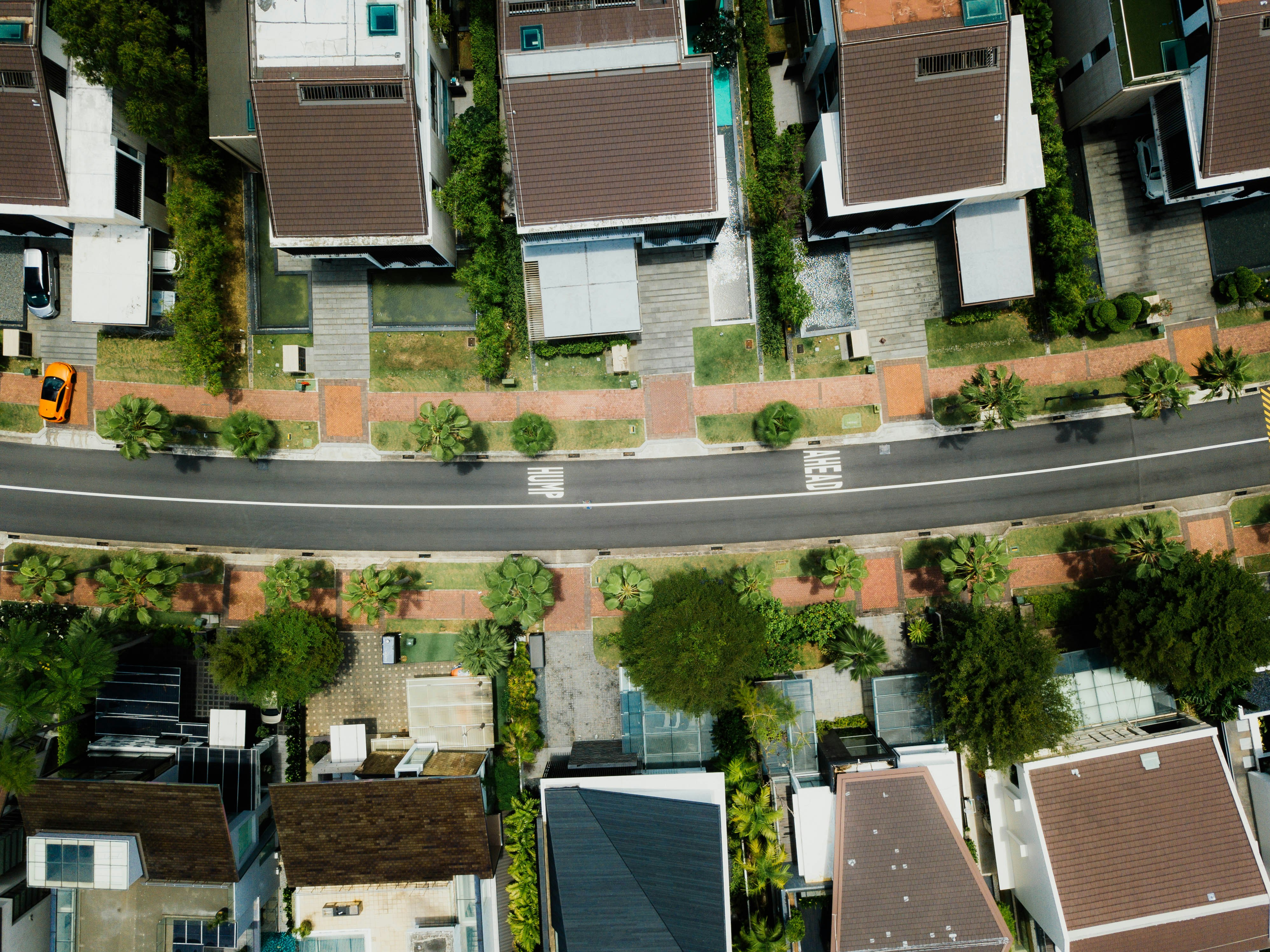
Image Credit: CHUTTERSNAP from Unsplash
As a majority of AI data centers are built on affordable lands, usually situated in residential areas, the residents of these areas are becoming agonized by being forced to hear the reverberating metallic sounds of generators running again and again. They can’t even sleep properly at night because this has also heightened their anxiety and stress levels, which will eventually result in an alarming deterioration in mental health in these cursed areas. Sadly, a proper survey of these diseases has not yet been carried out due to the diversity of the neighbourhoods.
What’s more, the people living in these areas are unable to put in a formal complaint or collect any legal information about these data centers, as they are legally protected as trade secrets.
4. Water Crisis
The invention of AI in the 21st century is what the gold rush in Australia was during the 19th century. Nations are flocking to it like moths to a flame. India, UAE, China, the US and other countries are rapidly building AI data centers on a massive scale.
In doing so, they are often turning a blind eye to information that could endanger the human population. They are overlooking a colossal fact: AI data centers not only consume a huge amount of electricity, generated from hydraulic power plants, but they also need a considerable volume of water to cool down their overheated servers.
Research conducted by a group of scientists at the University of California has estimated that each one-hundred-word AI prompt necessitates data centers to use roughly one bottle of water. On a larger scale, AI infrastructures are predicted to consume around 1.7 trillion gallons of freshwater (a water source that is already scarce in quantity) annually by the end of 2030.
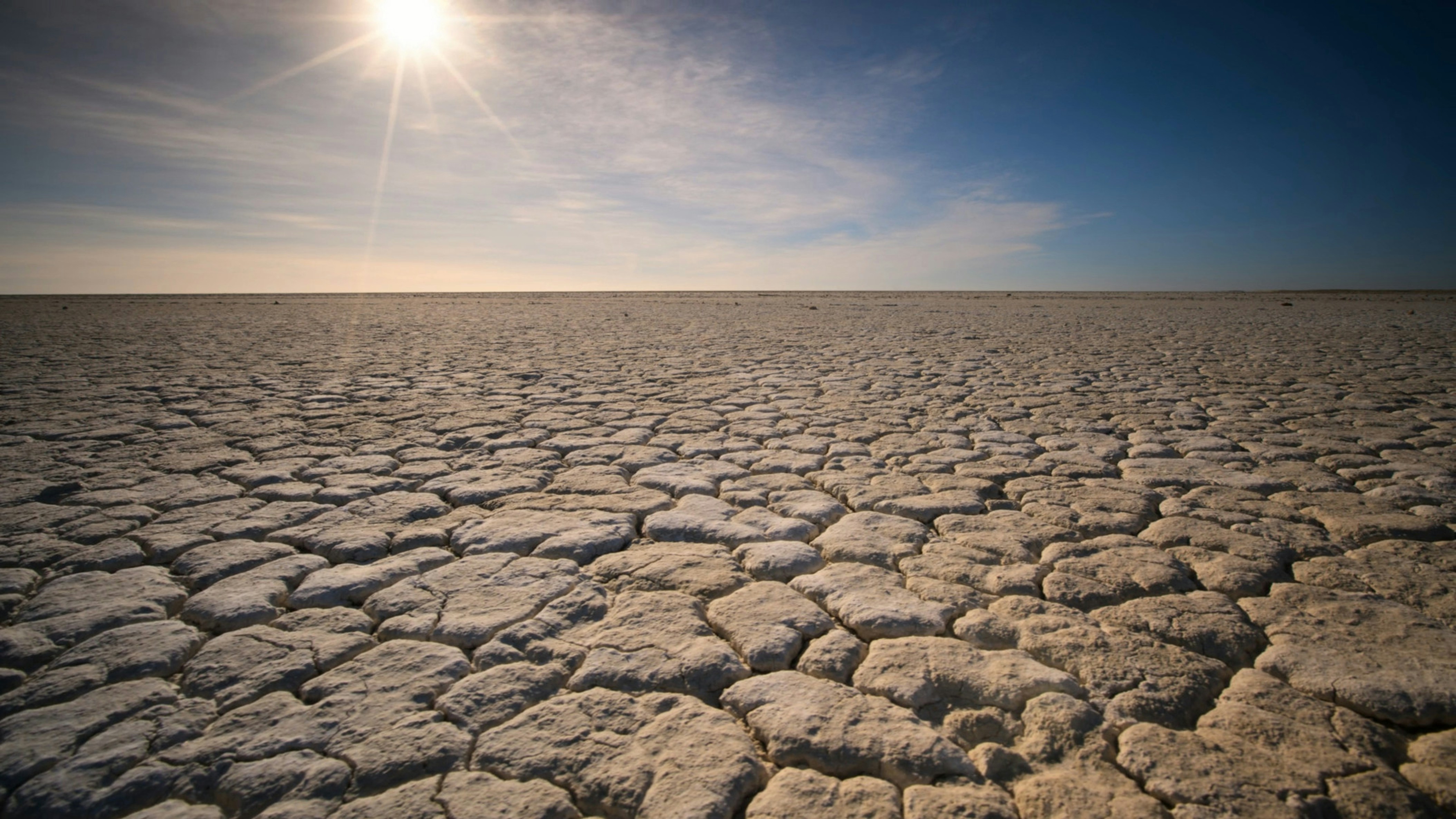
Image Credit: Oleksandr Sushko from Unsplash
To get a better idea of this upcoming crisis, researchers at 'The Green Grid' have established a new metric called WUE (Water Usage Effectiveness) to efficiently track water consumption by AI data centers. Although the ideal value of WUE is zero, most data centers, other than air-cooled data centers, have been unable to achieve this; most of them have an average WUE of 1.9 litres per kWh.
Even though the real number of AI data centers is unknown to the public because of the Trade Secret Act, satellite pictures have shown us that in recent years, many data centers have been built in water-stressed areas such as the dry deserts of the UAE. So, data centers are not only lapping up our meagre supply of drinkable water but are also responsible for the inflation of droughts happening around the world.
Conclusion
Frequent power cuts, lower dopamine levels, increased anxiety, extreme dehydration... These just scratch the surface of how deadly the effects of unregulated AI data centers can be on our lives. Furthermore, most of these 'AI factories' rely heavily on fossil fuels to generate electricity. Naturally, this can have damning effects on our main power source, making it completely barren within the next few decades.
Undoubtedly, the 21st century is already entrenched in a beguiling haze of Artificial Intelligence. Google (Gemini), Zoom, Yahoo (Scout)...
Nowadays, there is nary an app that doesn't have its own personal artificial intelligence. So, when you use these lovely apps, think of all those AI data centers rapidly trying to keep up with your demands. Think of how insidiously these centers are depleting our natural resources. Think of the damage they leave in their wake and ask yourself, is this really worth your while?
