




If you've been on TikTok lately, you might’ve noticed an aesthetic that looks familiar. Cigarettes, thigh gaps, dark eyeliner, sad girl music, Lana Del Rey audio loops, basically, 2014 Tumblr is back. But here’s the thing: not everything from that era deserves a revival. In fact, a lot of it was incredibly toxic.
Let’s rewind.
Tumblr in 2014 was a black hole of moody photos, thinspo (thin inspiration), quotes about not eating, and glorified mental illness. It sold us an image of sadness as beautiful and self-destruction as deep. And sure, it looked cool in an artsy-filtered, grainy Polaroid way, but it left a generation of teens battling serious issues. The site became a breeding ground for undiagnosed eating disorders, self-harm normalization, and toxic comparison spirals.
Fast forward to now, and TikTok, an app with even more reach and speed, is echoing the same themes. “That girl” routines have morphed into glamorized discipline and restriction. Posts joke about skipping meals in a “hot girl” way. Romanticizing apathy and mental illness is again becoming trendy, wearing detachment like it’s fashion.
The problem isn’t nostalgia. The problem is forgetting how dangerous that past was.

Image Credit: Solen Feyissa from Unsplash
Let us slide into your dms 🥰
Get notified of top trending articles like this one every week! (we won't spam you)The Facts
According to a 2022 JAMA Pediatrics study, exposure to pro-eating disorder content on social media significantly increases the likelihood of disordered eating behaviors. The same study found that repeated exposure lowers distress around harmful behaviors, essentially numbing users to the dangers. Translation? The more you scroll, the more normal it feels.
In another report by the National Eating Disorders Association (NEDA), Tumblr-era content was directly linked to a spike in hospital admissions for eating disorders, especially among teen girls. Now, with TikTok’s algorithm learning your insecurities in record time, harmful content is being served faster, and with less filter.
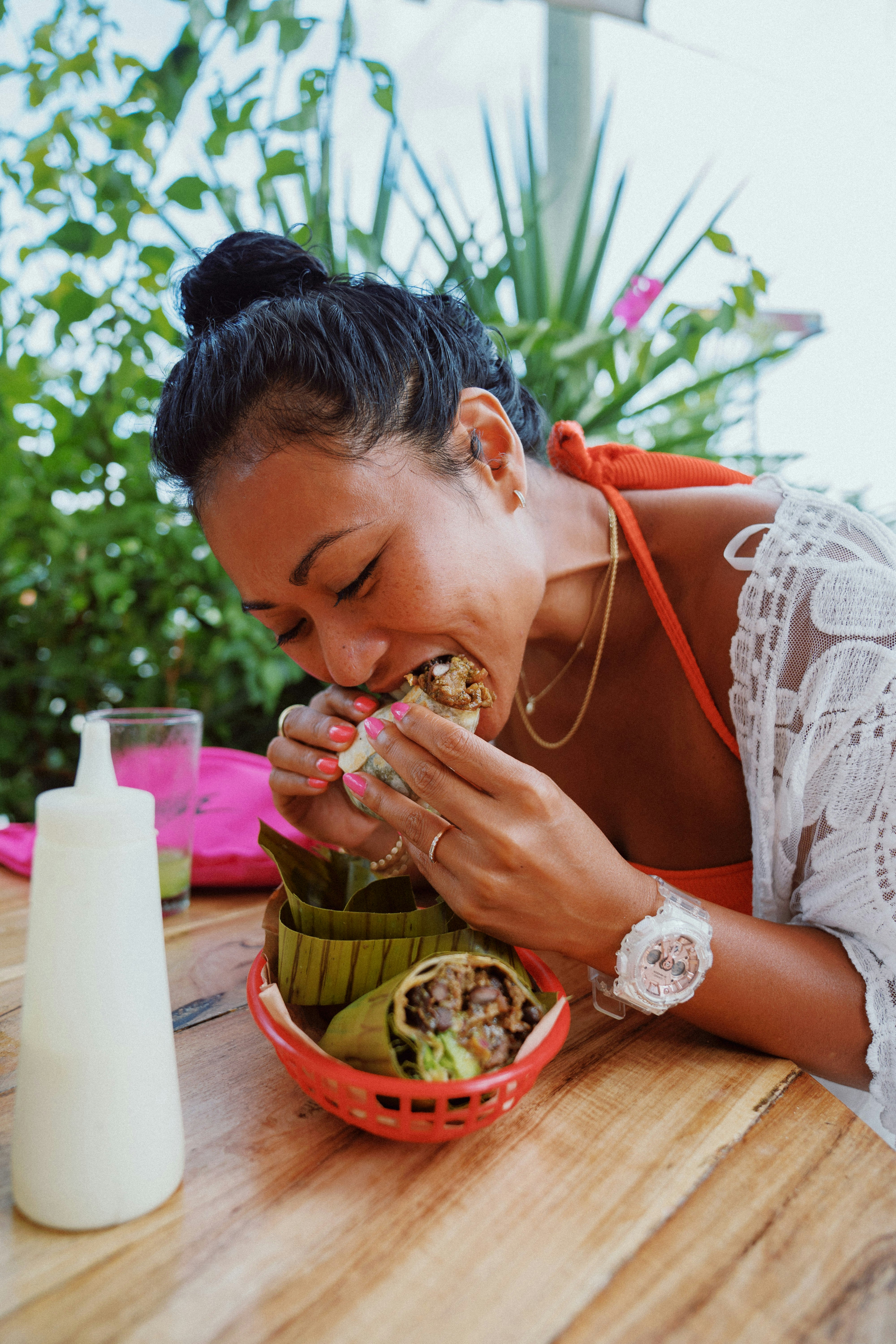
Image Credit: Dushawn Jovid from Unsplash

Take the Quiz: Religion, Schools, and Equality
Religion in Schools: Teaching Respect, Not Bias.
Why Are We Repeating This?
Some say it’s “just an aesthetic,” but aesthetics aren’t harmless. They carry ideologies. When you slap a pretty filter on self-hatred, it becomes seductive.
The return of “sad girl” culture makes it feel like struggling is poetic or even aspirational. But real mental illness isn’t trendy. And trauma shouldn’t be romanticized into a vibe.
There's also the issue of apathetic coolness, this idea that caring is cringe and detachment is chic. It promotes numbness, not healing. It says, "Don't get better, just be mysterious and broken." That’s not edgy. That’s dangerous.
So What Now?
We can take the good, artistic expression, community, emotional honesty, from Tumblr, and leave behind the toxic glamorization of suffering. We don’t need to pretend we’re fine all the time, but we also don’t need to turn our worst moments into curated content.
Let’s stop selling pain as personality. Instead of romanticizing darkness, let’s make healing, growth, and being real the new aesthetic.
Because moving forward doesn’t mean forgetting the past, it means learning from it.


.jpg)