





She’s been around for years, soundtracked by melancholy playlists, wrapped in Sylvia Plath quotes, and tucked into the underlined pages of sad poetry. You might have first met her on Tumblr, writing cryptic captions under photos of tear-streaked cheeks and cigarettes. She felt like an escape, a rebellion against forced positivity. For many girls, especially teens, she was the first mirror that didn’t ask them to smile.
A decade later, she is still here, just more polished, more viral, and arguably more performative. Today, you will find her in Euphoria's Glitter or Tears, Billie Eilish's Haunting Lyrics, and Lana Del Rey's Cinematic Sadness. Her pain is relatable, her pain is real, but somewhere along the way, it also became marketable.
So, what is the sad girl aesthetic? Why does it resonate so deeply with teens and young women? And at what point does self-expression slip into self-branding?
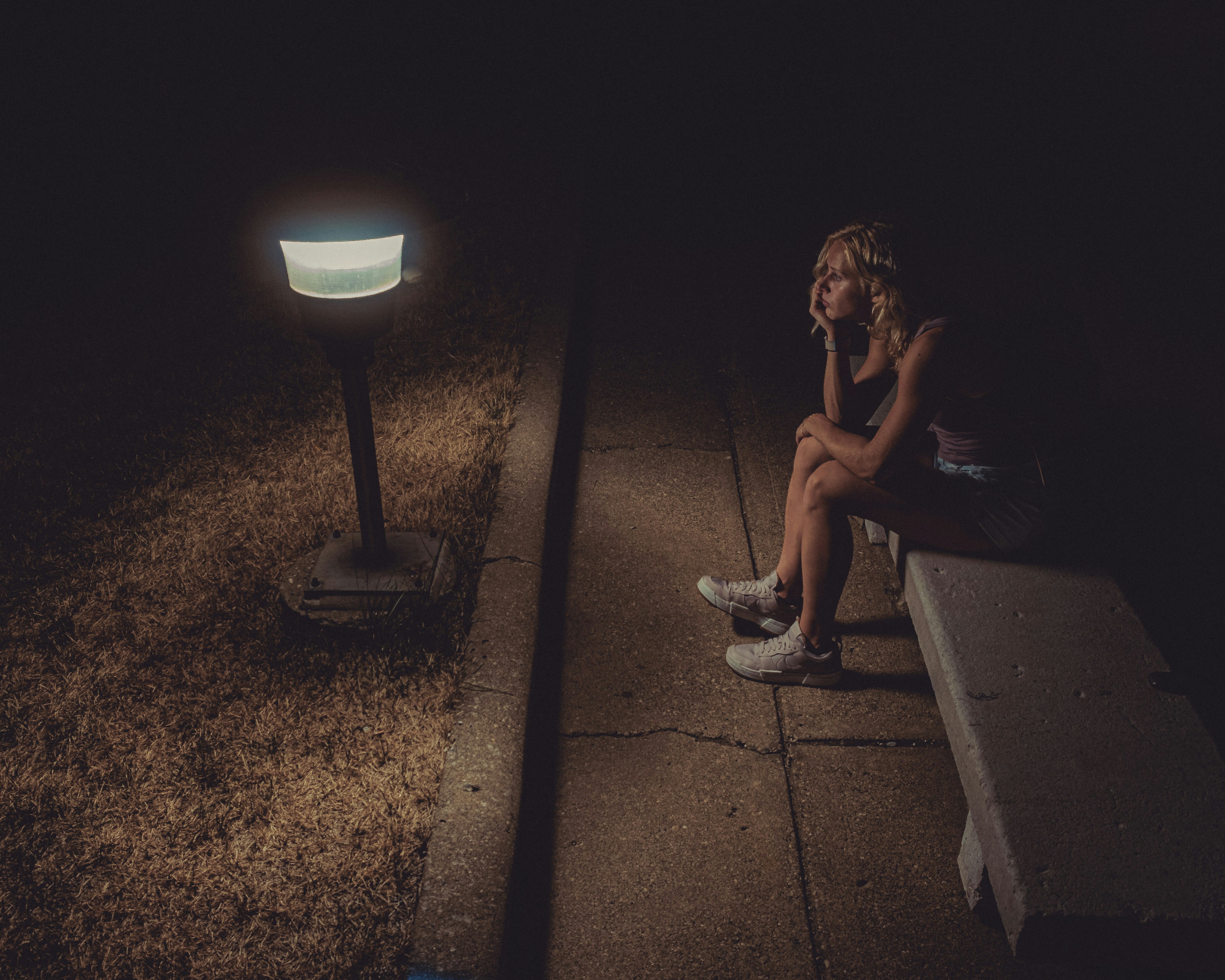
Image Credit: Jackson Simmer from Unsplash
Let us slide into your dms 🥰
Get notified of top trending articles like this one every week! (we won't spam you)From Rebellion to Retail
The sad girl aesthetic originally began as a small act of defiance. In early-2010s Tumblr, it gave language to feelings the mainstream ignored: loneliness, ache, and quiet rage, all framed as art instead of pathology. It was grainy film photos, whispered lyrics, and quotes that made you feel less alone.
Then social media turned it into currency. The same visual codes that once lived in anonymous blog posts are now deployed in music videos, fashion editorials, and ad campaigns. Korean cosmetics brands sell "crying makeup" tutorials.
Japanese accessory lines monetize mental health motifs. Even high-street brands in the West push melancholia-inspired clothing with curated playlists. Vulnerability became content, and content became a commodity.
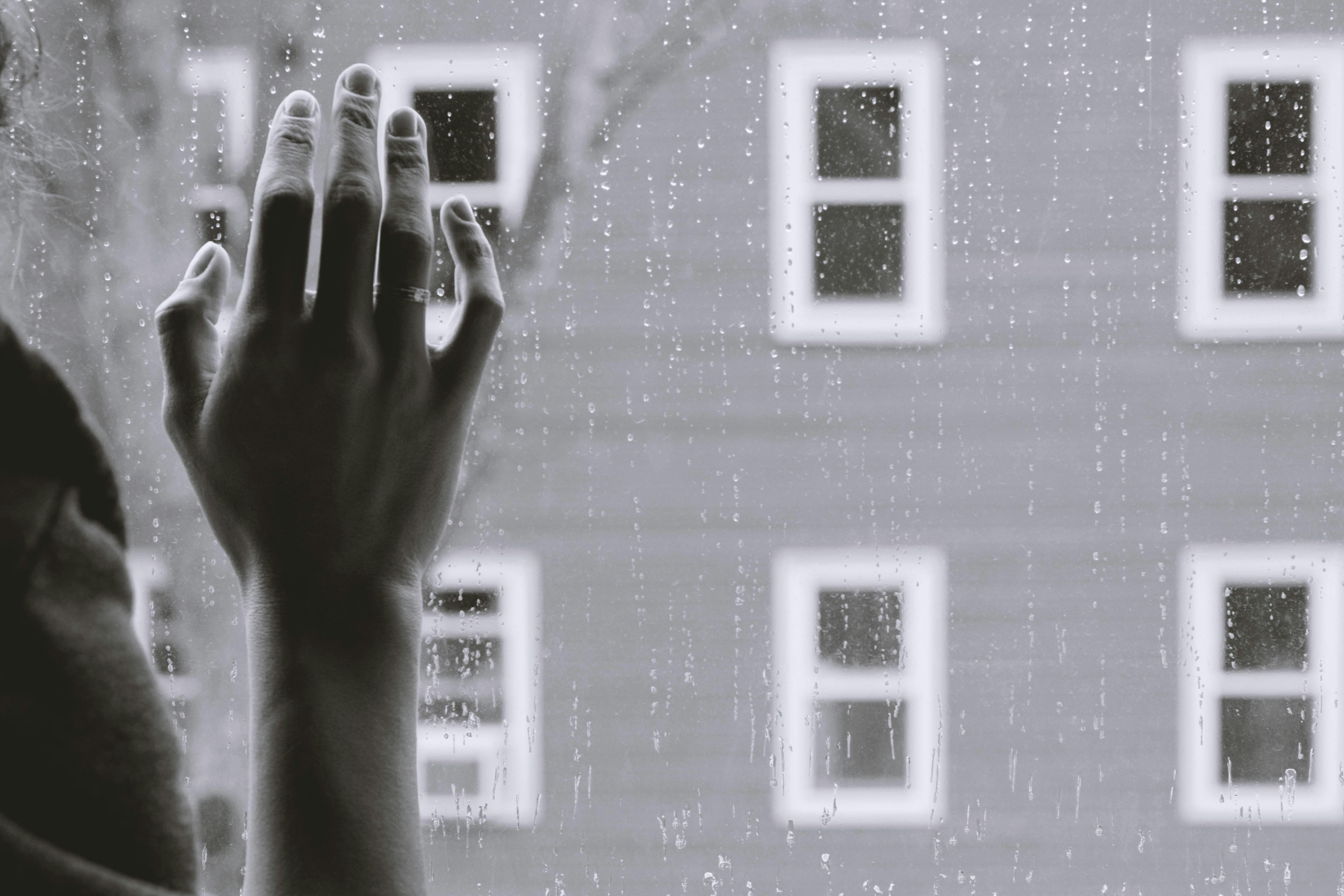
Image Credit: Kristina Tripkovic from Unsplash

Take the Quiz: What’s Your Secret Superpower? This Quiz Will Reveal Which Singer Icon You Resemble
This fun quiz will unveil your unique qualities and reveal which music icon you resemble the most.
Why It Hits So Hard
In my opinion, three forces are keeping this aesthetic alive:
1. Belonging- It signals "I understand your ache" and creates instant in-groups.
2. Emotional Vocabulary- It offers a poetic language for feelings rarely discussed openly.
3. Aestheticized pain- Framing suffering as beautiful gives it dignity when the world trivializes young women's emotions.
But these carry costs.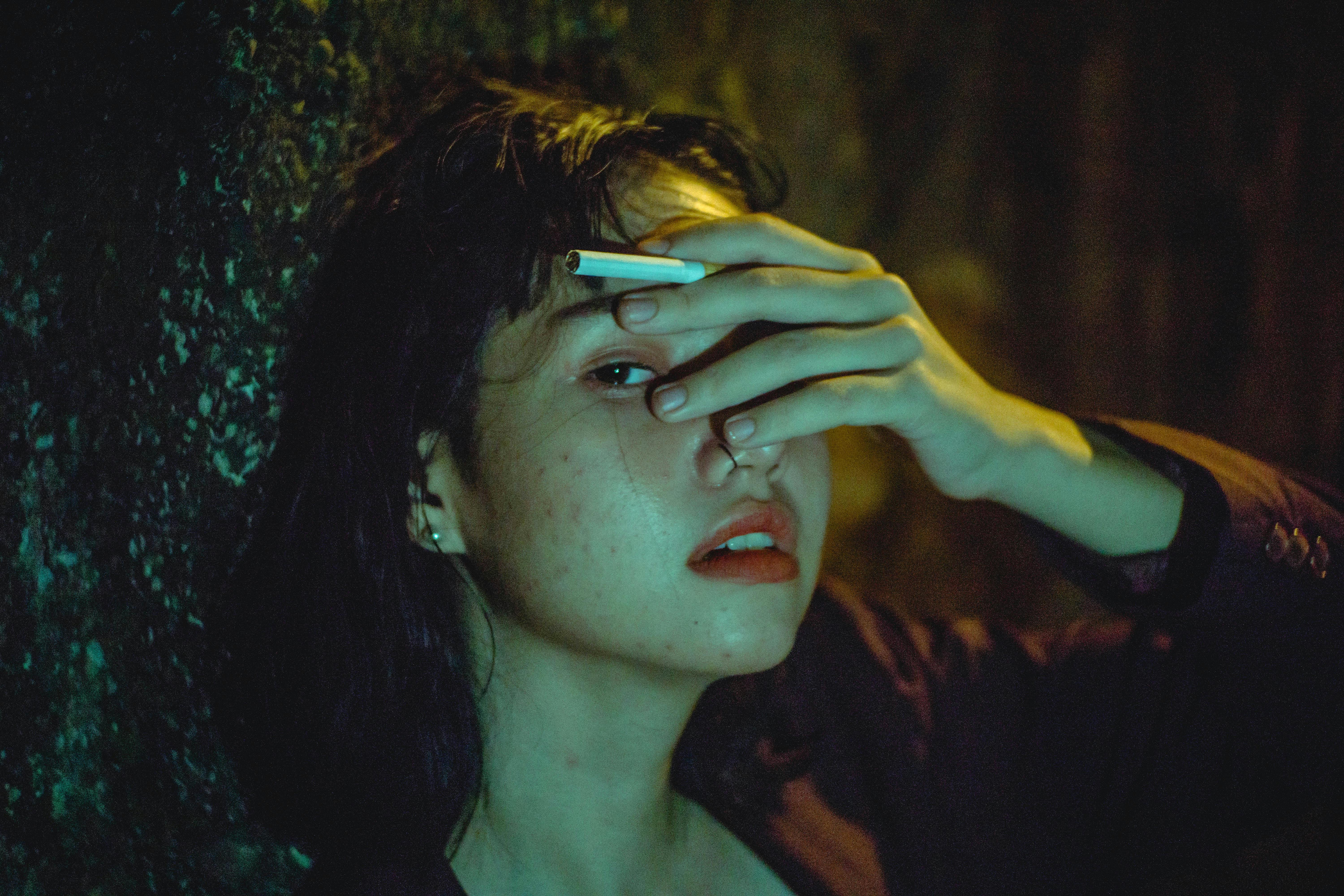
Image Credit: Ryanniel Masucol from Pexels
The Cost of Dressing Your Grief
When sadness becomes an identity, it can become contagious and performative. People start mimicking the look, not to process the pain, but to belong or attract attention. That blurs the line between genuine feeling and curated persona.
Worse, turning grief into a brand has an opportunity cost. Time spent perfecting your "melancholic" image for likes is time not spent on the hard, quiet work of healing, therapy, real friendships, and self-reflection. The algorithm rewards repetition, healing doesn't trend.
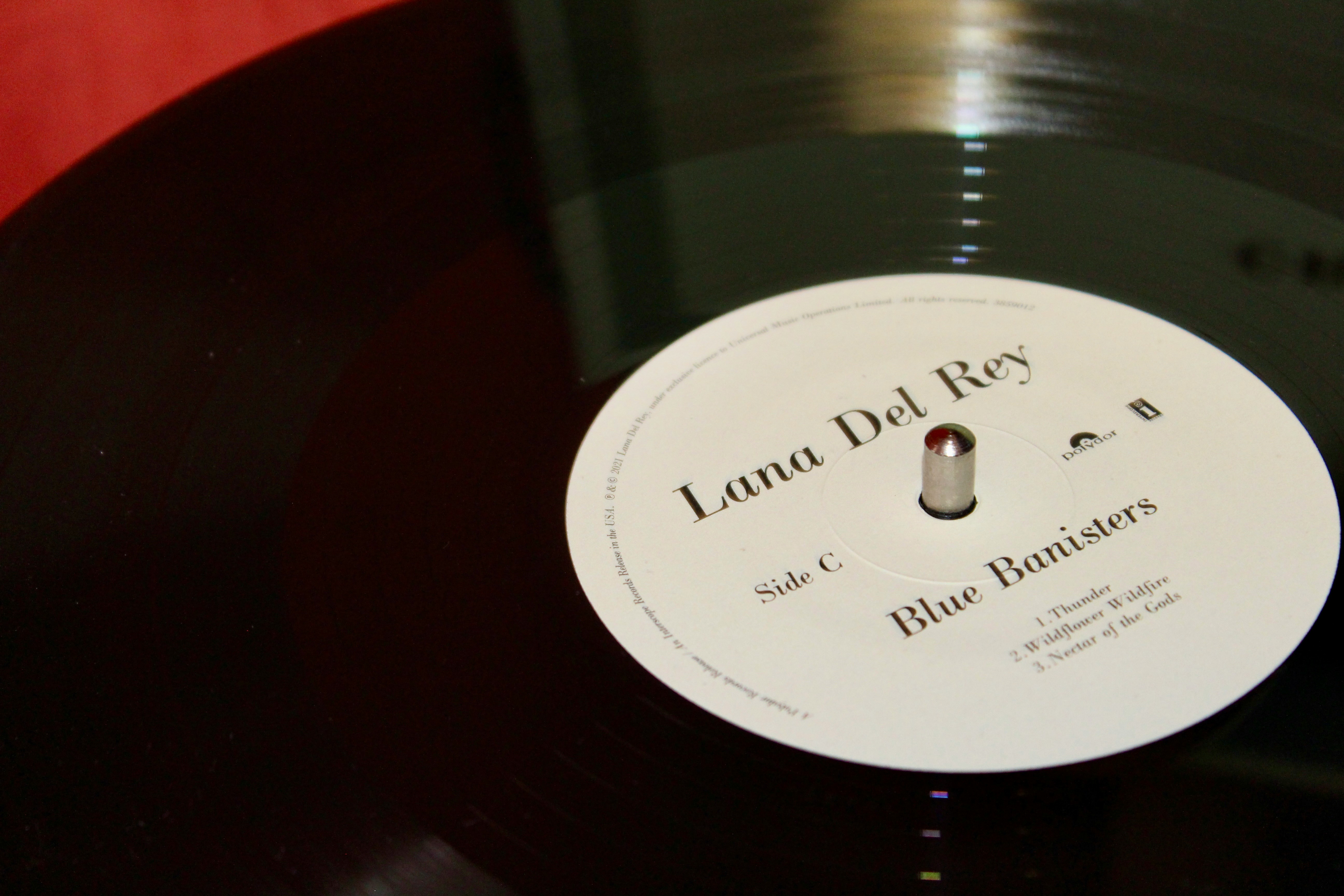
Image Credit: Vladyslav Yerofeiev from Unsplash
The Gendered Lens
Notice how often this archetype is female. From Lana Del Rey's "Cus I'm pretty when I cry" to Mon Laferte's vintage-glam heartbreak, the sad girl aesthetic reinforces a cultural script where women's emotional pain is both spectacle and selling point. While it offers representation, it also risks keeping women visible only through vulnerability.
When Expression Becomes Exploitation
Some industries now profit directly from curated sadness. They sell playlists, makeup, clothing, and even photography presets designed to mimic emotional depth. That’s when the aesthetic crosses into exploitation, when your feelings aren’t just your own, but raw material for someone else’s profit.
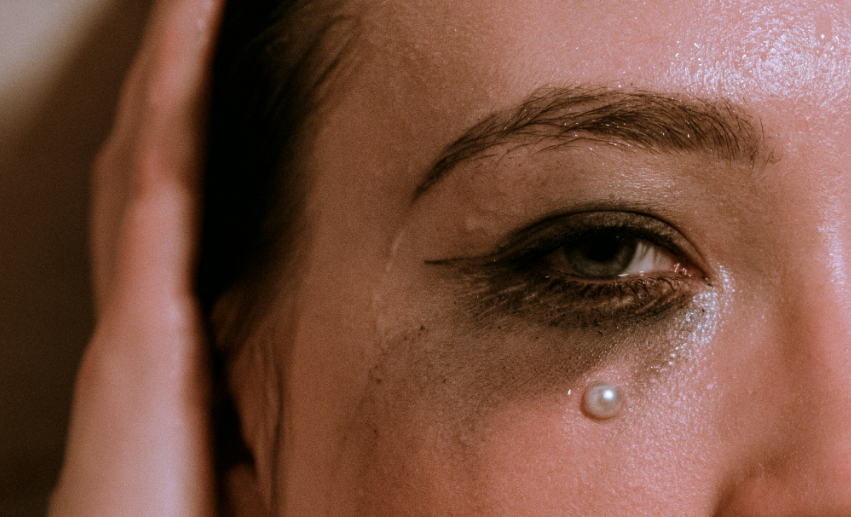
Image Credit: Vicky Hladynets from Unsplash
Final Thoughts
The sad girl aesthetic gave a generation permission to feel. But if you’re not careful, it can also turn your identity into a static mood board: one that algorithms and brands benefit from more than you do. Keep the poetry, keep the glitter, but don’t let the aesthetic do your grieving for you.
Ask yourself: who gains when my sadness is visible? If the answer isn’t you, it’s time to rewrite the script.


