





Although technology and science are rapidly advancing, what we don't know about the universe far exceeds what we do know. One thing scientists have been theorizing about for decades is the formation of the universe. The Big Bang Theory, which you've almost definitely heard of, is the best-known theory we have at the moment, but it's far from a proven fact. Here's an explanation of the Big Bang, along with why it's a theory, not a fact.

Let us slide into your dms 🥰
Get notified of top trending articles like this one every week! (we won't spam you)A Quick Overview
A very simplified explanation of the Big Bang is this: essentially, around 14 billion years ago, it's thought that the universe was an infinitely dense, small and hot point, which then rapidly expanded (here, the name is somewhat misleading: there was no grand explosion, but rather an expansion) and cooled down, allowing for the formation of matter and everything we know.
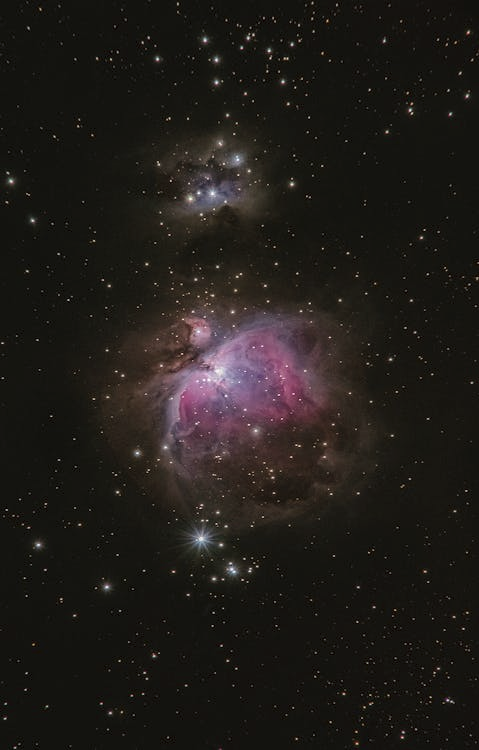
Image Credit: Alex Andrews from Pexels

Take the Quiz: Religion, Schools, and Equality
Religion in Schools: Teaching Respect, Not Bias.
Evidence For the Big Bang Theory
A fundamental piece of evidence for this theory is redshifting. Redshifting occurs when an object in space, like a galaxy, is moving away from us, and therefore the light wavelengths this object emits become more stretched out, causing them to shift toward the red side of the visible light spectrum. Think of it as similar to a car zooming past you: the further away it moves, the lower the pitch of the sound, and the less you hear.
Redshifting applies a similar concept, but to light, not sound. As an object moves away from us, the light wavelengths become stretched out and red, just like how when a car zooms past us, the sound waves get stretched out and have a lower frequency. Edwin Hubble (yes, the same Hubble the well-known space telescope is named after) found that distant galaxies were moving away from us based on redshift observations, concluding that the universe must therefore be expanding. Scientists then started wondering: if the universe is always expanding, then at one point, mustn't it have been infinitely small? And thus the Big Bang Theory was born.
Of course, the history of the Big Bang is more complicated than this, and there are other pieces of evidence to support it. Another key piece of evidence to support it is Cosmic Microwave Background Radiation (CMB): a kind of radiation spread uniformly across the universe (as far as we know), thought to be left over from the Big Bang. There are numerous other observations that also support the Big Bang Theory.
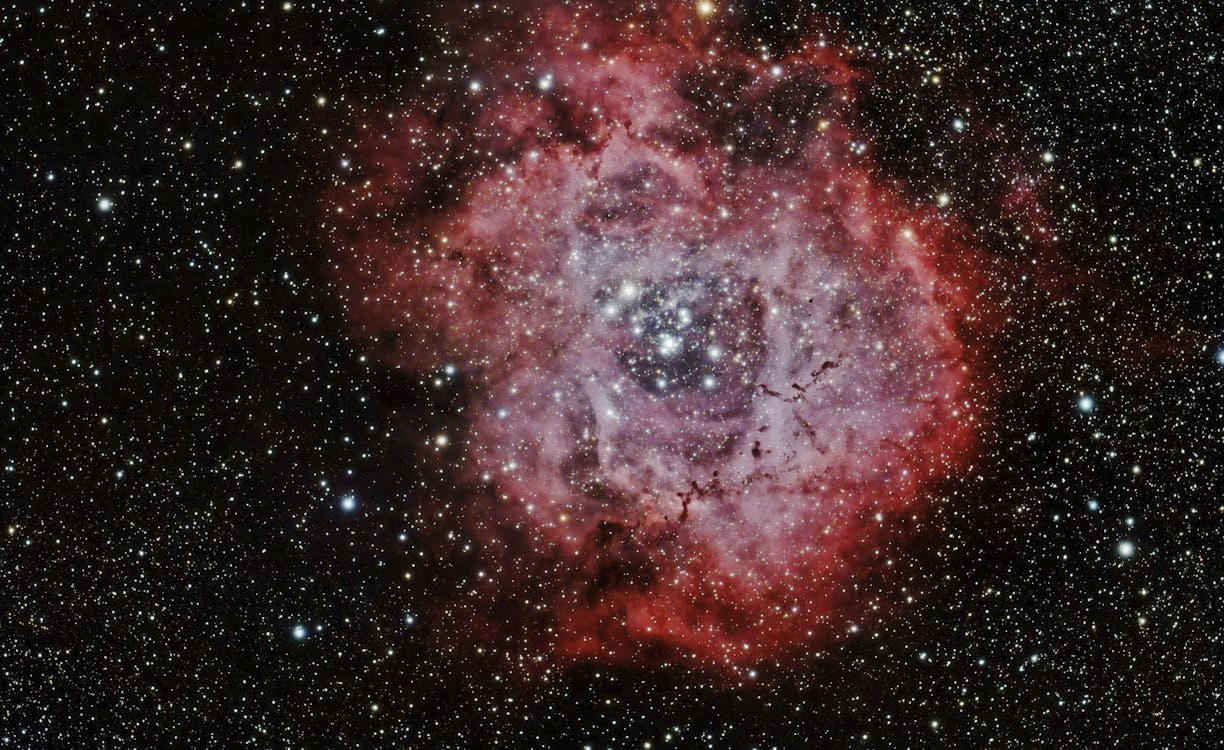
Image Credit: Luis Felipe Alburquerque Briganti from Pexels
Why It's Still Just a Theory
When it comes to space, and even science in general, our knowledge and understanding are constantly evolving. The Big Bang Theory might seem to be very well supported, and although it is the best suggestion for the origin of the universe we can make based on current evidence, there's a lot we don't know about the universe that could disprove it.
For example, dark energy and dark matter. Even if they're thought to make up most of the universe, we really have no idea what they are. Pretty much, we only know that they're not visible to our telescopes, and we are inferring that they exist based on the fact that our observations don't fully align with what would happen if only visible matter were present.
So, as we learn more about these mysterious elements of our universe, we may discover the Big Bang Theory doesn't account for our new knowledge. And then of course, there's the fact that we don't understand what existed before the Big Bang. If we figure that out, things could change a lot.
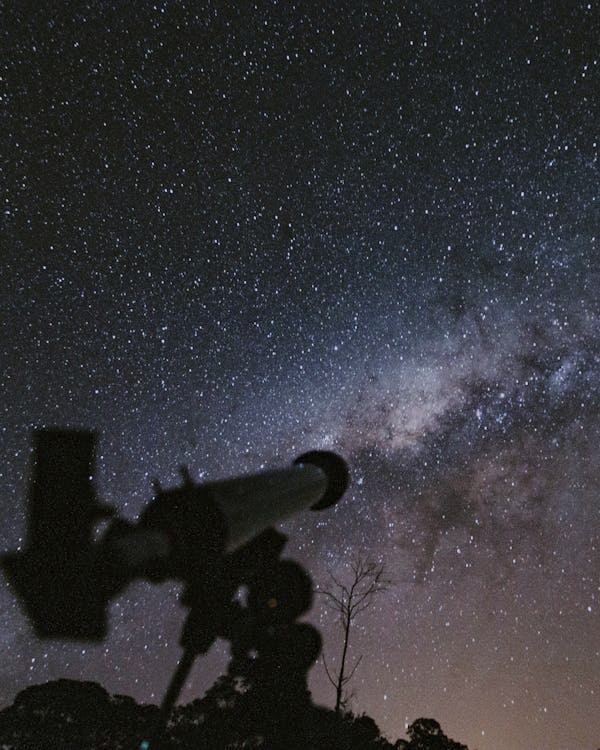
Image Credit: Lucas Pezeta from Pexels
Conclusion
Overall, the Big Bang Theory is just like any other theory: it's not a definitive fact like 1+1=2 (although some philosophers would argue this isn't a definitive fact either), and it could be disproven. But this doesn't really make it any less valid.
A lot of major theories change and evolve over time, and that makes perfect sense; it's completely logical that as we get more evidence, we change our perspectives—in fact, it's necessary that we change our perspectives, otherwise we end up trying to find loopholes to support outdated ideas. In the end, the Big Bang Theory reminds us that science isn’t about having all the answers—it’s about constantly asking better questions.


