





Doomscrolling throughout the day and before going to bed has become a common habit across all generations, not just Gen Z, especially with how easy it is to stay on our phones late at night.
Many people have become so dependent on their phones that, as soon as they wake up, they immediately reach for them and open social media apps like TikTok, Instagram, or Twitter. However, this constant exposure to screens, notifications, and endless content can negatively affect sleep quality and reduce overall attention span, making it much harder for the brain to fully relax.
Creating intentional offline time before bed is an important step in improving both mental health and sleep. Additionally, when spending time with friends, family, or partners, people often feel the need to record everything for social media, but setting the phone down during these moments is essential for building real connections and supporting overall well-being. This article explores why The Art of the Digital Detox is essential for improving sleep quality, mental health, and overall focus in a constantly connected world.
Let us slide into your dms 🥰
Get notified of top trending articles like this one every week! (we won't spam you)What is Doomscrolling?
Doomscrolling, also called doomsurfing, refers to spending an excessive amount of time-consuming negative news on social media or websites in a mindless loop. Sometimes we are not even fully processing the information we are taking in, yet we keep scrolling, believing that one more video or post will give us closure.
Instead, we often end up feeling overwhelmed or powerless, and before we know it, hours have passed that could have been spent doing something more productive. The cycle then repeats at night when we open social media out of habit, telling ourselves we will fall asleep after a few minutes of scrolling, even though that rarely happens. Before we realize it, it is 3 a.m.
Doomscrolling at night affects us in ways we may not immediately notice. Not only does it disrupt our sleep schedule, but prolonged screen time can also cause eye strain. The blue light and screen glare overstimulate the eyes, leading to discomfort and visual fatigue—that burning sensation you sometimes feel when trying to fall asleep after using your phone. Over time, consistent doomscrolling can take a serious toll on both sleep quality and overall well-being.

Image Credit: SevenStorm JUHASZIMRUS from Pexels


Take the Quiz: What is your IQ level?
Find out how smart you are by taking this quiz!
Why it Affects Sleep Quality
The recommended amount of sleep is generally 7 to 9 hours per night, but when we doomscroll before going to bed, it can take away several hours needed for restful sleep and proper mental recovery.
Getting the recommended amount of sleep supports physical health by strengthening immune function and reducing the risk of conditions such as heart disease, diabetes, and high blood pressure. It also supports mental health by reducing stress, improving mood, and strengthening cognitive functions such as focus, memory, and decision-making. In addition, it improves daily performance, including alertness, reaction time, and overall productivity.
When we doomscroll, we take away time from these important benefits and slowly begin affecting our health and well-being.
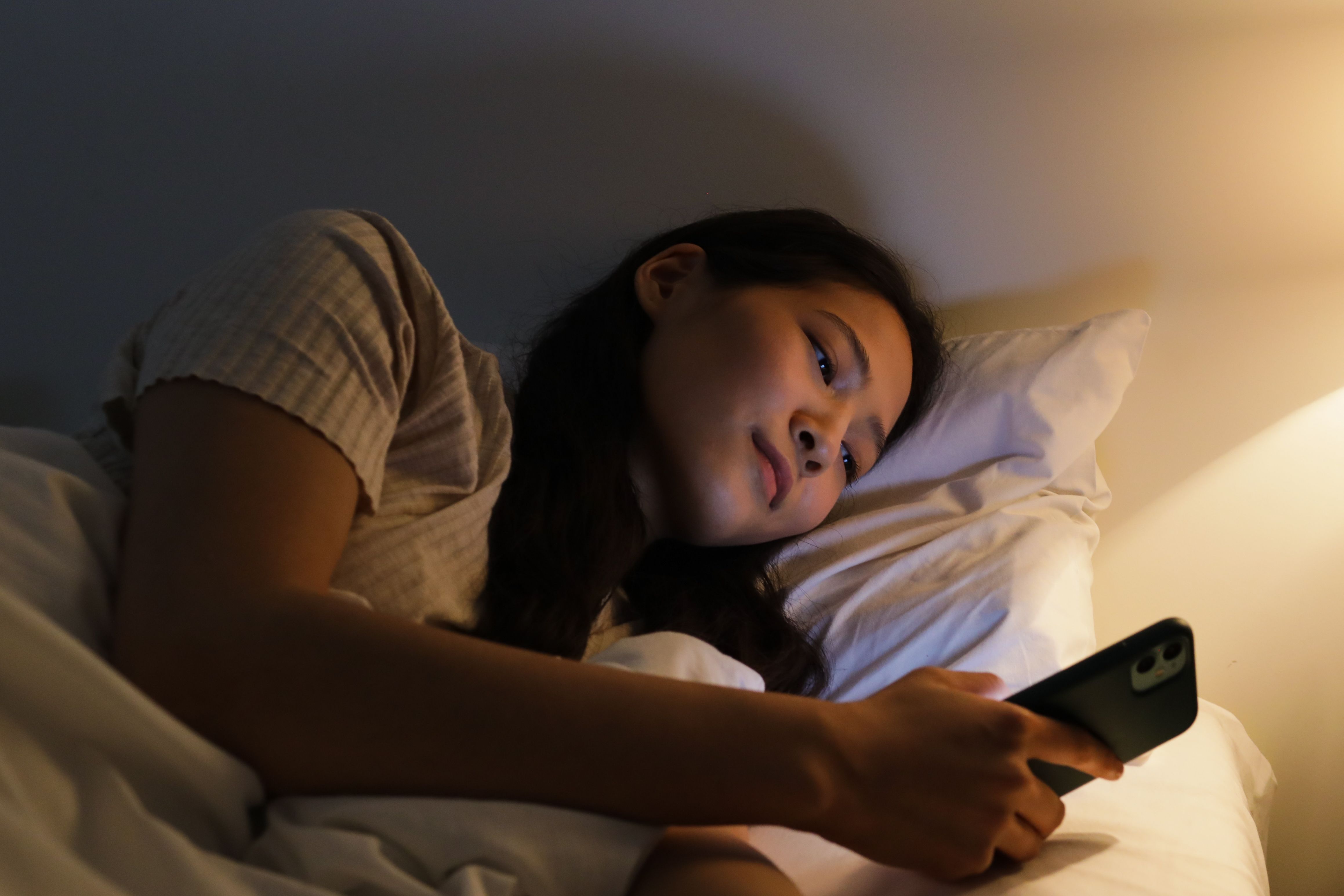
Image Credit: Ron Lach from Pexels
How To Stop Doomscrolling Before Bed
Stopping doomscrolling right away can be difficult. One strategy you can try is setting a cutoff time by using a timer on the app you are using, and once the time is up, turning off your phone.
However, people often ignore these timers and continue scrolling. A method that often works better for me is using Spotify to play a calming playlist, specifically classical music or other non-stimulating sounds. I also use Spotify’s built-in sleep timer and place my phone on my nightstand facing down to avoid seeing notifications.
Another strategy is replacing your phone with a calming or non-stimulating activity, such as reading a physical book, listening to a podcast or audiobook with a sleep timer, doing breathing exercises, or journaling. If you have other strategies that work better for you, that is perfectly fine. The most important thing is to remove your phone from the equation at night and create a routine that helps your mind unwind.

Image Credit: Ron Lach from Pexels
The Importance of Offline Time
Removing doomscrolling before going to sleep is important, but having offline time throughout the day is just as essential. Dedicating a few hours to hobbies such as writing, reading, or going for a jog without your phone can help create a healthier balance. Sometimes we forget how important it is to disconnect from technology and stay present in the moment. Technology is constantly advancing as we use it, but it is important to remember that life exists beyond our screens.
Having offline time allows our brains to relax and prevents us from becoming overwhelmed by social media. Personally, when I hang out with friends, family, or my partner, I usually place my phone inside my purse. When it is out of sight, I am less tempted to reach for it and open social media. While it is natural to want to record and capture memories, it is also important to remember that not everything needs to be posted or shared online.

Image Credit: Taha Samet Arslan from Pexles
Common Misconception
A common misconception, and one that I have believed myself, is that deleting social media for a week or taking a "social media break" is enough to fix our doomscrolling habits. While taking a break can be helpful, it is not always a long-term solution if we do not change our daily habits.
Many of us end up downloading our social media apps again or replacing them with hours of streaming on platforms like Netflix, Prime Video, or Peacock. Instead of addressing the habit, we are simply replacing one form of screen time with another.
Breaking the cycle is difficult because social media has become part of our everyday lives. Instead of focusing on completely avoiding technology, try dedicating a specific amount of time each day to being offline and doing something you genuinely enjoy. If you do not have a hobby yet, that is okay, your offline time can become an opportunity to discover new interests and reconnect with yourself.

Image Credit: Anna Tarazevich from Pexels
Conclusion
Small changes before bed can improve your sleep quality and help reduce the habit of doomscrolling. Offline time is not "wasted time," it is essential recovery time that our brains need to rest, recharge, and reset.
Think of it as a wellness retreat for your brain. The more intentional you are about disconnecting from your phone, the more present, rested, and focused you can become.
