




Donald Trump has never exactly blended into the background. From the moment he launched his presidential run in 2015 to his comeback in 2025, he’s been at the center of scandals, trials, and endless debates. Some people see him as a straight-talking outsider who “says what others won’t.” Others see him as reckless, dangerous, or even criminal. Either way, Trump has shaped American politics in ways no one can ignore.
Here’s the year-by-year breakdown of the biggest controversies — what happened, why it mattered, and how people reacted.
Let us slide into your dms 🥰
Get notified of top trending articles like this one every week! (we won't spam you)2015–2016: From Reality TV to the White House
Trump’s campaign launch in June 2015 was pure spectacle: he descended a golden escalator in Trump Tower and declared he was running for president. Within minutes, his speech had gone viral — mostly because he described Mexican immigrants as “rapists” and “criminals.” Critics called it racist; his supporters called it blunt honesty. It set the tone for a campaign where controversy wasn’t an accident — it was the strategy.
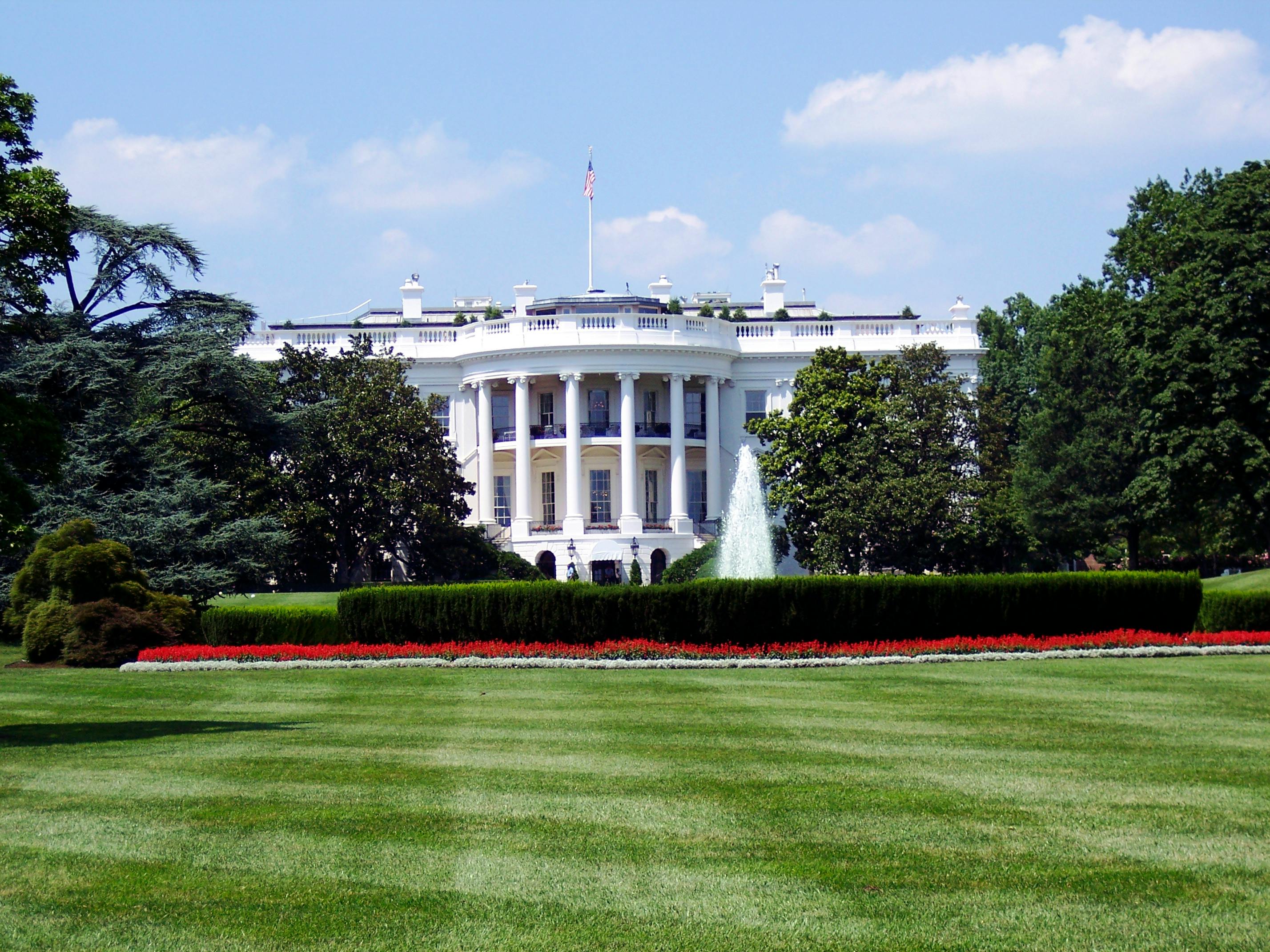
Photo by Aaron Kittredge from Pexels
Then, in October 2016, came what many assumed would end his run: the Access Hollywood tape. In the leaked 2005 recording, Trump bragged about kissing and groping women without consent. Politicians from both parties distanced themselves.
Pundits said his campaign was finished. But Trump doubled down, brushed it off as “locker room talk,” and managed to ride out the storm. By November, he shocked the world by winning the presidency against Hillary Clinton.
Take the Quiz: What Kind of Political Personality Are You?
Ever wondered what role you’d play in the political world? Take this fun quiz to find out!
2017: The Muslim Ban and Charlottesville
In his very first week as president, Trump signed an executive order blocking people from several majority-Muslim countries from entering the U.S. Airports descended into chaos. Protesters showed up with “No Ban, No Wall” signs, lawyers camped out to help stranded travelers, and multiple courts blocked the order.
Trump revised it twice before a narrower version was eventually upheld by the Supreme Court. For his supporters, it was proof he was tough on immigration. For critics, it was proof he was targeting Muslims.
Later that year, Charlottesville, Virginia, became a flashpoint. White nationalists gathered for a rally, counter-protesters showed up, and violence broke out — leaving one woman, Heather Heyer, dead. In his remarks afterward, Trump said there were “very fine people on both sides.” To his critics, it sounded like he was equating racists with the people opposing them.
To his supporters, he was just refusing to take sides. Either way, the phrase “very fine people” became shorthand for how polarizing Trump’s words could be.
2018: Family Separation at the Border
Trump’s “zero tolerance” policy on immigration didn’t just target adults crossing illegally — it tore families apart. Parents were prosecuted and jailed while their children were placed in shelters or foster care. Photos of kids behind chain-link fences and audio of children crying for their parents dominated the news.
The outrage was massive: human rights groups, religious leaders, and even some Republican lawmakers demanded it stop. Courts eventually forced the government to reunite families, but hundreds remained separated years later.
2019–2020: Impeachment #1 and a Disputed Election
Trump’s first impeachment was about Ukraine. In 2019, a whistleblower revealed that Trump had called Ukraine’s president and asked him to investigate Joe Biden, while withholding millions in military aid. The House said this was an abuse of power — basically using the presidency for personal political gain. The Senate trial, though, ended in acquittal, with Republicans saying the evidence wasn’t strong enough.
Then came 2020, the pandemic year. Trump was criticized for downplaying COVID at first, but his administration also launched Operation Warp Speed, which helped fast-track vaccine development. In the election that November, Joe Biden won.
Trump refused to accept it, claiming it was “stolen.” Dozens of lawsuits followed — almost all thrown out. Top election officials (including Republicans) declared it the most secure election in U.S. history. But Trump’s repeated claims of fraud fueled a growing belief among his supporters that the system was rigged.
2021: January 6, Impeachment #2, and Vaccine Drama
January 6, 2021, is now one of the most infamous days in modern U.S. history. That morning, Trump spoke to a massive crowd in D.C., telling them to “fight like [censored].” Many then marched to the Capitol, where Congress was certifying Biden’s win. What followed was chaos: rioters broke windows, stormed the Senate chamber, and clashed violently with police. The images — rioters waving Trump flags inside the Capitol — shocked the world.
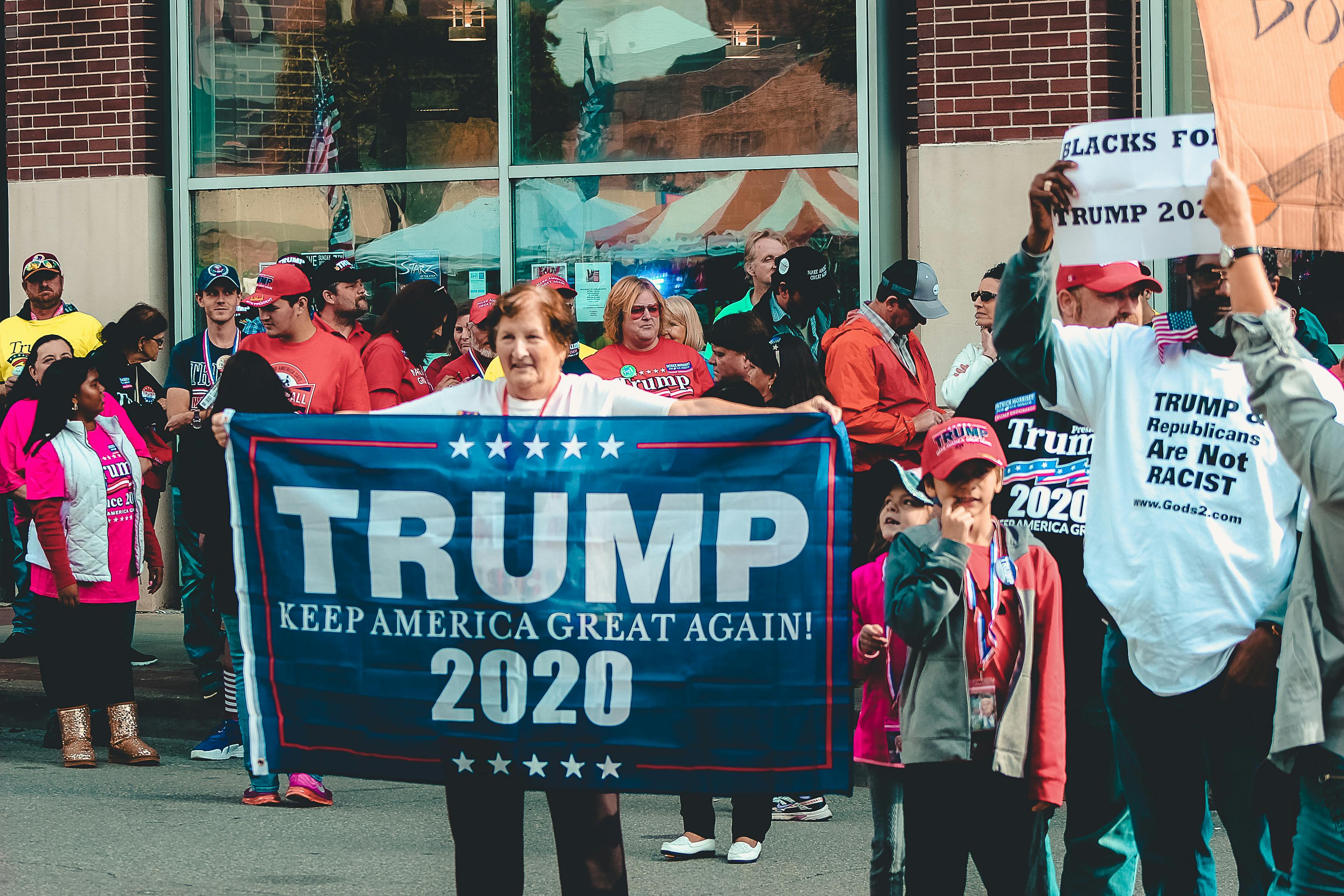
Photo by Rosemary Ketchum from Pexels
In response, the House impeached Trump a second time for “incitement of insurrection.” He became the first president impeached twice. The Senate acquitted him again, but this time seven Republicans voted to convict — a record for a president of their party.
Meanwhile, COVID vaccines were rolling out. Trump wanted credit since Operation Warp Speed had funded their development. But by then, vaccine skepticism was exploding, especially among his supporters.
At one rally, when Trump admitted he had gotten a booster, his crowd booed him. For a man used to adoration, it was an awkward reminder that even his base didn’t always follow him.
2022–2024: Courtrooms and the Epstein Files
After leaving office, Trump’s legal troubles only grew.
E. Jean Carroll lawsuits: Carroll, a writer, accused Trump of sexually assaulting her in the 1990s. Trump denied it, called her a liar, and mocked her publicly.
In 2023, a jury found him liable for sexual abuse and defamation. In 2024, another jury ordered him to pay $83 million more for continuing to defame her.
Civil fraud case: In 2024, a New York judge ruled that Trump had been inflating the value of his properties to get better loans and insurance deals. The penalty? Over $350 million in fines, plus restrictions on his business empire.

Photo by Rosemary Ketchum from Pexels
Criminal indictments: Trump was also indicted over classified documents found at Mar-a-Lago and over efforts to overturn Georgia’s 2020 results. Both cases have dragged on, delayed by legal appeals and Trump’s return to the presidency.
Epstein files: When court documents from the Jeffrey Epstein cases were unsealed in 2024, Trump’s name appeared along with dozens of other high-profile figures. Importantly, he wasn’t accused of any crimes. Still, his past association with Epstein (and the fact that he later banned him from Mar-a-Lago) kept the rumors alive.
2024–2025: A Felon in the White House
In May 2024, Trump made history again — as the first former U.S. president to be convicted of a felony. A Manhattan jury found him guilty on 34 counts of falsifying business records to cover up hush-money payments to adult film actress Stormy Daniels during the 2016 election.
The shock wasn’t that he was convicted. It wasn't that it stopped him. In January 2025, the judge handed down a light sentence — no jail time, no probation. By then, Trump was already sworn back into the White House after winning the 2024 election.
Photo by Vincent M.A. Janssen from Pexels
His second term kicked off with more drama: he immediately signed orders cutting funding for schools with vaccine mandates and — in a move that enraged critics — pardoned hundreds of people convicted for storming the Capitol on January 6. For his supporters, this was him standing by the “patriots” who had fought for him. For opponents, it was proof that Trump rewards loyalty, even when it breaks the law.
Final Thoughts
Trump’s story reads less like a traditional political career and more like a reality show season that never ends. Scandals that would have ended other politicians’ careers — the Access Hollywood tape, impeachments, even a felony conviction — became just another episode.
To his fans, that’s proof of his toughness: no matter what’s thrown at him, he comes back stronger. To his critics, it’s proof that he’s damaged American democracy by making scandals feel normal. Either way, Trump’s controversies haven’t just shaped the news cycle. They’ve shaped how an entire generation thinks about politics — messy, chaotic, and impossible to look away from.


.jpeg)