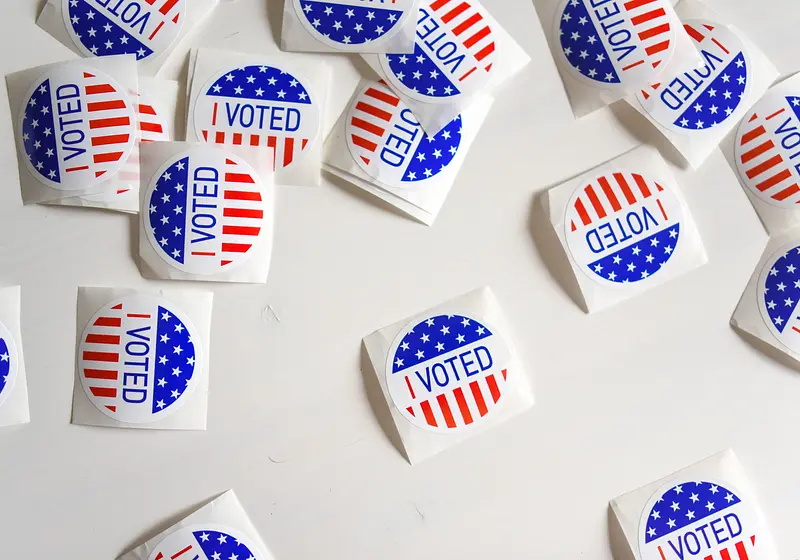




Within contemporary America it can feel like everything is a fight. You can’t scroll through social media, watch a movie, or even talk to your relatives without someone bringing up something political—something about climate change, TikTok bans, books in school, or wearing a mask. America is fiercely divided, now more so than ever, but its image is a reflection of culminated moments over the decades that have fueled American political fire today.
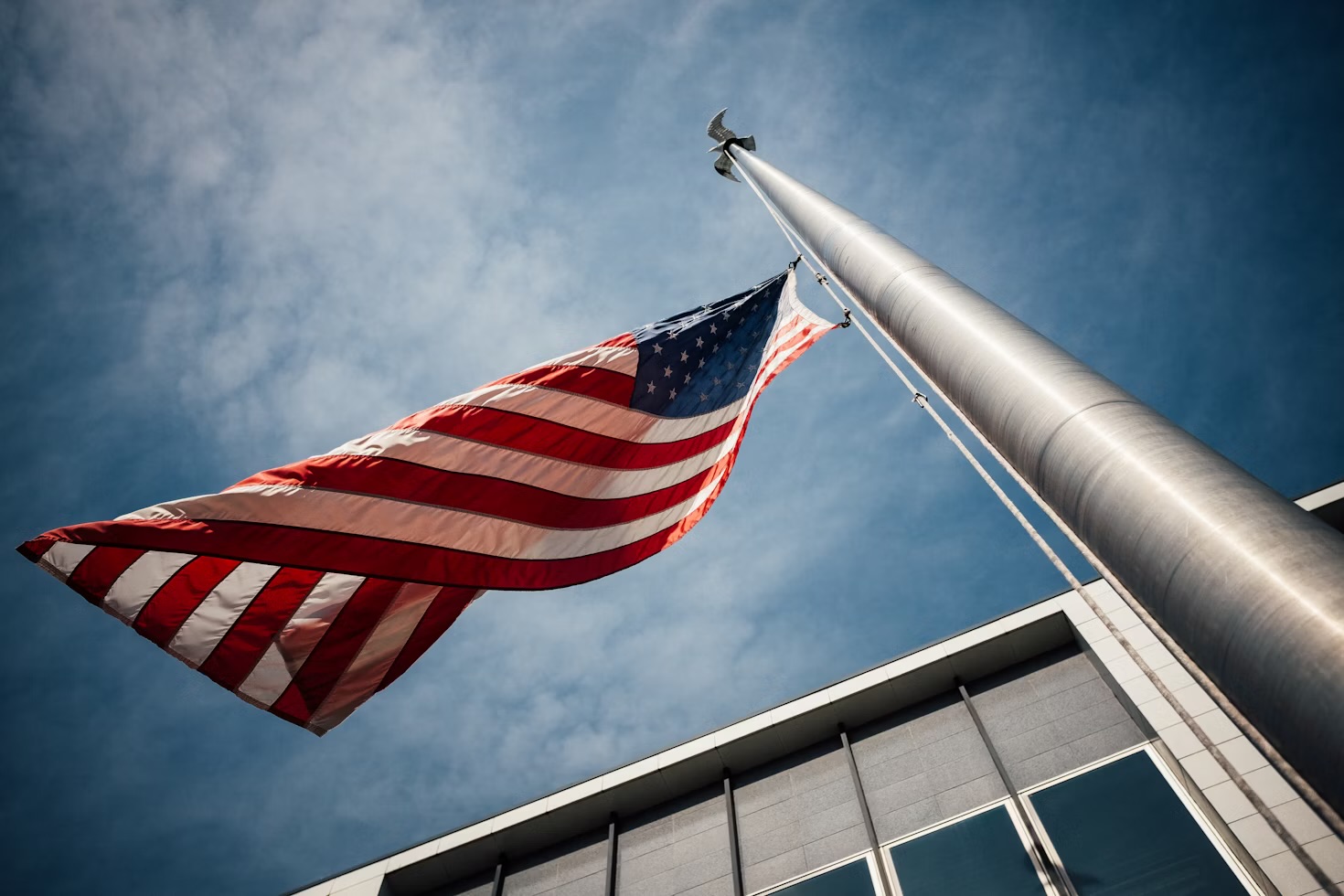
Image Credit: Jonathon Simcoe from Unsplash
Let us slide into your dms 🥰
Get notified of top trending articles like this one every week! (we won't spam you)The Civil Rights Era Changed Everything (1950s-1960s)
The fight for civil rights rewired America’s political map as we see it today. After years of segregation, the Civil Rights Act of 1964 and the Voting Rights Act of 1965 finally granted Black Americans more protection and access to voting.
That being said, not everyone was on board. Myriad white voters in the South felt alienated—over time they experienced a shift from the Democratic Party to the Republican Party, and this spurred a realignment that still shapes our politics today.
Take the Quiz: What Kind of Political Personality Are You?
Ever wondered what role you’d play in the political world? Take this fun quiz to find out!
Rise of the “Culture War” (1970s-1980s)
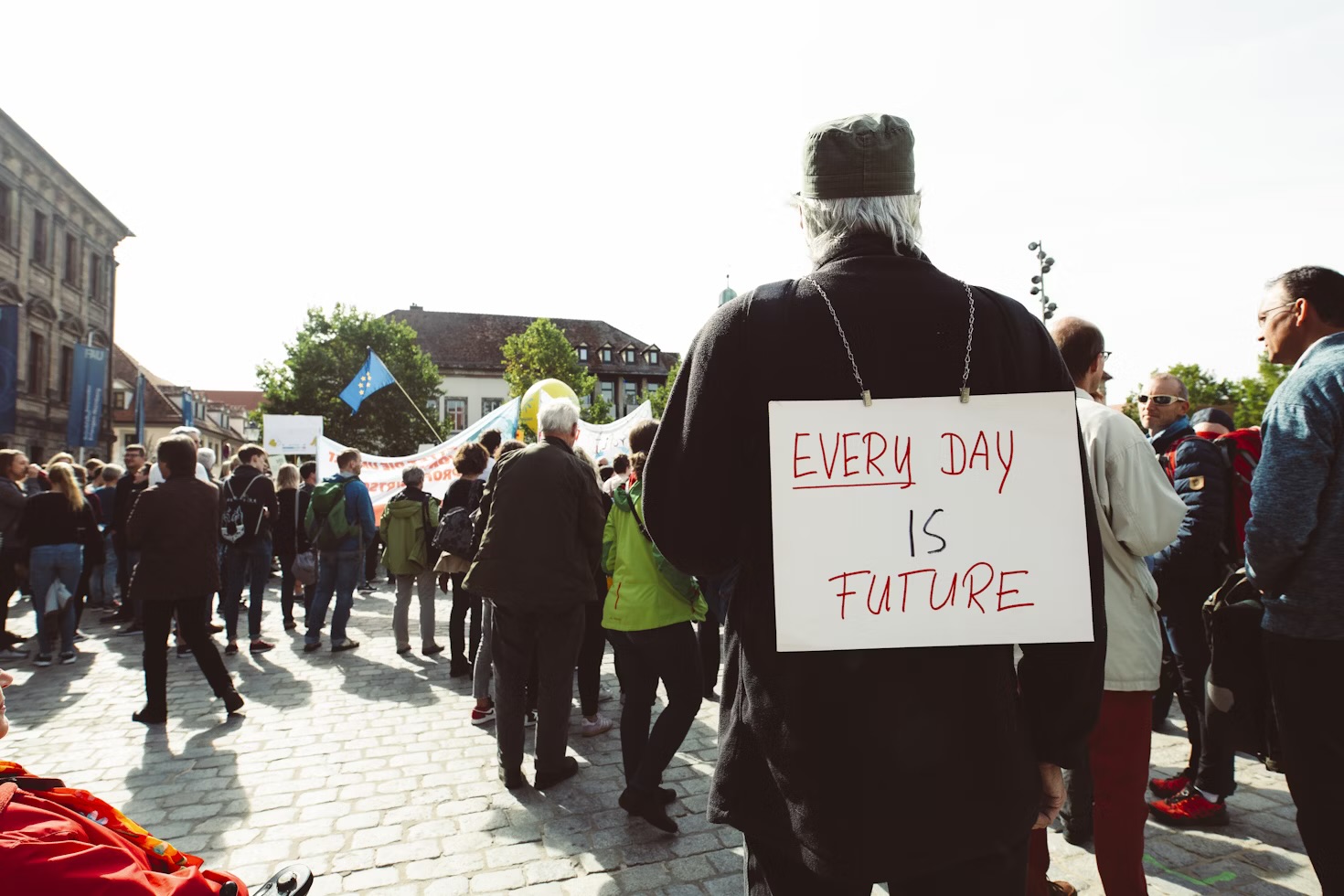
Image Credit: Markus Spiske from Unsplash
In 1973, it was Roe v. Wade—a major case under the Supreme Court—that guaranteed a woman’s right to have an abortion under the Constitution (though states could regulate this during later stages of pregnancy). This was a huge win for reproductive rights, but it also galvanized a large portion of conservative and religious Americans who viewed this decision as a huge moral and religious disaster. During this time politics began to take on a new form—something more personal, spiritual, and emotional.
And then in 1979 churches became increasingly political spaces, as the national conversation shifted and Sunday sermons began to address government and policy issues. Christians were encouraged by their churches to vote based on values—specifically opposition or abortion—rather than, again, policy. This was the birth of ‘religious right’.
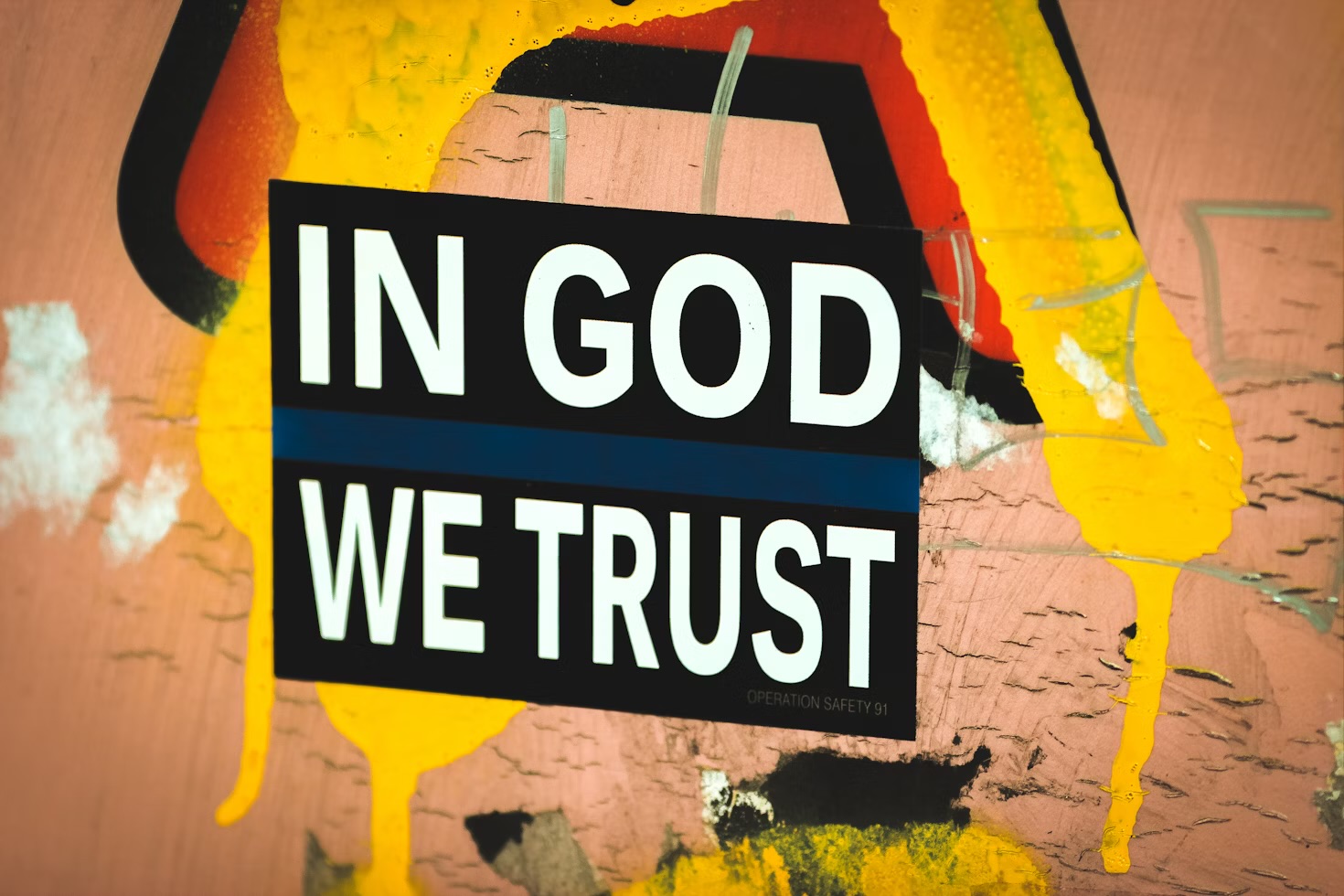
Image Credit: Jon Tyson from Unsplash
In 1980, Ronald Reagan ran for president as a Republican, and when he was elected, he took the many conservative Christian voters under his arms. He spoke about restoring America, critiqued big government, and expressed his traditional beliefs. The religious right was a strong supporter of him—he was tough on communism and charismatic.
So when Reagan won his election it wasn’t seen as merely political victory but also a cultural change that conservative Christians got the most benefit out of. It was mainly since then that debates over abortion, LGBTQ+ Rights, prayers in school, and “family values” have been central to political campaigns.
Media Enters the Game (1990s-2000s)
This was another turning point in the political division of America as we know it today. Cable news—i.e. networks such as Fox News and MSNBC—began to shape audiences who as a whole leaned toward one side politically. People no longer received the same, unembellished news—rather, they received biased reports that appealed to their beliefs.
By the 2000s the internet didn’t make it hard to live in this echo chamber of hearing only what you wanted to hear.
Image Credit: Maria Shalabaieva from Unsplash
The 2016 Election That Shifted the Waters
Trump’s presidency shone light on just how divided the country had become over the past few decades. A rigid dichotomy formed between those who supported him and those who didn’t: Gallup polls in Trump’s third year of presidency showed an 82-point approval gap between Republicans and Democrats. This was a record in modern presidential history. His supporters went manic for him, and those who didn’t like him went crazy with rage when he was elected.
But like him or not, during and after 2016, political language became noticeably harsher, especially during the primaries and general campaign. Social media and partisan media exaggerated extreme voices and gave legitimacy to conspiracy theories. Trump’s win was not unexpected—and the shock factor showed that politics can swing radically. His presidency showed just how split the nation was.
Piled Up Crises (2020s)
The Covid-19 pandemic hit the world and America in 2020. And it evolved into something beyond just a medical disaster—it became extremely political and above all, the center stage for ideological battles to occur. From masks to lockdowns to vaccines, it all became politics.
What should’ve been a simple public health recommendation—mask mandates—became a political flashpoint as some people began to view it as theft of autonomy and chose to resist governmental control. These mandates were divisive, as conservative media outlets depicted them as government overreach while liberal sources emphasized public health and social responsibility. Somewhat similarly, vaccines also became political lightning rods as the requirement of getting them raised debates about bodily autonomy and governmental authority. Supporters saw them as necessary for the general public’s safety, while critics saw them akin to authoritarianism. And of course social media sources additionally spread mistrust in pharmaceutical companies and algorithms rewarded fear and outrage, accelerating political entrenchment.

Image Credit: Martin Sanchez from Unsplash
Along with masks mandates and vaccines, in May of 2020, the terrible murder of George Floyd led to global protests and debates about race and policing. That same year, Trump claimed that the election was a blatant lie and falsity, and in 2021, his supporters stormed the US Capitol. These crises and debates all piled up to intensify the national divide.
So Why Does Everything Feel So Political Now?
When whittled down to the core, it is because of how deeply personal American politics has become for many people. Your political perspectives and opinions have grown to have an intensely intimate correlation with your identity.
These perspectives and opinions now tie to not only your identity, but also your sense of belonging: someone else disagreeing with your perspective can feel like a personal attack on you as a person. Factor in social media, constant news, and algorithms that profit off of outrage and it’s no wonder why everything feels so exhaustively political in modern-day America.
How Can America Escape This?
Is there a way out?
Obviously, it will never be easy—but I’d like to believe it’s not impossible. We need to start on a personal scale. Being open to nuance is imperative to closing this huge division that has formed in America—you don’t have to agree a thousand percent with someone else. Try to listen rather than yell, ask questions rather than make assumptions, and read a source that lies a bit outside of what you agree with.

Image Credit: Fabien Barral from Unsplash
Big fixes will only culminate if we begin, person by person, to try to step outside of our personal algorithms and learn not to resort immediately to arguing. Political opinions are important, but we are all just people at the end of the day. If we can agree to listen to each other as people and not political opinions, maybe we’ll be able to close this divide inch by inch.


.jpg)