




Everyone has seen the reels on Instagram or the videos on TikTok about viral study hacks. From blurting to active recall, there are over twenty different study techniques. But how many of them are just words, and how many are truly impactful? After testing and trying them out myself, I’ve compiled a list of my personal reviews and ratings on the hacks that worked best for me.
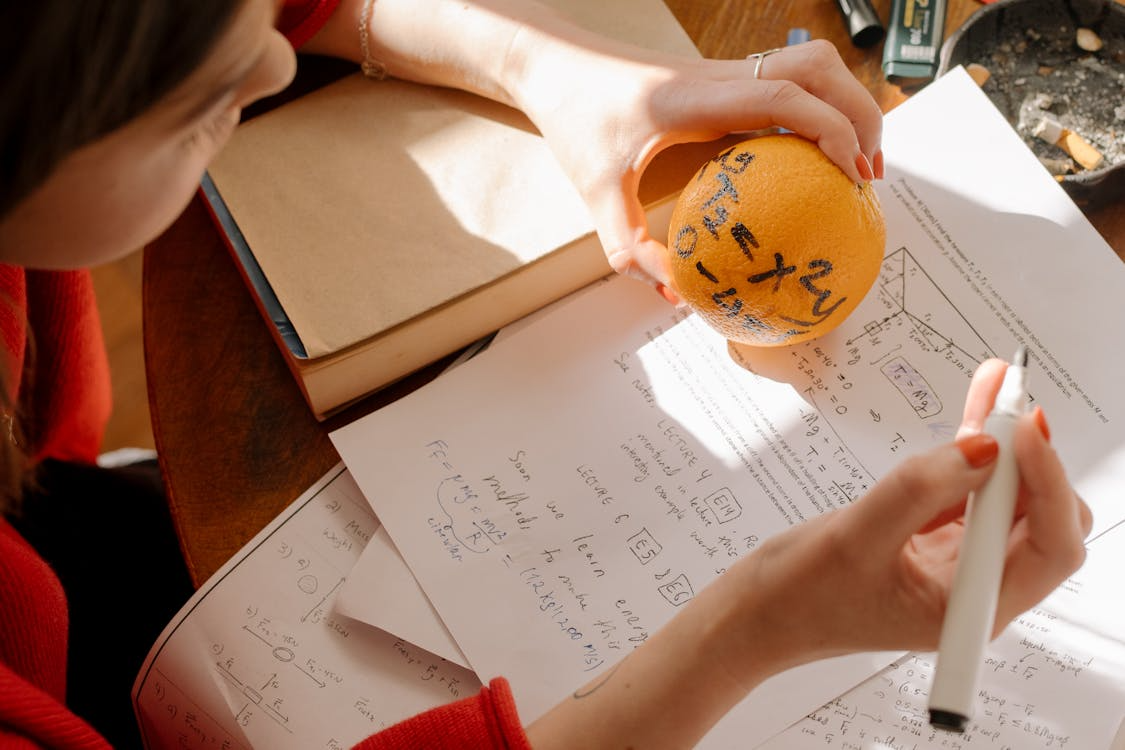
Image credit: cottonbro studio from Pexels
Let us slide into your dms 🥰
Get notified of top trending articles like this one every week! (we won't spam you)Active Recall
Rather than passively re-reading notes or textbooks, active recall forces your brain to retrieve information from memory.
- Read a section of your material, then close the book or turn off the screen.
- Ask yourself questions about what you just read, or try to summarize the main points in your head or on a blank piece of paper/whiteboard, in your own words.
- Compare what you recalled with your notes and correct any errors.
This is helpful because it strengthens neural connections and improves memory in the long run.


Take the Quiz: What Hobby Should You Try Out?
Find a new hobby to try out!!!
Production Effect
Sometimes saying things out loud helps them stick better; there is a benefit of hearing your own voice to increase retention. Especially for individuals with auditory learning styles, speaking out loud amplifies the learning experience, reinforcing what is heard and helping it to be remembered.
- After studying, say everything you can remember out loud.
- Try to do this in the most concise way possible, and make sure you aren’t leaving any important facts out.
This helps enhance engagement with the material, allows you to hear yourself say the content out loud, and creates a more personal connection to the information being studied.
The Feynman technique

Image credit: Andrea Piacquadio from Pexels
Sometimes, teaching others can help you learn! This technique forces you to actively process the information, rather than passively absorbing it.
- Explain the concept you’re studying in simple language, using examples, as if you were teaching it to someone with no prior knowledge, like a small child.
- It may be helpful to actually make someone listen to you, so you can ensure that you actually know what you are saying, and they can ask follow-up questions.
- During the explanation, you’ll discover areas where your understanding is shaky or lacking, and where you’ve used terminology you can’t simplify or understand.
- Review the original material to fill in those gaps and then re-explain the concept until it is clear and simple.
The need to simplify complex ideas pushes you to really grasp their core meaning, not just memorize facts. This technique also pinpoints weaknesses; explaining the concept highlights where your understanding is incomplete, revealing the gaps you need to address. And by simplifying the content, you make the information easier to remember over time.
Spaced Repetition
This technique is especially great for people who don’t procrastinate! It involves reviewing material at increasing intervals over time, rather than cramming it all at once.
- Review new material a day after you learn it.
- Review it again after two days, three days, five days, then a week, and so on.
- Mark the days you want to review on your calendar so you won’t forget!

Image credit: Leeloo The First from Pexels
This forces your brain to actively recall information just as you are about to forget it (because you’re spacing it out), solidifying it in your long-term memory.
Pomodoro Technique

Image credit: Nile from Pixabay
This is a time management method that I love using while doing any task. It is designed to combat burnout and improve focus by breaking work into focused intervals.
- Select a task you need to complete.
- Study for a focused 25-minute period.
- Take a short 5-minute break.
- After four work sessions, take a longer break of 15–30 minutes.
- Use your breaks to step away from your work and refresh your mind completely.
Breaking large tasks into small, manageable sprints can make them seem less overwhelming, helping you get started. The technique also trains you to work with time rather than against it, making you more efficient.
Overall…

Image credit: Nick Morrison from unsplash
These techniques may not work for everyone, but here are some things that might:
- Optimize your study space. Find a distraction-free and well-lit area dedicated solely to studying. Maybe even switch up your study locations regularly to get a change of scenery and boost memory recall.
- Use background noise strategically. Instead of distracting music with lyrics, try listening to instrumental, ambient, or lo-fi music to enhance focus.
- Exercise before studying. Short bursts of physical activity, such as a 20-minute walk, increase blood flow and oxygen to the brain, which can improve cognitive function and memory performance.
- Manage technology distractions. Put your phone in another room or mute all notifications during study sessions to prevent interruptions and improve focus.
- Get enough sleep. Prioritizing sleep is crucial for memory consolidation and long-term retention. Some students who are “night owls” find that reviewing notes right before bed helps cement information.



.JPG)