




Finance isn’t just about crunching numbers or trading stocks—it’s about understanding how money moves the world.

Whether you dream of becoming an investment banker, an economist, or an entrepreneur, these books will inspire and challenge you while giving you a glimpse into the exciting (and sometimes chaotic) world of money.
1. The Intelligent Investor by Benjamin Graham
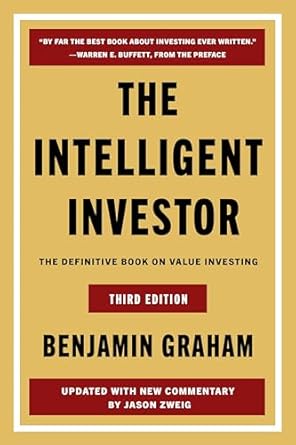
Known as the “bible of investing,” this classic teaches the principles of value investing. Graham emphasizes discipline, patience, and protecting yourself from risk rather than chasing quick gains. While written decades ago, his lessons—like the idea of “Mr.
Market”—remain timeless. Even Warren Buffett credits this book for shaping his career. Teens will gain a strong foundation in thinking rationally about investments instead of emotionally.
2. Rich Dad Poor Dad by Robert Kiyosaki

Told through the lens of Kiyosaki’s two “dads”—his real father and his best friend’s wealthy father—this book explains the difference between working for money and making money work for you. It highlights financial literacy, the importance of assets vs. liabilities, and the mindset needed to build wealth. For teens, it’s a readable and practical introduction to money management and entrepreneurial thinking.
3. Liar’s Poker by Michael Lewis

Lewis’s memoir pulls back the curtain on Wall Street in the 1980s, when investment banks like Salomon Brothers ruled the financial world. Through colorful characters, high-stakes deals, and plenty of arrogance, he captures both the thrill and the absurdity of big finance. It’s funny, shocking, and eye-opening—perfect for teens who want to understand the culture (and temptations) of finance.
4. The Millionaire Next Door by Thomas J. Stanley & William D. Danko

Based on years of research, this book reveals surprising truths about America’s wealthy: most millionaires don’t live flashy lifestyles, but instead quietly save, invest, and live below their means. It challenges stereotypes about wealth and teaches teens that financial independence comes from discipline and smart choices—not luck or luxury.
5. Flash Boys by Michael Lewis
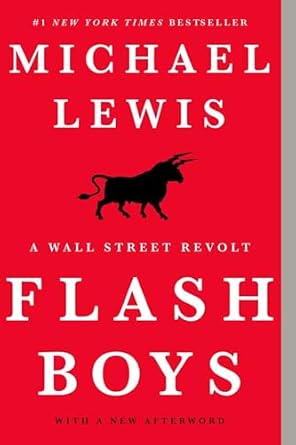
This nonfiction thriller dives into the world of high-frequency trading, where speed and algorithms dominate Wall Street. Lewis tells the story of a group of outsiders who discover how the market is rigged against ordinary investors—and set out to change it. The book is both an exposé of modern finance and a gripping narrative that shows how technology has transformed money.
6. Thinking, Fast and Slow by Daniel Kahneman

Written by a Nobel Prize–winning psychologist, this book explores how humans make decisions—often irrational ones. Kahneman explains “System 1” (fast, intuitive thinking) and “System 2” (slow, logical thinking), showing how these play out in investing, risk-taking, and everyday life. For teens, it’s a fascinating blend of psychology and finance that explains why markets—and people—don’t always behave rationally.
7. The Big Short by Michael Lewis
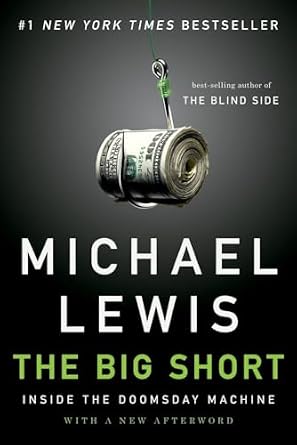
This bestseller recounts the 2008 financial crisis through the eyes of a few traders who saw the housing bubble coming and bet against it. Part financial history, part human drama, it shows how greed, complexity, and denial nearly brought down the global economy. Teens will learn not just about mortgages and Wall Street, but also about the importance of skepticism and independent thinking.
8. Principles: Life and Work by Ray Dalio
Ray Dalio, founder of the world’s largest hedge fund, shares the personal and professional principles that guided his success. From radical transparency to decision-making frameworks, Dalio emphasizes building systems for thinking and problem-solving. Teens interested in leadership, investing, or entrepreneurship will find both practical advice and a model for building a career in finance.
9. Freakonomics by Steven D. Levitt & Stephen J. Dubner

Economics doesn’t have to be boring—Levitt and Dubner prove it with quirky, surprising questions: What do teachers and sumo wrestlers have in common? Why do drug dealers still live with their moms? By applying economic thinking to everyday life, they show how incentives drive behavior. For teens, it’s an accessible way to see how finance and economics explain the world around them.
10. Common Stocks and Uncommon Profits by Philip Fisher

Another investing classic, Fisher focuses on qualitative analysis: understanding a company’s management, innovation, and long-term growth potential. His approach complements Benjamin Graham’s value investing principles, giving readers a broader toolkit. For teens serious about investing, this book provides timeless wisdom about thinking like an owner instead of a speculator.




.jpeg)