




On social media today, appearances are currency. One scroll on TikTok or Instagram could lead into an infinite rabbit hole of toxic fitness advice or "looksmaxxing" trends that effortlessly make influencers seem more attractive than they already are. Their physical features define their worth; the prettier they are, the more likes and follows they get.
As tragic as it seems, it makes sense why people are so hyper-focused on their looks more than ever. If they don't fit the current beauty standards, they are at risk of social rejection or seeming "unworthy" compared to others. For some, this creates a cruel cycle of insecurity and projection.
Their internal shame leaks outwards, hurting others with their own darkest fears, like being unattractive. This feeds into someone else's insecurity and the cycle continues.
Influencers and celebrities are often the biggest targets of this harassment. Instead of having someone say something directly to them, they have thousands of strangers bullying them online. Their fame doesn't protect them from the countless cruel jokes left under posts or memes created from their looks.
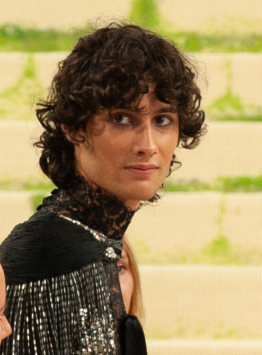
Popular singer-songwriter Sombr is one of the most notable victims in modern media. Instead of feeding into the cycle of hate, he's broken it by writing a song that's not just expresssing his own body image issues, but as a reminder to anyone else struggling that they are not alone.
On June 25th, 2026, Sombr dropped his new single "My Body Isn't Ready." The song strips away the inauthenticity that the media often clings to, easily becoming his rawest track yet. The vulnerability strung between the lyrics and the devastating cinematic metaphors used in the music video resonated with many who felt cornered by society's standards, becoming an overnight sensation.
Sombr's song serves as an important study on how body image related trauma ultimately creates a deep-seated sense of isolation and alienation, especially for young stars pressured by the cut-throat expectations that come with fame today.

Let us slide into your dms 🥰
Get notified of top trending articles like this one every week! (we won't spam you)Beyond The Spotlight: The Roots of Insecurity
For many, negative body image perception often starts before they even have access to social media. This was the case for Sombr, who stated in his debut on The Tonight Show how his insecurity stemmed from childhood:
“This is about something I've been struggling with my whole life...And I feel like growing up, y'know, feeling like I look different from the other kids in school, I always wanted to write a song that talked about that.”
It's clear that childhood insecurities don't always come from bullying, but it could simply arise from the isolation and the loneliness that comes with looking "different" than the peers sitting next to them. Unfortunately, this is very common with school-aged children today and it can alter their cognitive development by overloading the brain with constant negative self-talk feedback loops. When a child's mind is overwhelmed like this, it can ultimately stunt their social and intellectual growth by making them too distracted to concentrate on learning or too isolated to properly connect with their peers.
For Sombr, that childhood isolation laid the groundwork for a much more aggressive monster once he stepped into the spotlight: the internet.
In October 2025, a TikTok controversy sparked a body-shaming campaign against him after a 25-year-old concertgoer posted a video criticizing his performance for being "cringe" due to his overwhelming tween audience and the "brain-rot" jokes he made. Instead of keeping her critique solely on her experience, she crossed the line by making remarks about his physical appearance, going as far as to compare him to the fictional monster "Slenderman."
It quickly became viral, turning into a running joke that spun completely out of control. For someone who already spent their whole childhood struggling with their body image, having his physical appearance dehumanized by thousands of online strangers must have been humiliating and traumatizing for the young artist as it brought his darkest insecurities to light.
But he refused to let the digital stream of hate stop him. Less than a year later, he dealt with his insecurity on his own terms with his new single "My Body Isn't Ready."
Take the Quiz: Which Simple Health Tip Do You Need to Incorporate in Your Life?
Take that one small step closer to better living.
"I Want You, But the Mirror Won't Let Me": A Lyrical Analysis of Avoidance & Social Barriers
A closer look at the lyrics reveals that "My Body Isn't Ready" isn't just about body image issues. It also focuses on the loneliness and isolation that comes with it, making people feel unlovable and putting up walls when it comes to relationships.
It begins with him being disconnected from his friends. They invited him to hang out on the Fourth of July, but he decided not to go. This introduces situational avoidance, which is seen in anxiety disorders, where one steers clear of certain triggers to avoid panic. But as he isolates himself, contradiction appears. Even though he actively avoids social gatherings, he longs for intimacy and for someone to spend the night with. He's stuck in an anxiety avoidance cycle of fear, avoidance, and loneliness: the fear makes him avoid scenarios, the avoidance gives him short term relief but causes him to realize his isolation, and then loneliness and longing set in. His fear is caused by viewing the "light," representing exposure of his vulnerabilities, as a threat. This ultimately triggers hypervigilance as he fears his partner will leave him if the light reveals his flaws.
The chorus reveals more of this push and pull dynamic within his relationship. When he tries to access intimacy, he panics and turns away; becoming an approach-avoidance conflict. His physical appearance erodes his self worth, acting as a barrier between him and his relationship.
Imposter Syndrome comes into play, where he fears that if he can't live up to his idealized persona on stage, his partner will discover he's a fraud, even if that isn't the case. Because of this, he puts up a defensive wall, blocking any access to intimacy or relationships through learned helplessness, where he gives up because he believes heartbreak is inevitable.
The second verse shows a glimmer of healing, where he is finally able to meet someone new and recognize his talent despite his past trauma. However, the original insecurity morphs into a new threat: paranoia. He questions his partner's intentions, wondering if they just want him for his status or fame. Realizing that success can't instantly cure emotional trauma, he wishes to escape back to the younger, simpler times.
The bridge serves as the ultimate breaking point for him, where he asks if his partner would want him if he "crawled out of [his] skin." Technically, this could mean two separate things. He could be questioning if his partner would like him more if he were in a different body due to his insecurity. On the other hand, it could be about if his partner would still want him if he weren't a celebrity, going back to his past paranoia discussed before.
Then, he expresses that if they went back to easier times, he might be able "to swim." Again, this serves as a double meaning. While it could be him highlighting how he's emotionally drowning in his current environment, it could also refer to him finally being able to break down his walls safely with his friends who wanted to "catch the tides" earlier.
Mehmet Deniz Aydin from Pexels
The Papier-Mâché Prison: Turning Internal Armor Into Physical Protection
The music video takes his inner pain and externalizes it, specifically showing how harassment fuels his insecurity and how that shame affects his relationships and reputation through symbolism.
Before the song even starts, the video shows Sombr walking into what seems like an art gallery party. Before he walks in, he hesitates and pulls away, but the camera shows what's inside. It shows one of the artists talking about their art, describing how it's about the "metamorphisis of humanity." He goes on to explain that it represents humans evolving as a species, then says: "That's what I'm hoping for all of us." Despite seeming positive, this section is meant to show society's obsession with evolution and being perfect.
The camera shifts, revealing the outside of the gallery. There's a pool party full of people wearing bright colors and having fun. Interestingly enough, some of the partygoers are mannequins wearing bright colors and some of the guests are even interacting with them. These figures symbolize the idealized version of people that society expects.
The song starts and Sombr finally enters the party. He's wearing dark gothic clothing and makeup, which is a stark contrast to the party's colorful atmosphere, representing how he feels "different" than those around him. The camera shows a close up of a girl watching him from afar, noticing how he stands out from the rest. He looks at her but continues walking, showing his isolation, yet it still gets her attention.
He walks over to a group of artists and magicians, one of whom pulls out a card for him that reads "you don't belong here" while the rest just laugh. In the video, this represents society rejecting him because he's dressed differently compared to everyone else. Beyond the fictional party, it connects to his real experiences with online bodyshaming and harassment.
The girl from earlier sees this occurring and tries to talk to him. A Point-of-View shot shows him looking down at her face, which makes it clear that she has no malice based on her smile, before he walks away from her. How he acted during the interaction shows him putting up walls in fear of future heartbreak, automatically assuming that her intentions aren't pure despite lack of proof. Based on how the magicians treated him, paranoia seeps in, and he assumes that she is just like them.
The next scene shows the camera following him as he heads into the gallery. He finds a mirror somewhere and he stares at his warped reflection. Seeing himself like that depresses him further and he puts his back to the mirror, ashamed.
This symbolizes the warped view of one's body when they experience body dysmorphia. Unlike body image insecurity, Body Dysmorphia Disorder is when someone becomes obsessed with a certain flaw in their appearance. This can lead to hyper-fixation or repetitive actions like mirror checking, as shown in the video. As stated in the lyrics, the mirror is the physical barrier that gets between him accessing intimacy and relationships.
The viewer finds out then that he is hiding inside an art studio. From inside his spot, he witnesses one of the artists who bullied him earlier pull a girl inside. He folds a piece of material to her jawline, covering it, before they both leave the room.
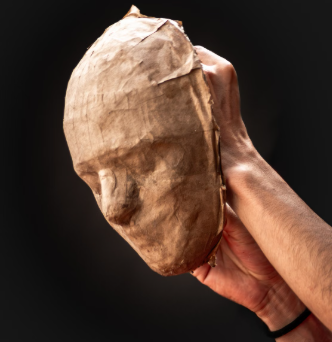
Once they are gone, Sombr looks around at the supplies around him and gets an idea. He starts covering himself in paper until he's entirely engulfed by it, looking like a real papier-mâché statue. This acts as a physical manifestation of his emotional armor, literally building a wall between his true self and the outside world. Technically, this could also be compared to the baggier clothes people with body image issues may wear to hide their frame because they are ashamed of it.
A bunch of people suddenly barge into the room, while the girl who tried talking to him earlier just stares at the statue, seeing straight through his armor. While emotional armor can act as protection from those who are cruel, it can also act as a lock from those who truly care and want to truly make a connection. This female character represents that type of connection that he needs, but he can't help but lock her out anyway because of his past.
The group of people carry out his statue and load him into their car. The whole way, the girl just looks at him. Once they arrive at their destination, they are greeted with the flashing lights of cameras as the people hold up his hidden body for display.
This symbolizes the idealized version of himself he has to put on for the press since the characters only interact with him once he covers himself. From a psychological standpoint, it could also represent the detached feeling one has during identity alteration, a dissociative coping mechanism where one puts on an alter ego to cope with an overwhelming environment, like a party.
Once the event is over, the group throws his body out of the car. The girl protests, knowing the truth, and gets out with him. She breaks through his papier-mâché armor.
They walk together and it shows a clip of them eating out. It cuts back to them outside and as they lean to kiss, fireworks go off in the distance. They huddle up to watch it and then lay on a towel. As they watch the lights dance in the sky, she takes his hand, resembling the genuine connection he needed from the beginning.
It abruptly cuts back to him shirtless in a black room. He closes his eyes and just swallows, then the video ends. As random and insignificant as this seems, it actually verifies that external or romantic validation doesn't magically cure internal trauma or insecurity. It shows how uncomfortable he truly is yet there is nothing he can do but shut the world out and internalize his pain.
This video is more than a story about someone falling in love regardless of their emotional baggage. It's how cruel words can deeply scar their mind, fundamentally changing their ability to create relationships and trust others. Even if they finally get the validation they've craved for so long, the scars still remain.
The True Human Evolution: Breaking The Cycle of Insecurity
As a society, evolution isn't done through chasing physical perfection. The only way we can truly evolve is if we stop criticizing one another's imperfections and embrace who we are for what we are. At the end of the day, we're all still human and that connection alone should be enough, regardless of our exterior. If we start accepting ourselves, maybe we can start accepting each other.
Until then, it's important to recognize how much words can truly harm someone, no matter who they are or what they do. You never know what battles people are fighting internally, and adding onto their burden can leave indelible scars. Regardless of how funny the joke sounds, harassment is never acceptable, even if it's towards a stranger.
Ultimately, Sombr's story reminds us that until we heal our own insecurities, the cycle of insecurity-projection will continue, throwing our own burdens onto someone else. Breaking the cycle of digital trauma requires us to break down our armor and choose empathy over cruelty. Maybe then we can learn to heal ourselves and eventually grow as a society.

.jpg)