







Punjab is currently submerged, again. As the rivers overflow with continuing heavy rain, hundreds of thousands battle to preserve their homes, their incomes, and their loved ones. An estimated 1.5 million people were affected in India and Pakistan, with 802 deaths in Pakistan and over 149 in India reported.
It brought back reminders of the terrors of the 1988 floods, which were seen as somewhat avoidable. Are the 2025 floods following the same path?
For those unfamiliar with the Northern Indian and Eastern Pakistani state, Punjab is an agriculturally vital area, and its name literally means "land of five rivers." So flooding in its expansive farmland isn't completely uncommon during a heavy monsoon season, but on this scale? Unexpected to say the least.
Nature did its thing with the monsoons, but humans made it a crisis. If floods were a group project, climate change brought rain- but human mismanagement hit send on chaos and carnage.
Let us slide into your dms 🥰
Get notified of top trending articles like this one every week! (we won't spam you)Enter the Bhakra Dam
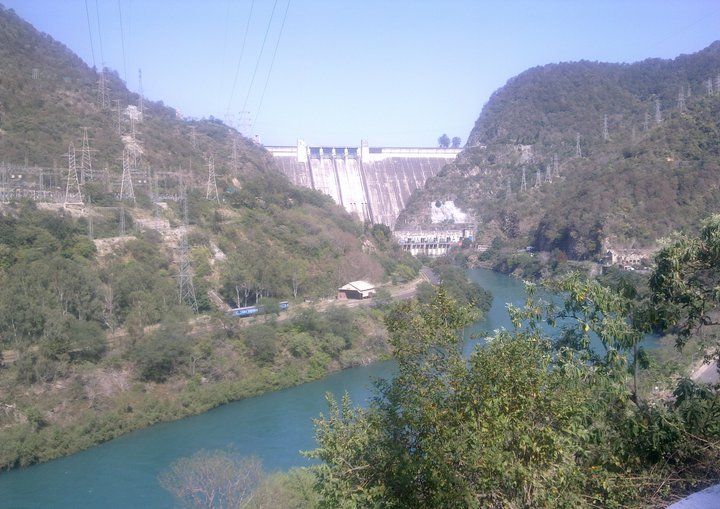
Image Credit: Apar Singh Bataan on Wikimedia Commons
Meet the Bhakra Nangal Dam, a key structure that was built to control floods, provide a reliable water supply to farms, and generate electricity. A rather unexpected troublemaker.
The Bhakra Dam is controlled by the Bhakra Beas Management Board (BBMB), a Central Government agency. That is controversy number one, as there have been calls for a Punjabi board instead, as Punjab doesn't have direct control over how and when the water in the dam is released. Punjabi officials have also claimed that they're not consulted or informed late about dam water releases. When large-scale releases of water occur during the monsoon season with little warning, certain implications arise.
Take the Quiz: What Type of Notes Should I Take?
Discover the best note-taking method for your learning style!
Reasons Why the Floods were Avoidable
Well, there are many, one of the obvious being how long the BBMB waited to release the dam water, prioritising the maximisation of hydroelectric generation over an obviously fatal flood. So, they released over 45,000 cusecs of water all at once during a rainstorm, genius.
A coordination failure from the BBMB also plays a huge role as a clear warning system, and communication with Punjab's state disaster management teams wouldn't have stopped floods, but at least it would have prepared the area better.
Some of the major rivers in Punjab, such as the Sutlej and Beas, are now significantly shallower due to siltation, which is the accumulation of soil and sediment. This reduced their water-carrying capacity, making areas around them more prone to floods. Rather obvious, wouldn't you agree? Regular dredging could have ensured that the rivers could handle higher inflows.
Similar floods have occurred in recent years, yet no comprehensive flood preparedness system has been implemented. The 230 million rupees allocated to flood prevention projects are being questioned for their effectiveness, as floods have occurred far too frequently to be ignored. Every flood should have taught us something; a lack of forethought shows systematic failure.
Warnings from climate scientists about heavier monsoon seasons in northern India have often been ignored. Disaster planning hasn't been adapted to a changing climate, and with better reservoir management and rainfall prediction, the crisis would have been managed better.
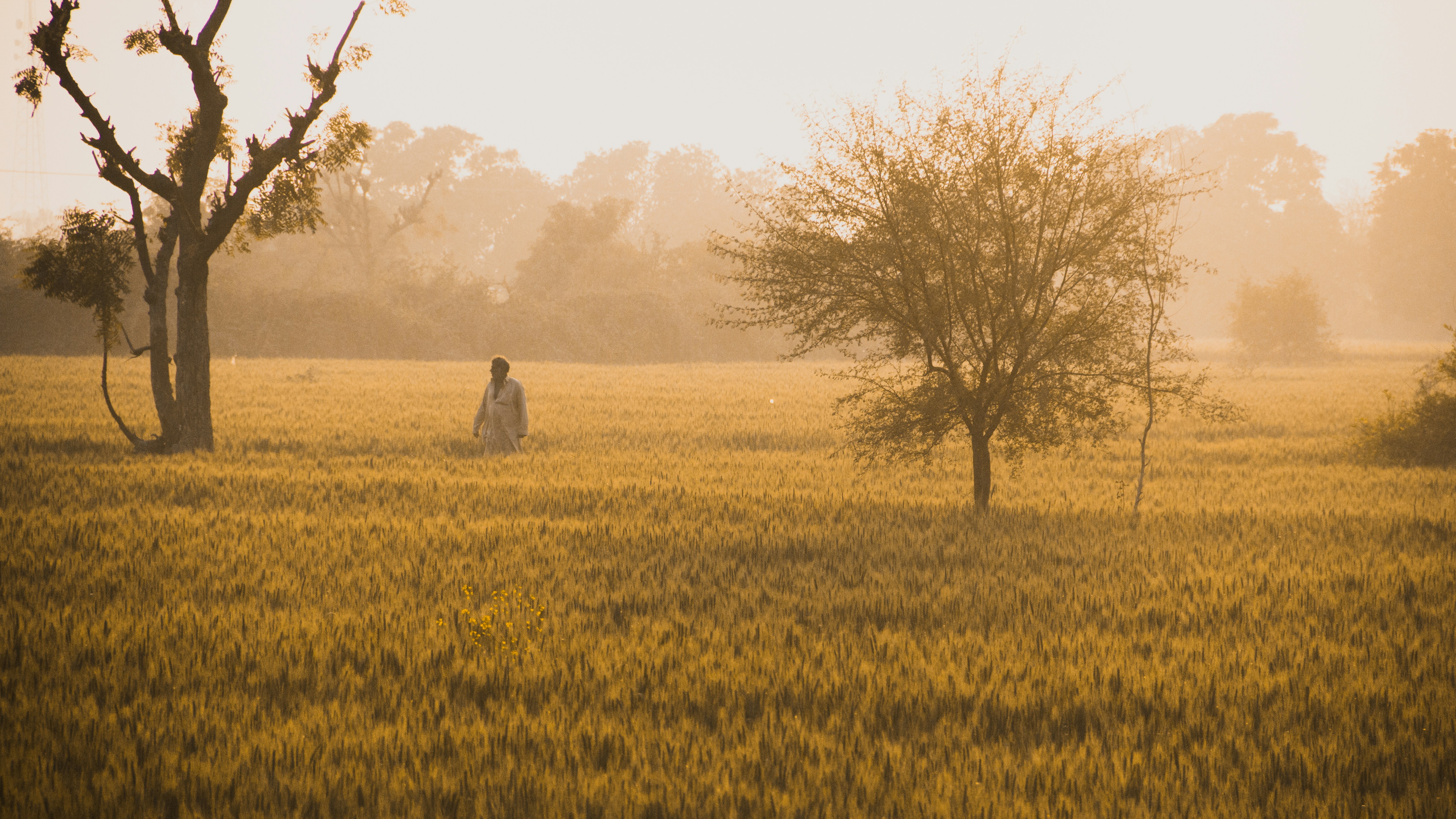
Image Credit: Huzaifa Waheed on Unsplash
The evidence is clear: the government hasn't been doing enough to prevent easily avoidable floods like this one. For a start, they could fix riverbanks before they become rivers themselves. And maybe just talk to each other?
Revolutionary, right? Because the people closest to the rivers should actually have a say in dam management. Punjab wants control over the dam, and so does the Central Government, but when disasters like these strike, who truly bears the consequences? The answer is clear.
This isn't just about floods- it's about injustices. Time and time again, the Central Government has dismissed Punjab's needs and sidelined the cries for help until it's too late. Whether it's flood management, agricultural reform, or basic representation, Punjab is systematically excluded from major decisions that will determine its future.
A state that nourishes the Indian nation is repeatedly denied and politically ignored. We do not need sympathy following the devastation- we need accountability, equity, and a voice for Punjab within the Central Government.
And it's not just Punjab. Across the world, marginalised communities are facing the harsh realities of climate change and systematic neglect that we don't have to. From floods in Southeast Asia to droughts in Africa, it's often the people least responsible for the crisis who face wrecked homes, lost livelihoods, and shattered futures.
The floods in Punjab are part of a larger, urgent global emergency. For the 1.5 million affected here, it's not just damaged land, it's empty schools, hungry children, and lives lost. These disasters don't just need aid; they need global solidarity and justice.