






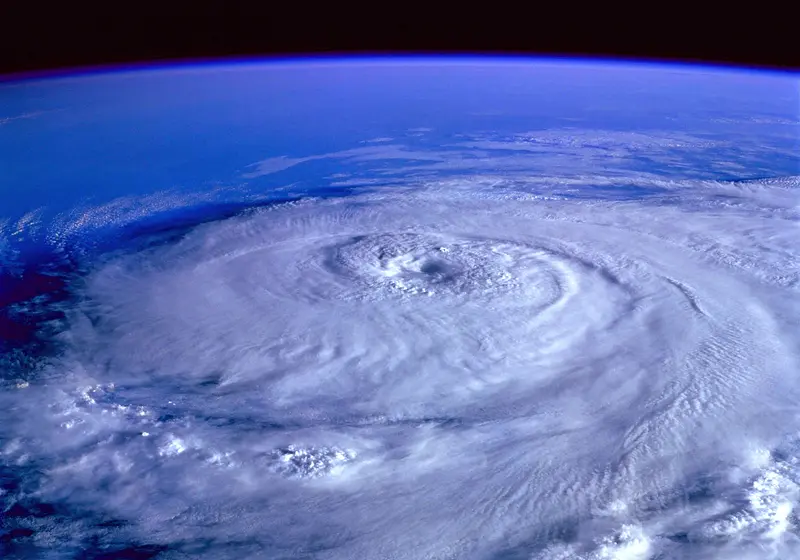
It’s been over a week since the rain started falling, and people are still trying to wrap their heads around the damage. What began as Hurricane Flossie—a Category 3 storm that never even touched land—has turned into one of the worst flooding disasters Mexico has faced in recent years. And the worst part?
It’s not over. Forecasters say there’s more rain coming.
The states of Guerrero, Michoacán, Colima, and Jalisco have been hit hardest. Roads are torn apart, rivers have swollen into highways, homes are under water, and thousands of families are either displaced or sheltering in place. Entire towns are struggling to function.
The power’s out in some areas. Clean water is running low. And the ground is too soaked to absorb any more.
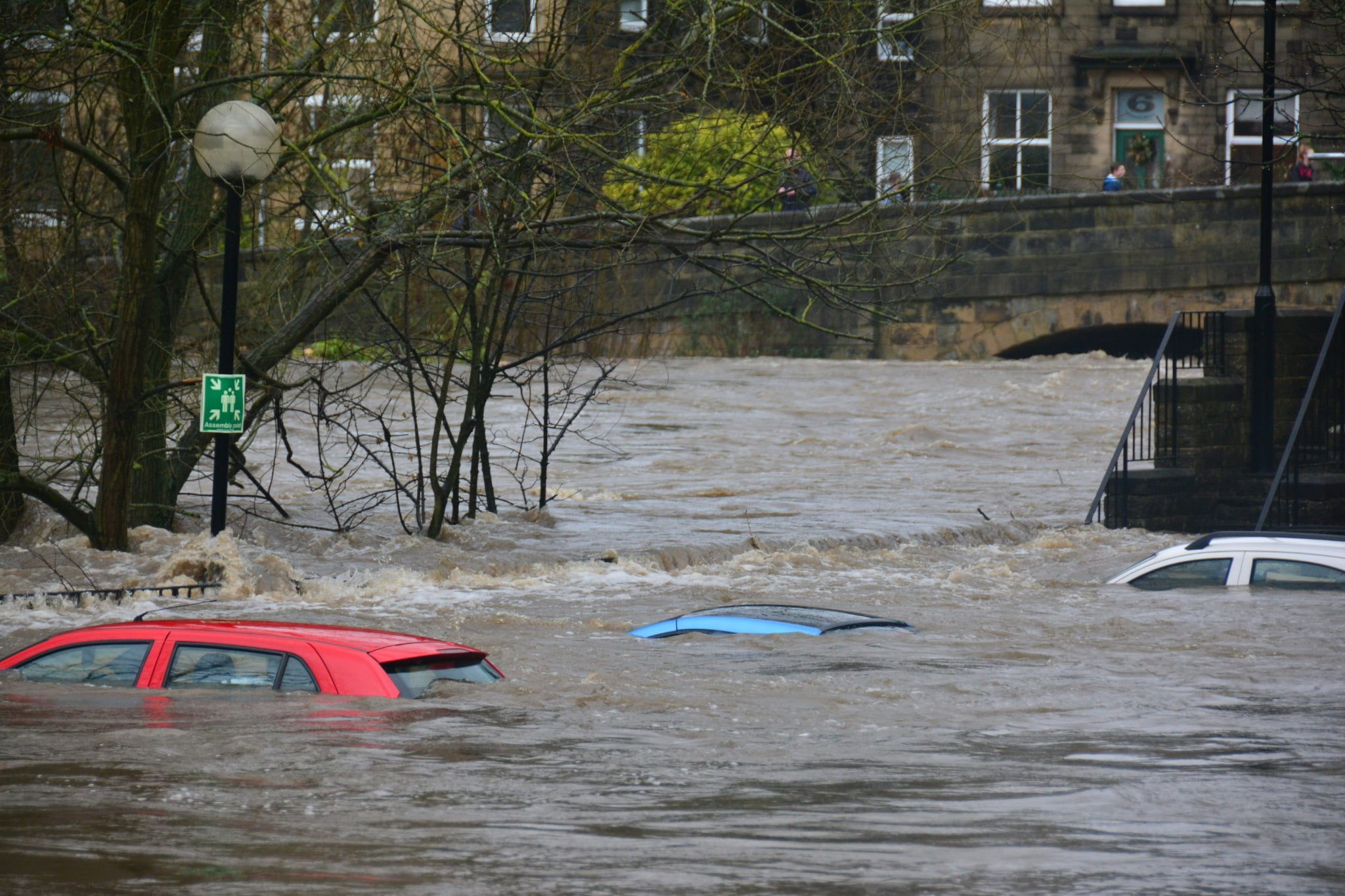
Image Credit: Chris Gallagher from Unsplash
When Flossie first formed on June 29, it didn’t seem like a major threat. It stayed offshore, spinning just about 200 miles west of Mexico’s coastline. But that didn’t stop it from dumping rain.
Lots of it. Cities like Lázaro Cárdenas and Zapopan were quickly overwhelmed. In Zapopan, the Arroyo Seco river burst its banks and tore through the El Mante neighborhood. Cars were dragged down the street like trash. Sewer systems backed up. In Lázaro Cárdenas, roads disappeared under half a meter of water.
Boats were pulled from the beaches. Ports were shut down. No one was prepared for how quickly things unraveled.
In Lázaro Cárdenas, parts of the highway were submerged under nearly half a meter of water. Zapopan’s El Mante neighborhood saw its river surge over the banks, flooding homes and trapping residents. Sewer systems collapsed, ports were shut down, and dangerous rip currents forced authorities to close beaches and restrict vessel movement. As rain continues, these regions remain under high alert.
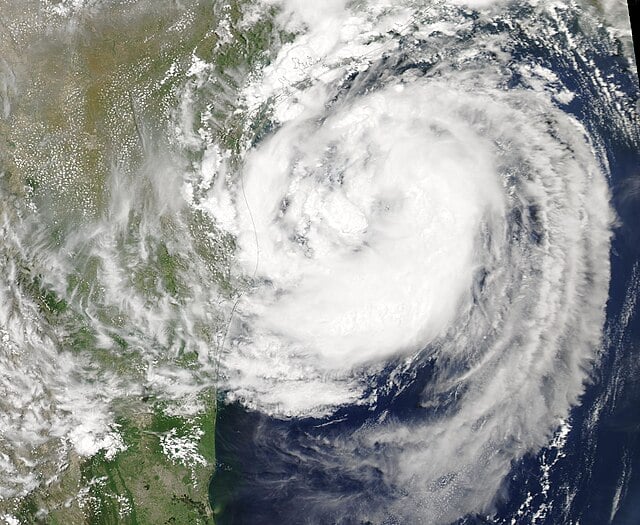
Image Credit: Public domain from Wikimedia Commons
Let us slide into your dms 🥰
Get notified of top trending articles like this one every week! (we won't spam you)A Region Already Scarred
Part of what made this storm so devastating wasn’t just its strength, but what it hit. Much of the terrain was already compromised by recent wildfires—especially in areas like Ruidoso, New Mexico, just north of the Mexican border. There, the South Fork and Salt Fires had stripped the land bare, leaving nothing but loose ash and raw soil. When the rains came, there was nothing to hold it back.
In Ruidoso, the river didn’t rise gradually—it exploded. Water levels surged 19 feet in under half an hour, breaking records and breaking lives. A house with a turquoise door—a friend’s, an artist said—was carried downstream like it weighed nothing.
Three people, including two children (ages 4 and 7), were killed. Eighty-five swift water rescues were made in one night. One brewing company sheltered 50 stranded locals while the National Guard waded in to help.
These wildfires didn’t just scar the landscape. They primed it for this exact kind of chaos.
Take the Quiz: What Type of Notes Should I Take?
Discover the best note-taking method for your learning style!
The Science Behind the Soaking
Meteorologists explained the bizarre brutality of Flossie and its aftermath as the result of lingering monsoon moisture and stalled storm systems. Even after Flossie weakened into a tropical storm and drifted away from Baja California, its ghost lingered—feeding rain into central and coastal Mexico, keeping streets flooded and emergency services overwhelmed.
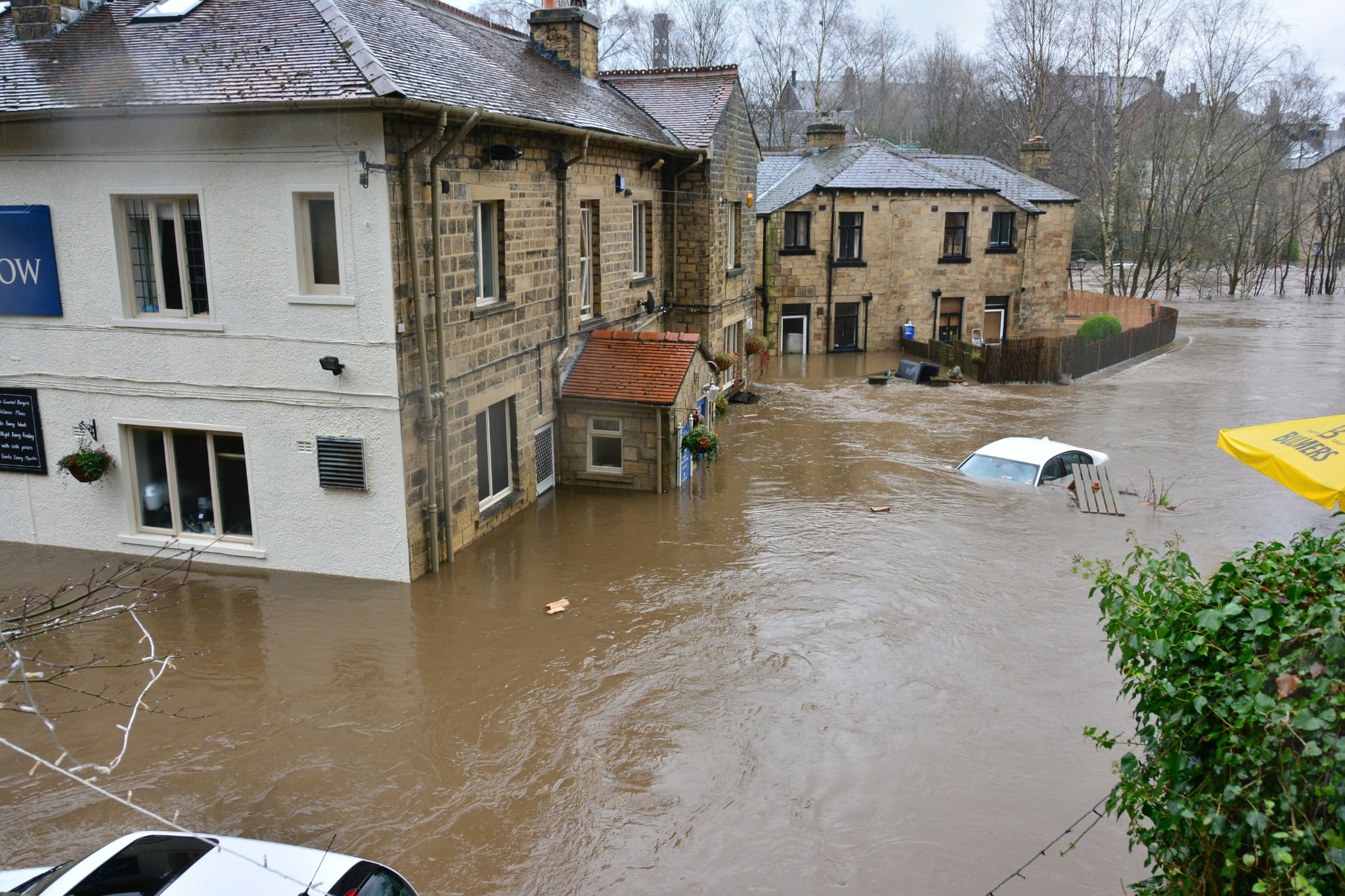
Image Credit: Bernd 📷 Dittrich from Unsplash
Forecasts aren’t encouraging either. While winds have died down, the rain hasn’t. New secondary systems are forming along the Pacific coast, bringing renewed risk of localized flash floods, overflowing rivers, and deadly mudslides. Places like Puebla, Mexico City, and smaller rural towns are still on high alert.
According to the National Hurricane Center, these rain bands could dump 2 to 6 more inches of water across the region in the coming days. Some pockets—especially near burn-scarred hillsides—could see much more.
The Human Cost
This isn’t just a weather story. It’s a human one. People are missing.
Homes are gone. Entire neighborhoods now sit under murky water, windows shattered, roofs caved in. In some towns, dead livestock float past shuttered storefronts. Schools are closed. Hospitals are flooded. Families are sleeping in emergency shelters, not knowing if they’ll have anything to return to.
In Mexico City, which just came out of its wettest June in 21 years, even the Metro Line 8 flooded, paralyzing movement. IMSS hospitals were overwhelmed. Businesses like Downshift Brewing in Ruidoso turned into makeshift shelters. Others watched their livelihoods disappear in an instant.
And yet, the government’s message is mixed. Officials say the worst may be over, but many locals don’t buy it. “They say it’ll stop,” one resident told us, ankle-deep in floodwater, “but the sky hasn’t shut up in a week.”
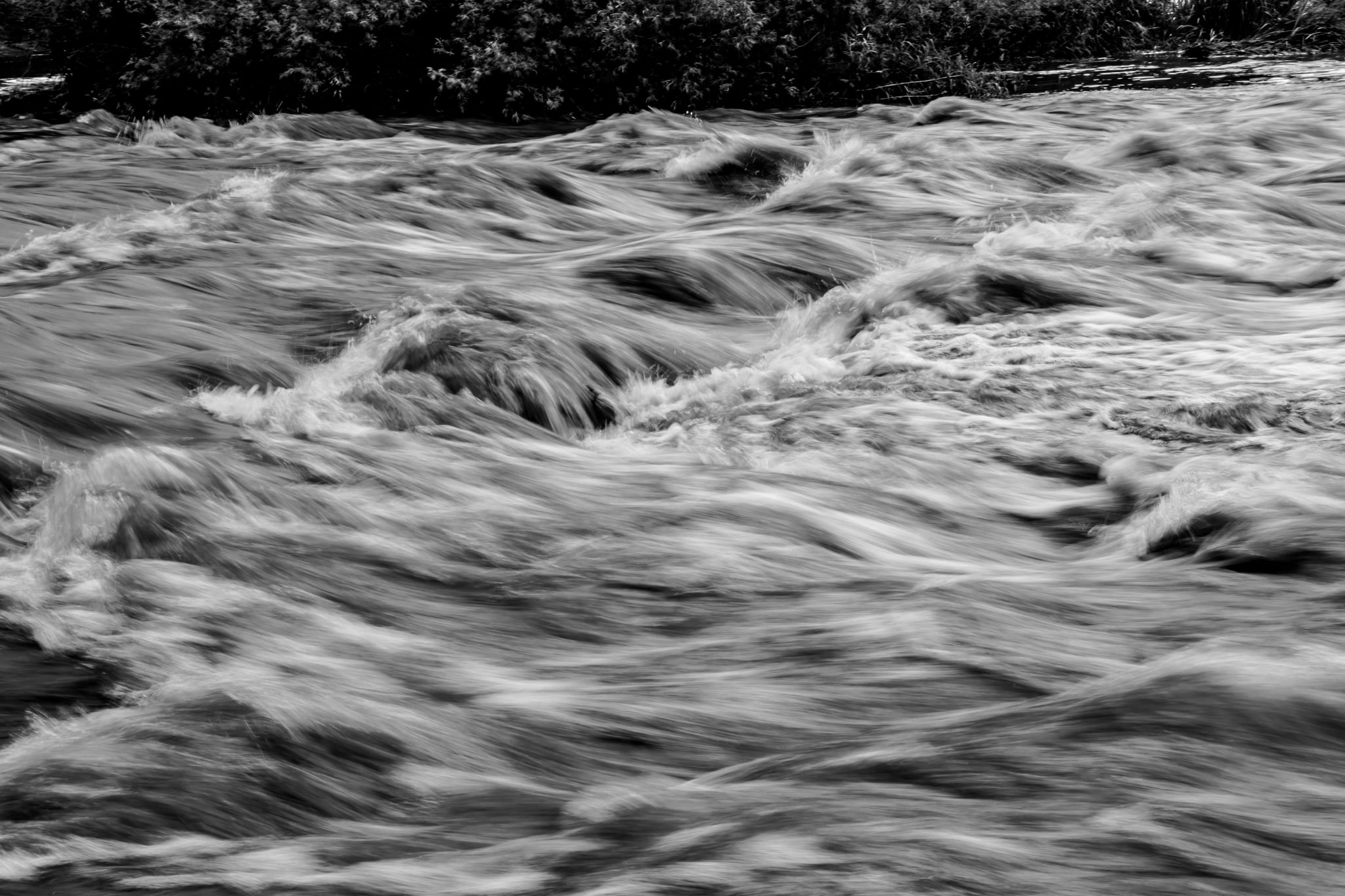
Image Credit: Lukas Hron from Unsplash
Heat, Then More Flooding?
As if things weren’t tangled enough, forecasts warn of heatwaves returning just as the rains may begin to ease. That kind of weather cocktail—scorched ground plus sudden downpours—is a classic recipe for more flooding. And for places like Ruidoso, still reeling from wildfires and now floods, there’s no easy recovery in sight.
What’s worse? The uncertainty. No one’s saying exactly when the flooding will stop.
Models suggest things could ease after the weekend, but storms keep popping up with very little warning. Burn scars stay unstable. And even with clearer skies, the water has nowhere to go.
So What Now?
Communities are banding together. Volunteers are out clearing debris. The Mexican military, emergency crews, and local search and rescue teams continue working around the clock.
Federal aid has been requested. But many say that rebuilding will take months, possibly longer.
In places like Zapopan, Mexico City, and rural stretches of Michoacán, residents are stuck in a cycle of panic, rescue, cleanup, and waiting—for the next storm, for power to come back, for someone to say it’s finally over.
But no one’s saying that. Not yet.



.jpg)