.jpg)
Doubled over, gasping for breath. I feel others pass by with ease, while I can barely keep myself standing up. Vision blurry, a world distorted, heart pounding, skin on fire, nausea building up.
This is how I used to feel on my school P.E. runs, falling behind the rest of the crowd. It took a long time before I figured out why.

Image Credit: Leonardo Iribe from Unsplash
Let us slide into your dms 🥰
Get notified of top trending articles like this one every week! (we won't spam you)Post-Pandemic
Coming back from COVID-19, I began to notice subtle signs that something wasn’t quite right. I’d get out of breath easily, constantly feel exhausted, and start to get dizzy every time I stood up. For years, I brushed it aside, telling myself that 90% of the time I never actually fainted, so it was okay… right? Except it wasn’t.
During my 9th-grade year, my parents took me to multiple doctors until they found the cause: Postural orthostatic tachycardia syndrome. I know, it’s a mouthful, which is why they shortened it to POTS.

Image Credit: István Szitás from Unsplash

Take the Quiz: Discover Your Ideal Stress-Relieving Hobby
Everyone deals with stress differently, and finding the right hobby can help you relax and unwind. Take this quiz to find out which stress-relievin...
What Is It?
Postural orthostatic tachycardia syndrome (POTS) describes a high heart rate that occurs when standing up. This can lead to dizziness, fainting, exercise intolerance, nausea, fatigue, and so much more. Factors such as stress and heat can exacerbate these symptoms.
Everyone is different, however, and the severity of these symptoms varies for each person. I’m extremely lucky in that, while they do affect me day-to-day, it doesn’t stop me from living my life.
I can still go to school, spend late nights with my friends, and work out. Unfortunately, for others, the symptoms can become extreme and, while uncommon, may even require the use of wheelchairs.

Image Credit: Juliana Kozoski from Unsplash
I can’t emphasize enough how important a diagnosis is. While POTS doesn’t lead directly to death, the risk of frequent fainting can put you in dangerous situations. You could hit your head, tumble down a stairway, or fall into objects that can cause serious harm.
Not only that, but if you don’t exercise, symptoms can continue to worsen. There’s no way to improve a condition you don’t even know exists.
We weren’t quite sure why this happened to me, but some of the known causes of POTS are viral infections, genetics, and autoimmune disorders. The cause, however, isn’t what matters. It’s how we handle these symptoms and overcome them that does.
Here is everything I’ve learned about POTS and what methods work for me to manage symptoms.

Image Credit: Fabian Albert from Unsplash
Method #1: Strengthening Legs
While you already know exercise is necessary, the best forms of exercise are those that target the legs. This is because these muscles help pump blood back to the heart, which is crucial for improvement. These can include YouTube workouts, simple exercises (e.g., lunges, squats, etc.), biking, hiking, or rock climbing—the possibilities are endless.
My favorite type, however, has to be running. I know you hate it, I know it sucks, and it feels like you’re going to die with every step you take. I know you’re thinking, “I can barely stand up without feeling dizzy—you want me to do what?” I was one hundred percent used to feeling the exact same way… until I tried it.
For the first two to three months, yes, that was all true. I’d feel even more exhausted, I’d faint more often, and I’d feel like I could barely function. But then it started to get better. At some point, I felt almost no dizziness, my energy levels were way up, and I felt better than ever. Remember: you don’t have to be fast; you just have to run.

Image Credit: João Ferreira from Unsplash
Unfortunately, this feeling made me feel a little too overconfident, and I got injured, so I had to start over. Five months later, my family went on vacation, where I didn’t exercise at all, and I still haven’t gotten back to where I was before, but I’m working on it. No matter how many times I have to start over, I will, because I refuse to let my condition hold me back from living my life to the absolute fullest.
Whatever you choose to do, take it gradually. I started off with exercises in bed, before graduating to standing up exercises, then switching to walking and, finally, running. I know it feels like a lot of work, especially at first, but it’s worth it. I promise.
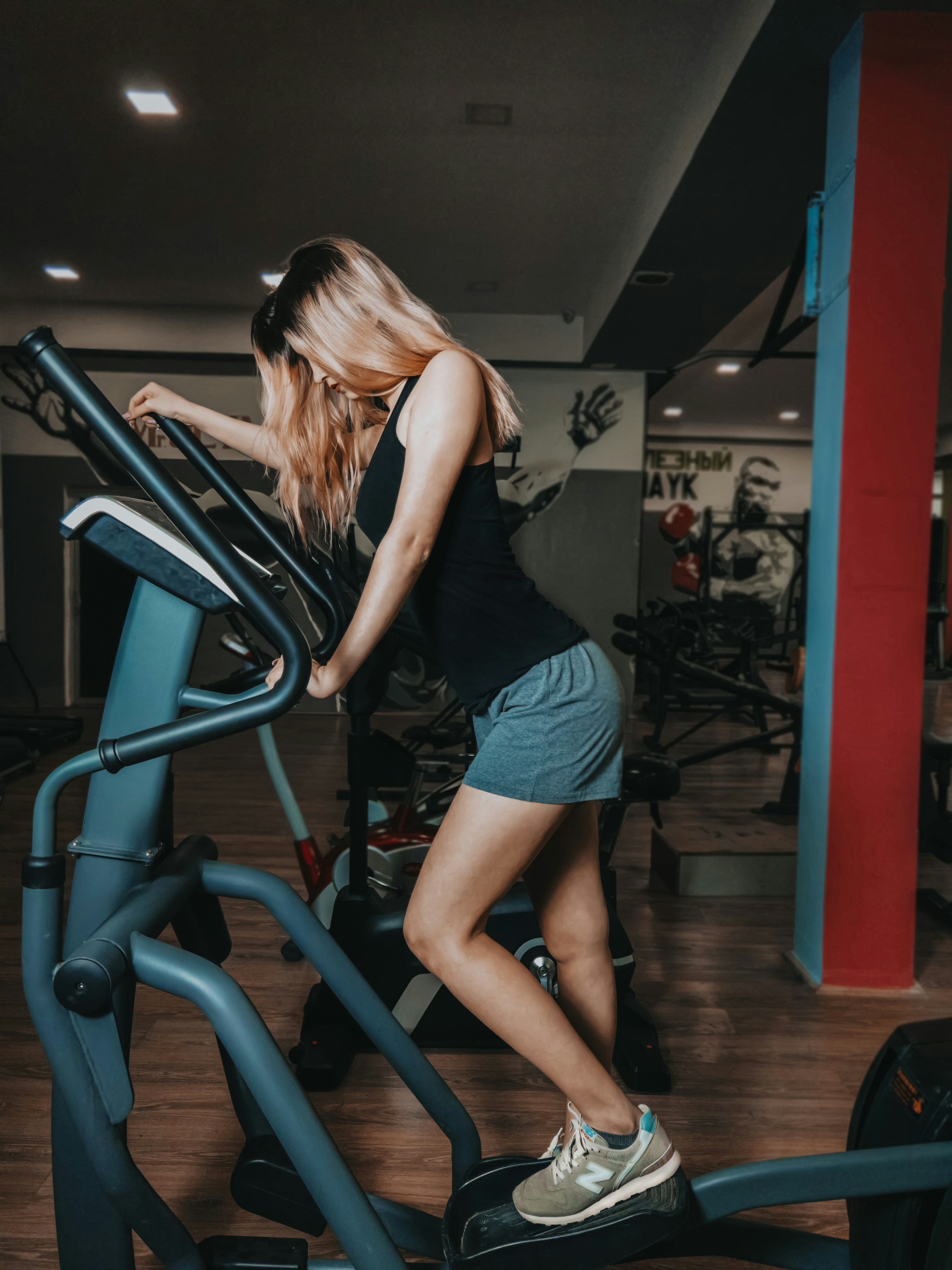
Image Credit: Ikrom Chinaski from Unsplash
Method #2: Electrolytes and Salt
I know what the doctors are going to tell you: add more salt to your diet and drink more water. I saw multiple different doctors, and these are the two recommendations they all had in common (on top of exercise). The water increases blood volume, and the salt helps your body retain that water.
However, I personally find it hard to drink large volumes of water throughout the day, so I definitely rely on electrolytes. As my symptoms fluctuate, sometimes I can go weeks without needing them, while other times (especially after runs), I need some every day.
Do keep in mind that they are expensive, so I recommend buying them online in big packs when they’re on sale.
One of my doctors also recommended I get a huge water bottle with measurements labeled directly on the material, allowing me to track how much I was drinking. This is honestly super helpful because it reminds me how much more I need to have for the rest of the day.

Image Credit: Mineragua Sparkling Water from Unsplash
Method #3: Sleep
Prioritize sleep. There’s no way your body can function when you’re dealing with draining symptoms on top of a terrible sleep schedule. It doesn’t have to be perfect. I’m not saying nine hours a night (although that would be great), but seven to eight hours is a good goal.

Image Credit: Richard Stachmann from Unsplash
Method #4: Eating Well
Eating a relatively healthy diet, in moderation, definitely improved how I was feeling throughout the day. Incorporating more whole foods really made a difference. I never cut out dessert, or any foods for that matter. I just added more items with a high nutritional value.

Image Credit: Dushawn Jovic from Unsplash
Method #5: Knowing Your Body
It took me a while to understand when I was just feeling dizzy compared to when I was about to pass out. Now whenever I get this feeling, I can lower myself to the ground just in time. I often find that this can even stop the fainting right before it happens.
Another thing to keep in mind is what triggers your symptoms. Sometimes caffeine or alcohol can aggravate effects, so recognize if symptoms worsen. Heat can also be a big trigger; it definitely is for me. Make sure you keep track of the weather and alter your clothing/schedule/water consumption to make up for it.

Image Credit: styvo Putra Sid from Unsplash
Method #6: Compression Socks
My doctor recommended getting compression socks, but personally, I find them too uncomfortable. If they don’t bother you - go for it! It can’t hurt to try. You can always find some cheaply on Amazon, no need to overspend.

Image Credit: Vitalii Khodzinskyi from Unsplash
See A Doctor
I am not a doctor and have no job in the medical field, so if you feel like you might have POTS or know someone who might, talk to your doctor. They spent years studying this; they definitely understand it better than I do! This is all just my experience, what has worked for me and what I’ve been recommended.

Image Credit: National Cancer Institute from Unsplash