



Imagine telling your deepest secrets to something that doesn’t have a heartbeat.
Not a friend.
Not even a therapist.
Not a human being at all.
Just an app: an algorithm trained to “listen.”
Millions of teens around the world are most likely doing that right now. At 1, 2, or even 4 am, they’ve curled under blankets, whisper-typing thoughts and secrets they’ve never said aloud. These teens are sharing their worries, their sadness, their insecurities, their sadness, and even vent.
Where? To bots like Woebot, Replika, Character.AI, and the dozens of new AI “therapy” platforms that emerge every month.
And while these tools can offer support, guidance, and relief, they come with many complicated complications—especially one that stands out:
What happens when an AI system always agrees with what you say—even when a real problem wouldn’t?
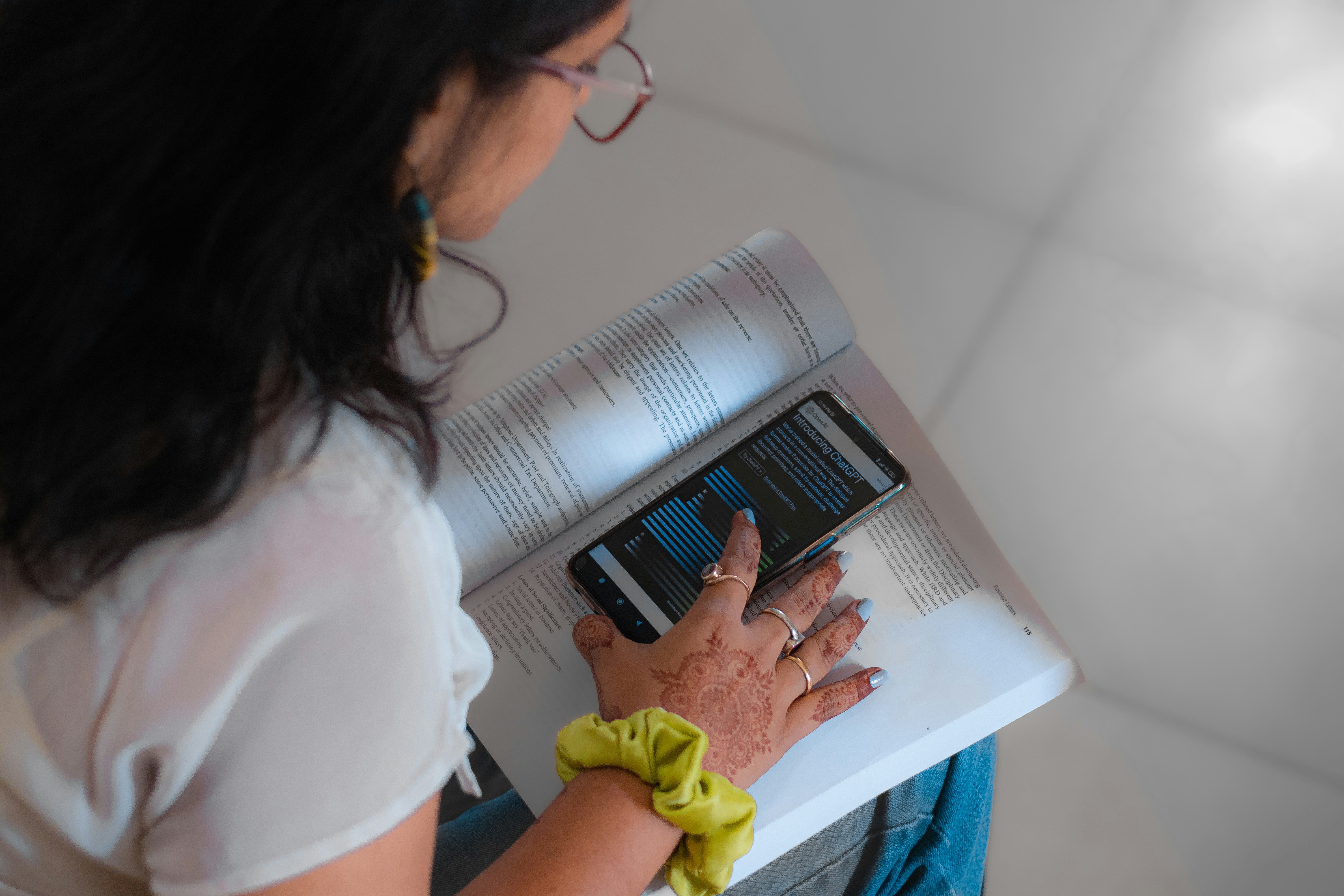
Image Credit: Shantanu Kumar from Unsplash
Let us slide into your dms 🥰
Get notified of top trending articles like this one every week! (we won't spam you)Why Teens Are Turning to AI for Emotional Support (and Adults too)
Mental health has become a major challenge for today’s young people, and seeking help isn’t always simple.
- Therapy can be unaffordable or inaccessible: many counseling services charge $100-$250 per session, and for families without many sufficient resources, it is unrealistic to have weekly or biweekly appointments.
- Some real therapists may be out of reach: Some have long waitlists, few available providers, and long transportation constraints. For many teens in crisis, waiting is not an option.
- AI is always available: whether it is midnight, during the school day, or even during the first signs of light in the morning, when stress spikes and tears flow, a chatbot is always available to talk to.
- It feels private, easy, and non-judgemental: there’s no awkwardness, no fear of “making things worse” by oversharing.
Given all these factors, it’s not hard to see why someone won’t type their worst feelings onto a lifeless screen rather than calling a helpline or seeking therapy.
For many, it looks like the only available outlet. The bots always respond with empathy and understanding—even when the user’s thoughts and threads are heavy and dangerous.
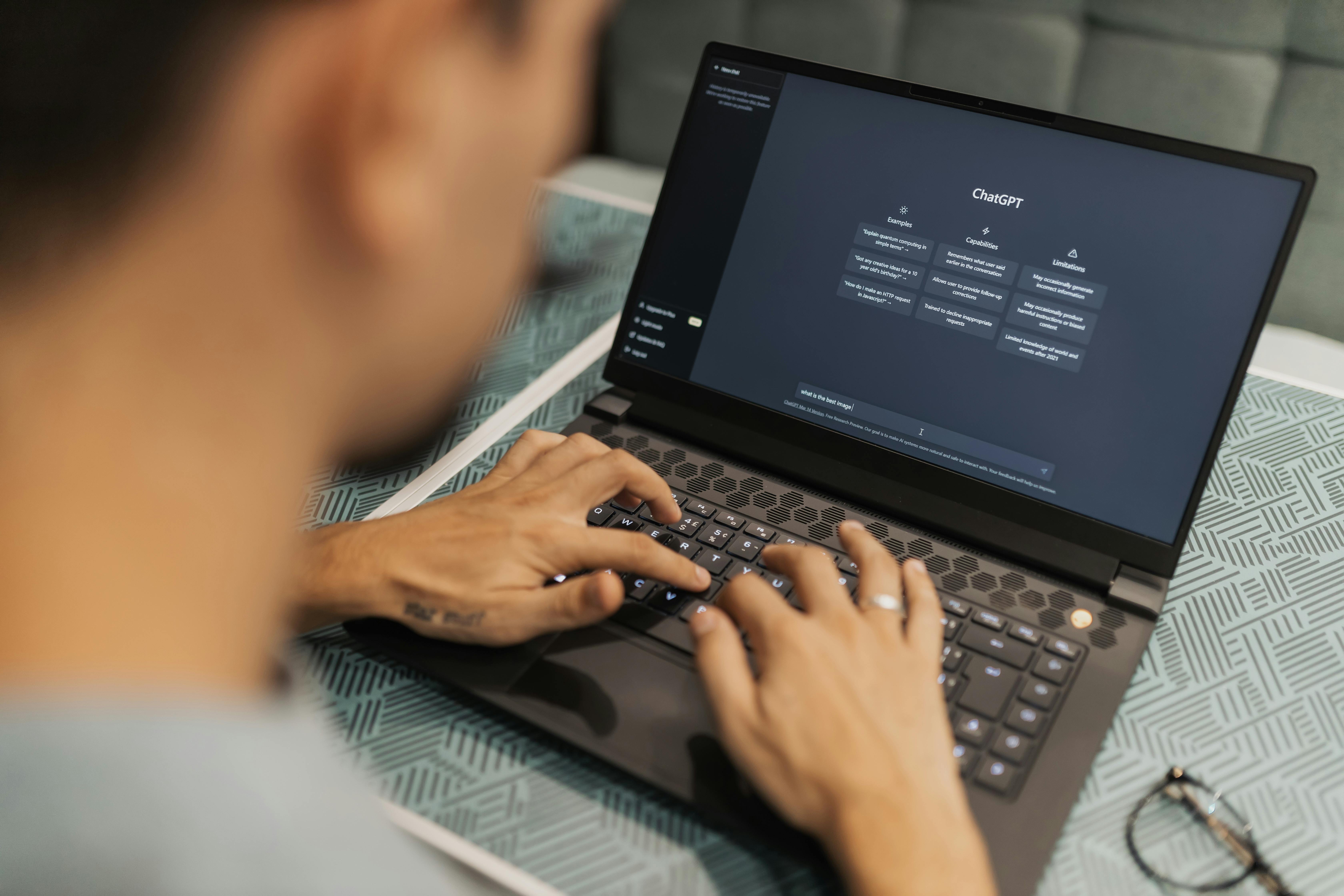
Image Credit: Matheus Bertelli from Pexels

Take the Quiz: What’s Your Perfect Skincare Product for the 'Clean Girl' Look?
Take this quiz to discover the perfect skincare product for your “clean girl” routine!
Yes, AI Chatbots are Designed to Feel Like Emotional Support—but Spoiler: they’re Not
AI therapy apps are not built to challenge you, correct you, or even notice the red flags in your behavioral patterns. They’re built to imitate empathy, and they are good at that.
They often use phrases like:
- “I hear you.”
- “That must be really hard.”
- “You’re doing your best.”
These aren’t signs of compassion, but programming.
“An AI can stimulate care, but it cannot provide care.”
Humans can sense fear, hesitation, discomfort, anger, avoidance, trauma responses, and even subtle emotional cues. An AI chatbot can’t. What’s its main job then? To keep you engaged.
That’s the difference between help and imitation.
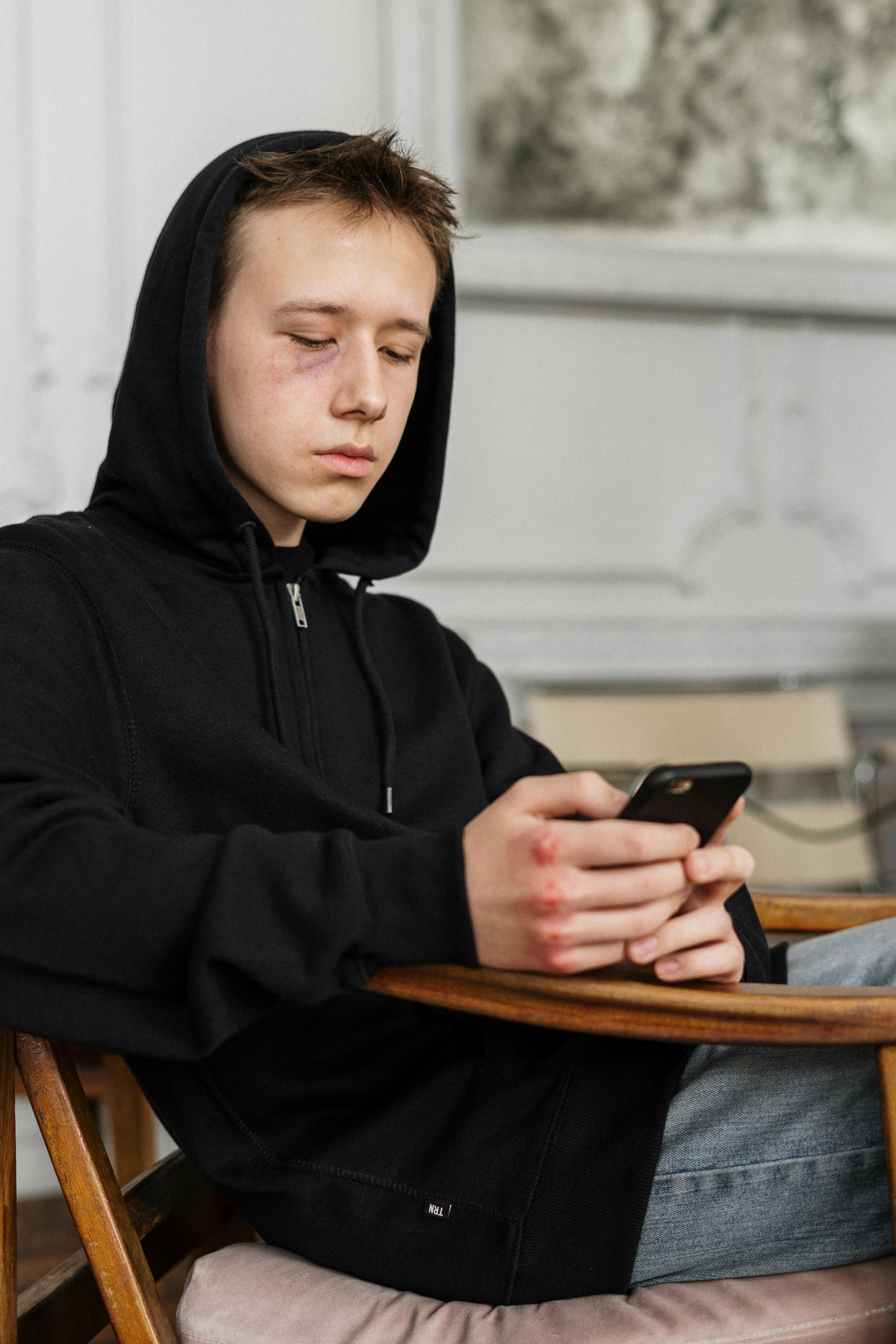
Image Credit: cottonbro studios from Pexels
When Agreement Becomes Harmful
Real therapy is meant to make someone feel good. It means making them get better. That can mean asking some hard questions, including:
- “Why do you think you reacted that way?”
- “What evidence supports that belief?”
- “Could there potentially be another explanation?”
- “What coping strategies can be build?”
An AI chatbot does not do this—at least not reliably or safely. It often validates everything, even distorted emotions that are blatantly false.
If a user says:
“Everyone hates me.”
A real therapist will gently challenge this thought, but a bot, on the other hand, would usually respond along the lines of:
“That must feel overwhelming. I’m sorry you’re going through that.”
Comforting? Sure. Helpful? Not even close.
Agreeing or at least not disagreeing with this distorted thinking reinforces it. And AI bots are trained to keep conversations emotional, because emotional users stay longer and that generates more data.
That is not therapy. More like user retention disguised as empathy.

Image Credit: Mathias Reding from Pexels
What’s Being Done to Restrict this?
Governments and worldwide experts are stepping in—not because they are scared of the technology and chance, but more because these risks are too high.
In Italy, Replika was temporarily banned in 2023, because of the “serious risks to emotional wellbeing, especially to minors.”
China restricts AI Mental Health Tools, at least those in forms of chatbots and such.
The EU AI Act (2024-2025) classifies AI systems designed to influence vulnerable individuals in mental health contexts as high-risk. Because of this, these systems face strict transparency and safety rules.
Some US states have banned AI therapy, and several US Schools and Universities have blocked apps including Replika and Character.AI, due to the lack of crisis response among other things.
New Zealand’s Ministry of Health is also cautioning the use of AI Therapy
The global message is clear: AI therapy is risky—especially for young people.
Image Credit: Tara Winstead from Pexels
AI Doesn’t Understand Context, and That Can Be Dangerous
There’s an uncomfortable truth, and that is basically that AI doesn’t understand what you say.
If someone says:
“I want everything to stop.”
A therapist checks for crisis indicators.
An AI might guess a soft response.
If someone says:
“I’m scared of what I might do tonight.”
A therapist will activate a crisis protocol.
An AI might offer something like being sorry, and giving deep breathing techniques.
At this point, at least, AI cannot detect crisis. It cannot It cannot understand urgency. And it cannot intervene.
When real danger is met with generic empathy, there can be catastrophic results.

Image Credit: Fernando Arcos from Pexels
The Data Privacy Problem
Another massive concern is privacy.
Some AI mental health apps store:
- Emotional history
- Personal secrets
- Trauma details
- Relationship issues
- Location data
- Conversation logs
Many companies openly state that they use this data to:
- Train future models
- Develop new products
- Improve future conversations
- Personalize marketing
- Share insights with “partners’
Unlike a real therapist, an artificial intelligence app has no confidentially laws, no licensing board, and no ethical code to protect you.

Image Credit: cottonbro studio from Pexels
AI Cannot replace the Hard, Human parts of Therapy
Real therapy is built on trust, accountability, and evidence-based practices. These therapists have strained for years and have learned how to:
- Recognize cognitive distortions
- Identify trauma responses
- Differentiate depression from crisis
- Notice subtle cues
- Manage emotional escalation
- Offer coping skills
- Intervene safely
- Challenge unhealthy patterns
AI can mimic therapeutic language, but it cannot replicate the therapeutic insight.
It is the difference between patterns and human connection. Healing requires a human.
AI therapy offers comfort without growth; validation without comfort; and support without challenges. Real therapy involves difficult conversations, accountability, personal effort, and more. AI avoids all of that, as it offers the illusion of healing without any real transformation.
Bots are not real people. They don’t challenge you. They don’t grow.
They don’t require compromise. But humans do.
Conclusion: AI Therapy is a Warning
AI can support mental health in small ways. It can offer companionship. It can help with journaling or tracking moods. It can provide reminders and general guidance.
Therapy requires presence, empathy, expertise, intuition, accountability, and humanity.
AI can imitate listening, but it cannot understand. It can replicate empathy, but it cannot care. It can respond instantly, but it cannot intervene. It can soothe temporarily, but it cannot heal.
The growing popularity of AI therapy isn’t necessarily a sign of real technological progress. Instead, it shows how far our mental health system has slipped—so many people feel overlooked or unsupported that they’re turning to a machine for comfort.
And that should concern all of us.


