





I was a 16-year-old kid when I suddenly couldn’t function the way everybody expected me to. I was not skipping school to slack off or skipping work because “I did not feel like working.” Fatigue was not an emotional equation that needed to be worked through or took an amount of rest that six to eight hours of it could cure. My brain was constantly clamoring for attention, my body weighed me down, and performing the smallest tasks was a hundred times more difficult than they ought to have been.
But when I explained the situation to people around me, the only word that everybody seemed to associate with the situation was lazy. From teachers to adults to peers, everybody figured that I was losing the ability to discriminate and was just trying to slack off. But the truth is that nobody seemed to associate me with the onset of burnout because, clearly, teenage kids were too immature to feel tired.
Let us slide into your dms 🥰
Get notified of top trending articles like this one every week! (we won't spam you)When Burnout Gets Misread as Laziness

Image credit: Karolina Grabowska from Pexels
It's not that teen burnout is the same as adult burnout either physically or behaviorally and this is part of our problem as well! Adults conceive of burnout as something that comes at the end of four decades of work and dedication to building our career – not at the end of four years of school pressure to perform well academically – no breaks here! And instead of trying to understand what the problem is, most adults immediately jump to what we call “consequences." Burnout is “a syndrome conceptualized as resulting from chronic workplace stress that has not been successfully managed,” according to the World Health Organization, yet the stress model is almost identical to the classroom model: “Burn-out is characterized by feelings of energy depletion or exhaustion.” Kids are juggling school, expectations, family demands, social lives, social media—yet coping mechanisms have yet to fully develop.
Labeling their condition as laziness is misunderstanding the fact that many of these kids are burning out on every level. If one is burned out, their brain is functioning on the lowest level of production because of exhaustion, not apathy.


Take the Quiz: What's Your Hidden Personality Trait?
This might expose you a little...
Why So Many Teens Turn to Self-Diagnosis Online

Image Credit: Pavel Danilyuk from Pexels.
If the media attention is not coming from an adult, then he is looking elsewhere. This is where the existence of TikTok, Instagram, and Google comes in handy. Contrary to popular believes, the teen is not looking for media attention.
What the teen is doing is an attempt to make sense of the situation. Like getting the breath of fresh air after reading about the situation and finally making sense of it. “Adolescents often seek mental health information online due to lack of access to professional care or fear of stigma.” That is a major part of why it is so important to feel validated when people do try self-diagnosing. Yes, self-diagnosis is problematic because misinformation is rampant and terms do not always apply—again, no one is perfect—yet self-diagnosis is not an accident; it is an act. An act of not being listened to. So, instead of ridicling and belittling young adults for seeking to “learn psychology from TikTok,” adults need to consider why these people feel more comfortable attacking their screen than their surroundings. These people have turned to the Internet and its ability to act as a support system for them when none exists for them in real life—not because they’re irresponsible, but because they’re desperate to understand their suffering.
The Emotional Cost of Not Being Taken Seriously
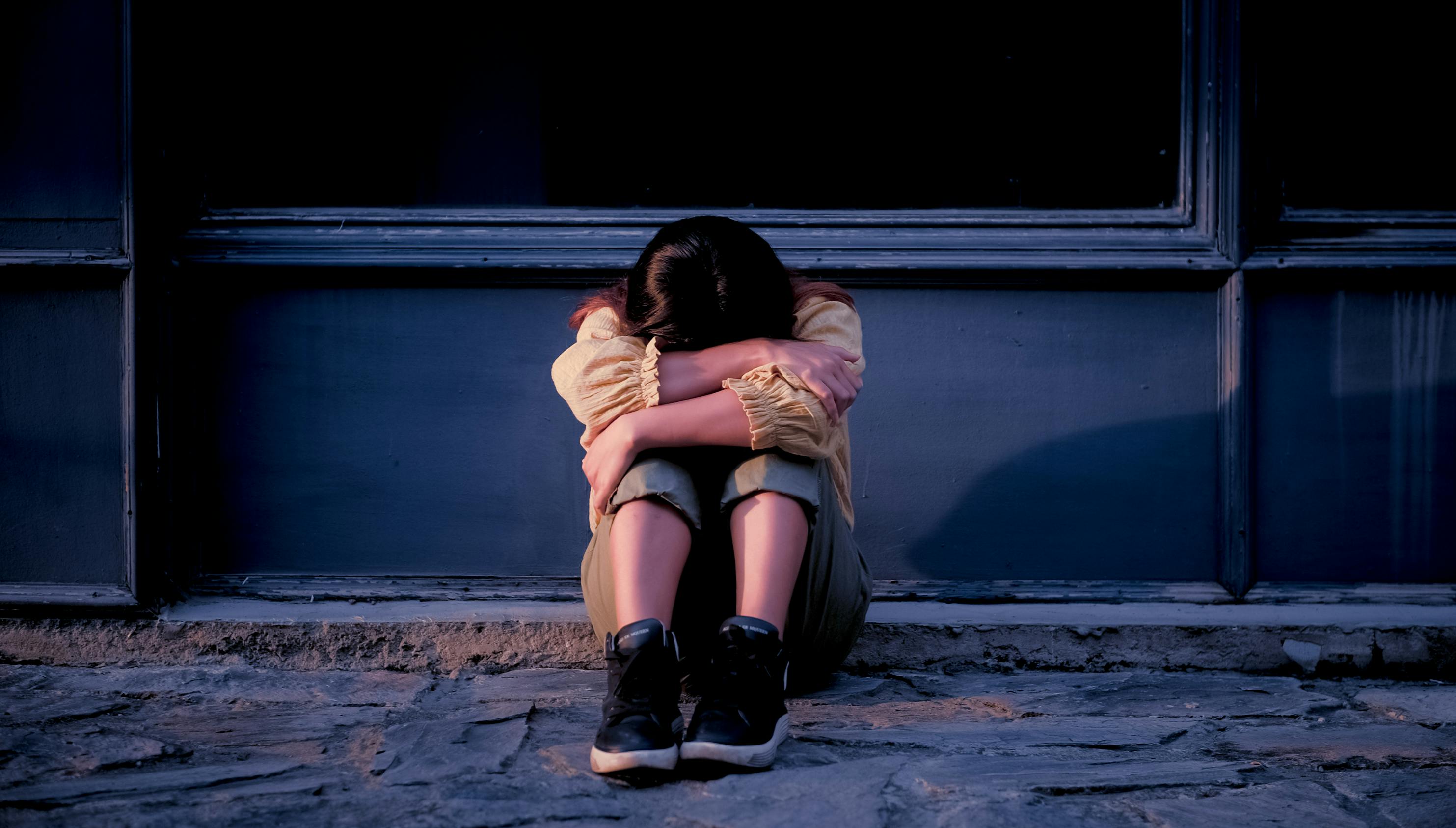
Image Credit: JangJ Atthaniti from Pexels
Being let down isn’t really helping the timeline of when people will start to receive aid, as the effects of being let down also fundamentally affect the manner in which teen-agers view themselves as individuals. If people enrich their self-image by being constantly censured as being lazy, weak, or overly emotional, then they start to live up to the expectations fed to them. They strive to be their best, push through their limits, while simultaneously wallowing in guilt regarding their failures.
Studies conducted by the National Institute of Mental Health have documented the following: “Untreated mental health problems in adolescence are associated with poorer educational outcomes, increased risk of substance use, and long-term mental health disorders.” There is just so much burnout occurring in the lives of teen-agers today, yet due to the fact that nobody is paying heed to these measures of emotional exhaustion, people now find themselves plagued by anxiety, depression, or emotional apathy. Still, the irony of the situation is the fact that people demand to see teen-agers as being “resilient,” yet nobody is helping those teen-agers develop the tools necessary to cope effectively.
Ultimately, I wasn’t lazy, and many teens being labeled as lazy these days are not lazy. Burnout is a reality at 16 years old, and playing ignorant to this reality only serves to further drive these youths deeper into a state of unheardness. It’s not about adolescents needing a lecture on responsibility nearly as much as these youths need a listener who’s genuinely willing to hear.
We will only develop a healthier generation of youths capable of more than what’s expected of them when we stop negating their state of burnout and start posing more meaningful questions to them. Possibly more than anything else, a very responsible act on a teenager’s part is acknowledging that they’re not okay — and what’s least expected of us is to actually believe them.
