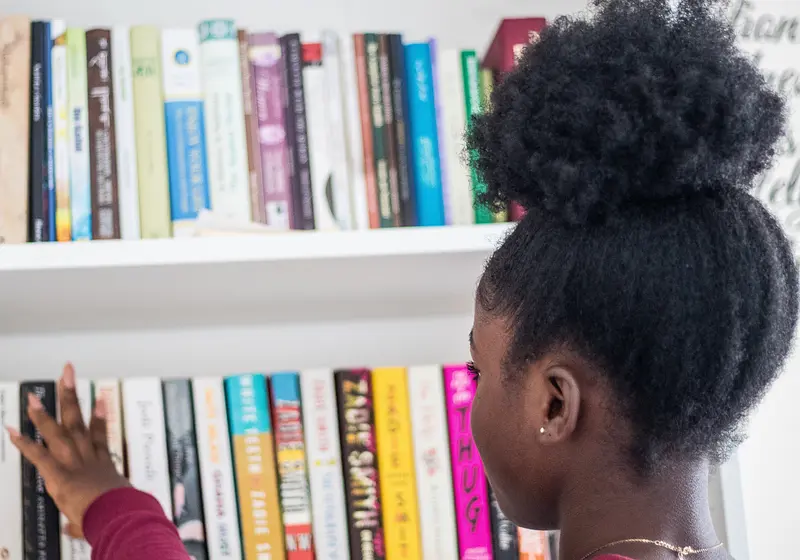


By now, it's well-known that TikTok contains a world of smaller communities, where fans of a particular topic or media can congregate and connect. One of TikTok's most popular subcommunities is BookTok. The hashtag has over sixty-six million posts, and many creators have accumulated hundreds of thousands of followers simply by posting their bookish thoughts and recommendations.
A study by Publishers Association polled 2000 16-25-year-olds and found that 55% of respondents turn to BookTok when they need a book recommendation. This figure highlights the massive influence TikTok's digital community is having on twenty-first-century reading culture, particularly amongst young people.
But is this influence positive or negative? Let's begin by examining its negative impact.

Image Credit: Gariev from Unsplash
Let us slide into your dms 🥰
Get notified of top trending articles like this one every week! (we won't spam you)The Tropification of Reading
TikTok's algorithm relies on hashtags, captions, and sounds to curate recommendations for its users. As a result, many creators optimize their videos by including relevant phrases and words in their content. It's common for books to be discussed in terms of the tropes they contain. Some BookTok favorites include enemies-to-lovers (#enemiestoloverstrope has 1.5M posts), found family (#foundfamily trope has 223.7k posts) and slow burn (#slowburn has 259.8k posts).
Increasingly, bookshops are leaning into this trend, creating displays organised entirely around tropes like fake dating and love triangles. Even authors are being influenced, with some marketing their books around tropes. This was recently seen following the popularity of Fourth Wing, with many users finding their For You page swamped by an influx of dragon-related enemies-to-lovers recommendations.
Although at first glance, categorizing books by tropes may seem harmless, it's important to consider the ripple effect on literature and reading culture. For many readers, literature's appeal is its ability to explore social issues and foster empathy. When these elements are sidelined in favor of easily marketable tropes, it's worth considering what this means for the quality and depth of contemporary reading culture.


Take the Quiz: Which Harry Potter Character Are You?
Find out which character matches your personality!
Overconsumption
The sea of content available on TikTok means that in order for a video to be well-received, it needs to be both visually and aurally appealing. It's no longer enough to talk about a book – you need a shiny special-edition which stops viewers in their tracks and compels them to watch.
Some may argue that this isn't inherently harmful; after all, buying books supports authors and publishers in a time when the digital world is increasingly threatening the publishing industry. However, this growing consumption raises questions about whether reading is becoming dangerously tied to materiality.
Associating literature and reading culture with physical consumption also runs the risk of alienating those who read through digital means and libraries. BookTok encouraging overconsumption has a knock-on effect on accessibility and inclusivity within the reading community.
BookTok Rules / Cliques
All communities, physical and digital alike, inevitably end up with rules. BookTok is no exception. The popularity of certain books over others results in unspoken rules about which books are acceptable to like and dislike.
Sarah J. Maas is one author whose series, A Court of Thorns and Roses, has a cult following. This is clearly seen in a video video user piasreadz made, which features the caption 'god forbid a girl make a 3-min video on the decline of fantasy books I’ve seen/read. Now I got all the SJM girlies mad, being called an elitist and problematic, and people putting words in my mouth’.
Social media is notorious for amplyifying groupthink and herd mentality in its users. However, discourse and debate have always been central to reading culture. As such, it's important to ensure BookTok remains a space where readers feel free to express their subjective opinions without fear of backlash.
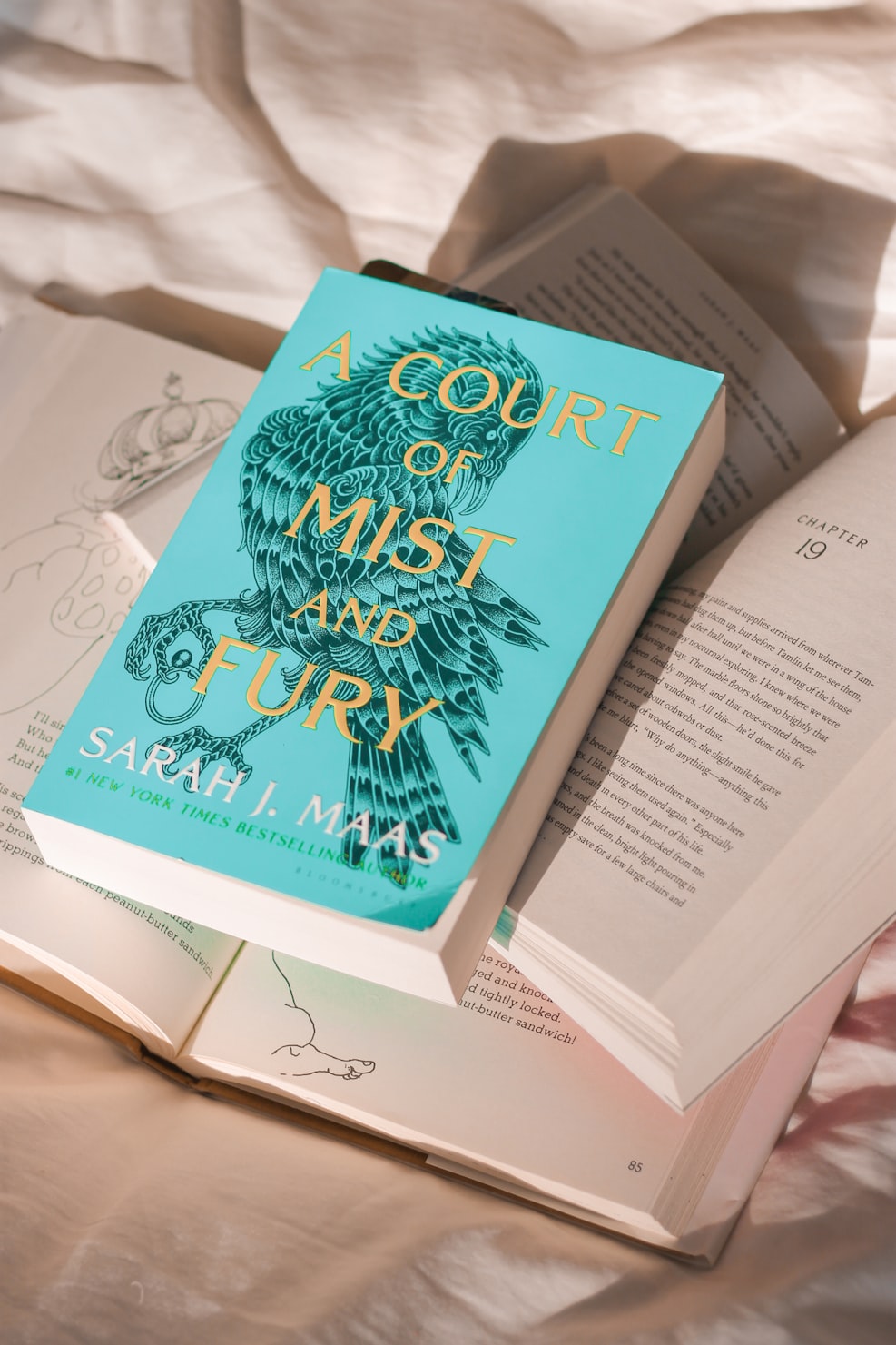
Image Credit: Douglas from Unsplash
Now, let's turn to examining how BookTok is positively impacting modern reading culture.
Fostering Community
Before social media, reading often felt like a solitary pastime. The birth of digital spaces like BookTok has transformed reading into a communal experience, where people can connect over the books they love despite being separated by time and geography.
In the decade or so before BookTok, there were concerns about whether reading as a hobby was declining. However, in the past few years, the number of bookshops has increased in both the U.S. and the U.K. British chain Waterstones has outright credited TikTok with helping to popularise reading. It's evident that by enabling reading culture to become a more collective experience, BookTok has, in turn, bolstered reading's popularity.
Connecting Readers and Authors
BookTok is a community inhabited by readers and writers alike. It's become increasingly common for authors to join TikTok, answering Q&As and engaging in their comment sections.
Whereas before, readers could only access authors through paid events like panels and meet-and-greets, they're now able to connect with writers with a few clicks on their phones.
This shift has made the literary world feel more accessible, allowing readers and writers to connect more closely than ever.
Helping Underrepresented Authors
While it's true that the tropification of reading means that it's common for a particular type of book to be promoted, it's also true that BookTok offers a space for a more niche, diverse range of books to gain attention.
Publishing is widely acknowledged to be a tricky industry to navigate, often requiring money and connections to break into. BookTok offers an opportunity for authors to take matters into their own hands and directly market their books to readers. Books that may've been refused publishing, or undermarketed due to their niche or risky subject matters, now have the chance to connect with target audiences.
As a result, reading culture has the chance to be richer and more diverse, connecting readers to books they wouldn't otherwise discover if not for BookTok.
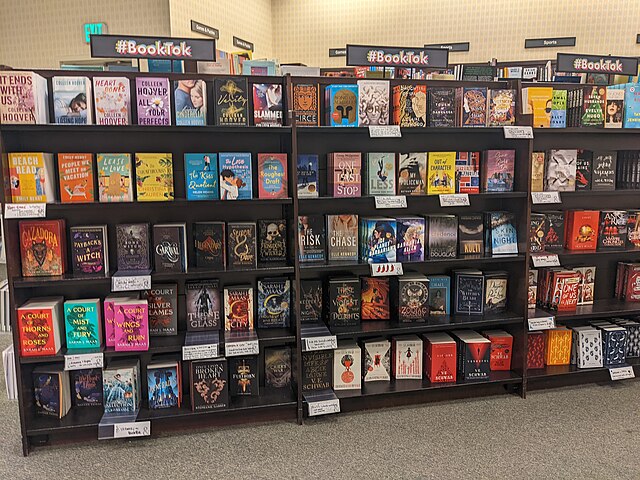
Image Credit: Cory Doctorow from Wikimedia
As with all forms of culture, it's clear that reading culture has changed immensely in the second and third decades of the twenty-first century and will continue to do so.
Whether BookTok's influence is ultimately positive or negative is a matter of personal interpretation. What matters is recognising both its strengths and limitations, and using the platform in a way that enriches, rather than diminishes, our engagement with books.