



When it comes to climate change, sea level rise is widely regarded as one of its most destructive impacts. Sea level rise and its related problems have the capability to displace hundreds of millions of people from their homes, flood major cities across the globe, cause volcanic eruptions and earthquakes, change the global climate, increase marine jellyfish populations, decrease fish populations, and threaten the very existence of many coastal species. 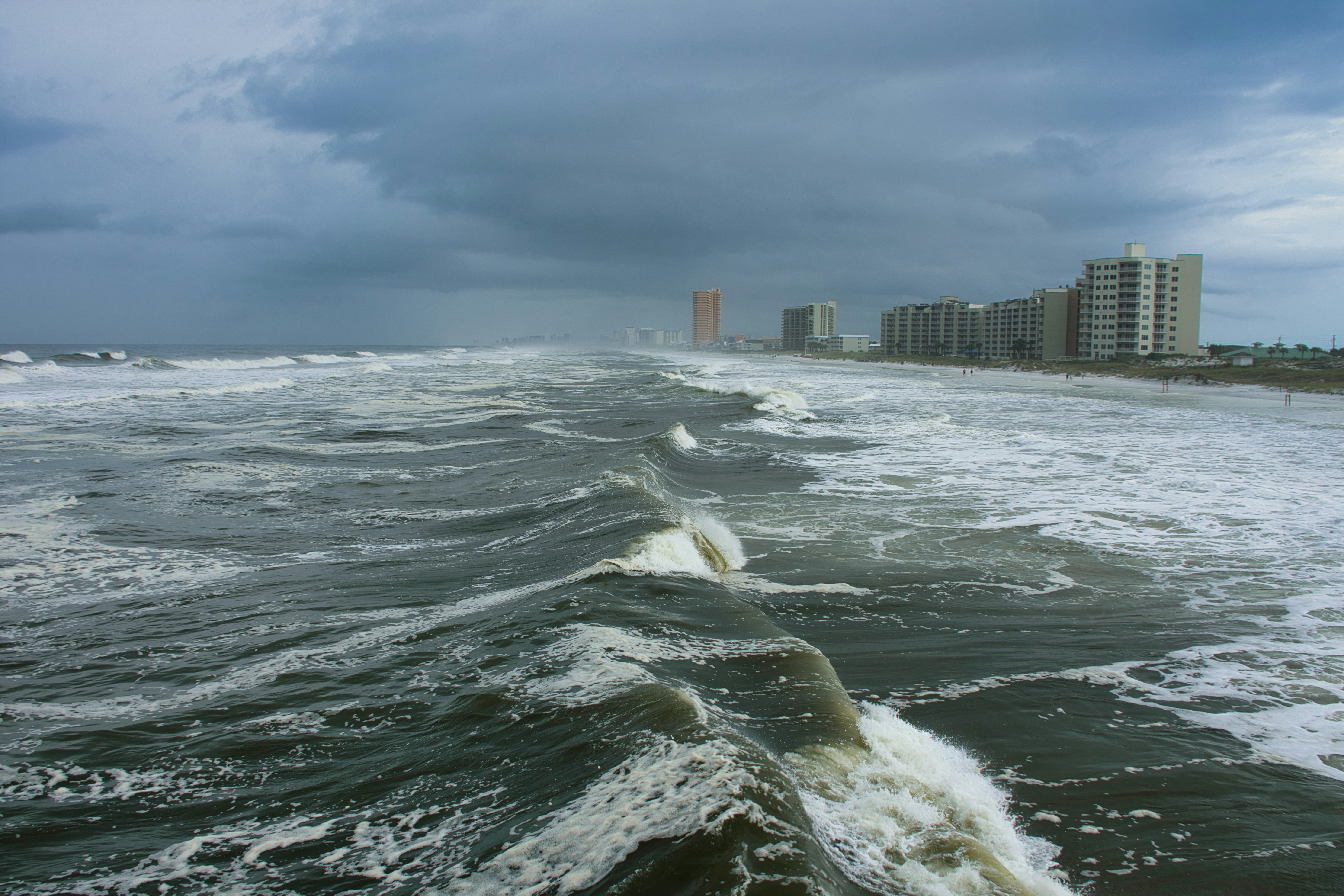
Image Credit: Craig Cameron from Unsplash
The question is, how much are the oceans actually predicted to rise? If the world rises in temperature by 4 degrees Celsius, the world’s oceans would also rise by 1.3 to 1.6 metres by the end of the century. Under a much more likely and optimistic scenario, the oceans would rise by 56 centimetres under a 2 degrees Celsius temperature rise.
However, these scenarios only play out until 2100. After that point, global sea levels will continue to rise. How fast they rise and by how much really depends on what the world does now in the next few years. With a 2 degrees Celsius rise in temperature, irreversible collapse of the Greenland and West Antarctic ice sheets might occur which would cause sea levels to rise by as much as 40 feet. Luckily, the collapse would likely take place over the course of millennia.[3] Even so, this does not mean that today’s generation will not be severely impacted by sea level rise. Not even close.
If the world rises in temperature by 1.5 degrees Celsius, rising sea levels will impact the homes of some half a billion people. If warming reaches 3 degrees Celsius, more than 800 million people would live in areas below the high tide line considering current population distribution. In the US by 2100 at the latest, up to 60% of people living in oceanfront areas on the East Coast and Gulf may experience chronic flooding. Cities worldwide including Bangkok, Amsterdam, New Orleans, Manila, London, Hamburg, Dubai, and many others will all be afflicted by sea level rise. In fact, eight of the world’s ten largest cities will experience substantial flooding and storm surges even under the mildest climate change scenarios. Entire countries could be severely threatened such as the Maldives and Kiribati. With the current predicted amounts of sea level rise, as many as half of the world’s beaches could disappear by the end of the century with some shorelines retreating inland by as much as 330 feet (100 metres).
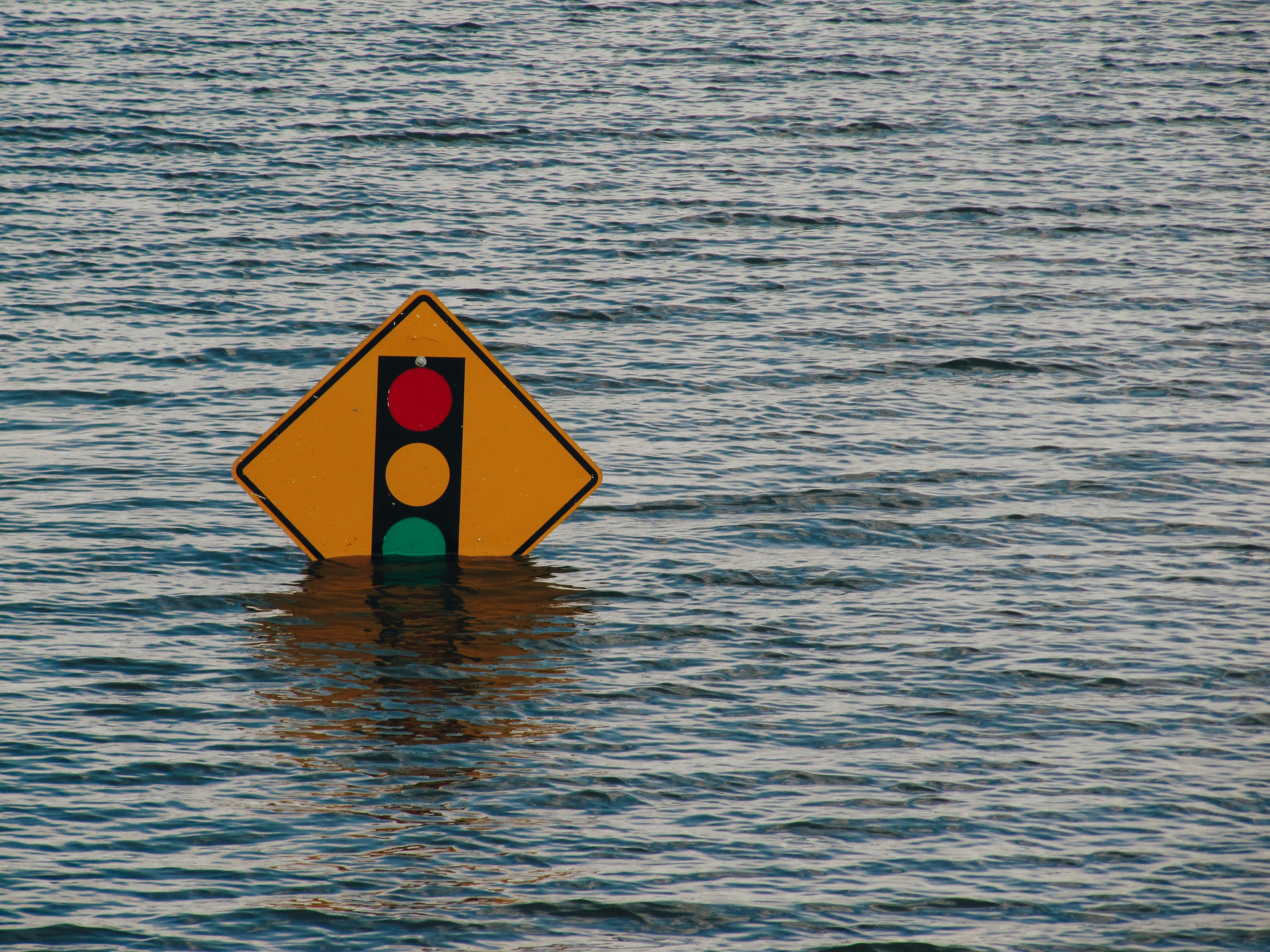
Image Credit: Kelly Sikkema from Unsplash
Let us slide into your dms 🥰
Get notified of top trending articles like this one every week! (we won't spam you)Causes of Sea Level Rise
But first, what is causing this sea level rise? A large part of it is due to melting sea ice. Right now, it is estimated that Antarctica is losing 150 billion tons of ice each year with Greenland losing much more at 280 billion tons each year. This is accompanied by the fact that summer Arctic Sea ice is retreating by 12.6% each decade and the Arctic’s first ice free summer may occur by 2030. However, melting sea ice is only half of the issue.
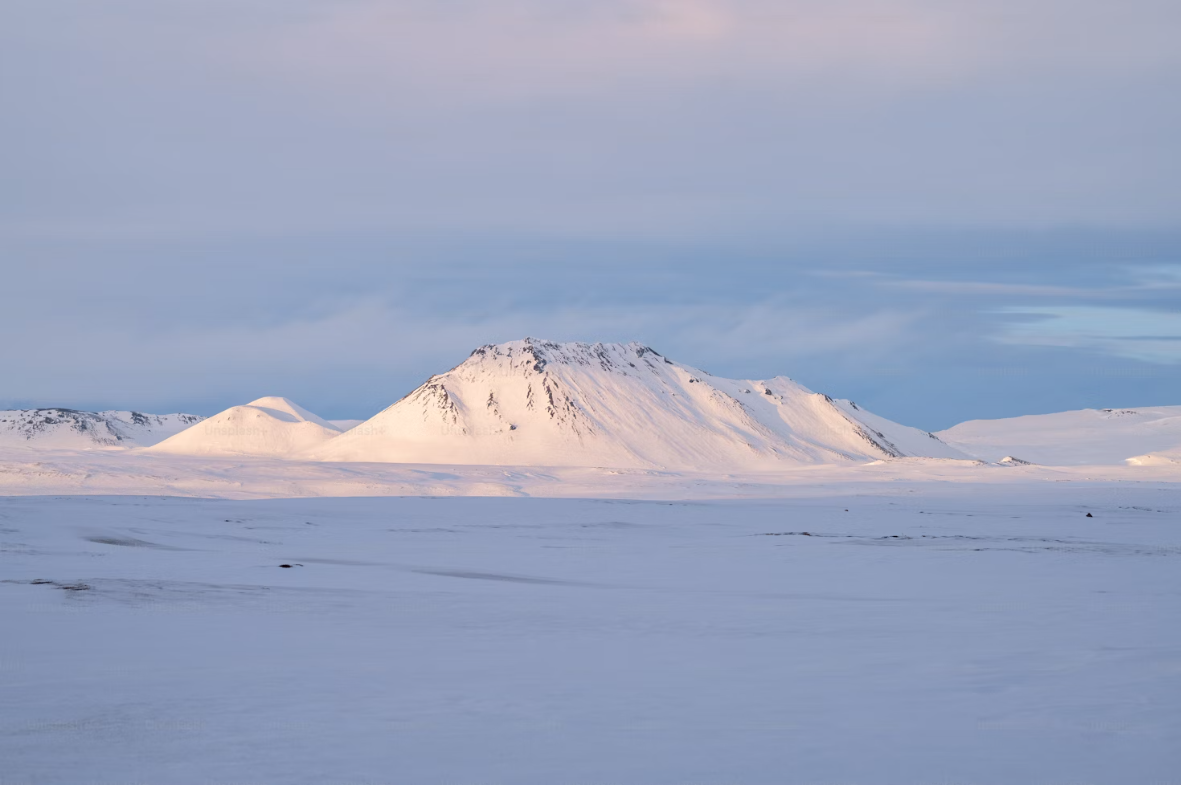
Image Credit: Unsplash Community from Unsplash
The other half of the problem is thermal expansion. As the world warms as a result of climate change, the water in the world’s oceans expand. Currently, sea levels are rising by 0.14 inches each year and thermal expansion is contributing to half of that yearly rise.
Thermal expansion does not just increase sea levels though. Warmer ocean temperatures are also intensifying hurricanes. Already since 1975 the number of Category 4 and 5 hurricanes has increased by 25 to 30% and global temperatures have only risen by 1.1 degrees Celsius. Under 2 degrees Celsius, the number of those hurricanes are expected to increase by a further 13%.
However, the most insidious effect of sea level rise is ocean deoxygenation. Also caused by increasing ocean temperatures, ocean deoxygenation follows the principle that warmer water holds less oxygen. Worldwide, ocean oxygen levels have on average gone down by 2% between the years 1910 and 1960. That may not seem like a lot but in certain areas oxygen levels have gone down by as much as 40%, which is not at all a small amount. Tropical regions have been the most heavily impacted by oxygen depletion. This bad news for many ocean creatures including tuna which generally rely on lots of oxygen in the water to survive. As a result, these animals and many others will be driven out of areas with little oxygen. To replace them, populations of jellyfish will likely increase and take over these oxygen deprived zones. Jellyfish have a wide surface area allowing them to absorb more oxygen; and while they do thrive in oxygen-rich areas they can also survive easily in oxygen deprived ones.


Take the Quiz: Do You Know Gen-Z Slang?
Take this quiz to see if you're updated on the latest Gen-Z slang!
AMOC
Climate change can and already has weakened the AMOC and the Gulf Stream. The AMOC is an acronym for the Atlantic Meridional Overturning Circulation which circulates cool and warm water around the Atlantic Ocean. If the AMOC and Gulf Stream (which is part of the AMOC) weaken enough, it will have disastrous affects worldwide.
Evidence that the AMOC has weakened in modern times is uncertain but it is quite possible that it has weakened by as much as 15% since the 1950s. The Gulf Stream has weakened by 4% over the last forty years. A severe weakening of the AMOC would be disastrous because even a slight weakening of this essential current can cool parts Europe; change rainfall patterns in parts of Europe, South America, and Africa; affect the timing of the Indian monsoon; and shift the tropical rain belt southward resulting in more severe droughts in the African Sahel. Fortunately, it is very unlikely that a severe weakening or collapse of the AMOC would occur even though it is weakening at the moment.
The reason why the AMOC has been weakening in the first place is because ocean currents rely on gravity, wind, and water density to circulate the water flowing in them. The density of the water is key and as salt water is heavier than freshwater it sinks to the bottom of the ocean. However, this process can be slowed (or in extreme cases halted) if enough ice from the poles melts as freshwater into the ocean and fails to sink.
In the end, sea level rise is caused by both thermal expansion and melting ice. As the water rises, more and more of the world’s coastlines, cities, and beaches will be inundated, forcing both people and wildlife to evacuate (if they can which unfortunately is not the case for the Key deer and the Hawaiian monk seal). Some countries may eventually be covered entirely by the sea.
Unfortunately, the rising seas will also bring with them stronger storms, greater levels of oxygen depletion in ocean waters, more intense and more frequent marine heatwaves, and a weakening of multiple ocean currents worldwide. All of these effects will have severe impacts on the world for countless generations to come, changing the face of the world as we know it.
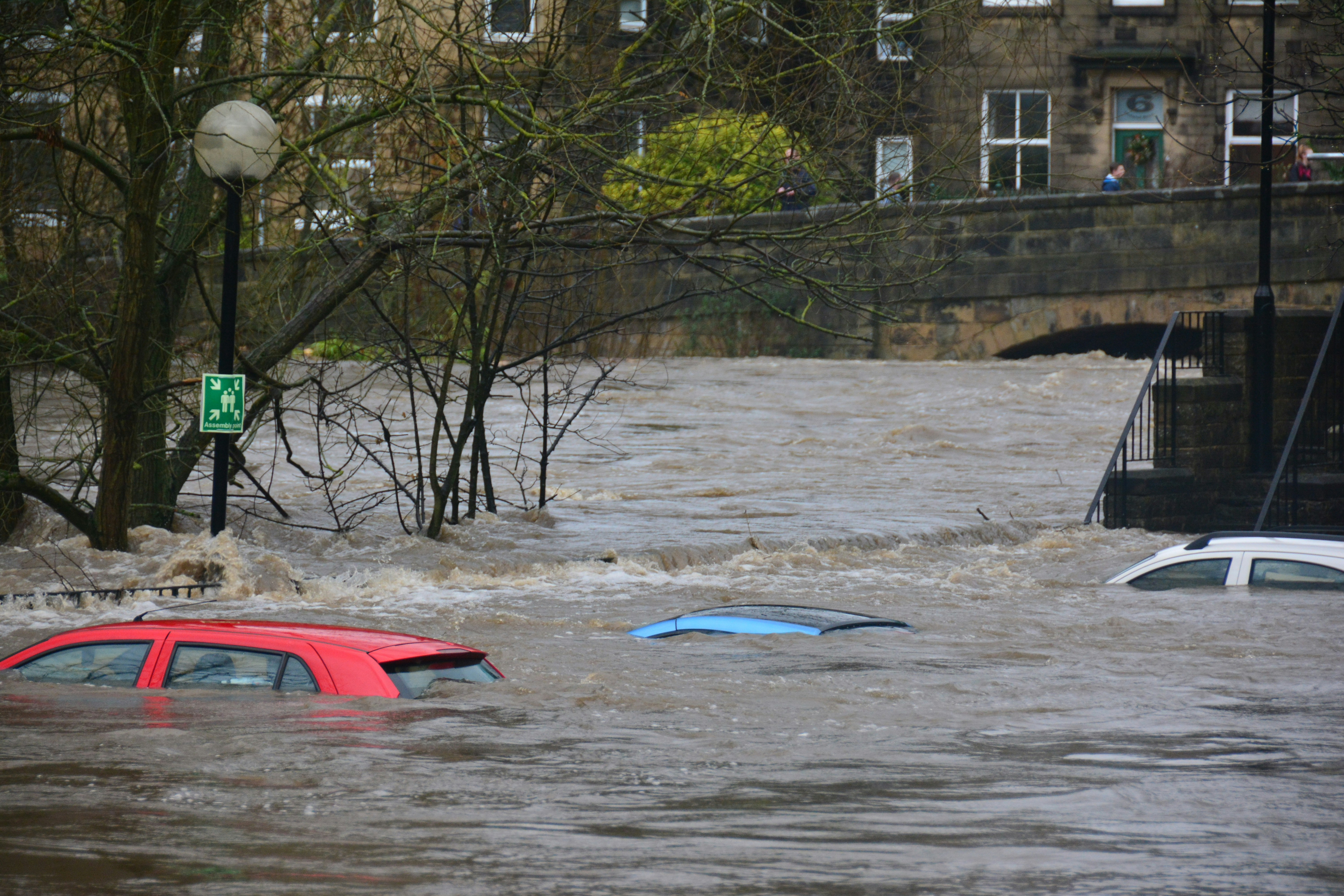
Image Credit: Chris Gallagher from Unsplash

.jpg)